

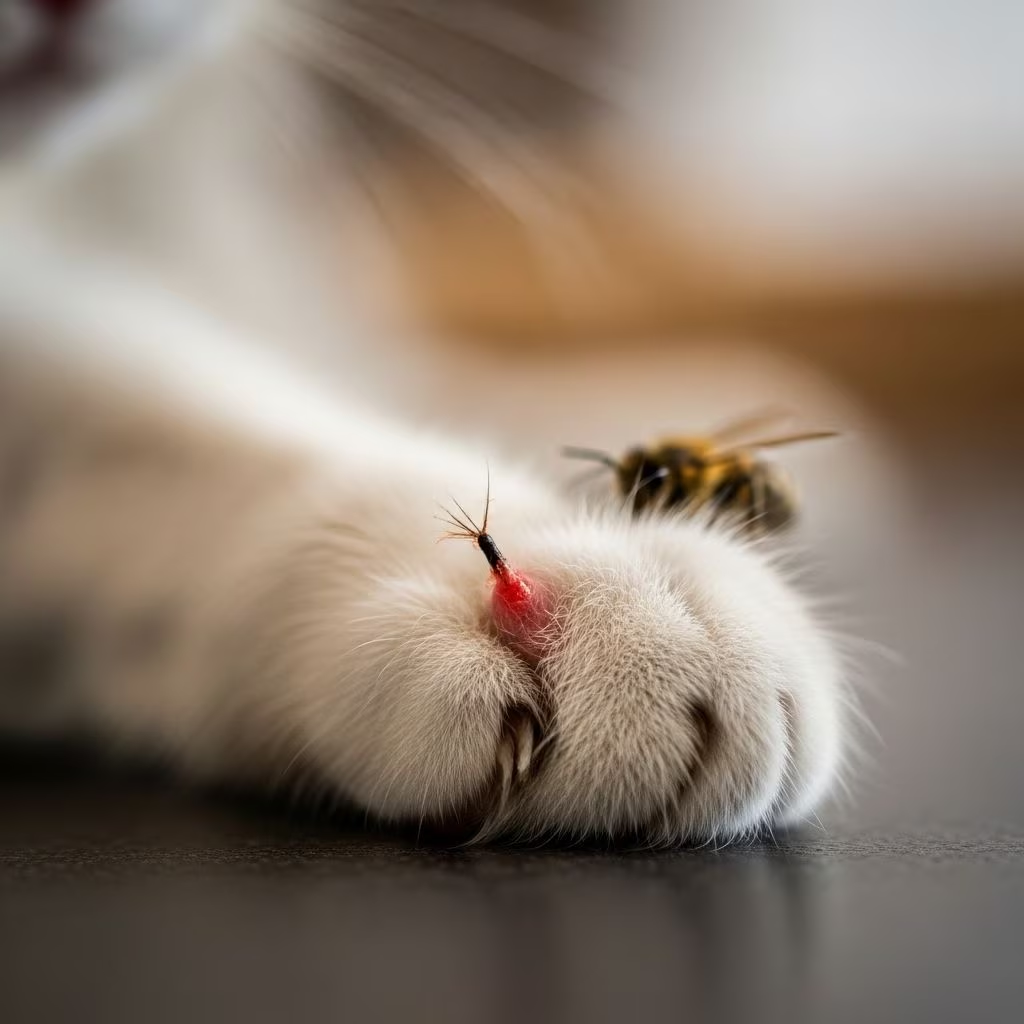
Bees and wasps pose unexpected risks to curious cats exploring outdoors. A single sting often leads to temporary discomfort, but swift action can prevent complications. This guide details recognition of issues, safe interventions, and professional care needs.
Understanding Insect Stings on Felines
Cats frequently encounter stinging insects during play or hunting. Bees leave barbed stingers that continue injecting venom until removed, while wasps do not, allowing quicker recovery in mild cases. Venom triggers local inflammation as the immune response activates. Most incidents resolve without intervention, yet vigilance remains crucial due to rare severe outcomes.
Common Indicators of a Sting
Observe your cat closely after potential exposure. Early detection aids effective management.
- Localized swelling: Redness and puffiness at the site, often on paws, face, or mouth from investigative swatting.
- Pain behaviors: Excessive paw flinging, limping, licking, or scratching the area signals irritation.
- Vocal distress: Yowling, growling, or hissing indicates acute discomfort.
- Excessive grooming: Intense focus on the spot attempts to soothe via saliva.
- Hives or rash: Widespread itchy bumps suggest broader reaction.
These signs typically peak within hours and subside over 24-48 hours in uncomplicated cases.
Severe Reactions Demanding Immediate Attention
Allergic responses, though uncommon, escalate rapidly. Anaphylaxis occurs within 30-60 minutes, sometimes delayed, posing life threats especially from facial or multiple stings.
| Symptom | Description | Urgency |
|---|---|---|
| Breathing issues | Labored respiration, wheezing, or throat swelling | Emergency |
| Collapse or weakness | Sudden lethargy, stumbling, or fainting | Emergency |
| Vomiting/Diarrhea | Uncontrolled expulsion with drooling | High |
| Pale gums | White or blue-tinged mucous membranes | Emergency |
| Seizures | Convulsions or disorientation | Critical |
Cats with prior stings or health issues face heightened risks, as sensitization amplifies responses. Monitor for 24 hours post-incident.
Immediate Home First Aid Steps
Stay composed to avoid stressing your pet. Follow this sequence:
- Locate and isolate: Gently restrain if safe, examining paws, mouth, and face.
- Extract stinger: For bees, scrape sideways with a credit card edge or fingernail—never squeeze, as this releases more venom. Skip for wasps.
- Cleanse: Rinse with cool water to flush residue.
- Neutralize venom: Bee stings benefit from baking soda paste (mixed with water); wasp stings from diluted vinegar.
- Reduce swelling: Apply cloth-wrapped ice pack for 10-15 minutes, testing temperature first to prevent frostbite.
- Promote rest: Confine to a quiet space, limiting movement.
Avoid human medications unless vet-approved. Oatmeal baths soothe multiple sites.
When to Contact a Veterinarian
Home care suffices for mild cases, but escalate if symptoms worsen or persist beyond 24 hours. Facial stings heighten breathing obstruction risks. Veterinarians assess via exam and may prescribe:
- Antihistamines like diphenhydramine (vet-dosed Benadryl).
- Steroids or anti-inflammatories for swelling.
- Fluid therapy, oxygen, or epinephrine for anaphylaxis.
Hospitalization lasts 2-3 days for severe cases, with monitoring of vitals.
Prevention Strategies for Outdoor Cats
Proactive measures minimize encounters:
- Supervise garden time, removing nests.
- Plant bee-repelling flora like mint or citronella.
- Maintain short grass to deter ground-nesting wasps.
- Fit cone collars post-sting to prevent paw chewing.
- Stock a pet first-aid kit with antihistamines, tweezers alternative, and cold packs.
Indoor lifestyles reduce risks significantly.
Myths and Facts About Feline Stings
Myth: All cats react dramatically.
Fact: Most tolerate stings well.
Myth: Sugar water draws out venom.
Fact: Scraping alone suffices; sugars attract more insects.
Myth: Wasps are harmless.
Fact: Their stings cause similar issues sans stinger.
Long-Term Considerations and Recovery
Full healing spans 1-2 days for locals, longer for allergies. Watch for infections via pus or fever. Desensitization shots exist for recurrent cases, per vet. Nutritional support with anti-inflammatory foods aids recovery.
Frequently Asked Questions
Can cats die from bee stings?
Yes, untreated anaphylaxis can be fatal, but prompt care saves most.
Is Benadryl safe for cats?
Yes, at 1mg/lb doses, but confirm with vet to avoid xylitol versions.
What if the sting is in the mouth?
High anaphylaxis risk; seek emergency care immediately.
How long does swelling last?
24-48 hours typically; longer warrants vet visit.
Do kittens react worse?
Smaller size amplifies venom effects; monitor extra closely.
Building a Cat-Safe Environment
Beyond basics, audit your yard: Eliminate standing water breeding mosquito allies, secure trash from attracting swarms. Train recall commands for quick indoor retreat. Annual vet checkups catch allergy predispositions.
In summary, bee stings challenge cat owners’ preparedness, but knowledge empowers confident responses. Prioritize observation and professional guidance for optimal outcomes.
References
- Bee and Wasp Stings in Cats — Joii Pet Care. 2023. https://www.joiipetcare.com/blogs/health-conditions/bee-and-wasp-stings-in-cats
- Cat Stung by a Bee: What To Do Next — Social Circle Veterinary Hospital. 2023. https://socialcirclevethospital.com/articles/cat-stung-by-a-bee
- What To Do When Your Cat Is Stung by a Bee or Wasp — Chewy. 2023. https://www.chewy.com/education/cat/health-and-wellness/cat-stung-by-bee
- Cat Stung by Bee or Wasp? What You Need to Know — Hill’s Pet. 2023. https://www.hillspet.com/cat-care/healthcare/cat-gets-stung-by-bee-wasp
- First Aid for Insect Stings in Cats — VCA Animal Hospitals. 2023. https://vcahospitals.com/know-your-pet/first-aid-for-insect-stings-in-cats



