

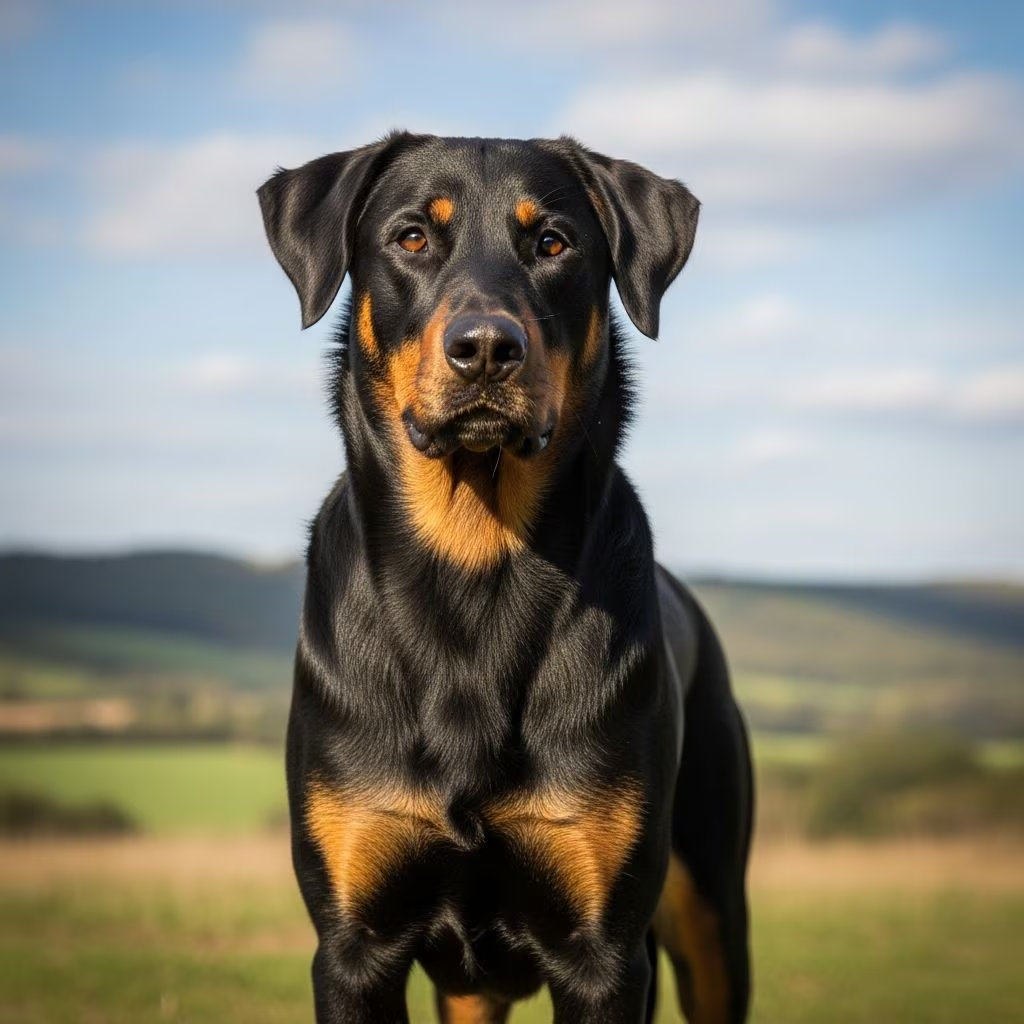
The Beauceron stands as a testament to French canine heritage, embodying strength, intelligence, and unwavering loyalty in a single, imposing frame. This versatile breed, originating from the plains of Beauce, has long served as a herder, guardian, and companion, blending a calm demeanor with the readiness to protect.
Origins and Evolution of the Beauceron
Tracing its roots to ancient France, the Beauceron emerged as one of the country’s oldest herding breeds, with mentions in historical texts dating back to the late 1500s. Paleontologists link its ancestry to hardy canines from the French Jura region, domesticated for hunting large game like bears and boars before transitioning into farm life. By 1809, early distinctions separated it from relatives like the Briard, naming it Berger de Beauce for its work in the Beauce plains.
These dogs managed vast flocks, driving 200-300 sheep across 50 miles daily while warding off predators, showcasing exceptional endurance and vigilance. The breed’s formal recognition came in 1896 through the Société Centrale Canine, solidifying its standard amid concerns over modernization threatening traditional sheepherding. During World Wars I and II, Beaucerons proved invaluable in military roles, including messaging, mine detection, and search-and-rescue, highlighting their adaptability and courage.
Today, while flocks have dwindled, the Beauceron thrives in diverse pursuits, from competitive herding against top breeds like Border Collies to police work, retaining its core as a multifaceted working dog. French author Colette famously dubbed it the “country gentleman,” praising its affectionate nature and profound attachment to family.
Physical Characteristics and Build
Beaucerons present a robust yet athletic silhouette, averaging 26-27.5 inches in height and up to 100 pounds, with males larger and more substantial than females. Their frame is powerful without excess bulk, featuring a straight back, defined withers, broad loins, and a deep chest that conveys balance and stamina.
The head is harmonious, with dark brown, alert eyes expressing confidence and high-set ears that can be natural or cropped. A hallmark trait is the double dewclaws on the hind legs, adding to their distinctive look, often paired with the nickname “Bas Rouge” for their rust-colored lower legs. The tail carries low, forming a subtle “J” shape, never deviating sideways.
Coat-wise, they sport a short, dense double layer: harsh and thick outer fur with a soft undercoat, primarily black with tan markings or harlequin patterns of gray, black, and tan. This low-maintenance covering repels water and dirt, ideal for outdoor labor. In motion, Beaucerons exhibit fluid, extended trots with the head lowering to topline level, emphasizing efficiency and power—clumsy gaits are penalized in breed standards.
| Trait | Males | Females |
|---|---|---|
| Height | 27-27.5 inches | 26 inches |
| Weight | Up to 100 lbs | Smaller frame |
| Coat Colors | Black/tan, Harlequin | Same |
| Build | Larger bone, masculine | Feminine, substantial |
Temperament and Personality Traits
Renowned for sharp intellect and stable character, Beaucerons rank among the most trainable breeds, displaying obedience, calmness, and courage. They possess an innate vigilance, commanding respect with a stern gaze while intervening only when needed, balanced by deep loyalty and sensitivity to owners’ moods.
- Confident and Fearless: Self-assured without meanness, reserved with strangers but never timid.
- Affectionate Family Member: Gentle and playful with children, forming unbreakable bonds.
- Protective Guardian: Natural watchdog instincts make them bark at threats before acting.
- Independent Streak: Some show spirited initiative, thriving under firm, consistent leadership.
Though dominant by nature, patient handling yields a devoted companion. They prefer open spaces over urban bustle, reflecting herding roots, and excel with stock of all types. Aggression or fear is unacceptable per standards, underscoring their gentle core.
Training and Activity Requirements
Beaucerons demand purposeful training from puppyhood, leveraging their eagerness to please and excellent memory. Early socialization curbs wariness of strangers, while firm, positive methods prevent dominance issues.
Mental stimulation is crucial; these thinkers bore easily without jobs like herding trials, agility, or obedience competitions. Daily exercise—2+ hours of runs, hikes, or play—matches their endurance, preventing restlessness.
- Start obedience basics early to harness loyalty.
- Incorporate herding simulations for instinctual fulfillment.
- Use advanced commands; they master complex tasks swiftly.
- Avoid harsh corrections—patience builds trust.
In homes with livestock or protection needs, they shine, but inactive owners risk behavioral challenges. Pair with experienced handlers for best results.
Health and Wellness Considerations
Generally hardy, Beaucerons inherit robust genes from working lines, but vigilance against breed predispositions is key. Hip dysplasia, common in large herders, affects mobility; regular vet checks and moderate growth in pups mitigate risks.
Gastric torsion (bloat) looms due to deep chests—feed smaller meals multiple times daily. Elbow dysplasia and heart conditions like dilated cardiomyopathy warrant screening from reputable breeders. Their short coat sheds seasonally, managed by weekly brushing and baths as needed.
Lifespan averages 10-12 years with proper care: balanced diet rich in proteins for muscle maintenance, joint supplements if advised, and dental hygiene. Annual exams catch issues early.
| Common Health Issue | Prevention/Treatment |
|---|---|
| Hip Dysplasia | Screened parents, controlled exercise |
| Bloat | Frequent small feedings, no exercise post-meal |
| Elbow Dysplasia | Weight management, orthopedics |
Grooming and Daily Care Routine
Low-maintenance appeals to owners; the short coat requires minimal effort. Brush weekly with a rubber curry to distribute oils and remove loose fur, increasing during sheds. Nails trim monthly, ears check weekly for infections, and teeth brush regularly to combat tartar.
Bathe sparingly to preserve natural oils, using dog-specific shampoos. Dewclaws, unique to the breed, need monitoring to prevent splits. Outdoorsy by nature, they tolerate varied climates but appreciate shelter from extremes.
Beauceron in Modern Roles and Family Life
Beyond farms, Beaucerons guard homes, assist law enforcement in detection, and compete in dog sports, proving versatility. In families, they protect children superbly, blending playfulness with supervision, though supervision around small pets is wise due to herding nips.
Not for apartments—their size and energy suit homes with yards. They adapt well to active lifestyles, rewarding owners with companionship that’s both noble and engaging. Ethical breeding preserves these traits, prioritizing health over aesthetics.
Choosing and Bringing Home a Beauceron
Select from breeders aligned with clubs like the American Beauceron Club, verifying health clearances and temperament testing. Puppies should hail from working lines for vitality. Prepare with secure fencing, ample toys, and commitment to training.
Adoption from rescues suits experienced homes, offering mature dogs past the rambunctious puppy phase. Budget for premium food, vet care, and activities—investing in quality yields lifelong rewards.
Frequently Asked Questions (FAQs)
Is the Beauceron good with children?
Yes, they are affectionate and protective with kids, often gentle giants when socialized properly.
How much exercise does a Beauceron need?
At least 2 hours daily, including mental challenges like herding or puzzles.
Are Beaucerons easy to train?
Highly intelligent and eager, they respond well to consistent, positive reinforcement.
What is the Beauceron’s lifespan?
Typically 10-12 years with diligent health care.
Do Beaucerons make good guard dogs?
Absolutely—their vigilant nature and imposing presence deter intruders effectively.
Can Beaucerons live in apartments?
No, they require space and activity unsuitable for small urban dwellings.
References
- About the Breed — Beaucerons du Chateau Rocher. Accessed 2026. https://www.beaucerons.us/about-the-breed
- About Beaucerons — Wildfire Kennels. Accessed 2026. https://wildfire-kennels.com/?page_id=6921
- History of the Beauceron — Beauce.org. 2014-01. https://beauce.org/2014/01/history-of-the-beauceron/
- The Beauceron: France’s Noble and Versatile Working Dog — Zealândia Pets. Accessed 2026. https://www.zealandiapets.com/pages/the-beauceron-france-s-noble-and-versatile-working-dog
- Beauceron Facts — Wisdom Panel. Accessed 2026. https://www.wisdompanel.com/en-us/dog-breeds/beauceron
- Beauceron Dog Breed — Hill’s Pet. Accessed 2026. https://www.hillspet.com/dog-care/dog-breeds/beauceron
- Beauceron Dog Breed Information — American Kennel Club. Accessed 2026. https://www.akc.org/dog-breeds/beauceron/



