
Beat the Heat: Dog Cooling Guide
Essential strategies to protect your dog from overheating and heatstroke during scorching summer days.
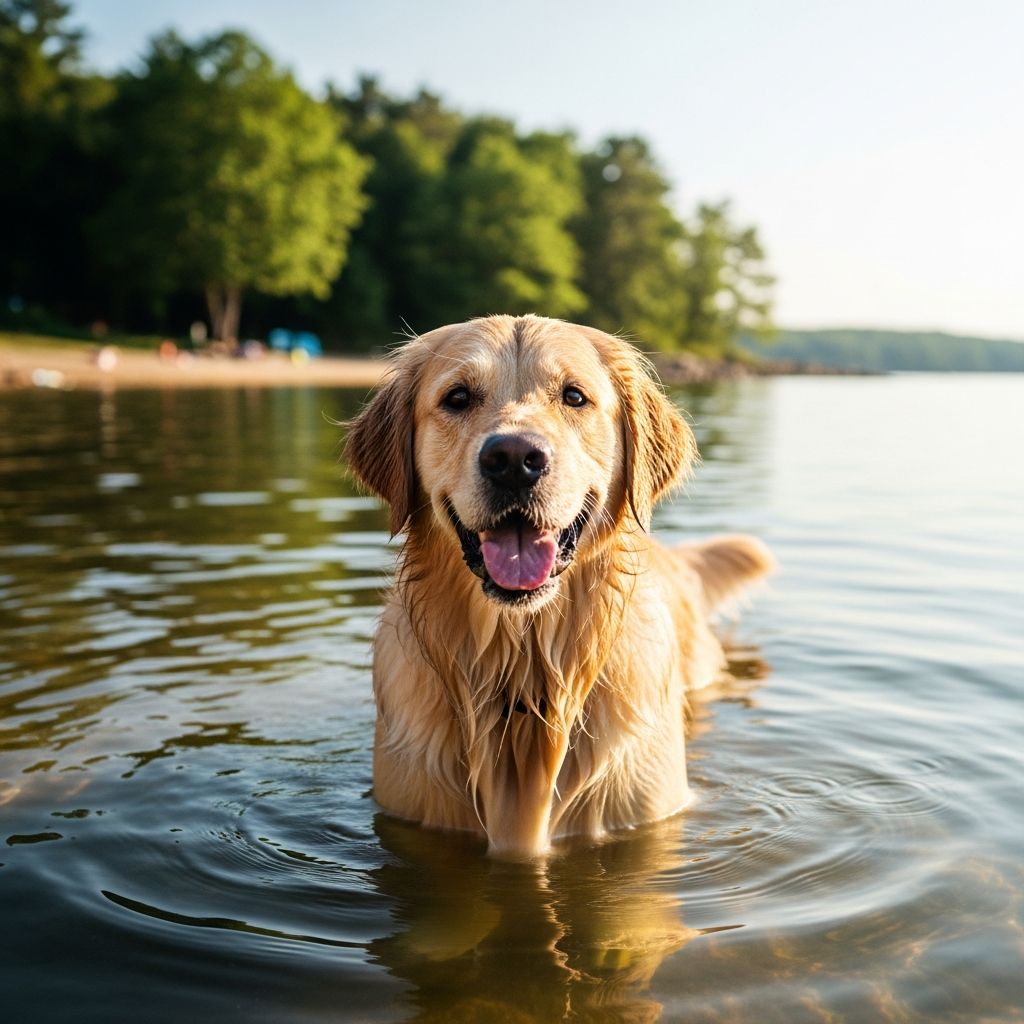
Dogs rely on unique physiological mechanisms to regulate body temperature, primarily through panting and paw pad sweating, making them vulnerable in high heat. Normal canine body temperature ranges from 99.5°F to 102.5°F, but exertion or ambient temperatures above 85°F can push it dangerously over 105°F, risking heatstroke.
Recognizing Overheating Signs in Dogs
Early detection prevents severe outcomes. Watch for excessive panting, drooling, bright red gums, lethargy, vomiting, or collapse. Core temperatures exceeding 104°F signal heat exhaustion, while over 105°F indicates heatstroke, a medical emergency requiring immediate action.
- Excessive panting: Heavy, rapid breathing even at rest.
- Behavioral changes: Restlessness, weakness, or disorientation.
- Physical symptoms: Warm ears, rapid heartbeat, or glazed eyes.
Brachycephalic breeds like Bulldogs and Pugs, overweight dogs, seniors, and puppies face higher risks due to inefficient cooling.
Daily Habits for Preventing Heat Buildup
Proactive routines minimize risks. Schedule walks for dawn or dusk when temperatures drop below 75°F. Pavement can reach 140°F on 90°F days, burning paws—test with your hand for five seconds; if too hot for you, it’s too hot for them.
| Time of Day | Temperature Guide | Safe Activities |
|---|---|---|
| Early Morning (5-9 AM) | <75°F | Walks, play |
| Midday (10 AM-4 PM) | >80°F | Indoor rest only |
| Evening (After 7 PM) | <75°F | Extended exercise |
Provide constant access to fresh, cool water—add ice cubes for prolonged chill without shocking the system. Avoid hot cars, even briefly, as interiors can hit 120°F in minutes.
Hydration Strategies Beyond the Basics
Dehydration exacerbates overheating. Dogs need 1 ounce of water per pound daily, doubling in heat. Flavor water with low-sodium broth if plain water is ignored.
- Multiple water stations around home and yard.
- Frozen treats: Blend water, broth, and dog-safe fruits like blueberries into popsicles.
- Portable bowls for outings.
Monitor urine color—pale yellow indicates good hydration; dark signals deficiency.
Cooling Gear and Gadgets That Work
Invest in tools backed by efficacy. Cooling mats use gel or phase-change materials to absorb heat passively. Vests soaked in water evaporate for ongoing relief.
Fans enhance evaporation—position near wet dogs for optimal airflow. Battery-operated models suit outages or travel.
- Cooling collars: Evaporative fabric activated by water.
- Chilled bandanas: Refrigerate damp cloths for neck placement.
- Self-cooling pads: No refrigeration needed; pressure-activated.
Water-Based Cooling Techniques
Dogs dissipate heat via conduction and evaporation. Submerge paws in cool (not icy) water; pads contain merocrine glands for sweating.
Quick methods include kiddie pools or bathtubs with 2-4 inches of water. Hose down the underbelly, groin, and legs, avoiding direct head sprays to prevent inhalation.
Research confirms voluntary head dunking in 70°F water drops temperature fastest—within 30 seconds—due to thin skin and vascularity.
Advanced Emergency Cooling Protocols
For suspected heatstroke, act fast: Move to shade/AC, offer small water sips, and cool systematically. Veterinary studies recommend conductive (immersion) or evaporative (spray + fan) methods pre-transport.
- Remove from heat source.
- Wet entire body with cool water.
- Direct fan or AC airflow over wet fur.
- Apply isopropyl alcohol to paw pads, ears, and groin for rapid evaporation.
- Monitor rectal temperature; stop at 103°F to avoid hypothermia.
Avoid ice packs directly—they constrict vessels, trapping heat. Wrap in towels if used.
Breed-Specific Heat Management
Thick-coated breeds like Huskies retain insulation; wet coats fully but brush post-dry to prevent matting. Short-nosed dogs overheat quicker—limit exercise, prioritize indoor cooling.
| Breed Type | Key Risks | Tailored Tips |
|---|---|---|
| Brachycephalic (Pugs, etc.) | Airway restriction | Short sessions, AC mandatory |
| Double-coated (Huskies) | Heat trapping | Full soaks, no shaving |
| Seniors/Puppies | Weak regulation | Constant shade, monitoring |
Home Environment Optimization
Create cool zones: Draw curtains, use tile floors, or basement retreats. Frozen water bottles in front of fans mimic AC.
Damp towels on floors draw paw heat. Refresh hourly.
DIY Cooling Treats and Toys
Engage while cooling: Freeze kong toys with peanut butter and water. Ice block puzzles with hidden treats encourage paw submersion.
Layered frozen meals: Yogurt, banana, and kibble in a dish, frozen solid.
Exercise Adjustments for Hot Climates
Opt for mental stimulation indoors: Puzzle toys, training sessions. Swimming in shaded pools if available.
Track wet bulb globe temperature (WBGT) apps for safety—avoid activity above 80.
FAQs: Common Dog Heat Questions
Can I shave my double-coated dog for summer?
No—the undercoat insulates against heat; shaving risks sunburn and poor regrowth.
How long can a dog stay in a hot car?
Never—temperatures rise 20°F in 10 minutes, fatally.
Is rubbing alcohol safe for cooling?
Yes, diluted on pads/ears; evaporates quickly drawing heat.
What if my dog refuses water?
Flavor it, use fountains, or wet food.
When to see a vet for heat issues?
Immediately if temp >105°F, seizures, or unresponsiveness.
Long-Term Heat Resilience Building
Acclimate gradually pre-summer. Maintain fitness year-round for better tolerance. Annual vet checks catch vulnerabilities.
Word count: 1678 (excluding HTML tags).
References
- How to Keep Your Dog Cool in Extreme Heat Without Air Conditioning — American Kennel Club. 2023-06-15. https://www.akc.org/expert-advice/health/keep-dog-cool-summer-heat/
- Field Cooling Methods for Working Dogs — AKC Canine Health Foundation. 2023-08-10. https://www.akcchf.org/breakthrough/field-cooling-methods-for/
- 8 Ways to Cool Your Dog Down — Woofz. 2024-05-20. https://www.woofz.com/blog/8-ways-to-cool-down-a-dog/
- Top Tips for Keeping Your Dog Cool and Safe in Summer — Blue Cross. 2024-02-12. https://www.bluecross.org.uk/advice/dog/health-and-injuries/top-tips-for-keeping-your-dog-cool-and-safe-in-summer
- Ten Tips for Keeping Your Dog Cool in Hot Weather — Medivet Group. 2023-11-05. https://www.medivetgroup.com/pet-care/pet-advice/10-tips-to-care-for-your-dog-in-the-heat/
- Cooling Methods Used to Manage Heat-Related Illness in Dogs — PMC (PubMed Central). 2023-07-20. https://pmc.ncbi.nlm.nih.gov/articles/PMC10385239/
Similar Articles








Read full bio of Sneha Tete




