

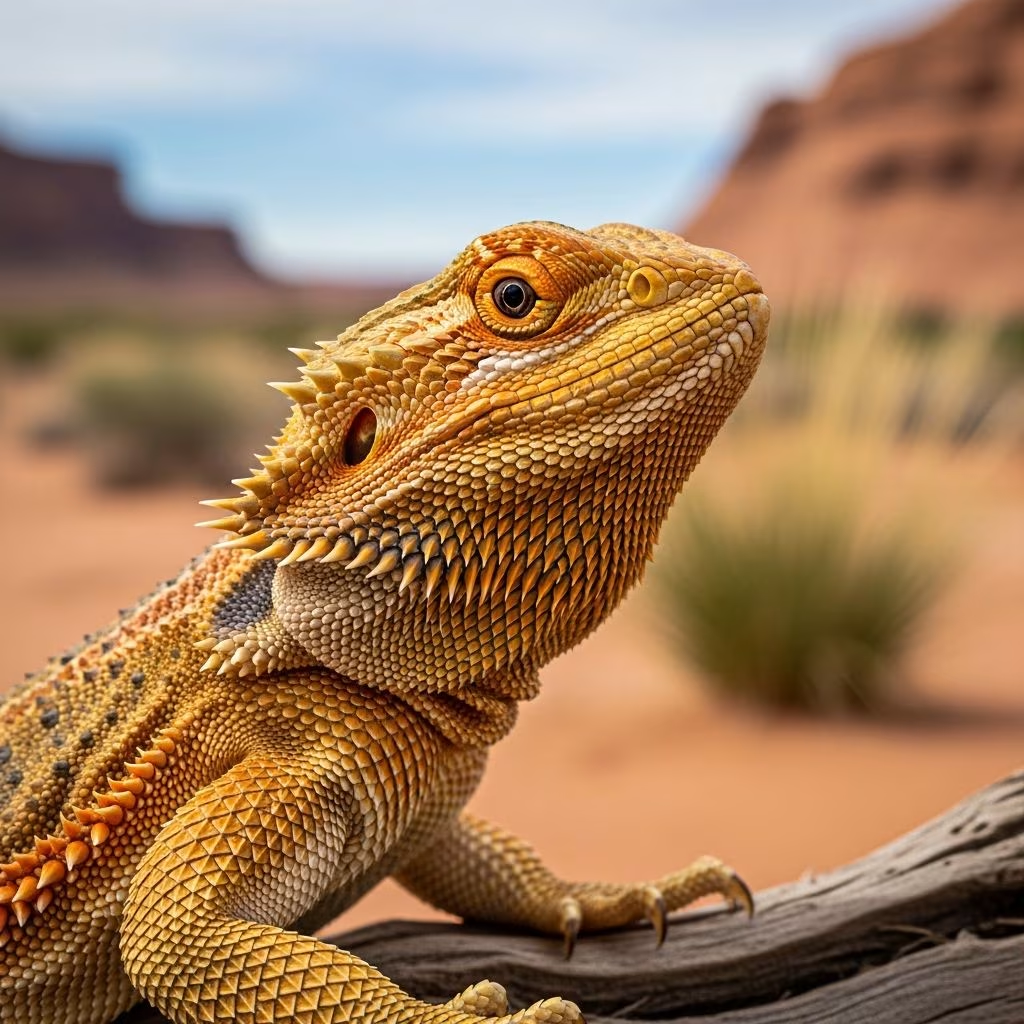
Bearded Dragons: A Complete Guide to Owning These Fascinating Reptiles
Bearded dragons are becoming increasingly popular pets for reptile enthusiasts of all experience levels. These fascinating creatures are relatively docile, interactive, and can live 10-15 years with proper care. However, successful bearded dragon ownership requires a comprehensive understanding of their specific environmental, dietary, and health needs. This guide covers everything you need to know to provide your bearded dragon with optimal care and ensure a long, healthy life.
Understanding Bearded Dragons as Pets
Before bringing a bearded dragon into your home, it’s important to understand what makes these reptiles unique. Bearded dragons are medium-sized lizards native to the arid regions of Australia. They derive their name from the distinctive pouch of skin beneath their throat that can expand when they feel threatened or want to appear larger. These intelligent creatures are known for their gentle disposition, though individual personalities vary. They are generally curious, can be handled regularly, and even seem to enjoy human interaction when properly socialized.
Setting Up the Perfect Habitat
Creating an appropriate enclosure is one of the most critical aspects of bearded dragon ownership. Your bearded dragon’s environment directly impacts its stress levels, health, and overall quality of life.
Enclosure Size and Setup
A minimum enclosure size of 40 gallons is recommended for adult bearded dragons, though larger enclosures are always better. A 4-foot by 2-foot by 2-foot terrarium provides adequate space for exploration and basking. The enclosure should be equipped with:
- Multiple hiding spots and climbing structures
- Basking rocks or platforms
- Live plants or artificial decorations for enrichment
- A shallow food dish
- A shallow water dish
The substrate (bedding material) should be chosen carefully. Avoid loose substrates like sand, which can cause impaction if accidentally ingested. Instead, use reptile carpet, newspaper, or tile flooring, which are safer and easier to clean.
Temperature and Lighting Requirements
Bearded dragons are ectothermic, meaning they rely on external heat sources to regulate their body temperature. Proper temperature gradients are essential for digestion, metabolism, and overall health.
Temperature Zones
| Zone | Temperature Range |
|---|---|
| Cool Side | 75-85°F (24-29°C) |
| Warm Side | 85-90°F (29-35°C) |
| Basking Spot | 95-100°F (35-38°C) |
| Nighttime | 70-75°F (21-24°C) |
Install two thermometers in your enclosure—one on the cool side and one in the basking area—along with a hygrometer to monitor humidity levels. Use adjustable heat lamps to maintain these temperature gradients, adjusting the wattage as needed.
UVB Lighting
UVB lighting is absolutely mandatory for bearded dragon health. These reptiles require full-spectrum UVB light to synthesize vitamin D3 and properly absorb calcium. Without adequate UVB exposure, bearded dragons develop metabolic bone disease, a serious and potentially fatal condition.
Provide 10-12 hours of UVB light daily using either a T5HO linear bulb (recommended) or T8 linear bulb with at least 10% UVB output. Coil bulbs are not recommended as they do not produce sufficient UVB coverage. Replace UVB bulbs every 6-12 months, as their potency decreases over time. Position bulbs according to manufacturer recommendations, typically 12-18 inches from your dragon’s basking area.
Humidity and Moisture Management
While bearded dragons come from arid environments and prefer dry conditions, some humidity is necessary for proper shedding and overall hydration. Maintain humidity levels between 30-50% in your enclosure. Mist the enclosure daily with a warm water spray to achieve this balance.
Nutrition and Feeding
Proper nutrition is fundamental to your bearded dragon’s health and longevity. Bearded dragons are omnivores, requiring both animal protein and vegetables throughout their lives.
Feeding Schedule by Age
The nutritional needs of bearded dragons change as they mature:
- Babies (0-3 months): Feed insects 2-3 times daily, offering as many as they’ll consume in 5-10 minutes. Young bearded dragons may eat 20-60 small crickets daily, plus fresh greens. Juveniles should also receive vegetables daily.
- Juveniles (3-12 months): Offer insects 2-4 times weekly and vegetables daily. Monitor body condition to determine appropriate portion sizes.
- Adults (12+ months): Feed insects 2-4 times weekly and vegetables daily. Adults should consume primarily vegetables with insects as supplementary protein.
Appropriate Insects
The primary feeder insects for bearded dragons include gut-loaded crickets and dubia roaches, which provide excellent nutrition. Occasional treats such as mealworms, superworms, and waxworms can be offered in small amounts but should not constitute a regular diet. Never feed wild-caught insects, as they may carry parasites or pesticide residues that can severely harm your dragon.
Vegetable Requirements
Fresh, chopped vegetables should be offered daily, particularly to adult dragons. Suitable vegetables include dark leafy greens like collard greens, mustard greens, and kale. Feed vegetables in the morning to promote digestion during the warmest part of the day. Spray vegetables with water to keep them fresh longer and provide additional hydration.
Supplementation
Dust all feeder insects with calcium and vitamin D3 supplements to prevent nutritional deficiencies. For juveniles, dust insects 4-5 times weekly; for adults, 2-3 times weekly. Additionally, dust insects with multivitamin powder twice weekly and vegetables with multivitamin powder once every two weeks.
Hydration
Proper hydration is essential for maintaining digestive health and supporting the shedding process. Always provide a shallow water dish large enough for your dragon to soak in if desired. Replace water daily to maintain freshness and prevent bacterial growth.
In addition to drinking water, offer warm-water soaks 3-4 times weekly. Soak your bearded dragon in a container with water reaching approximately chest level—deep enough to submerge their body but shallow enough for them to stand comfortably. Water temperature should be warm to the touch, similar to a baby’s bath water. These soaks serve multiple purposes: enhancing hydration, promoting gastric motility, and facilitating shedding of old skin. The optimal soak duration is 15-20 minutes. Never leave your bearded dragon unattended during a soak.
Handling and Socialization
Bearded dragons are generally docile and can tolerate regular handling when socialized from a young age. Support your dragon’s entire body, particularly the forelimbs and hind limbs, when handling. Avoid squeezing or holding them too tightly, and always wash your hands before and after handling to prevent the transmission of zoonotic diseases such as Salmonella.
Shedding and Skin Health
Bearded dragons shed their skin regularly as part of their natural growth cycle. Maintaining appropriate humidity levels (30-50%) encourages healthy shedding. Warm-water soaks are particularly beneficial during shedding periods, as they soften the outer skin layer and make it easier for your dragon to shed old skin naturally. If your dragon has stuck shed that doesn’t come off naturally, consult with a reptile veterinarian.
Cleaning and Maintenance
Proper enclosure sanitation is critical for preventing bacterial infections and parasitic infestations.
Daily Cleaning
Perform spot-cleaning daily by removing soiled substrate, discarded food, and feces. Clean food and water bowls daily to prevent bacterial growth.
Weekly Deep Cleaning
Conduct a thorough enclosure cleaning at least once weekly (or more frequently if housing multiple dragons):
- Move your bearded dragon to a secure, temporary enclosure
- Remove all substrate, decor, and accessories
- Scrub the tank and furnishings with a reptile-specific habitat cleaner or a 3% bleach solution
- Allow bleach solution to sit for at least 10 minutes to ensure proper disinfection
- Rinse thoroughly multiple times until no bleach odor remains
- Dry completely before replacing substrate and decor
Deep-clean your bearded dragon’s entire enclosure at least every two weeks. Always wash your hands before and after handling your dragon or its habitat to minimize disease transmission risks.
Health and Veterinary Care
Regular veterinary care is essential for maintaining your bearded dragon’s long-term health and catching potential problems early.
Annual Examinations
Schedule a veterinary check-up with an exotic pet veterinarian at least once annually, though some veterinarians recommend check-ups every 6-12 months. During these visits, bring a fresh fecal sample (or allow the veterinarian to collect one) to screen for parasitic infections.
Pre-Vet Preparation
Before your appointment, take photographs of your enclosure, heating system, lighting setup, and typical diet. These visual aids help your veterinarian assess whether your care setup is appropriate. Transport your bearded dragon in a secure cat carrier or travel cage to minimize stress.
Warning Signs Requiring Immediate Veterinary Attention
Contact your reptile veterinarian immediately if you notice any of the following signs:
- Loss of appetite or refusal to eat for extended periods
- Lethargy or unusual inactivity
- Abnormal posture or difficulty moving
- Swelling of the face, jaws, or limbs
- Discharge from eyes, nose, or mouth
- Difficulty breathing or wheezing sounds
- Impaction symptoms (constipation, dragging hind limbs)
- Softening of the spine or limbs (signs of metabolic bone disease)
Frequently Asked Questions About Bearded Dragon Ownership
Q: What is the lifespan of a bearded dragon?
A: With proper care, bearded dragons typically live 10-15 years in captivity. Some individuals may live even longer with exceptional care and nutrition.
Q: Can bearded dragons live together?
A: Adult bearded dragons are solitary and territorial. Cohabitation often results in stress, aggression, and injury. It’s best to house each dragon individually.
Q: How often should I handle my bearded dragon?
A: With proper socialization, bearded dragons can be handled several times per week. However, avoid handling immediately after feeding, during shedding, or if your dragon shows signs of stress.
Q: What should I do if my bearded dragon stops eating?
A: Loss of appetite can indicate illness, stress, improper temperatures, or inadequate lighting. Check your enclosure conditions and consult a reptile veterinarian if the problem persists.
Q: Are bearded dragons good pets for beginners?
A: Yes, bearded dragons are generally good beginner reptiles due to their relatively docile nature and straightforward care requirements. However, they still require significant investment in proper setup and ongoing care.
Q: Can bearded dragons eat fruits?
A: Fruits can be offered occasionally as treats, but they should not be a staple of your dragon’s diet due to high sugar content. Focus on vegetables as the primary plant component of their diet.
References
- Bearded Dragon Care Guide — PetSmart. 2025. https://www.petsmart.com/learning-center/reptile-care/bearded-dragon-care-guide/A0015.html
- Bearded Dragon Care Sheet — PetMD. 2025. https://www.petmd.com/reptile/bearded-dragon-care-sheet
- Bearded Dragon Care Guide — BeWild Rescue, MorphMarket Community. 2025. https://community.morphmarket.com/t/bearded-dragon-care-guide/39833
- Care Sheet – Bearded Dragon — Bearded Dragon .org. 2025. https://www.beardeddragon.org/resources/bearded-dragons-care-sheet.1/
- Bearded Dragon Care Sheet — The Unusual Pet Vets. 2020. https://www.unusualpetvets.com.au/
- How To Care For Your Bearded Dragon — RSPCA. 2025. https://www.rspca.org.uk/adviceandwelfare/pets/other/beardeddragon



