

Bearded Dragons: Feeding
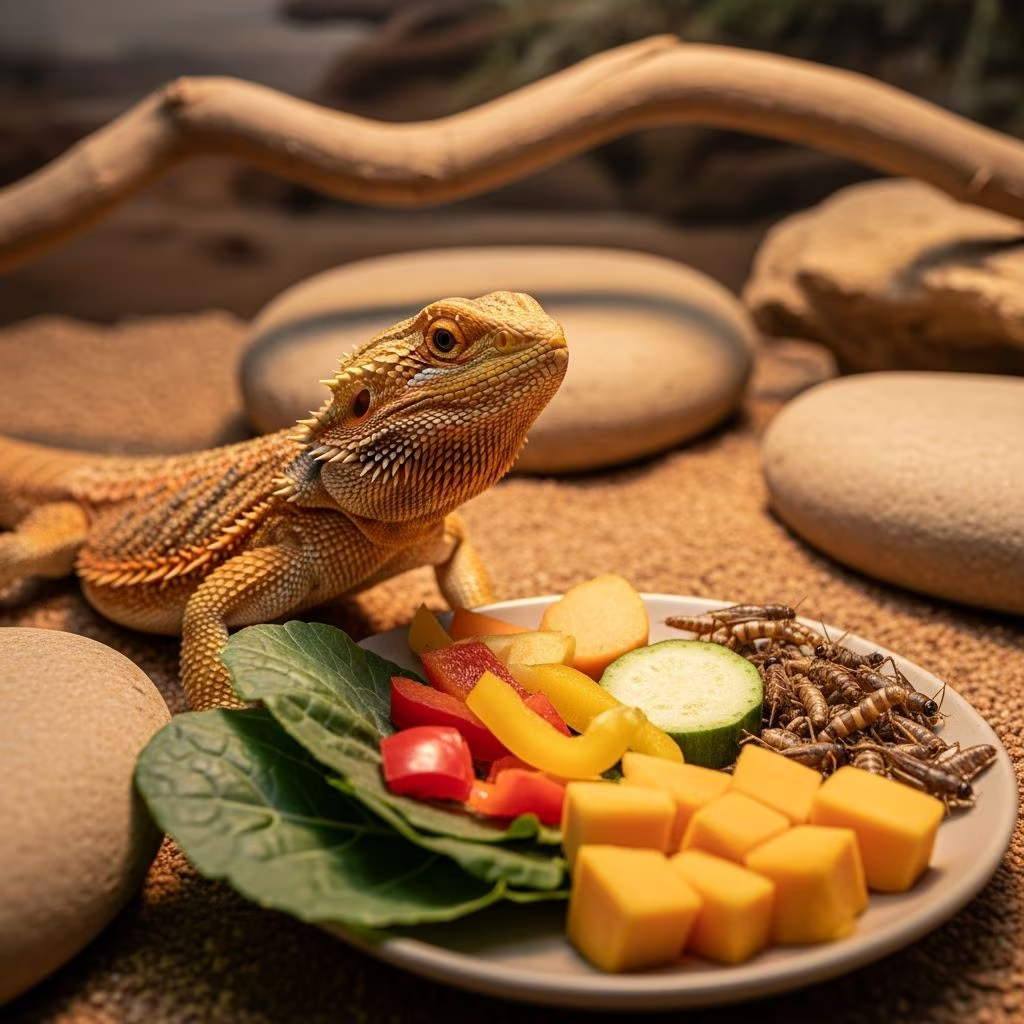
Bearded dragons are omnivorous reptiles, meaning they eat both plant-based and animal-based foods, including insects. Understanding the proper diet for your bearded dragon is essential for maintaining their health and longevity. As a guideline, depending on its age, a bearded dragon’s diet should be about 50% plant-based material and 50% animal-based (insect) material. However, this ratio changes significantly as your dragon matures. It’s always important to discuss your lizard’s specific dietary needs with your veterinarian to ensure optimal nutrition.
Understanding Dietary Ratios by Age
One of the most critical aspects of bearded dragon care is understanding how dietary requirements change throughout their life. Young bearded dragons have vastly different nutritional needs compared to adults, primarily because they are experiencing rapid growth and development.
Juvenile Bearded Dragons
Juvenile bearded dragons require a diet significantly higher in insects than their adult counterparts. Young dragons need the added protein from insects to support their rapid growth and development. A juvenile’s diet can range from 80% insects and 20% plants to a more balanced 50/50 ratio, depending on the specific age and individual dragon. During this critical growth phase, insects should make up the majority of their diet, with plant material serving as a supplementary component.
Adult Bearded Dragons
As bearded dragons mature and reach adulthood, their dietary needs shift dramatically. Adult dragons should consume approximately 80% plant-based material and only 20% animal-based (insect) material. This transition reflects their natural dietary patterns in the wild, where adult bearded dragons tend to become increasingly herbivorous. Adults only need insects once or twice a day, and some adults may only require insects two to three times per week, depending on their individual appetite and metabolic needs.
Plant-Based Foods for Your Bearded Dragon
Plant material forms the foundation of an adult bearded dragon’s diet and plays an important supporting role in a juvenile’s nutrition. It’s essential to understand which vegetables and fruits are safe and nutritious for your dragon.
Leafy Green Vegetables
Most of the plant material (80-90%) should consist of leafy green vegetables and flowers. These nutrient-dense greens provide essential vitamins and minerals necessary for bone health, immune function, and overall wellness. The following vegetables are recommended staples:
| Collard Greens | Beet Greens | Mustard Greens | Broccoli | Turnip Greens |
| Alfalfa Hay/Chow | Bok Choy | Kale | Parsley | Swiss Chard |
| Watercress | Clover | Red/Green Cabbage | Savory | Cilantro |
| Kohlrabi | Bell Peppers | Green Beans | Escarole | Dandelion Greens |
When selecting greens, avoid fiber-rich, nutrient-poor vegetables like celery and iceberg or head lettuce. These vegetables are primarily composed of fiber and water with minimal nutritional value. The inner, light-colored parts of vegetables are generally less nutritious than the darker green outer leaves, so prioritize the more vibrant portions when preparing food for your dragon.
Additional Vegetables
While leafy greens should dominate the vegetable portion of your dragon’s diet, a smaller percentage can include other vegetables such as cactus, various types of squash, sprouts, cooked sweet potato, parsnips, okra, cucumber, asparagus, mushrooms, carrots, peas, and corn. These vegetables provide variety and different nutritional profiles that complement the leafy greens.
Fruits in the Bearded Dragon Diet
Fruits should comprise only 10-20% of the plant material portion of your dragon’s diet. While fruits are nutritious and appealing to bearded dragons, they are high in sugar and water content, which means they should be fed sparingly. Some of the most nutritious fruits include apple, pear, banana with skin, mango, grapes, raisins, star fruit, peach, tomato, guava, kiwi, melon, figs, apricot, dates, raspberry, and strawberry. Always cut fruits into bite-sized pieces appropriate for your dragon’s size and age.
Foods to Avoid
Certain foods are toxic to bearded dragons and should never be offered. Avoid feeding your dragon avocado, onion, mushrooms, rhubarb, and wild plants that may have been treated with pesticides or herbicides. Additionally, do not feed your dragon any vegetables that are primarily composed of water and fiber without significant nutritional value.
Insect-Based Foods for Your Bearded Dragon
Insects provide essential protein and other nutrients necessary for your bearded dragon’s growth and maintenance. Different insects offer varying nutritional profiles, and it’s beneficial to rotate between several types to provide a complete diet.
Primary Insect Options
The best insects to feed your bearded dragon include crickets and dubia roaches, which should be gut-loaded before feeding. Gut-loading refers to feeding the insects nutritious food before offering them to your dragon, thereby transferring those nutrients to your pet. Other acceptable insects include mealworms, kingworms, and various waxworms, though mealworms, superworms, and waxworms should be offered only in small amounts due to their high fat content.
Feeding Insects Properly
Insects should be appropriately sized for your bearded dragon. A general guideline is that insects should be no larger than the width of your dragon’s head. Feed insects for approximately 10 minutes and remove any leftovers after one minute to avoid overfeeding and prevent the growth of mold on uneaten food. This practice maintains cage cleanliness and prevents digestive issues.
Feeding Schedule and Frequency
The frequency of feeding changes dramatically as your bearded dragon ages. Establishing and maintaining a consistent feeding schedule is important for digestive health and metabolic function.
Hatchlings (0-6 Months)
Very young bearded dragons require frequent feeding to support their rapid growth. Hatchlings should be fed insects twice daily and offered vegetables daily. However, very young hatchlings less than one month old may only consume flightless fruit flies and pinhead crickets that have been gut-loaded. Mashed vegetables including squash and leafy greens should be offered at mealtime to help young dragons develop an association with vegetables.
Juveniles (6-12 Months)
As juvenile bearded dragons grow, feeding frequency decreases slightly. Juveniles should receive insects once daily and vegetables daily. At this stage, juveniles are transitioning toward the dietary patterns they will follow as adults, though they still require more protein than their adult counterparts.
Adults (12+ Months)
Adult bearded dragons can be fed every day or every other day, depending on their individual appetite and metabolic needs. Adult dragons typically receive insects two to three times per week, while vegetables should be offered daily and left in the cage to allow for continuous grazing. Some vegetables can remain in the enclosure for approximately 30 minutes, allowing your dragon to browse and eat at their leisure.
Supplementation and Nutrition
In addition to a varied diet of insects and vegetables, bearded dragons require nutritional supplementation to prevent deficiencies. Calcium powder should be applied to all insects and salads, providing essential minerals for bone development and maintenance. Multivitamin powder should be offered on salads twice weekly for juveniles and once weekly for adults, ensuring adequate intake of essential vitamins.
Preparation and Storage Guidelines
Proper food preparation is essential for your bearded dragon’s health and safety. All vegetables should be sliced into thin, bite-sized pieces that your dragon can easily grab with their tongue. Wet or slimy vegetables like cucumber and cactus may frustrate your dragon because they don’t stick to their tongue as effectively as other vegetables. You can hand-feed these items to your dragon, though exercise caution to avoid accidental bites when your dragon attempts to grab the food.
Ensure that any uneaten vegetables are removed from the enclosure after approximately 30 minutes to prevent spoilage and bacterial growth. Insects should be removed after one minute if not consumed to maintain cage cleanliness and prevent mold development.
Commercial Prepared Diets
Commercial bearded dragon pellet food, moistened with water, may be offered daily as a supplement to fresh foods. These prepared diets add variety to your bearded dragon’s nutrition and are available in high-protein formulas for juvenile lizards and lower-protein versions for adult dragons. However, commercial diets should not replace fresh vegetables and insects but rather serve as a supplementary component of a balanced diet.
Frequently Asked Questions
Q: What is the ideal diet ratio for an adult bearded dragon?
A: Adult bearded dragons should consume approximately 80% plant-based material and 20% animal-based (insect) material. This ratio reflects their natural dietary patterns as they mature.
Q: How often should I feed my juvenile bearded dragon?
A: Juvenile bearded dragons should receive insects once daily and vegetables daily. The exact frequency may vary depending on the individual dragon’s age and growth rate.
Q: Can bearded dragons eat fruit daily?
A: No, fruits should comprise only 10-20% of your dragon’s plant-based diet and should be fed sparingly due to their high sugar content. Most fruits are best offered once or twice weekly.
Q: Which vegetables should I avoid feeding my bearded dragon?
A: Avoid iceberg and head lettuce, celery, avocado, onion, mushrooms, rhubarb, and wild plants. These are either too low in nutrition or potentially toxic to bearded dragons.
Q: Do I need to supplement my bearded dragon’s diet?
A: Yes, calcium powder should be applied to all insects and salads, and multivitamin powder should be offered on salads to prevent nutritional deficiencies.
Q: How should I size insects for my bearded dragon?
A: Insects should be appropriately sized so they are no larger than the width of your dragon’s head, ensuring safe consumption and preventing choking hazards.
Q: What are gut-loaded insects?
A: Gut-loaded insects are insects that have been fed nutritious food before being offered to your bearded dragon. This process transfers nutrients from the insect to your dragon, providing enhanced nutritional value.
Q: Should I remove uneaten food from my dragon’s enclosure?
A: Yes, insects should be removed after one minute if uneaten, and vegetables should be removed after approximately 30 minutes to prevent spoilage, bacterial growth, and mold development.
Q: Can I use commercial pellet food as my dragon’s primary diet?
A: Commercial pellet food should be used as a supplement to fresh vegetables and insects, not as a replacement. Fresh foods provide superior nutrition and variety for your bearded dragon.
Q: When should I consult a veterinarian about my dragon’s diet?
A: Always discuss your dragon’s specific dietary needs with your veterinarian, particularly if your dragon has health concerns, appears to be eating excessively or insufficiently, or if you notice changes in appetite or digestion.
References
- Bearded Dragons: Feeding — VCA Animal Hospitals. 2024. https://vcahospitals.com/know-your-pet/bearded-dragons-feeding
- How To Feed Your Bearded Dragon — NC State Veterinary Hospital, College of Veterinary Medicine. 2024. https://hospital.cvm.ncsu.edu/services/small-animals/nutrition/how-to-feed-your-bearded-dragon/
- What Do Bearded Dragons Eat? Complete Food & Diet Guide — PetSmart Learning Center. 2024. https://www.petsmart.com/learning-center/reptile-care/what-do-bearded-dragons-eat-complete-food-and-diet-guide/A0064.html
- Bearded Dragon Care Guide — ReptiFiles. 2024. https://reptifiles.com/bearded-dragon-care/bearded-dragon-food/
- The Complete Bearded Dragon Diet Plan — Dragon’s Diet. 2024. https://dragonsdiet.com/blogs/dragon-care/the-complete-bearded-dragon-diet-plan



