

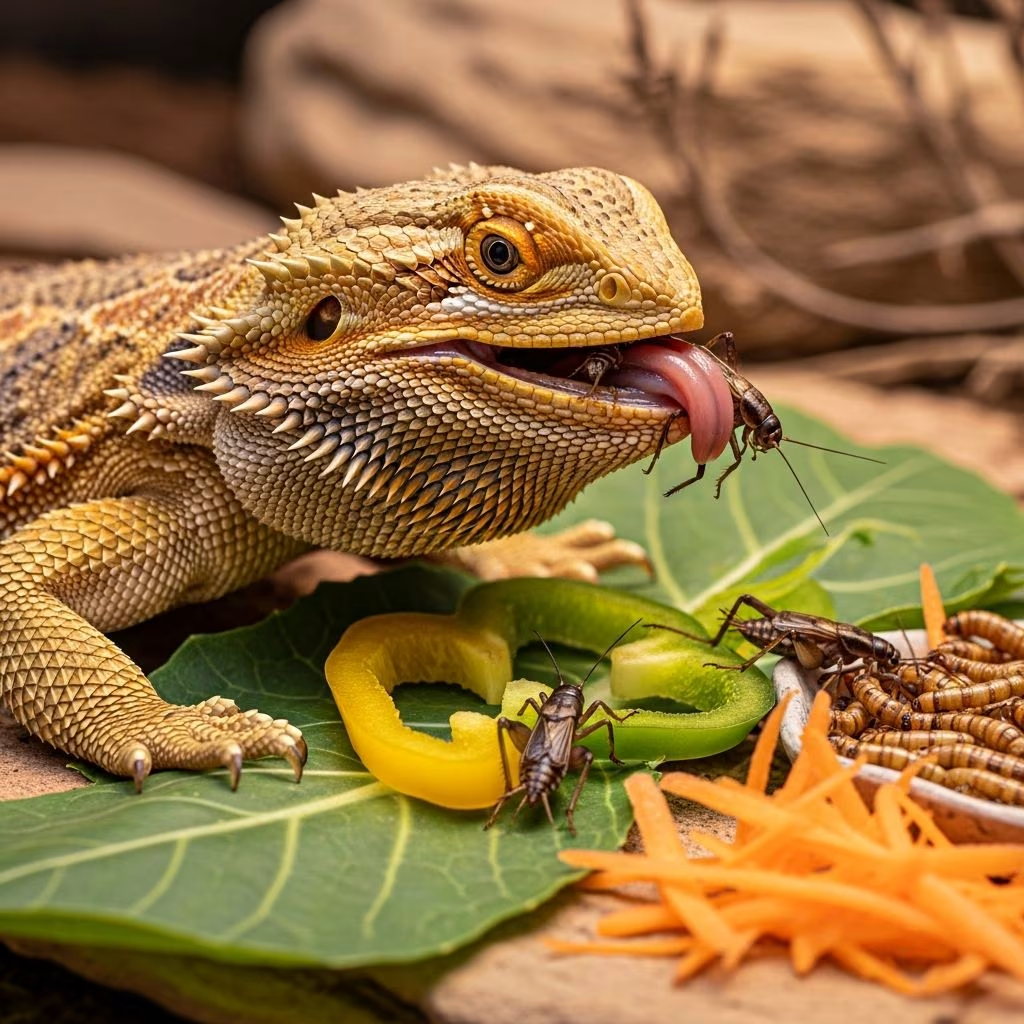
Bearded Dragons Feeding Guide
Bearded dragons are omnivorous reptiles that require a well-balanced diet consisting of both plant-based and animal-based foods to thrive. Understanding the proper feeding guidelines for your bearded dragon is essential for maintaining optimal health, supporting growth, and preventing nutritional deficiencies. As a guideline, depending on its age, a bearded dragon’s diet should be about 50% plant-based material and 50% animal-based (insect) material, though these proportions change significantly as your dragon matures.
The dietary needs of bearded dragons vary considerably based on their age, size, and life stage. Young bearded dragons have substantially different nutritional requirements compared to adults, requiring higher protein intake to support rapid growth and development. Adult bearded dragons, conversely, require more plant-based material and fewer insects. Always discuss your lizard’s diet with your veterinarian to ensure your specific dragon’s needs are being met.
Understanding Omnivorous Diet Requirements
Bearded dragons are omnivorous, meaning they eat both plant- and animal-based foods, including insects. This diverse dietary need reflects their natural feeding behaviors in their native Australian habitat, where they consume various prey items and vegetation depending on seasonal availability. The ratio of plant to animal matter should be adjusted based on your dragon’s age and developmental stage.
Young bearded dragons are omnivorous, consuming approximately 50% insects and 50% plant matter during their early months. As they mature, they will eat more vegetables and transition to mostly herbivorous, with approximately 90% plant matter comprising their diet. For adult dragons, the ideal diet typically means 80% plants and 20% insects, reflecting their reduced protein requirements and increased need for fiber and essential nutrients found in vegetation.
Feeding Schedule by Age
Hatchlings and Very Young Dragons (Under 1 Month)
Hatchling bearded dragons require frequent feeding to support their rapid growth. Dragons under one month old should be fed 2-3 times daily. At this stage, appropriate food items include flightless fruit flies and pinhead crickets that have been gut-loaded with nutritious food. While hatchlings will likely not consume vegetation, offering mashed vegetables including squash and leafy greens during mealtime helps establish positive associations with vegetables for future feeding.
Young Dragons (1 to 4 Months Old)
Dragons aged 1 to 4 months old should be fed twice daily. Their diet should include crickets as the primary insect source, supplemented with vegetables and occasional super worms or mealworms. At this stage, insects still comprise the majority of their caloric intake, though introducing vegetables becomes increasingly important for developing healthy eating habits and digestive function.
Juveniles (4 Months to 1 Year)
As bearded dragons approach adulthood between 4 months and 1 year of age, feeding frequency decreases to once daily. Their diet should include crickets, super worms, mealworms, and occasional pinky mice, with salad offered every other day. This transitional period is crucial as dragons begin shifting toward a more herbivorous diet while still requiring adequate protein for continued growth.
Adult Dragons (1 Year and Older)
Adult bearded dragons require significantly less feeding frequency compared to juveniles. Adults should receive insects only 2-3 times per week, with vegetables offered daily or nearly daily. At this mature stage, the dietary ratio shifts dramatically, with 80% of their diet consisting of plant matter and only 20% animal-based foods. Adults that consume insects more frequently may become overweight and face associated health complications.
Insects and Animal-Based Foods
Appropriate Insects
Live insects form the foundation of protein intake for bearded dragons at all life stages. Before feeding insects to your bearded dragon, live insects must be gut-loaded with nutrient-dense food. Gut-loading involves feeding the insects nutritious food items several hours before offering them to your dragon, ensuring your dragon receives enhanced nutrition.
Recommended insects include crickets and dubia roaches, which should be fed daily to young dragons and 1-3 times weekly to adults. The size of insects offered should be appropriate to your dragon’s size, with a general guideline being insects no larger than the space between your dragon’s eyes. Mealworms, superworms, and waxworms should be offered only in small amounts as occasional treats rather than dietary staples, as they are high in fat and lacking in essential nutrients compared to crickets and roaches.
Portion Guidelines
Young bearded dragons typically need 5-6 head-sized insects daily, with portions gradually decreasing as they mature. For subadults and adults, 3-4 head-sized insects offered 2-3 times weekly provides adequate protein intake. Gravid females (pregnant or egg-bearing) require increased protein and should receive 4-5 head-sized insects twice weekly to support egg production.
Vegetables and Plant-Based Foods
Staple Vegetables for Daily Feeding
Vegetables should comprise the majority of an adult bearded dragon’s diet and should be offered daily. The most nutritious staple vegetables include dark leafy greens that are rich in calcium and essential vitamins. Safe vegetables for frequent feeding include arugula (rocket), bok choy, cactus pads, collard greens, spring greens, endive, chicory, escarole, kale, mustard greens, mustard cress, pea shoots, spring mix, turnip greens, and watercress.
For young bearded dragons, vegetables should make up 25% of their food intake, while for adults, vegetables should comprise approximately 50-80% of their daily diet. Vegetables should be sliced into thin, bite-sized pieces that your bearded dragon can easily grab with their tongue. Remove any vegetables that have not been eaten within 24 hours to prevent spoilage and bacterial growth within the habitat.
Occasional Vegetables and Mixers
Beyond staple vegetables, occasional vegetables can provide dietary variety and additional nutrients. These mixer vegetables should be offered occasionally rather than daily and include artichoke hearts, asparagus, basil, beet leaves, bell peppers, carnations, cilantro, carrot greens, peeled cucumber, grated raw carrots, pesticide-free clover, dandelion greens and flowers, hibiscus, okra, parsnips, peas, snap peas, pumpkin, swiss chard, thyme, grated raw yam, and zucchini.
Some vegetables like cucumber and cactus are wet or slimy, making them difficult for bearded dragons to grasp with their tongues. These vegetables may frustrate your dragon, though you can hand-feed them to your pet. Exercise caution during hand-feeding to avoid accidental bites as your dragon attempts to capture the food item.
Vegetables to Avoid
Certain vegetables and plants should never be offered to bearded dragons due to toxicity or harmful nutritional content. Poisonous vegetables include avocado, onions, and mushrooms, which can cause serious health problems. Additionally, avoid feeding iceberg lettuce or similar light green vegetables that are rich in fiber and low in nutrients, as these can cause diarrhea and provide minimal nutritional benefit.
Other vegetables to limit or avoid include beet greens, which contain high levels of oxalates that can interfere with calcium absorption. Spinach, despite being a leafy green, should be limited due to its oxalate content. Citrus fruits should be avoided or offered only very occasionally, as the acid can be harsh on your bearded dragon’s stomach and digestive system.
Fruits and Treats
While fruits are healthy and delicious, bearded dragons only need small amounts and do not require them daily. Of the plant matter your dragon consumes, only 10-20% should consist of fruit. Fruits should be offered approximately once weekly to juvenile dragons and even less frequently to adults.
Safe fruits to offer your bearded dragon include melons, berries, papaya, banana, figs, watermelon, apples, mango, dates, peaches, apricots, and citrus fruits (though citrus should be limited or avoided). Always cut fruit into bite-sized pieces before offering to prevent choking hazards. Remove uneaten fruit promptly from the enclosure to prevent spoilage and pest attraction.
Prepared and Commercial Diets
Bearded dragon pellet food, moistened with water, may be offered daily and provides a convenient nutritional option. Commercial food adds variety to a beardie’s diet, with many brands available in high-protein formulas designed for juvenile lizards and lower-protein versions formulated for adult beardies. If you’d like to incorporate packaged food into your beardie’s diet, choose a high-protein variety for younger dragons and a low-protein variety for adults.
Supplementation and Hydration
Calcium and Vitamin Supplementation
Proper supplementation is critical for bearded dragon health. Calcium powder should be applied to all insects and salads to ensure adequate calcium intake, which is essential for bone health and preventing metabolic bone disease. Additionally, multivitamin powder should be applied to salads approximately twice weekly for juveniles and once weekly for adults.
Maintaining Hydration
Bearded dragons obtain most of their moisture through fruits and vegetables in their diet. However, it’s important to ensure they have water available as well. Always keep a water bowl in your dragon’s cage and observe whether your dragon actually drinks from it. Some dragons prefer to soak in their water bowl instead, which is a natural behavior reflecting their desert habitat origins and can help with shedding and overall hydration.
Feeding Guidelines Summary
| Age Group | Feeding Frequency | Insect Portion | Vegetables | Diet Composition |
|---|---|---|---|---|
| Hatchlings (0-1 month) | 2-3x daily | 5-6 head-sized | Offered daily (mashed) | 70-80% insects, 20-30% vegetation |
| Young (1-4 months) | 2x daily | 5-6 head-sized | Offered daily | 60-70% insects, 30-40% vegetation |
| Juveniles (4-12 months) | 1x daily | 5-6 head-sized | Daily or every other day | 50-60% insects, 40-50% vegetation |
| Adults (>12 months) | 2-3x weekly | 3-4 head-sized | Daily | 20% insects, 80% vegetation |
Important Feeding Considerations
When transitioning your bearded dragon between different life stages or dietary compositions, do so gradually to allow their digestive system to adjust. Sudden dietary changes can cause gastrointestinal upset, including diarrhea or constipation.
Monitor your bearded dragon’s weight and body condition regularly. Overweight adults often result from excessive insect feeding and insufficient vegetable consumption. Conversely, weight loss or lethargy may indicate inadequate nutrition or underlying health concerns requiring veterinary attention.
Juveniles require more frequent feeding and higher protein intake to support rapid growth during their first year. Once dragons reach adulthood, their metabolism slows significantly, and dietary adjustments must be made to prevent obesity and associated health complications.
Frequently Asked Questions
Q: How often should I feed my bearded dragon?
A: Feeding frequency depends on age. Hatchlings need 2-3 meals daily, juveniles need once daily, and adults need insects only 2-3 times weekly. Vegetables should be offered daily to most dragons.
Q: What insects are best for bearded dragons?
A: Gut-loaded crickets and dubia roaches are the best primary insect options. Mealworms and superworms should be offered only occasionally due to high fat content.
Q: Can bearded dragons eat fruits daily?
A: No, fruits should comprise only 10-20% of plant-based food intake and should be offered approximately once weekly. Fruits are high in sugar and should be limited.
Q: What vegetables should I avoid feeding my bearded dragon?
A: Avoid avocado, onions, mushrooms, iceberg lettuce, and limit spinach and beet greens due to their oxalate content or nutritional inadequacy.
Q: Do bearded dragons need water supplements?
A: Bearded dragons obtain most hydration from vegetables and fruits, but a water bowl should always be available. Some dragons prefer soaking in water to drinking directly.
Q: How do I know if my bearded dragon is getting proper nutrition?
A: Monitor your dragon’s weight, energy levels, and skin condition. Consult your veterinarian if you notice weight loss, lethargy, or abnormal behavior, which may indicate nutritional deficiencies.
Q: Should I gut-load insects before feeding them to my bearded dragon?
A: Yes, absolutely. Gut-loading insects with nutrient-dense food several hours before offering them to your dragon significantly enhances the nutritional value of the insects.
Q: What is the ideal diet composition for an adult bearded dragon?
A: Adults should consume approximately 80% plant-based material (vegetables and occasional fruits) and 20% animal-based foods (insects offered 2-3 times weekly).
References
- Bearded Dragons: Feeding — VCA Animal Hospitals. Accessed 2025. https://vcahospitals.com/know-your-pet/bearded-dragons-feeding
- How To Feed Your Bearded Dragon — NC State Veterinary Hospital, College of Veterinary Medicine. Accessed 2025. https://hospital.cvm.ncsu.edu/services/small-animals/nutrition/how-to-feed-your-bearded-dragon/
- What Do Bearded Dragons Eat? Complete Food & Diet Guide — PetSmart Learning Center. Accessed 2025. https://www.petsmart.com/learning-center/reptile-care/what-do-bearded-dragons-eat-complete-food-and-diet-guide/A0064.html
- What Do Bearded Dragons Eat? – ReptiFiles — ReptiFiles. Accessed 2025. https://reptifiles.com/bearded-dragon-care/bearded-dragon-food/
- Bearded Dragon Care Sheet — PetMD. Accessed 2025. https://www.petmd.com/reptile/bearded-dragon-care-sheet
- The Complete Bearded Dragon Diet Plan — Dragon’s Diet. Accessed 2025. https://dragonsdiet.com/blogs/dragon-care/the-complete-bearded-dragon-diet-plan



