

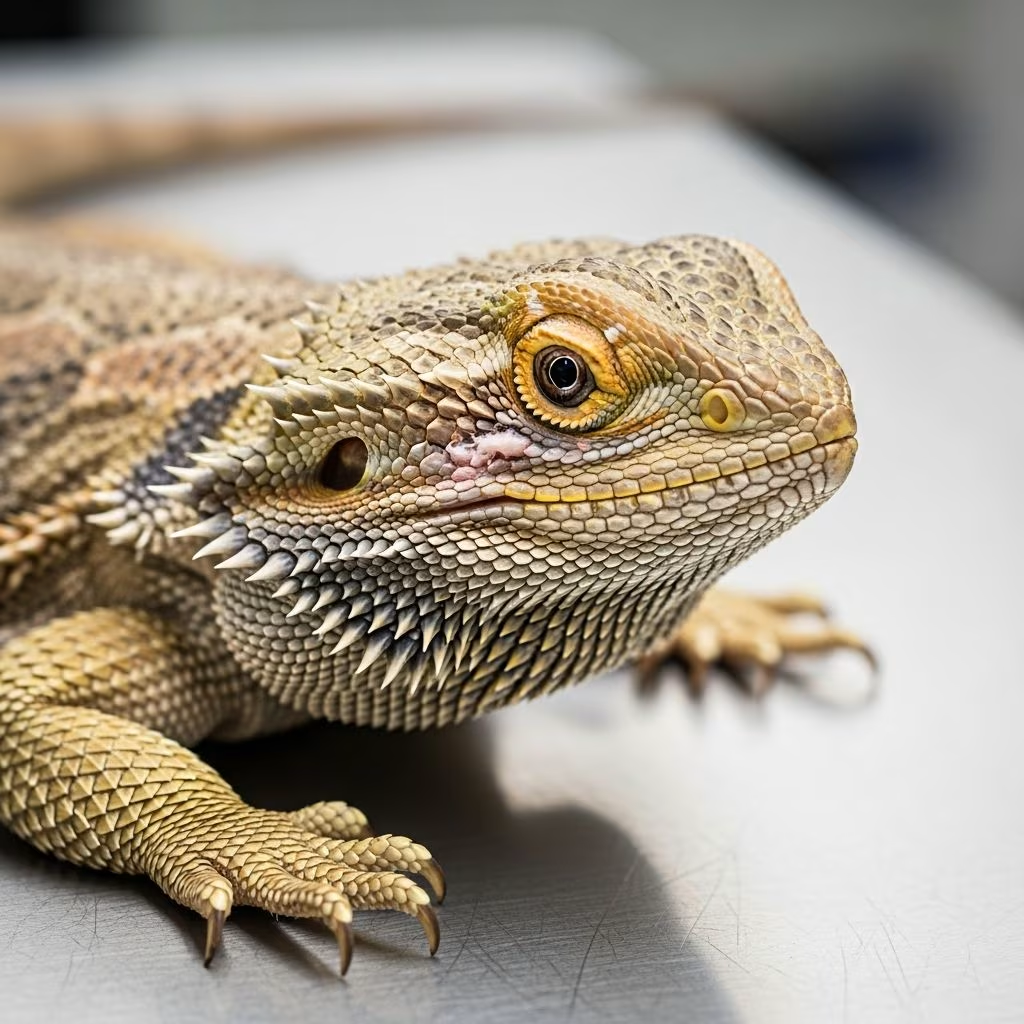
Bearded Dragons Diseases: A Comprehensive Health Guide
Bearded dragons are reasonably hardy animals when provided with proper diet, husbandry, and regular veterinary care. However, like all pets, they are susceptible to various health conditions that can range from minor to life-threatening. Understanding these common diseases, their symptoms, and treatment options is essential for any bearded dragon owner. Early detection and proper veterinary intervention can mean the difference between a healthy, thriving pet and one suffering from preventable complications.
Common Diseases of Pet Bearded Dragons
Pet bearded dragons can experience several health conditions that require immediate attention and professional care. The most prevalent diseases include CANV (yellow fungus disease), atadenovirus, metabolic bone disease, parasitic infections, infectious stomatitis (mouth rot), and respiratory infections. Each of these conditions presents unique challenges and requires specific treatment approaches. Understanding what to watch for can help you catch problems early and seek appropriate veterinary care.
Understanding CANV (Yellow Fungus Disease)
CANV, scientifically known as Chrysosporium anamorph of Nannizziopsis vreisii, represents one of the most serious fungal infections affecting bearded dragons. This aggressive and potentially fatal disease is commonly referred to as yellow fungus disease and can affect bearded dragons at any age, impacting both males and females equally.
Symptoms and Progression
The disease typically manifests as thickened yellow plaques appearing on the face, back, sides, or legs of the affected dragon. These plaques characteristically crack, peel, and bleed when not treated promptly. As the infection progresses, secondary bacterial infections from the environment and surrounding skin regions often develop. In advanced stages, affected bearded dragons begin losing weight noticeably and become visibly weak, eventually leading to severe systemic complications.
Treatment Approach
CANV necessitates aggressive veterinary treatment combining antifungal medications with antibiotic therapy to combat secondary infections. Early intervention is crucial for improving outcomes. The infection can spread rapidly if left untreated, making prompt professional examination essential.
Atadenovirus Infection in Bearded Dragons
Atadenovirus infection stands as a particularly common viral disease in young bearded dragons, though it can affect dragons of any age. This virus typically causes fatal hepatitis (liver infection) and gastrointestinal complications that can severely impact your pet’s health.
Clinical Signs and Severity
Infected bearded dragons display weakness, loss of appetite, and can die suddenly and unexpectedly. Others develop chronic infections characterized by failure to thrive, stunted growth, general weakness, potential paralysis, and periodic loss of appetite. Ultimately, affected animals pass away without proper intervention. The variability in presentation makes this disease particularly challenging to diagnose without veterinary expertise.
Transmission and Management
Atadenovirus spreads through fecal-oral contamination, with infected feces coming into contact with the mouth of other dragons. Quarantine measures and strict hygiene protocols are essential when dealing with infected animals. Treatment focuses on supportive care including fluid administration, assisted feeding, and antibiotics to manage secondary bacterial infections.
Metabolic Bone Disease (MBD)
Metabolic bone disease, also known as nutritional secondary hyperparathyroidism, represents one of the most common yet preventable diseases in pet bearded dragons. This complex condition most frequently affects juvenile bearded dragons under two years of age and results from improper nutrition and inadequate lighting conditions.
Causes and Risk Factors
MBD develops primarily from feeding diets high in phosphorus while being deficient in calcium and vitamin D3. Additionally, insufficient UVB lighting exposure contributes significantly to disease development. The combination of poor diet and inadequate light prevents proper calcium metabolism and bone development, leading to skeletal deformities.
Recognizable Symptoms
Owners should watch for several telltale signs of metabolic bone disease:
– Soft or bowed limbs that lack proper rigidity- Misshapen jaw or spine structure- Difficulty walking or climbing- Zig-zagged or bent tail appearance- Tremors or involuntary muscle contractions- Lethargy and decreased activity levels
Prevention and Treatment
Prevention remains far more effective than treatment. Ensure your bearded dragon receives proper UVB lighting for 10-12 hours daily and maintains a diet rich in calcium and vitamin D3. If symptoms develop, professional veterinary intervention is critical to manage the condition and prevent permanent skeletal damage. Treatment may include calcium supplementation, adjusted lighting protocols, and dietary modifications.
Infectious Stomatitis (Mouth Rot)
While less common in bearded dragons compared to other lizard species like iguanas, infectious stomatitis remains a serious bacterial infection affecting the gums and jawbone. This condition requires prompt treatment to prevent complications and systemic spread.
Clinical Presentation
Infected bearded dragons display pinpoint hemorrhages on the gums, gum swelling, or excessive thick mucus production. A material resembling cottage cheese may be observed in the mouth, indicating advanced bacterial colonization. In severe cases, the infection invades the jawbone, causing noticeable swelling of the jaw structure.
Treatment Requirements
Infectious stomatitis typically requires injectable antibiotics combined with antiseptic mouth rinses to eliminate the infection. Dragons experiencing severe pain that prevents normal eating may require supplemental feedings to maintain nutritional status during recovery. Without proper treatment, the condition can spread systemically and prove fatal.
Parasitic Infections in Bearded Dragons
Parasites represent a common health concern for bearded dragons, particularly those exposed to other reptiles or contaminated food sources. Multiple parasite types can affect these reptiles, each requiring specific diagnostic and treatment approaches.
Internal Parasites
Pinworms, motile protozoa (single-cell organisms), and coccidia commonly inhabit bearded dragon gastrointestinal tracts in small numbers. These parasites may exist as commensal organisms, where the parasite benefits while the lizard neither benefits nor experiences harm. However, excessive parasite populations cause significant problems including diarrhea, weight loss, and lethargy. Symptoms of parasitic infection may not be immediately obvious, making routine fecal examinations by exotic animal veterinarians crucial for early detection.
External Parasites
Mites and ticks frequently infest bearded dragon skin, transmitting between individuals through direct contact. These parasites typically appear moving around, under or between scales, around the head, and in skin folds. Identifying the parasite type through fecal examination or skin assessment determines appropriate treatment.
Parasitic Treatment Options
Treatment for internal parasitic infections utilizes several oral and injectable anti-parasitic medications selected based on the specific parasite identified through fecal examination. External parasites respond to either topical or injectable medications. Environmental cleaning, disinfection, and treatment are absolutely essential to prevent reinfection following successful treatment of the animal.
Respiratory Infections in Bearded Dragons
Respiratory infections, particularly pneumonia, can develop in bearded dragons experiencing stress, improper feeding, or poor environmental conditions including inadequate warmth and cleanliness. These infections may be caused by bacteria, viruses, fungi, or parasites, often complicated by immune system suppression from other diseases.
Contributing Factors
Stress, malnutrition, and suboptimal housing conditions significantly increase susceptibility to respiratory infections. Poor ventilation, low temperatures, and dirty enclosures create ideal conditions for pathogenic organisms to establish infections. Multiple infections can weaken the immune system, allowing bacterial invasion of the respiratory tract.
Diagnostic Methods
Respiratory infections are diagnosed using radiographs (X-rays), blood tests, and cultures of eye, nose, oral discharges, or other samples to identify the causative organism. Accurate identification ensures appropriate treatment selection.
Treatment Approaches
Bacterial respiratory infections typically respond to oral or injectable antibiotics. Severe infections may require hospitalization for aggressive therapy and supportive care including oxygen administration. For infections caused by fungi, viruses, or parasites, targeted medications addressing the specific causative agent become necessary. Treatment duration varies based on infection severity and organism type.
Preventive Measures and Proper Care
Most common bearded dragon diseases are preventable through proper husbandry and care practices. Implementing these preventive measures significantly reduces disease risk:
– Provide appropriate UVB lighting for 10-12 hours daily- Maintain proper enclosure temperatures (basking spot 95-110°F, cooler areas 75-85°F)- Offer a balanced diet rich in calcium and vitamin D3- Maintain clean, sanitary living environments- Provide regular veterinary check-ups- Quarantine new or sick dragons from healthy ones- Ensure proper hydration through misting and soaking- Minimize stress through appropriate handling and environment design
When to Seek Veterinary Care
Certain signs warrant immediate veterinary attention. Contact your exotic animal veterinarian if your bearded dragon displays loss of appetite, lethargy, abnormal fecal appearance, difficulty breathing, visible injuries or swelling, behavioral changes, or any combination of concerning symptoms. Do not attempt treatment without veterinary guidance, as improper treatment can worsen conditions and delay necessary professional intervention.
Frequently Asked Questions About Bearded Dragon Diseases
Q: Can bearded dragons recover from atadenovirus?
A: While some bearded dragons may survive atadenovirus with supportive care, many infected dragons ultimately do not thrive long-term. Recovery requires intensive supportive care including fluids, assisted feeding, and antibiotics for secondary infections. Dragons that do recover should be quarantined for at least 3 months, as the infectious period remains uncertain.
Q: How can I prevent metabolic bone disease?
A: Prevent MBD by providing 10-12 hours of proper UVB lighting daily, maintaining appropriate enclosure temperatures, feeding a calcium and vitamin D3-rich diet, and ensuring proper supplementation. Regular veterinary check-ups help catch early signs before permanent damage occurs.
Q: Is CANV (yellow fungus disease) contagious to other reptiles?
A: CANV can affect multiple reptile species, particularly other lizards. Infected bearded dragons should be housed separately and strict hygiene protocols maintained when handling to prevent transmission to other reptiles in your collection.
Q: How often should I have my bearded dragon examined for parasites?
A: Routine fecal examinations should be performed during annual veterinary check-ups for healthy adult bearded dragons. Young dragons, newly acquired dragons, or those showing signs of illness should be examined more frequently to detect parasitic infections early.
Q: What is the treatment for mouth rot in bearded dragons?
A: Infectious stomatitis typically requires injectable antibiotics combined with antiseptic mouth rinses. Severely affected dragons may need supplemental feeding if pain prevents normal eating. Prompt veterinary treatment is essential to prevent systemic complications.
Q: Can respiratory infections in bearded dragons be life-threatening?
A: Yes, untreated respiratory infections can become life-threatening, particularly in young, elderly, or immunocompromised dragons. Seek veterinary care immediately if you notice signs like labored breathing, open-mouth breathing, or wheezing.
References
- Bearded Dragons – Diseases — VCA Animal Hospitals. 2025. https://vcahospitals.com/know-your-pet/bearded-dragons-diseases
- Disorders and Diseases of Reptiles – All Other Pets — MSD Veterinary Manual. 2025. https://www.msdvetmanual.com/all-other-pets/reptiles/disorders-and-diseases-of-reptiles
- Bearded Dragon Care Sheet — PetMD. 2025. https://www.petmd.com/reptile/bearded-dragon-care-sheet
- Bearded Dragon Diseases & Essential Health Tips — ReptiFiles. 2025. https://reptifiles.com/bearded-dragon-care/bearded-dragon-illnesses-health/
- Bearded Dragon Health: Common Issues and Expert Care Solutions — Bird Exotics Vet. 2018. https://www.birdexoticsvet.com/post/2018/09/13/most-common-health-concerns-bearded-dragon



