

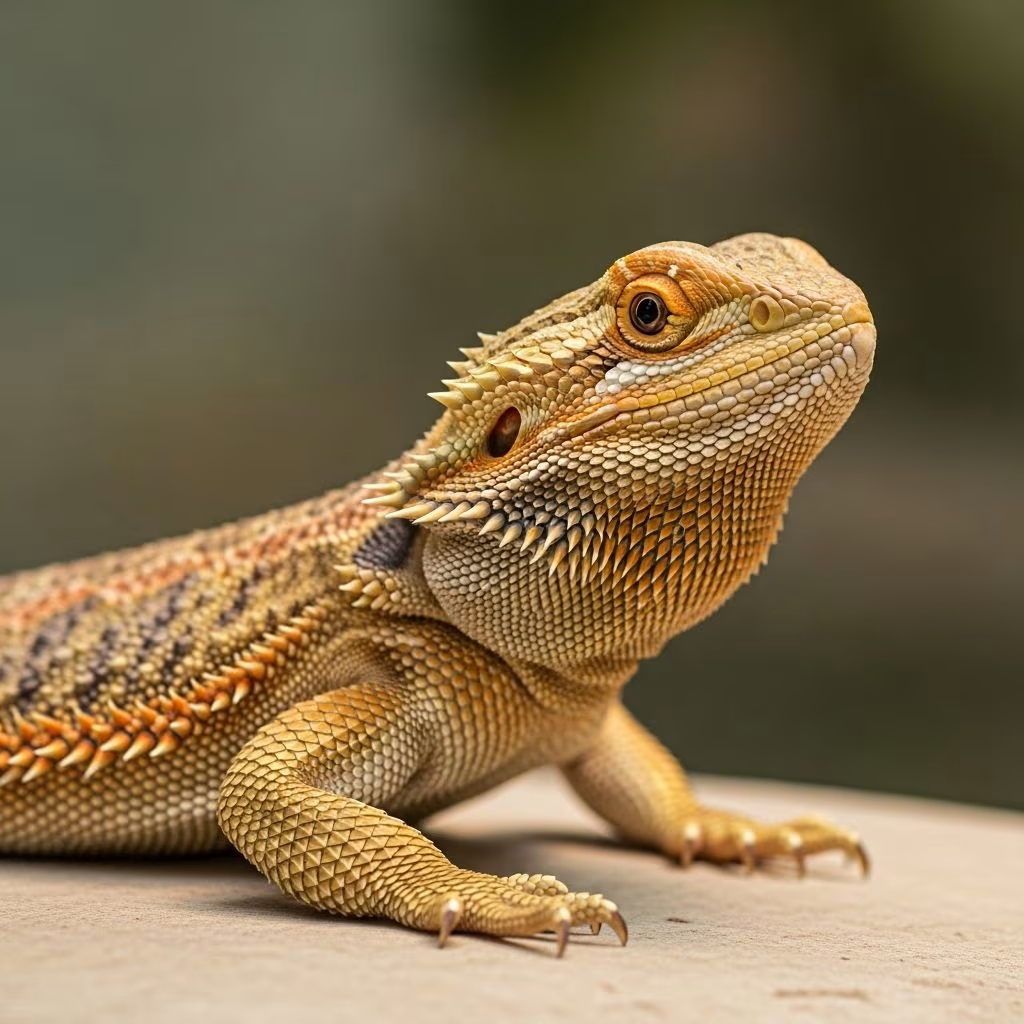
Monitoring your bearded dragon’s weight is crucial for detecting health issues early, ensuring proper growth, and preventing conditions like obesity. Healthy weights vary by age and size, with regular weigh-ins helping owners adjust care routines effectively.
Understanding Weight Variations Across Life Stages
Bearded dragons, or Pogona vitticeps, experience rapid growth in their early years, slowing as they mature. Hatchlings start tiny but gain mass quickly, while adults stabilize around a standard range. Factors like genetics, diet, and enclosure activity influence these patterns.
- Hatchlings (0-2 months): Typically 4-6 grams at birth, reaching 20-30 grams by two months with proper feeding.
- Juveniles (2-12 months): Weights climb to 100-250 grams, supporting fast skeletal development.
- Sub-adults (12-18 months): 250-400 grams as they approach maturity.
- Adults (18+ months): 350-600 grams for females; 450-700 grams for males, depending on frame size.
These ranges come from veterinary observations; individual dragons may vary slightly. Consistent tracking reveals deviations signaling nutritional imbalances or illness.
Tools and Techniques for Accurate Weighing
Use a digital kitchen scale sensitive to 1-gram increments. Weigh weekly for juveniles, bi-weekly for adults. Place your dragon in a small container to minimize stress and ensure steady readings.
| Age Group | Frequency | Ideal Weight Range (grams) | Action if Under/Over |
|---|---|---|---|
| Hatchling | Weekly | 4-30 | Vet check if <4 or stagnant |
| Juvenile | Weekly | 30-250 | Adjust insects if rapid gain |
| Adult | Bi-weekly | 350-700 | Diet tweak for obesity risks |
Record weights in a log to spot trends. Sudden drops may indicate parasites; steady increases suggest overfeeding.
Signs Your Bearded Dragon Carries Excess Weight
Obesity affects 20-30% of captive bearded dragons due to sedentary habitats and high-calorie diets. Look for rounded bellies, fat rolls near limbs, difficulty climbing, or lethargy. Excess fat pads under the jaw or tail base are telltale signs.
Health risks include fatty liver disease, reduced mobility, and shorter lifespan. Active dragons burn calories naturally; enclosure upgrades promote this.
Age-Appropriate Diet Strategies for Weight Control
Diet ratios shift with maturity to match energy needs. Insects provide protein for growth; plants offer fiber to regulate digestion.
- Hatchlings: 80-90% insects (e.g., pinhead crickets), 10-20% finely chopped greens. Feed 2-3 times daily.
- Juveniles: 70-80% insects, 20-30% veggies/fruits. Transition gradually to plants.
- Adults: 20-50% insects, 50-80% plants. Feed daily or every other day to curb calories.
Gut-load insects with nutritious veggies 24 hours prior. Dust with calcium (no D3 for plants) and multivitamins 2-3 times weekly.
Top Plant Choices for Low-Calorie Bulk
Vegetables form the diet base for adults, promoting satiety without fat gain.
- Mustard greens: Daily, nutrient-dense.
- Collard greens: Weekly staple.
- Squash: Occasional variety.
- Dandelion greens: Fresh, pesticide-free.
- Avoid: Iceberg lettuce (low nutrition, watery).
Fruit in Moderation
Limit to 10-20% of plants: Berries weekly, melon sparingly. High sugars contribute to weight gain.
Insect Selection and Portion Control
Choose dubia roaches or black soldier fly larvae over superworms (high fat). Adults: 10-20 insects daily max. Encourage foraging to boost metabolism.
Boosting Activity to Burn Fat
Enrich enclosures with branches, rocks, and hammocks for climbing. Daily out-of-cage time (supervised) mimics wild foraging. Aim for 30-60 minutes of exploration to build muscle and shed pounds.
Hide food to promote hunting; scatter veggies. UVB lighting (10-12% bulb, replaced every 6 months) supports metabolism. Temperature gradient: Basking 95-110°F, cool side 75-85°F.
Recognizing and Addressing Underweight Dragons
Thin dragons show sunken eyes, prominent ribs, or wrinkled skin. Causes: Stress, illness, improper husbandry. Increase high-protein insects, ensure hydration via baths. Vet exam rules out metabolic bone disease or parasites.
Habitat Tweaks for Metabolic Health
A 4x2x2 ft enclosure minimum for adults allows movement. Proper lighting prevents lethargy mimicking obesity. Humidity 30-40%; spot-clean daily.
When to Consult a Reptile Veterinarian
Seek pro help for 10%+ weight change in a month, refusal to eat, or abnormal stools. Annual exams catch issues early. Bloodwork assesses liver/kidney function.
FAQs
How often should I weigh my bearded dragon?
Weekly for young ones, bi-weekly for adults to track progress.
Can bearded dragons get obese?
Yes, from excess treats and inactivity; balance diet to prevent.
What if my adult weighs over 700 grams?
Reduce insects, increase veggies, add exercise; vet evaluation advised.
Best insects for weight management?
Dubia roaches or pheeder; avoid fatty superworms.
Does UVB affect weight?
Yes, proper UVB aids digestion and activity levels.
References
- 5 Ways To Help An Over Weight Bearded Dragon To Lose Weight! — LORD ELION. 2023-04-29. https://www.youtube.com/watch?v=ltdqQUyVMeY
- The Complete Bearded Dragon Diet Plan — Dragons Diet. Accessed 2026. https://dragonsdiet.com/blogs/dragon-care/the-complete-bearded-dragon-diet-plan
- How To Care For Your Bearded Dragon — RSPCA. Accessed 2026. https://www.rspca.org.uk/adviceandwelfare/pets/other/beardeddragon
- Bearded Dragon Care Guide — Clyde’s Animal Clinic. 2025-08-08. https://clydesanimalclinic.com/2025/08/08/bearded-dragon-care-guide-habitat-diet-daily-health/
- Most Common Health Concerns Bearded Dragon — Bird Exotic Vet. 2018-09-13. https://www.birdexoticsvet.com/post/2018/09/13/most-common-health-concerns-bearded-dragon
- How To Feed Your Bearded Dragon — NC State Veterinary Hospital. Accessed 2026. https://hospital.cvm.ncsu.edu/services/small-animals/nutrition/how-to-feed-your-bearded-dragon/



