

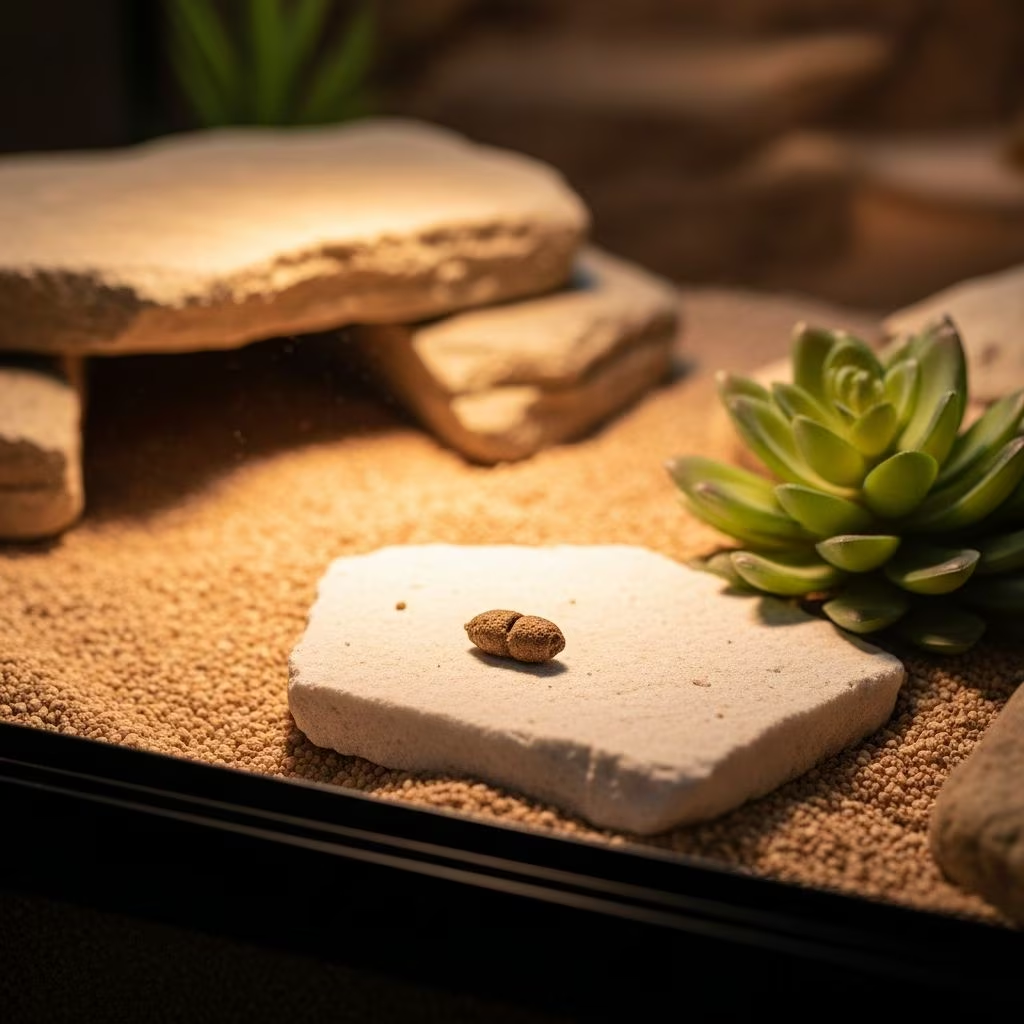
Observing your bearded dragon’s waste provides critical insights into its digestive health, hydration levels, and overall well-being. Healthy droppings typically feature a firm brown fecal segment paired with a white or yellowish urate cap, signaling proper diet and hydration. Deviations in color, texture, or frequency can indicate dietary imbalances, dehydration, parasites, or serious illnesses, making regular monitoring essential for proactive care.
Normal Characteristics of Bearded Dragon Droppings
Standard bearded dragon waste consists of two distinct components: the solid fecal matter and the urates, which serve as their urinary output since reptiles excrete uric acid rather than liquid urine. The fecal portion appears as a compact, log-shaped mass in shades of brown or dark green, with a firm yet not rock-hard consistency that holds its form. This texture often includes a slightly grainy surface from undigested insect exoskeletons or plant fibers.
The urate component, usually white or pale yellow, caps one end and remains soft and pasty, lacking any strong odor on its own. Together, these elements form an oval or elongated deposit that dries to a darker hue over time. A mild earthy smell is typical, but anything overpowering warrants attention.
- Firm brown log: Indicates balanced nutrition from insects and veggies.
- White urate cap: Sign of good kidney function and hydration.
- Log-like shape: Shows efficient digestion without blockages.
How Often Should Your Bearded Dragon Eliminate?
Elimination frequency varies significantly by age, diet, and activity. Hatchlings and juveniles, with faster metabolisms, may produce waste multiple times daily, often after feeding sessions. As they mature into adults, this drops to every 1-3 days, though some healthy individuals go up to a week without issue if conditions are optimal.
Factors influencing rhythm include:
- Age: Babies: 3-5 times/day; Adults: 2-4 times/week.
- Diet: Protein-heavy meals (e.g., insects) speed up output; greens slow it.
- Hydration and heat: Proper basking temperatures (95-110°F) and UVB exposure promote gut motility.
Track patterns in a log; irregularity beyond 7 days signals potential constipation.
Decoding Colors: What They Reveal About Health
Color shifts in waste offer diagnostic clues. While diet plays a role, persistent changes demand investigation.
| Color | Possible Cause | Action Needed |
|---|---|---|
| Brown/Dark Green | Normal; insect/veggie balance | Monitor routinely |
| Yellow Fecal | Excess calcium; liver risk | Reduce calcium/D3; vet check |
| Black/Dark | High insect diet or drying; possible bleed | Balance veggies; test if persistent |
| Green | Heavy veggies; or liver issues if runny | Observe behavior; vet if symptomatic |
| Red Streaks | Blood; injury/parasites | Emergency vet |
Yellow urates specifically may point to dehydration, appearing chalky or orange, often from low fluids or high sugars like excess bee pollen.
Texture and Consistency Warning Signs
Beyond color, feel and form matter. Ideal waste maintains structure without crumbling or splattering. Runny or liquid stools suggest diarrhea from overhydration, stress, or parasites like coccidia, which produce a foul, lingering stench capable of permeating the home. Parasitic waste often includes mucus and lacks solidity, leading to rapid dehydration if untreated.
Conversely, hard, pebble-like droppings or impaction indicate constipation from cold temps, dehydration, or substrate ingestion. A small urate puddle around firm stool is benign, reflecting high hydration. All-liquid with fecal flecks screams renal distress—seek immediate care.
Spotting Parasitic Infections Early
Intestinal parasites rank among top threats, transmitted via contaminated feeders, wild-caught insects, or shared enclosures. Common culprits like pinworms or coccidia disrupt gut lining, yielding mushy, odorous, mucus-laden waste alongside systemic signs.
Key symptoms include:
- Weight loss despite appetite.
- Lethargy or hiding.
- Anorexia or reduced eating.
- Frequent, smelly liquid stools.
Diagnosis requires fecal flotation tests; treatments involve dewormers like fenbendazole (Panacur) or toltrazuril, paired with probiotics to restore flora. Disinfect enclosures daily to prevent reinfection. Wild-captured beardies carry higher risks.
Environmental and Dietary Influences on Digestion
Suboptimal husbandry amplifies waste issues. Basking spots below 95°F slow digestion, fostering impaction. Inadequate UVB hinders calcium metabolism, risking hypercalcemia and yellow poops. Overly watery feeds like hornworms or fruits cause loose stools; counter with drier insects.
Boost regularity via:
- Warm soaks in shallow water.
- Activity encouragement through enrichment.
- Gut-loaded feeders dusted sparingly with calcium.
Hygiene Risks: Handling Waste Safely
Bearded dragon droppings harbor Salmonella, zoonotic bacteria posing risks to humans, especially immunocompromised individuals or children. Even healthy pets shed it intermittently.
Safety protocols:
- Wear gloves for spot cleaning.
- Scrub with hot soapy water or reptile-safe disinfectants.
- Wash hands thoroughly post-handling.
- Avoid face contact; supervise kids.
Daily waste removal prevents bacterial buildup and substrate contamination.
Frequently Asked Questions
Why hasn’t my bearded dragon pooped in a week?
Possible dehydration, cold enclosure, or stress from relocation. Warm baths and vet eval if over 7 days.
Is runny poop always parasites?
No—could be diet or overhydration, but stench and mucus elevate parasite suspicion. Fecal test confirms.
Can diet fix black poop?
Often yes, by adding veggies. Persistent cases need exam for bleeding or blockage.
How do I prevent dehydration in urates?
Mist veggies, offer baths, ensure water bowl access. Avoid excess sugars.
Is bearded dragon poop toxic?
Potentially via Salmonella; handle hygienically to minimize transmission.
Proactive Monitoring for Long-Term Health
Integrate waste checks into weekly routines alongside weight, appetite, and activity logs. Early detection averts crises like hepatic lipidosis or renal failure. Consult exotics vets for anomalies; armed with knowledge, you safeguard your beardie’s vitality.
References
- Bearded Dragon Poop: Everything You’ve Ever Wanted to Know — A-Z Animals. 2023. https://a-z-animals.com/animals/bearded-dragon/bearded-dragon-facts/bearded-dragon-poop/
- How Often Should a Bearded Dragon Poop? — Chewy Education. 2024. https://www.chewy.com/education/reptile-and-amphibian/bearded-dragon/how-often-should-a-bearded-dragon-poop
- Healthy VS Unhealthy Bearded Dragon Poo — YouTube (Lizard Guru). 2022-06-01. https://www.youtube.com/watch?v=x9sd9FRw83M
- The Poop Story! Is my Bearded Dragon’s Poop Normal?? — BeardedDragon-co. 2023. https://beardeddragon-co.myshopify.com/blogs/news/the-poop-story-is-my-bearded-dragons-poop-normal
- What Does Bearded Dragon Poop Look Like? — Reptile Supply. 2024. https://reptilesupply.com/blogs/bearded-dragons/what-does-bearded-dragon-poop-look-like
- Bearded Dragon Poop 101 — Reptile Networks. 2022-02-06. https://reptilenetworks.co.uk/2022/02/06/bearded-dragon-poop-101-part-1/
- 7 Signs Your Bearded Dragon May Be Sick — CareCredit. 2024. https://www.carecredit.com/well-u/pet-care/signs-bearded-dragon-sick/



