

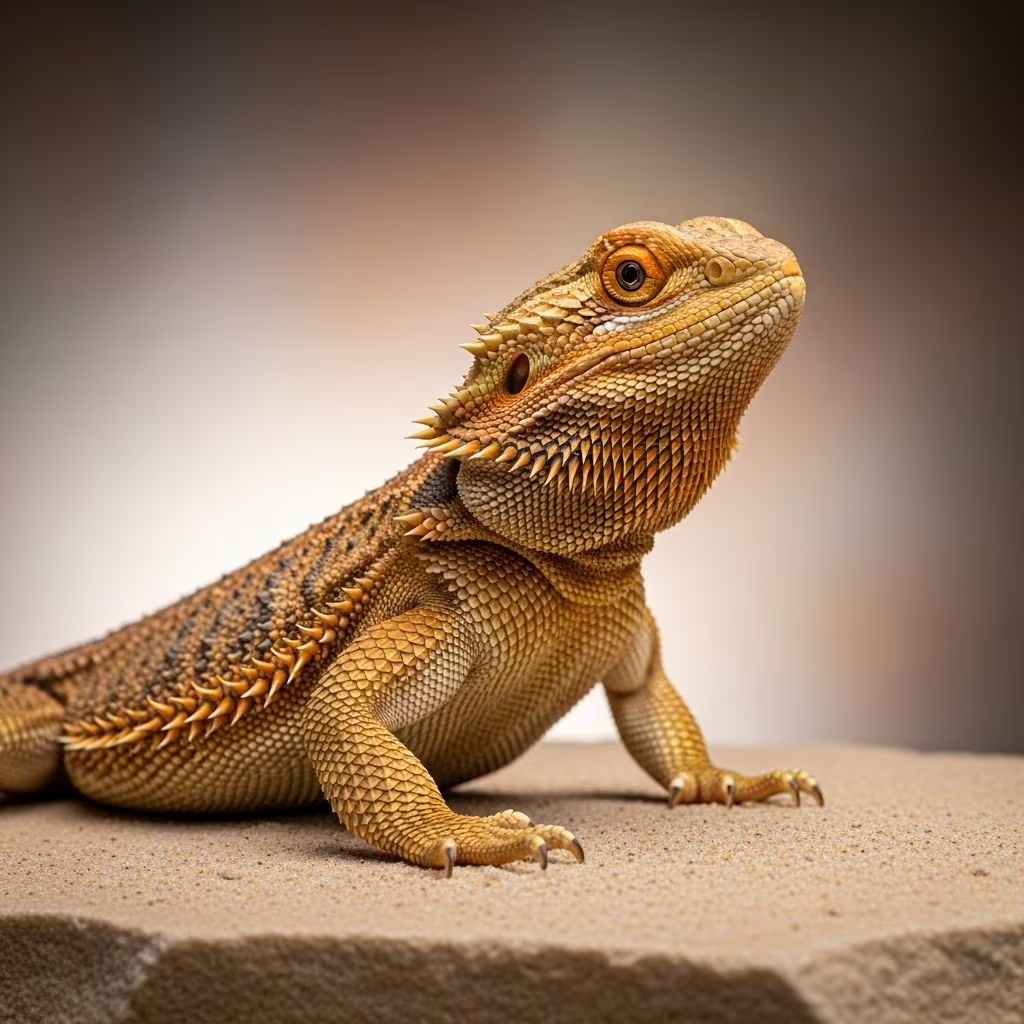
Bearded Dragon Lifespan: How Long Do They Live?
Bearded dragons are popular reptile pets known for their docile temperament and fascinating appearance. If you’re considering bringing one of these scaly companions into your home, understanding their lifespan is essential for making an informed decision. The average bearded dragon lifespan ranges from 8 to 15 years, with some individuals living even longer when provided with optimal care and living conditions. This substantial commitment requires dedication to proper husbandry, nutrition, and veterinary care to ensure your bearded dragon thrives throughout its life.
Average Bearded Dragon Lifespan
The typical lifespan of a bearded dragon in captivity is generally cited as 8 to 10 years, though many sources indicate they can live considerably longer. Research shows that with excellent care and proper environmental conditions, bearded dragons can reach 15 years of age or more. Some exceptional individuals have even been documented living into their twenties, making them a long-term commitment for any reptile enthusiast.
Several factors influence whether your bearded dragon lives on the shorter or longer end of this spectrum. The quality of care you provide from the moment you bring your dragon home significantly impacts its longevity. Genetics also play a role, as some dragons are naturally predisposed to living longer than others. Additionally, the age at which you acquire your bearded dragon matters—hatchlings and juveniles may have different lifespans than adults, depending on their early development and health status.
Factors That Influence Bearded Dragon Lifespan
Multiple factors work together to determine how long your bearded dragon will live. Understanding these elements allows you to optimize your pet’s care and potentially extend its life expectancy.
Proper Nutrition and Diet
Diet is one of the most critical factors affecting bearded dragon lifespan. A well-balanced diet supports immune function, promotes healthy growth, and prevents nutritional deficiencies that can lead to serious health problems. Adult bearded dragons should consume approximately 80% vegetables and greens, with the remaining 20% consisting of insects. Young bearded dragons have different dietary needs, requiring more protein from insects to support rapid growth.
Nutritional deficiencies, particularly calcium and vitamin D3 deficiency, can lead to metabolic bone disease—a potentially fatal condition that compromises skeletal health. Dusting insects with calcium supplements and providing a varied diet rich in leafy greens ensures your dragon receives essential nutrients. Avoid feeding your bearded dragon excessive fat, as hepatic lipidosis (fatty liver disease) can develop when dragons consume too much dietary fat, leading to anorexia, fluid buildup, and death.
Proper Habitat and Environmental Conditions
Your bearded dragon’s habitat significantly impacts its health and longevity. These reptiles require adequate space to move, exercise, and thermoregulate. A single adult bearded dragon needs a minimum of a 40-gallon tank, though larger enclosures are always preferable. Juvenile bearded dragons can start in 20-gallon tanks but should be upgraded as they grow.
Temperature control is essential for bearded dragon health. These ectothermic animals rely on their environment to regulate body temperature. A proper temperature gradient within the enclosure allows your dragon to move between warmer and cooler areas as needed. The basking spot should maintain temperatures between 95-105°F for adults, with cooler areas ranging from 75-85°F. Improper temperature control can lead to metabolic issues, digestive problems, and chronic health conditions.
Ultraviolet B (UVB) lighting is mandatory for bearded dragon survival and longevity. These reptiles require UVB exposure to synthesize vitamin D3 and absorb calcium properly. Without adequate UVB lighting, bearded dragons develop metabolic bone disease regardless of dietary calcium intake. Provide 10-12 hours of full-spectrum UVB light daily using a T5 HO linear bulb with at least 10% UVB output. Replace UVB bulbs every 6-12 months as their potency diminishes over time.
Regular Veterinary Care
Annual veterinary check-ups are crucial for maintaining your bearded dragon’s health and catching potential problems early. A reptile-specialized veterinarian can perform thorough examinations, assess your husbandry practices, and recommend improvements to your care routine. During annual visits, bring a fecal sample to screen for parasites, which can significantly impact lifespan if left untreated. Early detection and treatment of health issues often prevents minor problems from becoming life-threatening conditions.
Genetics and Age of Acquisition
Genetic factors inherited from parents influence your bearded dragon’s potential lifespan. Some lineages naturally produce longer-lived individuals, while others may be predisposed to shorter lifespans. Certain morphs, such as silkbacks, tend to have shorter lifespans and are more prone to health issues and shedding difficulties compared to standard bearded dragons.
The age and health status of your bearded dragon when acquired also matters. Hatchlings that have been eating and growing for several weeks and reach at least 5 inches in length have better survival prospects than newly hatched or struggling hatchlings. Adult dragons with established eating habits and good body condition often have more predictable lifespans than juveniles still developing.
Bearded Dragon Life Stages
Understanding the different life stages of bearded dragons helps you provide appropriate care at each developmental phase and anticipate changes in dietary and environmental needs.
Hatchling Stage (0-2 Months)
Hatchlings are the most vulnerable stage of life. Baby bearded dragons live off their resorbed yolk immediately after hatching while they acclimate to their new environment. They begin eating and growing vigorously within days of hatching. Unfortunately, not all hatchlings survive this critical stage, making it advisable to acquire bearded dragons that have already been eating and growing for several weeks.
Juvenile Stage (2 Months-1 Year)
Juvenile bearded dragons grow rapidly and require frequent feeding with a higher proportion of insects to support muscle and skeletal development. During this stage, juveniles may shed their skin monthly or more frequently as they outgrow their existing skin. Proper nutrition and UVB lighting are especially critical during the juvenile stage to prevent developmental abnormalities and metabolic bone disease.
Young Adult Stage (1-2 Years)
Bearded dragons reach sexual maturity and full adult size between 1-2 years of age. Their dietary needs shift during this transition, with vegetables and greens becoming more prominent. Growth rate slows, and shedding frequency decreases as the dragon approaches full maturity.
Adult Stage (2+ Years)
Adult bearded dragons maintain a stable diet of primarily vegetables with insects offered 1-3 times weekly. Shedding slows to approximately once or twice yearly in adults compared to the frequent shedding of juveniles. Proper diet, environmental conditions, and regular veterinary care become increasingly important for maintaining health and preventing age-related conditions.
Senior Stage (8+ Years)
Senior bearded dragons may develop age-related health issues, though many remain active and healthy well into their later years. During this stage, monitor your dragon closely for signs of declining health, arthritis, or organ dysfunction. Senior dragons may benefit from dietary adjustments and modified environmental temperatures to maximize comfort.
Common Health Issues Affecting Lifespan
Several health conditions can significantly impact bearded dragon longevity if not properly managed. Being aware of these issues allows for early intervention and treatment.
Metabolic Bone Disease
This condition results from calcium deficiency, improper phosphorus-to-calcium ratios, or insufficient UVB exposure. Metabolic bone disease causes skeletal deformities, paralysis, and can be fatal if severe. Prevention through proper diet, calcium supplementation, and adequate UVB lighting is far more effective than treatment.
Adenovirus (ADV)
Bearded dragon adenovirus is a serious viral infection that affects each dragon differently. While most infected dragons decline within a year, some may survive 4 or more years with the virus. ADV-positive dragons that survive past the first year are typically thinner and prone to additional health problems. Working with an experienced veterinarian is essential for managing ADV-positive dragons and assessing quality of life.
Hepatic Lipidosis
Fatty liver disease develops when bearded dragons consume excessive dietary fat. The body cannot process the excess fat, leading to hepatic lipid accumulation. Advanced cases cause anorexia, fluid buildup in the body, regurgitation, and death. Treatment involves dietary changes and feeding consistent amounts of low-fat foods under veterinary supervision.
Impaction
Impaction occurs when bearded dragons consume substrate, food too large for their size, or fail to defecate properly. This blockage can be life-threatening if severe. Prevention involves using safe substrates, providing appropriately-sized food items, and maintaining proper temperature gradients that support healthy digestion.
Tips for Extending Your Bearded Dragon’s Lifespan
Implementing these evidence-based strategies maximizes your bearded dragon’s chances of living a long, healthy life.
Maintain Optimal Environmental Conditions
Invest in appropriate tank size, heating equipment, and UVB lighting. Establish a proper temperature gradient and maintain humidity levels between 30-50% under normal conditions. Replace UVB bulbs regularly and monitor your dragon’s behavior to ensure temperature comfort.
Provide a Balanced, Varied Diet
Feed adults primarily vegetables with calcium-dusted insects 1-3 times weekly. Vary the types of insects offered, prioritizing species like phoenix worms with excellent calcium-to-phosphorus ratios. Gut-load feeder insects with calcium-rich food before offering them to your dragon.
Establish a Regular Cleaning Routine
Spot-clean the habitat daily, removing soiled material and uneaten food. Wash food and water bowls daily to prevent bacterial growth. Perform thorough disinfection and deep cleaning of the entire enclosure at least once weekly.
Schedule Regular Veterinary Visits
Annual check-ups with a reptile veterinarian help catch health problems early. Bring fecal samples to screen for parasites, and discuss any concerns about your dragon’s behavior, appetite, or appearance.
Monitor Shedding and Hydration
Support healthy shedding by maintaining appropriate humidity levels and providing shallow soaking baths in warm water. Soaking helps bearded dragons hydrate and facilitates easier skin shedding, particularly important for juvenile dragons that shed more frequently.
Frequently Asked Questions About Bearded Dragon Lifespan
Q: What is the maximum lifespan of a bearded dragon?
A: With exceptional care, some bearded dragons can live 20 years or longer. However, the average maximum lifespan is 10-15 years. Individual variation exists, and genetics play a significant role in determining the upper limit of your dragon’s potential lifespan.
Q: Do silkback bearded dragons live shorter lifespans?
A: Yes, silkback bearded dragons generally have shorter lifespans and are more prone to illness and shedding difficulties compared to standard bearded dragons. They require special care, including frequent baths and unique lighting requirements, which can complicate husbandry.
Q: How can I tell if my bearded dragon is living a long, healthy life?
A: Signs of a healthy bearded dragon include regular feeding and normal appetite, active behavior, smooth shedding cycles, clear eyes, and normal defecation patterns. Annual veterinary check-ups confirm your dragon’s health status and identify potential issues early.
Q: What should I do if my bearded dragon has been diagnosed with ADV?
A: Work closely with an experienced veterinarian to monitor your ADV-positive dragon’s quality of life. Some dragons can live several years with the virus, while others decline more quickly. Your veterinarian may recommend dietary adjustments, supplements, or discuss humane euthanasia if your dragon is suffering.
Q: Does the size of the tank affect how long a bearded dragon lives?
A: Yes, tank size significantly impacts lifespan. Inadequate space restricts exercise, prevents proper thermoregulation, and increases stress. A minimum 40-gallon tank for adults and appropriate larger enclosures support better health outcomes and longer lifespans.
Q: How often should I take my bearded dragon to the veterinarian?
A: Annual veterinary visits are essential for maintaining optimal health. More frequent visits may be necessary if health issues develop or if you notice behavioral changes, appetite loss, or other concerning symptoms.
References
- Bearded Dragon Care Sheet — PetMD. 2024. https://www.petmd.com/reptile/bearded-dragon-care-sheet
- The Ultimate Bearded Dragon Care Guide — ReptiFiles. 2024. https://reptifiles.com/bearded-dragon-care/
- Bearded Dragon Care Guide — Long Island Avian and Exotic Vet Clinic. 2024. https://www.birdexoticsvet.com/bearded-dragon-vet
- How To Care For Your Bearded Dragon — RSPCA (Royal Society for the Prevention of Cruelty to Animals). 2024. https://www.rspca.org.uk/adviceandwelfare/pets/other/beardeddragon



