

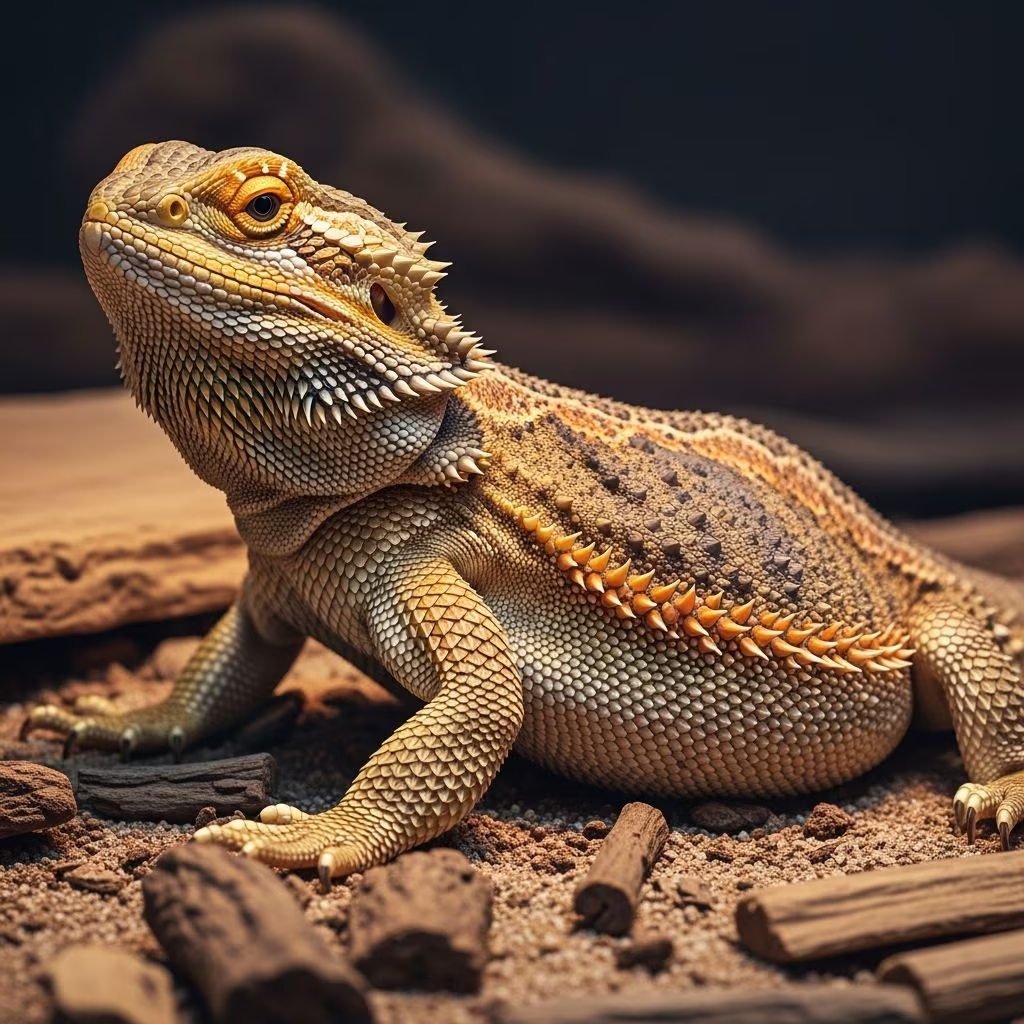
Impaction represents a critical health concern for bearded dragons, occurring when indigestible material blocks their digestive system, potentially leading to severe complications or fatality if untreated. Early detection through vigilant observation of physical and behavioral changes is vital for effective management.
Understanding the Nature of Impaction
At its core, impaction involves a hardened mass of undigested or non-digestible substances lodging in the gastrointestinal tract of bearded dragons. Unlike simple constipation, which stems from temporary digestive slowdowns due to factors like dehydration or insufficient heat, impaction forms a persistent blockage that halts normal bowel function and accumulates over time.
This condition arises primarily from the ingestion of substrates such as sand, pebbles, or walnut shells, alongside tough insect exoskeletons or oversized food items. Bearded dragons, being curious foragers, often accidentally consume these during feeding or exploration, leading to the formation of a solid clump that resists passage.
The vulnerability of a bearded dragon’s anatomy exacerbates the risks. Their spinal column lacks protective discs found in mammals, making nerves susceptible to compression from an enlarging impaction mass. This can impair mobility, particularly in the hind legs, underscoring the urgency of intervention.
Recognizing Key Symptoms
Owners must familiarize themselves with both subtle and alarming indicators of impaction to act promptly. Symptoms progress from mild discomfort to life-threatening paralysis, demanding immediate attention based on severity.
Mild Indicators
- Reduced appetite or complete refusal of food
- Absence of bowel movements for days to weeks
- Lethargy or unusually low energy levels
- Straining during attempted defecation
These early signs mimic constipation and may resolve with environmental adjustments, but persistence warrants closer monitoring.
Severe Warning Signs
- Dragging or trembling hind legs, indicating partial paralysis
- Visible lumps or bulges along the abdomen or spine
- Regurgitation of recently eaten food
- Overall immobility or unhealthy appearance, including weight loss
Such manifestations signal advanced impaction pressing on neural structures, necessitating urgent veterinary evaluation to avert permanent damage or death.
| Symptom Type | Description | Action Required |
|---|---|---|
| Mild | Lethargy, no poo | Monitor, try home remedies |
| Severe | Leg paralysis, spinal bulge | Immediate vet visit |
Primary Causes and Risk Factors
Several husbandry shortcomings contribute to impaction prevalence among captive bearded dragons. Loose particle substrates top the list, as dragons instinctively tongue-flick and ingest them while pursuing prey, forming compacted masses in the gut.
Dietary errors amplify risks: oversized feeders, excessive reliance on chitin-rich insects like superworms, or imbalanced nutrition hinder digestion. Environmental lapses, including suboptimal basking temperatures (ideally 95-110°F), inadequate UVB lighting, and dehydration, slow gut motility, promoting blockage formation.
Overfeeding exacerbates these issues, overwhelming the digestive capacity, while underlying illnesses or parasites can indirectly predispose dragons to impaction by altering gut function.
Home Management Strategies for Mild Cases
For suspected mild impaction without severe symptoms, targeted home interventions can facilitate relief while preparing for professional care.
- Warm Soaks: Submerge your dragon in shallow, lukewarm water (about 95-100°F) for 20-30 minutes daily. This hydrates the cloaca and softens the mass.
- Gentle Abdominal Massage: Using light, downward strokes from mid-belly toward the vent, encourage movement of the blockage. Combine with soaks for best results.
- Hydration Boost: Offer electrolyte solutions or pureed pumpkin (high in fiber) via syringe, ensuring proper dilution to avoid overload.
- Environmental Optimization: Verify basking spot reaches 100°F+, provide fresh water, and dust food with calcium for metabolic support.
Monitor progress closely; improvement should occur within 24-48 hours. Persistent or worsening signs demand veterinary intervention.
Professional Veterinary Interventions
When home methods fail or severe symptoms appear, exotic animal veterinarians employ diagnostics like radiographs to confirm impaction location and extent. Treatments range from mineral oil administration to lubricate passage, laxatives for motility stimulation, to surgical extraction in critical cases.
Post-treatment, vets often recommend fecal analysis to rule out parasites and bloodwork for dehydration or infection assessment. Recovery protocols emphasize strict husbandry corrections to prevent recurrence.
Proactive Prevention Measures
Preventing impaction hinges on replicating natural desert habitats with safe, digestible setups.
- Substrate Selection: Opt for tile, paper towels, or reptile carpet over loose sands to eliminate ingestion risks.
- Dietary Balance: Chop insects to appropriate sizes (head wider than prey), vary feeders (dubia roaches, crickets, silkworms), and incorporate 20-30% vegetable matter for fiber.
- Habitat Standards: Maintain gradients of 95-110°F basking, 75-85°F cool side, 12% UVB bulbs replaced quarterly, and constant humidity below 40% with daily misting.
- Feeding Practices: Feed in a separate dish to minimize substrate contact; juveniles 2-3 times daily, adults once daily.
Regular weigh-ins and poop schedule tracking enable early detection of imbalances.
Differentiating Impaction from Similar Conditions
Impaction symptoms overlap with metabolic bone disease (MBD), brumation, and parasites. MBD causes similar limb weakness but includes rubbery jaws and tremors; radiographs distinguish spinal compression from bone demineralization. Brumation involves seasonal lethargy with normal appetite upon arousal, unlike impaction’s refusal to eat. Parasite loads demand fecal exams for confirmation.
Long-Term Care for Recovered Dragons
Post-impaction dragons require tailored rehabilitation: gradual reintroduction to feeding, supplemental soaks, and husbandry audits. Owners should document baselines for future reference, fostering a proactive health routine that includes bi-annual vet checkups.
Frequently Asked Questions (FAQs)
How long can a bearded dragon go without pooping before impaction is suspected?
Juveniles should defecate every 1-2 days; adults every 3-7 days. Beyond a week without stool, especially with other symptoms, suspect issues.
Is sand safe for bearded dragon enclosures?
No, fine sands pose high impaction risks via ingestion; safer alternatives like tiles prevent this.
Can impaction be fatal?
Yes, untreated severe cases lead to paralysis, sepsis, or death due to spinal nerve damage and toxicity.
What if my dragon has leg tremors but no bulge?
This may indicate MBD or neurological issues; consult a vet for diagnostics rather than assuming impaction.
How do I safely administer mineral oil?
Only under vet guidance; typically 0.5-1ml per 100g body weight via syringe, followed by monitoring.
References
- Impaction in Bearded Dragons. What It is and What to Do About It. — Beardie Bungalow. Accessed 2026. https://beardiebungalow.com/bearded-dragon-impaction/
- Bearded Dragon Impaction: Everything You Need to Know — Dragons Diet. Accessed 2026. https://dragonsdiet.com/blogs/dragon-care/everything-you-need-to-know-about-bearded-dragon-impaction
- Impaction – ReptiFiles® — ReptiFiles. Accessed 2026. https://reptifiles.com/bearded-dragon-care/bearded-dragon-illnesses-health/impaction/
- Bearded Dragons | How to Prevent Impaction — Pet Assure. 2023-06-15. https://www.petassure.com/new-newsletters/bearded-dragons-how-to-prevent-impaction/
- Impaction & Constipation — Bearded Dragon Lady. Accessed 2026. http://www.beardeddragonlady.com/impaction.html



