

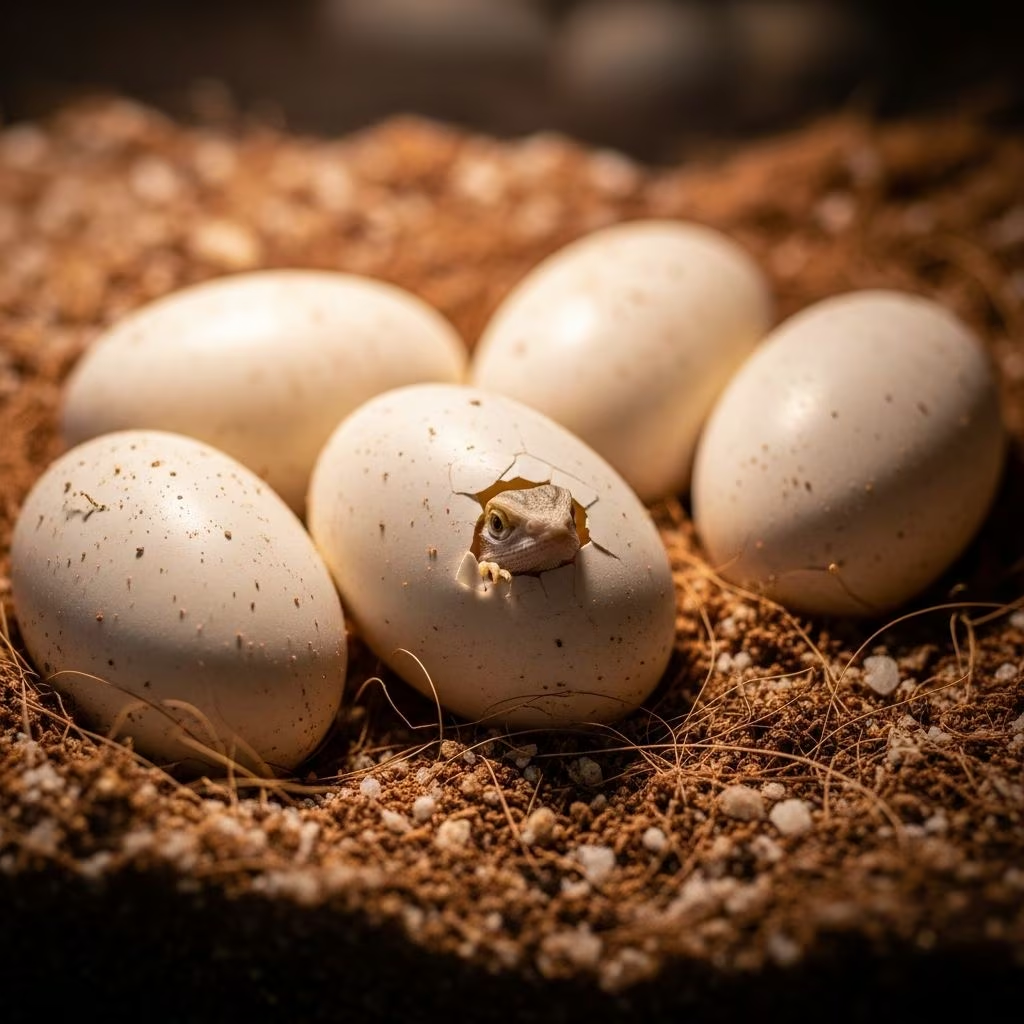
Bearded dragons, popular pet reptiles known for their docile nature, often surprise owners with egg-laying even without a mate present. Females can produce clutches of 15-35 eggs per cycle, sometimes multiple times from one mating due to sperm storage. Understanding this reproductive process is crucial for reptile enthusiasts aiming to support their pets’ health or intentionally breed.
Recognizing Reproductive Readiness in Bearded Dragons
Breeding typically occurs when bearded dragons reach maturity around 8-18 months, depending on size and health. Males display courtship by head bobbing, arm waving, and black beard darkening, while females may show submission through slower movements or arm waving. Successful mating leads to gravidity—visible egg development—in 4-6 weeks.
Signs of a gravid female include a swollen abdomen feeling like small marbles, reduced appetite, restlessness, and digging behaviors. These occur even in unfertilized cases, a natural process called follicular development. Monitor weight and belly for lumps; ultrasound from a vet confirms eggs if unsure.
- Key gravidity indicators: Bulging sides, glass-like eyes from skin stretching, frequent glass surfing.
- Timeline: Eggs form 20-40 days post-mating; laying follows 4-6 weeks later.
- Fertility note: Without male contact, eggs are infertile but still need laying to prevent health issues.
Preparing the Ideal Egg-Laying Environment
To avoid egg-binding—a dangerous condition where eggs can’t pass—provide a lay box immediately upon gravidity signs. Use a large plastic container (e.g., 10-gallon tub) fitting in the enclosure corner, filled 6-8 inches deep with moist substrate like play sand or ProRep Spider Life mix. Dampen to hold shape like a snowball, not soupy.
Place under heat but privacy-covered. Females dig tunnels, lay eggs, cover, and collapse exhausted. Offer calcium supplements, frequent soaks, and dark quiet spots to encourage laying. If no eggs in 48 hours post-digging, consult a vet for possible impaction.
| Substrate Options | Pros | Cons |
|---|---|---|
| Moist play sand | Easy digging, affordable | May dry out quickly |
| Vermiculite/sand mix | Retains moisture well | More prep time |
| Spider Life substrate | Perfect damp consistency | Costlier |
Handling Eggs Post-Laying
After laying (often 10-25 eggs per clutch), gently remove once female abandons nest. Check for fertility: infertile eggs are yellow/white, soft; fertile are white, firm, chalky. Never rotate eggs—mark top with pencil for orientation. Multiple clutches (2-4) possible 2-4 weeks apart from stored sperm.
Discard or freeze infertile eggs to halt development; burying prevents accidental hatching. For breeding, prepare incubation promptly. Females recover with high-calcium diet, rest, and no remating to avoid exhaustion—frequent laying shortens lifespan.
Incubation Setup for Maximum Hatch Success
Use a dedicated reptile incubator (small fridge-style or hobby models) at stable 82-88°F (28-31°C), ideally 84°F for 60-day hatch. Humidity 80-90% via damp vermiculite (1:1 water ratio by weight). Place eggs on top, 1-2 cm apart in dents to prevent rolling.
Monitor with separate thermometer/hygrometer; ventilate lightly. Incubation varies: 50-100 days, sex determined by temperature (lower for more females). Candling at 3 weeks checks vein development in fertile eggs.
- Prepare medium: Mix vermiculite/water until squeezable drops form.
- Arrange eggs upright as laid.
- Seal container, check daily without disturbing.
- Expect pipping (small hole) near end; beads of moisture signal imminent hatch.
The Hatching Process Explained
Around 60-90 days, eggs sink, pip with egg tooth (falls off post-hatch). Babies emerge over 1-2 days, absorbing yolk sac. Leave in incubator 24-48 hours post-pip for yolk absorption and to stimulate siblings. Healthy hatchlings are 4-6 inches, active.
Issues: Shriveled eggs (low humidity), mold (excess moisture), or stuck hatches need vet aid—never force. Success rates near 100% with stable conditions.
Care Essentials for Newborn Bearded Dragons
Hatchlings require individual 10-20 gallon setups to prevent cannibalism/nipping—house 5+ separately. Provide 12-14% UVB (e.g., T5 HO), basking 95-110°F, cool side 75-85°F. Feed 2-3x daily: tiny dubia roaches, black soldiers, greens; no loose crickets.
- Lighting: UVB essential day 1; full spectrum mimics wild UV.
- Feeding: 80% insects/20% veggies; calcium dust every meal.
- Space planning: Rearrange for growth; sell/rehome after 8 weeks.
Monitor for stuck shed, dehydration; soaks help. Growth rapid—double size in weeks.
Health Risks and Veterinary Considerations
Egg-binding risks rise in young/small females or poor setups; symptoms: lethargy, straining. Dystocia needs x-rays/surgery. Post-lay, watch for prolapse, weakness. Annual vet checks, fecal tests prevent parasites impacting breeders.
Breeding drains calcium—supplement heavily. Avoid under 400g females; rest 1 year between seasons.
FAQs on Bearded Dragon Eggs
Can female bearded dragons lay eggs without a male?
Yes, infertile eggs from follicular development; still require lay box/incubation discard.
How many eggs per clutch?
Typically 15-35; up to 25 common, multiple clutches possible.
What temperature for incubation?
82-88°F (28-31°C); 84°F yields ~60 days, mixed sexes.
When to separate hatchlings?
Immediately; group housing causes injuries.
Is breeding recommended for beginners?
Research thoroughly; plan for 40+ babies, costs, rehoming.
Common Mistakes to Avoid
- Turning eggs—kills embryos.
- Dry substrate—causes shriveling.
- Overcrowding babies—leads to nipping.
- Ignoring gravidity—egg-binding fatal.
References
- ReptiFiles: Bearded Dragon Egg Laying — ReptiFiles. 2023. https://reptifiles.com/bearded-dragon-care/bearded-dragon-illnesses-health/egg-laying/
- How to Breed Bearded Dragons — Our Reptile Forum. 2022. https://ourreptileforum.com/community/threads/how-to-breed-bearded-dragons.3725/
- Breeding Bearded Dragons – Mating to Egg Laying — My Bearded Dragons UK. 2021. http://www.mybeardeddragons.co.uk/breeding.html
- How to Incubate Bearded Dragon Eggs — Reptile Centre. 2024. https://www.reptilecentre.com/blogs/reptile-blog/how-to-incubate-bearded-dragon-eggs-the-easy-way
- Egg Care — Bearded Dragon Lady. 2020. http://www.beardeddragonlady.com/egg-care.html



