
Bearded Dragon Care Sheet: Complete Guide
Master bearded dragon care with expert guidance on housing, heating, diet, and maintenance.
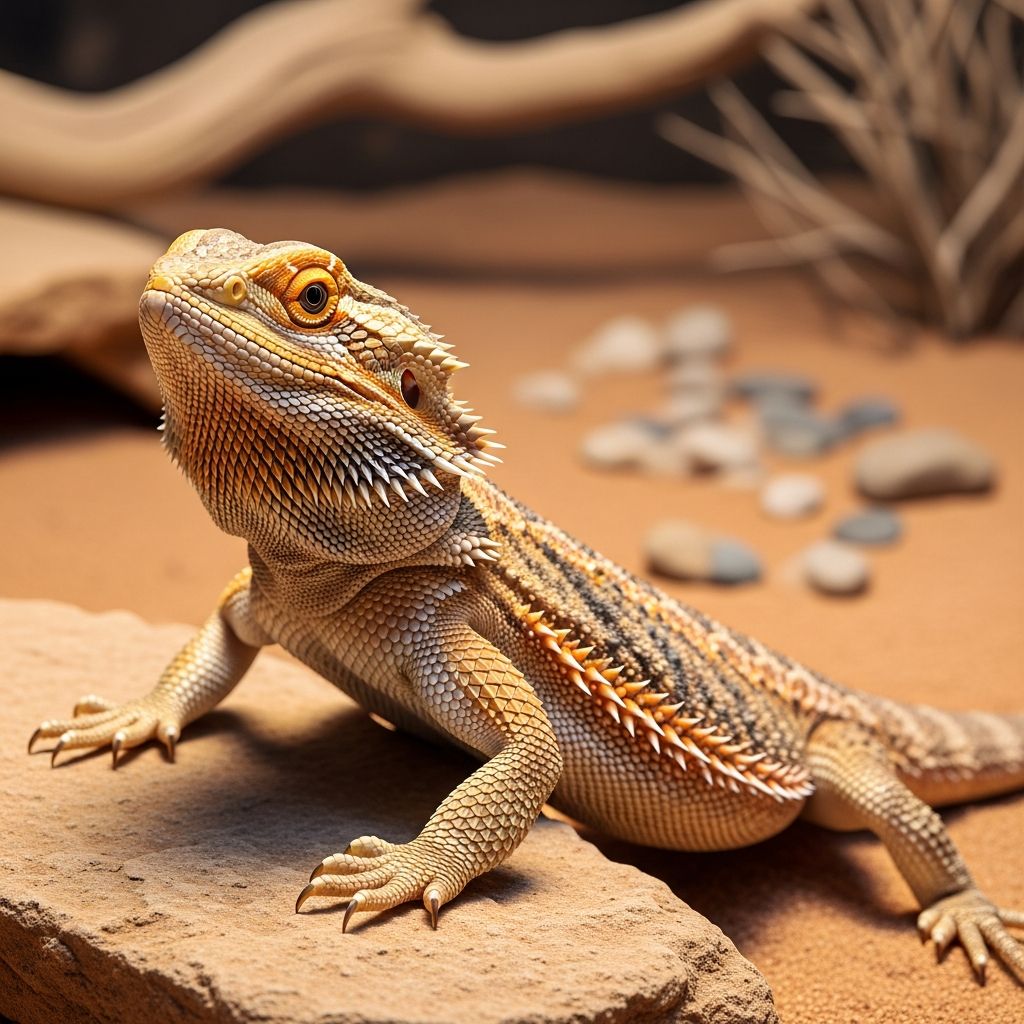
Bearded Dragon Care Sheet
Bearded dragons make excellent pets for reptile enthusiasts of all experience levels. These fascinating creatures require specific care conditions to thrive in captivity. This comprehensive care sheet covers all essential aspects of bearded dragon husbandry, from housing requirements to dietary needs and health maintenance.
Housing and Enclosure Requirements
Providing an appropriate habitat is fundamental to your bearded dragon’s health and well-being. The size of the enclosure directly impacts your pet’s ability to exercise and maintain proper thermoregulation. A single adult bearded dragon should be housed in a large tank that’s at least 40 gallons, allowing the lizard adequate space to run and exercise comfortably. This minimum size ensures your beardie has room to move naturally and display normal behavioral patterns.
The enclosure layout should include distinct temperature zones. Your bearded dragon will need access to both warm and cool areas, allowing them to thermoregulate by moving between zones as needed. Consider using a 40-gallon breeder tank or larger enclosures like 75-gallon or 90-gallon aquariums for adult bearded dragons. The horizontal space matters more than height, as bearded dragons are terrestrial and don’t climb extensively.
Heating and Lighting Requirements
Proper heating and lighting are critical components of bearded dragon care. These elements directly affect your pet’s metabolism, calcium absorption, and overall health. Without appropriate thermal conditions, bearded dragons cannot digest food effectively or maintain immune function.
Temperature Gradient
Maintaining the correct temperature gradient throughout the enclosure is essential for your beardie’s physiological functions. The daytime temperature should range from 75°F to 85°F across the enclosure, with a basking area maintained between 90°F to 100°F. This warm zone allows your bearded dragon to increase their body temperature, which is necessary for proper metabolism and digestion. The nighttime temperature should never drop below 70°F. Digital thermometers and infrared temperature guns are excellent tools for monitoring and maintaining proper heat distribution throughout the tank.
Heat Sources
A basking area equipped with a basking bulb or ceramic heat emitter provides the warm zone your beardie needs. Avoid using heat rocks, as their temperature is not easily controlled and may burn your pet’s delicate skin. Instead, position a basking lamp above a natural stone or piece of slate to create an optimal basking spot. The bulb should be fitted with a wire mesh guard to prevent direct contact burns.
UVB Lighting
UVB light is absolutely necessary for your reptile to absorb and metabolize calcium properly. Bearded dragons require 10 to 12 hours of UVB emitting light daily. Quality brands such as Reptisun® or Exo Terra provide appropriate UVB spectrum lighting. Since UV lights differ in intensity, follow the manufacturer’s recommendations on bulb placement relative to your beardie, typically positioning the light 8 to 10 inches above the basking area.
UV bulbs gradually lose their effectiveness over time, even when still emitting visible light. Replace your UVB bulb every six months to ensure your bearded dragon receives adequate UVB exposure. This regular replacement schedule is crucial for maintaining proper calcium metabolism and preventing metabolic bone disease.
Humidity Levels
Humidity should be maintained between 35 to 50% throughout the enclosure. This moisture level supports healthy shedding cycles and respiratory function. If you notice shedding difficulties, particularly on the feet, adjusting hydration and humidity levels often resolves the issue. You can lightly spray the digging box to create an area of localized humidity without elevating humidity throughout the entire vivarium.
Water Requirements
Providing fresh, clean water is essential for your bearded dragon’s hydration and health. Always keep a shallow water dish available in the cool end of the enclosure. The dish should be shallow enough for your lizard to see easily into and drink from, and large enough to allow soaking if needed. Replace the water daily and immediately if it becomes soiled.
Bearded dragons absorb water through their skin to maintain hydration. Weekly soaking in lukewarm water helps keep your dragon properly hydrated and supports healthy shedding cycles. Soak your bearded dragon in a large, shallow container of warm water for 10 to 15 minutes, ensuring the container is wide enough to allow the lizard to submerge its entire body while keeping its head above water.
Substrate and Enclosure Setup
Choosing appropriate substrate is important for both aesthetics and your bearded dragon’s health. Healthy adult dragons can use sand substrate or a sand/soil mixture. Always use reptile-safe sand such as clean children’s play sand rather than builders’ sand, which contains sharp edges that can harm your pet.
Alternative substrate options include stone tiles with rough surfaces or natural slate pieces. These non-loose substrates make cleaning easier but prevent your dragon from performing natural digging behaviors. If using slate tiles as your main substrate, provide a separate digging box filled with sand or soil mixture to allow natural behaviors.
Include enrichment elements such as stones and branches for climbing, creating an engaging environment. Provide hides at both ends of the vivarium—a warm hide near the basking area and a cool hide at the opposite end—so your bearded dragon can feel secure and thermoregulate effectively.
Feeding and Nutrition
Proper nutrition is vital for maintaining your bearded dragon’s health throughout its lifetime. The dietary requirements change as your dragon grows from juvenile to adult stages. Adult bearded dragons should be fed salad and vegetables daily and fed live prey three to four times per week.
Live Food Requirements
Animal matter should make up approximately 20% of the adult dragon diet. Offer appropriately sized crickets (body length about two-thirds the size of the dragon’s head), earthworms, superworms, and dubia roaches. Feed a variety of live invertebrates such as crickets, locusts, and calciworms, no bigger than the size of the dragon’s mouth. Always remove uneaten livefood from the vivarium, as some insects can bite your dragon.
Before feeding, dust your bearded dragon’s insects with a powdered supplement containing calcium and vitamin D3. To dust insects efficiently, place insects in a bag or disposable plastic container along with powdered supplement, then shake lightly until insects are coated evenly. Feeder insects should also be gut-loaded with vitamins and minerals by offering them an appropriate formulated gut-loading diet 24 to 48 hours prior to feeding them to your beardie. This ensures maximum nutritional transfer to your pet.
Vegetables and Greens
Vegetables and greens should comprise a significant portion of your adult bearded dragon’s diet. Offer a variety of nutrient-dense vegetables daily. Dark leafy greens such as collard greens, mustard greens, and kale provide essential minerals and vitamins. Include other vegetables like squash, carrots, and bell peppers for variety and nutritional diversity.
Fruits and Treats
Fruit should make up no more than five percent of the diet and should include nutrient-dense items such as papaya, melon, and banana. Offer non-toxic flower blossoms such as hibiscus as occasional treats. Avoid lightning bugs, as they are toxic to bearded dragons.
Cleaning and Maintenance
Maintaining proper sanitation is crucial for preventing bacterial infections and parasites in your bearded dragon’s environment. Establish a regular cleaning schedule to keep the habitat hygienic.
Daily Cleaning Tasks
Spot-clean the enclosure daily by removing any soiled material and discarded food. Water and food bowls need to be washed daily to prevent bacteria from forming. This daily maintenance prevents the buildup of waste and reduces disease risk. Always wash your hands before and after handling a bearded dragon or its habitat’s contents, as all reptiles are potential carriers of infectious diseases.
Weekly Deep Cleaning
A bearded dragon habitat must be disinfected and cleaned thoroughly at least once a week, or more often if more than one bearded dragon lives in the same habitat. Follow these steps for comprehensive cleaning:
Cleaning Process:
Move the bearded dragon to a secure environment. Remove any old substrate, decor, and accessories from the habitat. Scrub the empty tank and any furnishings with a reptile habitat cleaner or 3% bleach solution. Allow the bleach solution to remain on surfaces for at least 10 minutes to ensure proper disinfection. If using a commercial habitat cleaner, follow the manufacturer’s instructions carefully.
Rinse the habitat and all accessories thoroughly with water, ensuring complete removal of any trace amounts or residual smells left by the cleaning agent or bleach solution. Allow the habitat and its contents to dry completely before placing new substrate and clean accessories back into the enclosure. Return your bearded dragon to the clean habitat only once everything is completely dry.
Shedding and Hydration
Bearded dragons shed their skin regularly throughout their lives. Shedding is a normal process, but improper humidity and hydration can cause difficulties. Keep your habitat’s humidity levels between 30% to 50% to encourage healthy shed cycles.
Poor shedding on the feet can cut off blood supply and lead to toe loss. However, if your dragon is well hydrated, this should not occur. Most shedding issues can be corrected by adjusting hydration and humidity levels. Regular soaking in warm water helps soften skin and facilitates easier shedding.
Handling and Socialization
Proper handling techniques are important for both your safety and your bearded dragon’s comfort. When bringing your new dragon home, set up the vivarium and run it for a minimum of one week before introduction. This allows time to adjust heating, lighting, and humidity before your animal arrives.
On the first day, carefully allow your dragon to climb into the vivarium. Leave your beardie with food and water but with no further interaction until the following day to reduce stress and allow exploration. Avoid unnecessary handling for the first week, allowing your dragon time to become accustomed to their surroundings.
When handling your bearded dragon, limit time outside the vivarium to approximately 10 to 15 minutes, depending on air temperature, to prevent your dragon’s core temperature from dropping excessively. Keep other pets separate regardless of how trustworthy they have been previously. If contained safely in a secure pen, your bearded dragon can be taken outdoors on bright summer days for natural UV exposure and enrichment, but ensure access to shade and constant supervision.
Enrichment and Natural Behaviors
Providing opportunities for natural behavior in captivity, called enrichment, is important for your bearded dragon’s psychological well-being. Provide stones and branches for climbing to encourage natural movement patterns. Include a hide at both ends of the vivarium so your bearded dragon can feel secure in different temperature zones.
In the cool end, a box such as a plastic tub with an entrance cut in the top and filled with a sand/soil mixture provides opportunities for digging. This allows your bearded dragon to engage in natural burrowing behaviors. Rotating decorations and rearranging the enclosure occasionally provides mental stimulation.
Common Health Concerns
Understanding common health issues helps you recognize potential problems early. Metabolic bone disease results from inadequate UVB exposure or calcium intake and causes weakened bones and abnormal growth. Respiratory infections can develop from improper humidity or temperature conditions. Poor shedding indicates hydration or humidity issues.
If you notice behavioral changes, loss of appetite, abnormal shedding, or physical signs of illness, consult with a specialist reptile veterinarian immediately. Regular veterinary check-ups support your bearded dragon’s long-term health and catch potential problems before they become serious.
Frequently Asked Questions
Q: What size enclosure does an adult bearded dragon need?
A: A single adult bearded dragon should be housed in a large tank that’s at least 40 gallons to allow comfortable movement and exercise.
Q: How often should I replace the UVB bulb?
A: UVB bulbs should be replaced every six months, as they lose their UVB properties over time even while still emitting visible light.
Q: How many hours of UVB light do bearded dragons need daily?
A: Bearded dragons need 10 to 12 hours of UVB emitting light daily from quality brands like Reptisun or Exo Terra.
Q: What is the ideal basking temperature for bearded dragons?
A: The basking area should be maintained between 90°F to 100°F to allow proper thermoregulation and metabolism.
Q: How often should I clean my bearded dragon’s habitat?
A: Spot-clean daily by removing soiled material and discarded food, wash food and water dishes daily, and perform thorough disinfection and cleaning weekly or more often.
Q: What should I feed my adult bearded dragon?
A: Adult bearded dragons should be fed salad and vegetables daily, with live prey such as crickets or dubia roaches three to four times per week. Animal matter should comprise about 20% of the diet with vegetables making up the remainder.
Q: How often should I soak my bearded dragon?
A: Soak your bearded dragon in lukewarm water once weekly to support hydration and healthy shedding cycles. Each soaking session should last approximately 10 to 15 minutes.
References
- Bearded Dragon Care Recommendations — MedVet. Accessed 2025-11-28. https://www.medvet.com/bearded-dragons-history-care-recommendations/
- Bearded Dragon Care Sheet — PetMD. Accessed 2025-11-28. https://www.petmd.com/reptile/bearded-dragon-care-sheet
- How To Care For Your Bearded Dragon — RSPCA. Accessed 2025-11-28. https://www.rspca.org.uk/adviceandwelfare/pets/other/beardeddragon
- Bearded Dragon Care Sheet — Chewy. Accessed 2025-11-28. https://www.chewy.com/education/reptile-and-amphibian/general/bearded-dragon-care-sheet
- What Do Bearded Dragons Eat? — PetMD. Accessed 2025-11-28. https://www.petmd.com/reptile/nutrition/what-do-bearded-dragons-eat
Similar Articles








Read full bio of medha deb


