

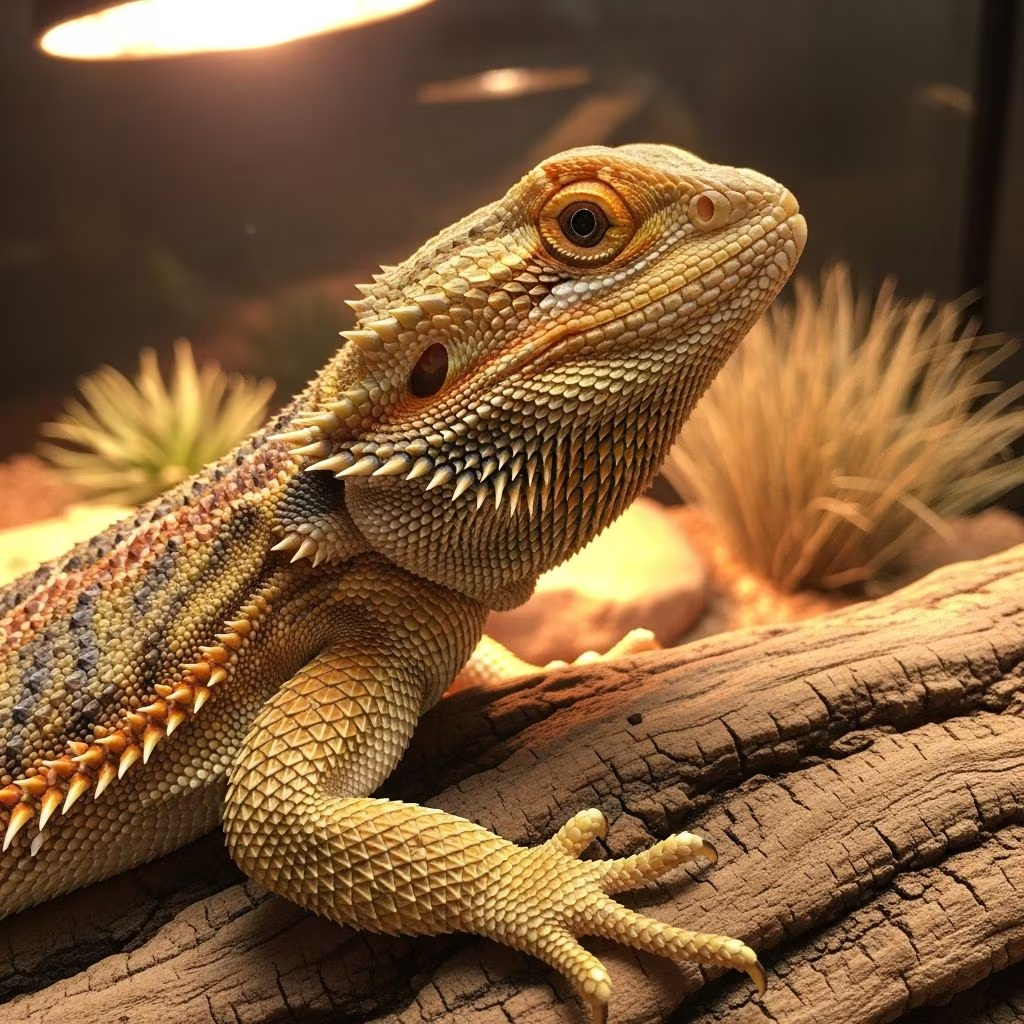
Bearded Dragon Care Sheet: Your Complete Guide to Raising a Healthy Pet
Bearded dragons have become one of the most popular pet reptiles due to their docile temperament, manageable size, and fascinating behavior. Whether you’re a first-time reptile owner or an experienced enthusiast, understanding proper bearded dragon care is essential to ensure your pet thrives. This comprehensive care sheet covers everything you need to know about housing, feeding, lighting, handling, and maintaining a healthy bearded dragon.
Housing and Enclosure Requirements
Providing appropriate housing is the foundation of quality bearded dragon care. Your bearded dragon needs adequate space to move, climb, and bask comfortably throughout the day.
Tank Size and Setup
A single adult bearded dragon should be housed in an enclosure that’s at least 40 gallons, providing sufficient space for the lizard to run and exercise comfortably. The tank should be longer rather than taller, as bearded dragons are terrestrial and spend more time on the ground and on horizontal surfaces than climbing vertically. Many experienced keepers recommend 75-120 gallon breeder tanks or 48-inch terrariums for adult bearded dragons to provide optimal space.
Substrate Selection
Choose a safe, non-toxic substrate for the tank floor. Suitable options include:
- Reptile carpet
- Tile or slate
- Paper-based bedding
- Coconut husk (avoid for younger dragons)
Avoid substrates like sand, gravel, or cedar, as these can cause impaction or respiratory issues. When cleaning, spot-clean daily and perform a thorough substrate change weekly or as needed.
Décor and Enrichment
Your bearded dragon’s habitat should include enriching elements that encourage natural behavior:
- Basking rocks or branches that are sturdy enough to support their body weight without toppling
- Climbing branches and logs for exploration
- Hiding spots to provide security and reduce stress
- Shallow water dish for drinking and soaking
All décor must be securely positioned and large enough to support your bearded dragon’s full body weight to prevent injury.
Temperature and Lighting
Proper temperature gradients and lighting are critical for your bearded dragon’s health and wellbeing. These reptiles require specific environmental conditions to digest food, synthesize vitamins, and maintain normal metabolic function.
Temperature Gradient
Bearded dragons need a temperature gradient within their enclosure, allowing them to thermoregulate:
- Basking spot: 95-110°F (35-43°C)
- Warm side: 80-90°F (27-32°C)
- Cool side: 75-80°F (24-27°C)
- Nighttime: 70-75°F (21-24°C)
Use an under-tank heater, heat tape, or ceramic heat emitter on a thermostat to maintain these temperatures safely. Monitor temperatures daily with a reliable thermometer to ensure proper conditions.
UVB Lighting Requirements
UVB lighting is mandatory for bearded dragon health. These rays enable your dragon to synthesize vitamin D3, which is essential for calcium absorption and bone development. Without adequate UVB exposure, bearded dragons can develop metabolic bone disease, a serious and potentially fatal condition.
Here are the UVB lighting specifications:
- Duration: 10-14 hours daily
- Bulb type: T5HO linear or T8 tubes recommended; avoid coil bulbs
- UVB strength: At least 10% output
- Replacement schedule: Every 6-12 months, as potency diminishes over time
- Distance: Follow manufacturer recommendations for bulb placement to ensure adequate UVB reaches your dragon
Full-spectrum lighting sources like Reptisun 10.0 or Arcadia 12% tubes provide excellent UVB for bearded dragons.
Feeding and Nutrition
A well-balanced diet is crucial for your bearded dragon’s growth, energy, and longevity. Dietary needs change significantly based on age, requiring different ratios of protein and vegetables.
Diet Composition by Age
Bearded dragons have different nutritional requirements at various life stages:
| Age Group | Insects | Vegetables/Greens | Feeding Frequency |
|---|---|---|---|
| Babies (under 4 months) | 60-80% | 20-40% | 2-3 times daily |
| Juveniles (4-12 months) | 50% | 50% | Once to twice daily |
| Adults (12+ months) | 20% | 80% | 2-4 times weekly |
Live Insect Options
Provide appropriately-sized insects that are no larger than the space between your bearded dragon’s eyes. Suitable insects include:
- Crickets: Young dragons 20-60 daily; adults 3-5 per feeding
- Dubia roaches: 3-5 large for adults
- Superworms: 5-7 large for adults
- Mealworms: Occasional treat only
- Hornworms: Nutritious and well-liked
Always dust insects with a calcium supplement before feeding. For babies and juveniles, dust insects daily with calcium/vitamin D3 supplement five times weekly, and dust all insects twice weekly with a multivitamin supplement.
Vegetables and Greens
Dark, leafy greens should comprise the bulk of adult bearded dragons’ diets. Suitable vegetables include:
- Collard greens
- Mustard greens
- Dandelion greens
- Endive
- Squash
- Bell peppers
- Carrots
- Broccoli
Offer fresh salads daily to adults and juveniles. Spray greens with water to keep them fresh longer and provide additional hydration.
Supplements and Hydration
Calcium supplementation is vital for preventing metabolic bone disease. Dust food with a calcium supplement (without D3 if you’re using UVB light) about 3-5 times weekly. Provide a multivitamin supplement twice weekly to ensure complete nutrition.
While bearded dragons obtain most hydration from their food, provide fresh water daily in a shallow dish large enough for soaking. Some owners also mist the enclosure or offer water droplets on their dragon’s snout to encourage drinking.
Handling and Temperament
Bearded dragons are renowned for their calm temperament and tolerance of handling, making them excellent pets for families. However, proper handling techniques are essential to keep your dragon comfortable and safe.
Safe Handling Practices
Follow these guidelines when handling your bearded dragon:
- Support their body: Always use both hands to support their body, belly, and legs when picking them up
- Start slow: For new dragons, begin with brief handling sessions and gradually increase duration as they acclimate
- Watch for stress: Bearded dragons puff out and darken their beard when feeling threatened or stressed—allow time to adjust
- Gentle approach: Move slowly and speak softly to keep your dragon calm
- Wash hands: Always wash your hands before and after handling to prevent disease transmission
Behavioral Understanding
Understanding your bearded dragon’s body language helps you provide better care and handling. Key behaviors include:
- Puffed beard: Sign of stress, territorial display, or feeling threatened
- Head bobbing: Often associated with territorial or dominance displays
- Arm waving: Typically a submissive gesture
- Basking with eyes closed: Normal relaxed behavior
- Tail curling: Can indicate stress or contentment depending on context
Cleaning and Maintenance
Regular maintenance is essential for preventing disease and keeping your bearded dragon healthy. Establish a consistent cleaning schedule to maintain habitat hygiene.
Daily Tasks
- Remove uneaten food and spot clean waste from the enclosure
- Change and wash water dishes with fresh water
- Inspect your bearded dragon for signs of illness or injury
- Monitor temperature and lighting equipment
Weekly Deep Cleaning
Perform thorough habitat cleaning at least once weekly (more frequently if housing multiple dragons):
- Move the bearded dragon to a secure temporary location
- Remove old substrate, décor, and accessories
- Scrub the tank and furnishings with reptile habitat cleaner or 3% bleach solution
- Allow bleach to sit for at least 10 minutes for proper disinfection
- Rinse thoroughly multiple times to remove all trace bleach or cleaner
- Allow everything to dry completely before reassembling
- Return your bearded dragon to the clean habitat
Shedding and Bathing
Bearded dragons shed their skin regularly, and proper humidity levels support healthy shedding. Maintain humidity between 30-50%. Regular soaking helps facilitate the shedding process and keeps your dragon hydrated:
- Bathe your bearded dragon 3+ times weekly in warm water
- Water temperature should feel warm on your wrist, not hot
- Soak depth should reach approximately their chest or midway up their front legs
- Soak duration: 15-20 minutes is recommended
- Increase frequency to daily if your dragon shows signs of dehydration
Common Health Issues and Prevention
While bearded dragons are generally hardy, several health concerns can arise without proper care.
Metabolic Bone Disease (MBD)
This serious condition results from inadequate UVB exposure or poor calcium:phosphorus ratios. Symptoms include soft jaws, swollen limbs, and lethargy. Prevention requires consistent UVB lighting and proper calcium supplementation.
Parasites
Internal parasites like pinworms can affect bearded dragons. Regular veterinary check-ups and maintaining a clean enclosure help prevent parasitic infections. Ensure new dragons are screened by a reptile veterinarian.
Respiratory Infections
Improper temperature or humidity can lead to respiratory issues. Maintain correct temperature gradients and avoid substrates that produce dust or mold.
Frequently Asked Questions (FAQs)
Q: How long do bearded dragons live?
A: With proper care, bearded dragons typically live 10-15 years, with some reaching 20 years in captivity.
Q: Can bearded dragons be housed together?
A: Adult bearded dragons are generally solitary and should be housed individually to prevent stress and aggression.
Q: What is the ideal humidity level for bearded dragons?
A: Maintain humidity between 30-50% to support healthy shedding and overall health.
Q: How often should I take my bearded dragon to the vet?
A: Schedule annual check-ups with a reptile veterinarian. Young dragons and those showing symptoms should be seen more frequently.
Q: Can bearded dragons eat fruits?
A: Yes, fruits like berries and melon can be offered occasionally as treats, but they shouldn’t constitute a regular part of the diet due to their sugar content.
Q: What should I do if my bearded dragon isn’t eating?
A: Loss of appetite can indicate stress, illness, or improper environmental conditions. Check temperatures and lighting, and consult a reptile veterinarian if the issue persists.
References
- Bearded Dragon Care Guide for Beginners: Housing, Diet, and Basics — New Age Pet. 2024. https://newagepet.com/blogs/learning-center/bearded-dragon-care
- Bearded Dragon Care Sheet — PetMD. 2024. https://www.petmd.com/reptile/bearded-dragon-care-sheet
- Bearded Dragon Care Guide — BeWild Rescue Community. 2024. https://community.morphmarket.com/t/bearded-dragon-care-guide/39833
- Care Sheet — Bearded Dragon Organization. 2024. https://www.beardeddragon.org/resources/bearded-dragons-care-sheet.1/
- 2025 Bearded Dragon Care Tips: A Guide for New Owners — Live Oak Veterinary Hospital. 2025-01-15. https://liveoakvet.com/2024/01/15/bearded-dragon-care/
- Bearded Dragon Care Guide — Long Island Avian and Exotic Vet Clinic. 2024. https://www.birdexoticsvet.com/bearded-dragon-vet
- The Ultimate Bearded Dragon Care Guide — ReptiFiles. 2024. https://reptifiles.com/bearded-dragon-care/



