

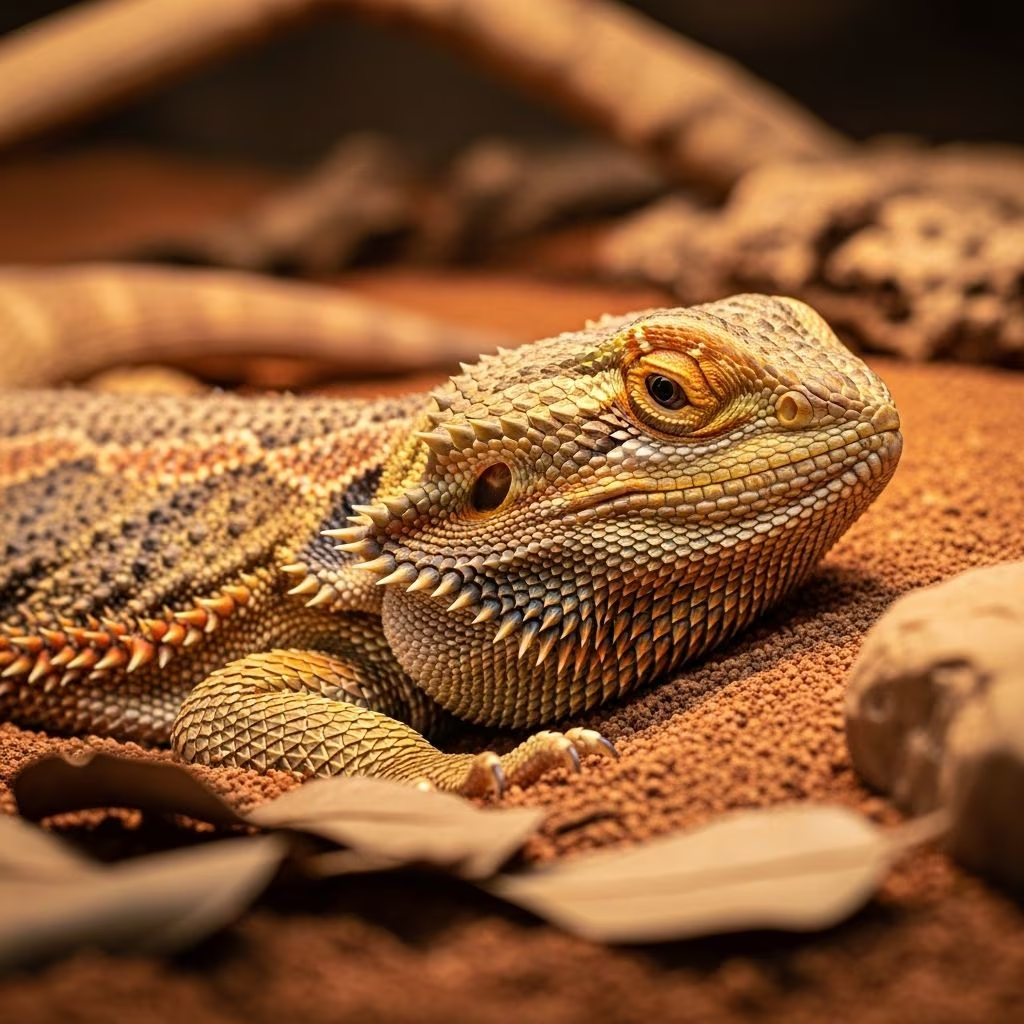
If you’ve noticed your bearded dragon becoming increasingly sluggish, eating significantly less, and spending extended periods resting in secluded areas of its enclosure, there’s no need for alarm. Your pet is likely entering a natural physiological state called brumation, which is the reptilian equivalent of hibernation in mammals. This article explores everything pet owners need to know about this fascinating biological process, including how to recognize it, support your dragon through it, and ensure optimal health during dormancy.
What Is Brumation and How Does It Differ From Hibernation?
Brumation is a state of dormancy that reptiles enter in response to environmental changes, particularly declining temperatures and reduced daylight hours. While the term is often confused with hibernation, there are important distinctions between the two processes. Hibernation refers to a prolonged sleep state in mammals where metabolic functions nearly cease entirely. Brumation, by contrast, is a lighter state of dormancy specific to reptiles where the animal remains somewhat alert, though significantly less active than usual.
During brumation, a bearded dragon’s body enters a conservation mode where metabolism slows considerably. The reptile’s energy expenditure decreases dramatically, allowing it to survive extended periods with minimal food intake. This adaptation evolved as a survival mechanism in the wild, enabling bearded dragons to endure seasons when food becomes scarce and environmental conditions become harsh. In captivity, even when food remains available, the instinct to brumate often remains strong in many bearded dragons.
Seasonal Triggers and Timing in Captivity
In their native Australian habitat, bearded dragons experience clear seasonal changes that trigger brumation. During the cooler months—May through September in the Southern Hemisphere—temperatures drop and food availability decreases, signaling the need for extended rest. Pet bearded dragons in captivity typically respond to similar environmental cues, primarily shortened daylight hours and cooler ambient temperatures.
In the Northern Hemisphere, captive bearded dragons usually begin showing signs of brumation in late fall or early winter, typically around mid-to-late autumn as the days shorten and temperatures decline. The exact timing varies among individual dragons, and some may begin the process earlier or later depending on their unique sensitivities to environmental changes and their individual physiology.
Recognizing the Signs: How to Identify Brumation
Understanding the behavioral and physical changes associated with brumation helps pet owners distinguish this natural process from potential illness. Several key indicators signal that your bearded dragon is entering or already in brumation:
- Reduced Activity Levels: Your dragon will spend significantly more time resting and moving considerably less than normal. What was once an active, responsive pet may appear almost statue-like for extended periods.
- Appetite Suppression: One of the most noticeable changes is a dramatic decrease in interest in food. Your dragon may refuse meals entirely or show only minimal interest in food items it previously consumed eagerly.
- Extended Sleep Duration: Bearded dragons typically sleep more during brumation, often remaining in resting positions throughout the day and night. They may sleep longer consecutive periods than during active months.
- Preference for Cooler Areas: Your dragon will gravitate toward the cooler zones of its enclosure, spending most of its time away from heat sources and basking spots.
- Increased Time in Hiding: Brumating dragons tend to spend extended periods inside their hides or favorite sheltered locations, venturing out less frequently than during active seasons.
- Increased Irritability: Some bearded dragons become less tolerant of handling and interaction during brumation, displaying a cranky demeanor when disturbed.
- Skin Shedding Changes: Some individuals shed their skin more frequently as their bodies prepare for dormancy, though this varies significantly among individuals.
- Color Variations: Certain dragons may exhibit subtle changes in coloration during brumation as they attempt natural camouflage.
It’s important to note that appetite loss during brumation occurs without accompanying weight loss, which distinguishes this natural process from illness-related appetite suppression. However, if you observe dramatic weight loss, unusual discharge, or other signs of distress, contact a veterinarian immediately.
Duration: How Long Does Brumation Last?
The length of brumation varies considerably among individual bearded dragons. Some dragons may brumate for only a few weeks, while others enter extended dormancy lasting several months. Research suggests that brumation typically lasts between 2-4 months in captive settings, though some individuals may brumate for up to 6 months under certain conditions.
There is no fixed schedule for brumation duration, and multiple factors influence how long a particular dragon remains dormant, including age, overall health status, genetic predisposition, and the specific environmental conditions maintained in its enclosure. If you choose to induce or manage brumation in your dragon, experts recommend maintaining the dormant state for a minimum of 2 months but no longer than 4 months. This timeframe appears optimal for achieving the health benefits associated with brumation while preventing excessive energy depletion.
Preparation: Setting Up Your Dragon for Successful Brumation
If you decide to allow or encourage your bearded dragon to brumate—which research indicates is beneficial for long-term health—proper preparation is essential. Several steps help facilitate a smooth transition into brumation:
Temperature Management
Gradually reduce the ambient temperature in your dragon’s enclosure as you approach your intended brumation start date. For Northern Hemisphere keepers, beginning this temperature reduction in late November or early December provides an appropriate timeline. Decrease temperatures gradually to approximately 65-75°F (18-24°C) in the cool zones of the enclosure, while maintaining slightly warmer areas in the 75-80°F range. This gradual reduction mimics natural seasonal temperature changes and allows your dragon’s body to transition smoothly into brumation mode.
Light Cycle Adjustment
Progressively reduce the photoperiod (daily light exposure) over several weeks. Begin by decreasing light availability to 10-12 hours daily, then continue reducing to 8-10 hours as brumation approaches. This changing light cycle triggers the physiological signals that prompt brumation onset. The reduction in daylight hours is one of the primary environmental cues that bearded dragons use to recognize seasonal change.
Pre-Brumation Health Assessment
Before initiating brumation, ensure your dragon is in excellent health. Schedule a veterinary check-up to confirm normal body weight and identify any underlying health issues. A healthy baseline weight is crucial because your dragon will consume minimal food during brumation and cannot afford to enter dormancy from a weakened state.
Intestinal Clearing
In the weeks before brumation, offer easily digestible foods and ensure your dragon has opportunity to defecate naturally. Any food remaining in the digestive tract during extended dormancy could cause impaction or other complications. Some experts recommend offering warm baths to encourage bowel movements before brumation begins.
Care During Brumation: Maintaining Health Through Dormancy
Nutrition and Feeding
During brumation, your bearded dragon will consume little to no food. This is completely normal and expected. Do not attempt to force-feed your dragon or introduce large meals. If your dragon occasionally awakens and shows interest in food, offer small, easily digestible items, but don’t be surprised if it refuses to eat. Attempting to maintain normal feeding schedules during brumation creates unnecessary stress and contradicts the dragon’s natural physiological needs.
Hydration Needs
While food intake decreases dramatically, hydration remains important. Maintain a small water dish in the enclosure and periodically offer water by dripping it near your dragon’s mouth during brief waking periods. Some dragons will accept water, while others may ignore it entirely. Simply providing access and occasional opportunities for drinking is sufficient to maintain basic hydration without excessive disturbance.
UVB Lighting Considerations
An important question for many keepers concerns UVB lighting during brumation. While your dragon’s activity level and feeding decrease, maintaining some UVB exposure remains beneficial. UVB lighting helps prevent metabolic bone disease—a significant risk during periods of reduced activity and minimal calcium intake. Reduce UVB lighting duration proportionally with your overall light cycle reduction, but maintain some exposure to support long-term skeletal health.
Minimizing Disturbance
One of the most critical aspects of supporting your dragon through brumation is simply leaving it alone. Resist the urge to constantly check on your pet, handle it, or attempt to wake it. Frequent disturbance causes stress, disrupts the natural brumation process, and can interfere with your dragon’s ability to complete this necessary biological cycle. Check on your dragon periodically to ensure the environment remains appropriate and that nothing threatens its safety, but limit unnecessary interactions.
Special Considerations: When Brumation Requires Attention
Baby Bearded Dragons and Brumation
Young bearded dragons rarely attempt brumation because their rapid growth requires frequent meals and they possess insufficient fat reserves to support extended dormancy. If a baby bearded dragon shows signs of wanting to brumate, consult your veterinarian before allowing this process, as forcing or allowing inappropriate brumation in juveniles can harm development and growth trajectories.
Health Benefits and Lifespan
Research indicates that bearded dragons permitted to brumate demonstrate superior physical condition, increased overall activity during active periods, and potentially longer lifespans compared to dragons prevented from brumating. Skipping brumation entirely may actually shorten your dragon’s lifespan and reduce its overall thriving capacity. If your dragon shows natural inclination to brumate, allowing this process represents optimal care rather than an obstacle to manage.
Individual Variation in Brumation Patterns
Not all bearded dragons follow identical brumation patterns. Some dragons may enter and exit brumation gradually, sleeping for a week, awakening for brief periods of activity and feeding, then returning to sleep repeatedly throughout the winter. Others enter complete brumation lasting months. Both patterns are entirely normal, and your specific dragon’s unique rhythm should guide your management approach.
Emerging From Brumation: Safely Returning to Activity
As temperatures warm in spring and daylight hours increase, your bearded dragon will naturally begin emerging from brumation. You may notice increased basking behavior, more frequent awakening, and renewed interest in food. Once you observe these signs, begin gradually returning environmental conditions to normal.
Start by increasing light exposure to 6 hours daily for one week, then progressively increase the photoperiod and temperature back to normal active-season levels over the following weeks. Provide clean water and offer food, though don’t be surprised if your dragon’s appetite remains suppressed initially. Gradual transition back to normal conditions mimics natural seasonal changes and allows your dragon’s metabolism to ramp up progressively.
Common Questions About Bearded Dragon Brumation
- Do all bearded dragons brumate?
- While most bearded dragons have the instinct to brumate, not all captive dragons will necessarily attempt brumation, particularly if environmental conditions don’t trigger this response. However, allowing brumation when your dragon shows interest in it supports long-term health.
- Is brumation dangerous for my bearded dragon?
- Brumation is a natural, healthy process when properly managed. However, monitoring your dragon’s health during this period remains important, and you should contact a veterinarian if you notice major behavioral or physical changes beyond typical brumation signs.
- What if my dragon doesn’t want to brumate?
- Some captive bearded dragons may not show strong brumation instinct, and this is acceptable. If your dragon seems uninterested in dormancy, you can maintain normal temperature and light cycles year-round without negative consequences.
- Can I prevent my bearded dragon from brumating?
- Yes, maintaining warm temperatures and consistent long light cycles year-round can suppress brumation. However, allowing natural brumation when your dragon shows interest appears to offer health advantages.
Final Thoughts on Supporting Your Dragon’s Natural Cycle
Brumation represents a fascinating aspect of bearded dragon biology and a natural process deeply rooted in their evolutionary history. Rather than viewing brumation as a problem requiring intervention, understanding it as a healthy, necessary component of your dragon’s life cycle allows you to provide truly optimal care. By recognizing the signs, preparing your enclosure appropriately, maintaining minimal disturbance during dormancy, and gradually transitioning your dragon back to activity as seasons change, you support the physiological processes that contribute to your pet’s long-term health, vitality, and longevity.
References
- Bearded Dragon Brumation Everything You Should Know — Reptizoo. https://reptizoo.store/blogs/reptizoo-reptiles-blogs/bearded-dragon-brumation-everything-you-should-know
- Brumation — ReptiFiles®. https://reptifiles.com/bearded-dragon-care/bearded-dragon-illnesses-health/brumation/
- Bearded Dragons and Brumation: What to Do — Zen Habitats. https://www.zenhabitats.com/blogs/reptile-care-sheets-resources/bearded-dragons-and-brumation-what-to-do
- All About Reptile Brumation: Everything You Need to Know — Zen Habitats. https://www.zenhabitats.com/blogs/reptile-care-sheets-resources/all-about-reptile-brumation-everything-you-need-to-know
- Do Bearded Dragons Hibernate? All About Beardie Brumation — Chewy. https://www.chewy.com/education/reptile-and-amphibian/bearded-dragon/do-bearded-dragons-hibernate



