Beak and Nail Care in Birds: Essential Guide
Master bird beak and nail care with professional tips and safe trimming techniques.
Beak and Nail Care in Birds: A Comprehensive Guide
Pet bird owners often overlook the importance of regular beak and nail maintenance, yet these elements are crucial to their feathered companions’ overall health and well-being. Unlike wild birds that naturally wear down their beaks and nails through constant activity on rough surfaces, captive birds living in smooth cage environments face unique challenges. Understanding proper beak and nail care is essential for preventing discomfort, injuries, and behavioral problems that can significantly impact your bird’s quality of life.
Understanding Bird Beaks and Nails
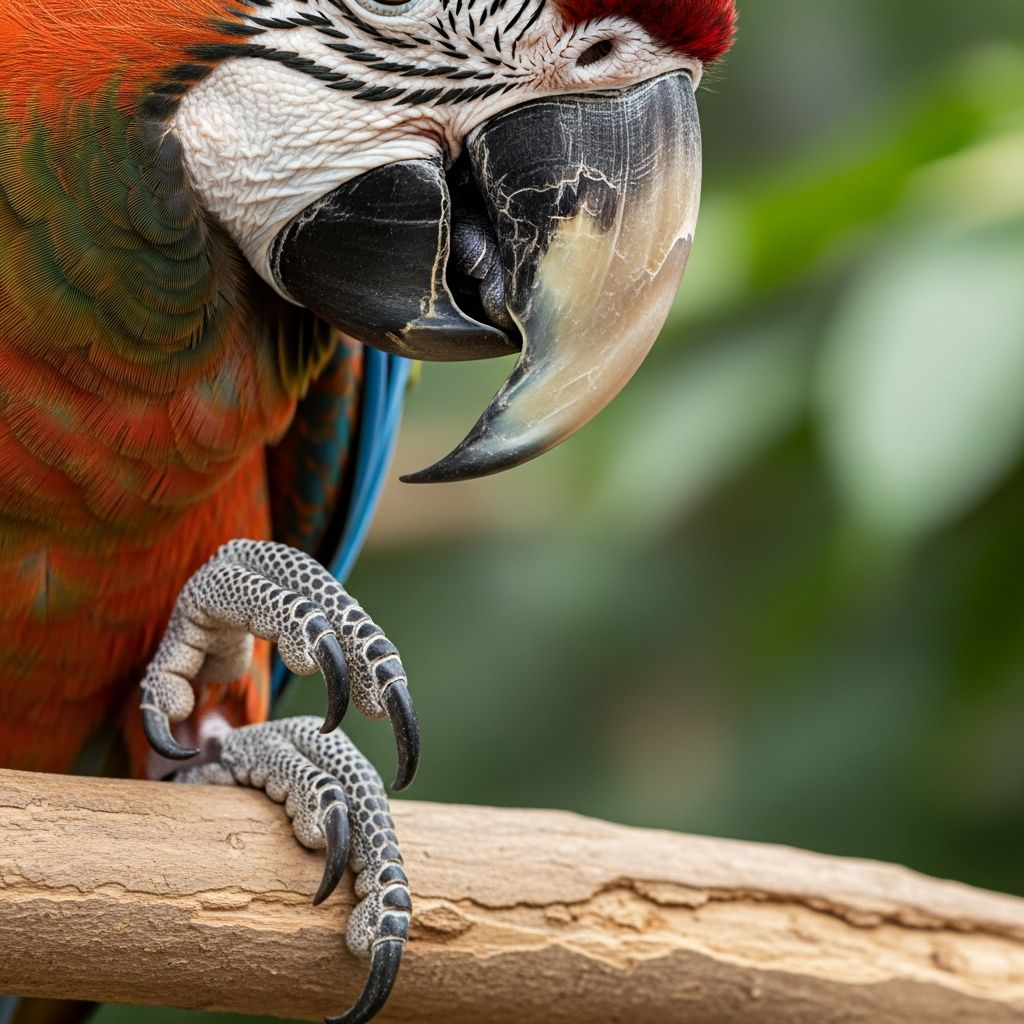
A bird’s beak serves multiple critical functions beyond eating. Birds use their beaks for drinking, grooming, climbing, and manipulating objects in their environment. The beak contains a complex network of blood vessels and nerves, making it an extremely sensitive and vital organ. Similarly, a bird’s nails are essential for gripping perches, climbing, and maintaining balance.
In their natural habitat, wild birds maintain healthy beaks and nails through constant wear from foraging, climbing rough bark, and grinding their beaks against hard surfaces. This natural maintenance process is largely absent in captive environments, where birds typically encounter smooth, same-diameter wooden perches and limited climbing opportunities.
Why Nail Trimming Is Necessary
Overgrown nails present several health risks to pet birds that make regular trimming essential. Understanding these risks helps bird owners recognize the importance of this maintenance routine.
Preventing Injury and Tangling
Long nails are prone to catching and tangling on toys, cage bars, perches, and clothing. When a nail becomes caught, the bird may struggle to free itself, potentially tearing the nail partially or completely off and causing bleeding and pain. In severe cases, a trapped nail can result in a broken toe or permanent damage to the foot.
Maintaining Comfort and Mobility
Excessively long nails make standing, walking, and perching uncomfortable and painful for birds. Overgrown nails can alter a bird’s weight distribution and posture, leading to joint problems and reduced mobility. Birds with long nails may struggle to grip perches properly, affecting their balance and confidence.
Preventing Infection and Sores
Long nails can wrap around a bird’s toes, cutting off circulation and creating pressure sores. These wounds can become infected, leading to serious health complications that may require veterinary intervention.
Why Beak Trimming Is Necessary
A properly maintained beak is crucial for your bird’s ability to eat, drink, groom, and navigate its environment effectively. An elongated or uneven beak can severely compromise these essential functions.
Impact on Feeding
An overgrown beak may prevent your bird from cracking seeds, eating pellets, or consuming fresh foods properly. This can lead to nutritional deficiencies and weight loss.
Grooming Difficulties
Birds rely on their beaks to maintain feather condition and overall hygiene. A misshapen or overly long beak impairs this self-grooming ability, potentially leading to feather problems and skin issues.
Climbing and Climbing Ability
Birds naturally use their beaks as a third foot when climbing. An abnormal beak length or shape compromises this climbing ability, reducing the bird’s activity level and overall quality of life.
Signs Your Bird Needs Trimming
Recognizing when your bird requires professional grooming is essential for maintaining optimal health. Watch for these warning signs:
- Nails that appear excessively long, curled, or overly sharp
- Nails affecting your bird’s ability to grip perches or causing it to slip
- Beak appearing elongated, uneven, or growing past the lower mandible
- Beak appearing flaky or having visible overgrowth
- Difficulty eating, drinking, or preening
- Reduced perching comfort or reluctance to stand
- Behavioral changes or increased aggression due to discomfort
How Often Should Birds Get Trims?
The frequency of beak and nail trims varies significantly among individual birds and depends on several factors. Your bird’s species, age, overall health status, diet quality, and environmental setup all influence trimming frequency. Some birds may require trims every four to six weeks, while others may maintain healthy nails and beaks for several months with proper environmental enrichment. Your avian veterinarian can assess your specific bird’s needs and recommend an appropriate trimming schedule tailored to your pet’s unique situation.
Professional Nail Trimming
Why Professional Grooming Matters
While some bird owners attempt nail trimming at home, professional grooming offers significant advantages. Avian veterinarians and trained groomers possess specialized knowledge and equipment that minimizes risk. They understand the precise location of the quick—the blood vessel running through each nail—and can trim safely without causing bleeding. Professional groomers have experience with various bird species and can adapt their techniques accordingly.
Professional Tools and Techniques
Veterinarians employ several specialized instruments for nail care:
- Cautery Pens: These specialized instruments use heat to cauterize nail tips beyond the quick, eliminating bleeding risk entirely. The heat also keeps the instrument sterile, preventing bacterial transmission between birds.
- Dremel Drills: Electric grinding tools ideal for large birds like Amazon parrots, cockatoos, and macaws, these devices round and smooth the sharp nail tips.
- Nail Clippers: Traditional clippers or scissors used for smaller birds, applied with precision and expertise.
What to Expect During Professional Trimming
During a professional grooming appointment, your veterinarian will gently restrain your bird using hand restraint or a soft towel to prevent injury. The vet will thoroughly assess both beak and nails, checking for abnormalities or early signs of disease. The actual trimming procedure typically takes less than twenty minutes and rarely requires sedation unless your bird is extremely anxious or aggressive. Most birds tolerate professional grooming well when handled calmly and respectfully.
Home Nail Trimming: Tools and Technique
Selecting Appropriate Tools
If you choose to trim nails at home—though professional trimming is recommended—selecting the right tools is critical. Small bird nails can be trimmed with standard human nail clippers, while larger birds require stronger dog nail scissors or guillotine-style nail trimmers. Regardless of the instrument selected, it must be sharp and well-maintained to ensure clean cuts.
Essential Safety Equipment
Before attempting home nail trimming, ensure you have the following supplies available:
- Appropriate nail clippers or scissors for your bird’s size
- Styptic powder or a commercially available clotting agent (ask your veterinarian which products are safe for birds)
- Cornstarch or flour as an emergency alternative if commercial clotting agents are unavailable
- A clean towel for gently restraining your bird
- Bright lighting to visualize blood vessels within the nail
- A nail file for smoothing edges after clipping
Safe Trimming Procedure
Successful home nail trimming requires patience, good judgment, and practice. Begin by having all supplies ready and accessible. Gently wrap your bird in a soft towel, keeping its head partially covered to minimize stress. If possible, ask another person to help—one person should securely restrain the bird while the other performs the trimming.
Trim nails gradually, removing only small amounts with each clip to reduce bleeding risk. Look for the pink quick running through the center of light-colored nails; avoid this area entirely. Trim only the clear or white portion of the nail, stopping well before the quick becomes visible.
Handling Bleeding During Nail Trimming
Despite careful technique, bleeding occasionally occurs during home nail trimming. Remaining calm is essential for managing this situation effectively. Keep your bird securely restrained and use finger pressure to pinch the toe from side to side just before the bleeding nail. This pinching action creates a tourniquet effect, restricting blood flow to the nail tip. Apply styptic powder or a clotting agent to the cut end and maintain pressure until bleeding stops.
Cornstarch or flour can serve as emergency alternatives if commercial clotting products are unavailable, though these options are generally less effective. After bleeding has stopped, wash away all clotting agents and styptic powder from the nails, as birds naturally preen their feet and may ingest residual substances.
Beak Care and Maintenance
Natural Beak Wearing
In healthy birds with appropriate environmental enrichment, beaks naturally wear down through normal activities. When birds eat, they wipe and clean their beaks on cage perches and objects, naturally wearing down the beak. Birds also naturally grind their upper and lower beaks together, further wearing down the lower beak. Providing pet-safe toys and chewing activities supports natural beak wear while providing mental enrichment and entertainment.
When Professional Beak Trimming Is Needed
A truly healthy bird with proper environmental enrichment rarely requires beak trimming. However, when beak overgrowth or misshaping occurs, professional intervention is essential. Never attempt beak trimming at home, as a large blood vessel runs down the center of the beak that will bleed profusely if nicked. Additionally, the upper beak tip contains substantial nerve supply; improper trimming causes significant pain and tissue damage.
Veterinarians familiar with avian medicine will properly trim or grind the beak during regular health examinations when elongation or misshaping is detected. Bloodwork and radiographs may be recommended to identify underlying causes of beak overgrowth, such as nutritional deficiencies or metabolic disorders.
Natural Perches for Beak and Nail Maintenance
Providing appropriate perches is fundamental to natural beak and nail maintenance. A variety of perch types encourages natural wearing processes while providing physical activity.
Recommended Perch Options
| Perch Type | Benefits | Considerations |
|---|---|---|
| Natural Wood (Manzanita, Apple, Dragon) | Excellent for beak and nail wear; natural textures promote activity | Inspect regularly for splinters; replace when damaged |
| Braided Rope | Good texture variation; encourages natural wearing | Replace if frayed or unraveled; birds may ingest loose strands |
| Cement or Ceramic | Effective for beak maintenance | Do not use as primary perch; rough surface can cause foot pressure sores |
| Cuttlebones (Small Birds) | Excellent beak maintenance; provides calcium | Remove when extensively worn |
Perch Diameter Variation
Providing perches of varying diameters is crucial for natural nail wear. Captive birds typically live on same-diameter perches, contributing to nail overgrowth. Include perches ranging from thin to thick to encourage natural foot movement and nail maintenance. This variety also strengthens different foot muscles and reduces pressure-related foot problems.
Nutritional Support for Beak and Nail Health
Proper nutrition significantly impacts beak and nail quality. Ensure your bird receives a balanced diet rich in essential vitamins and minerals. Include plenty of fresh vegetables, quality formulated pellets, and appropriate seeds or nuts for your species. Mineral blocks and cuttlebones provide supplemental calcium and other minerals crucial for healthy beak development.
Nutritional deficiencies directly affect beak and nail integrity, potentially causing overgrowth, discoloration, or brittleness. When nutritional issues are suspected, consult your veterinarian about dietary adjustments or supplementation.
Reducing Stress During Grooming
Birds that handle grooming calmly experience less stress and pain during necessary trims. Training your bird from a young age to accept nail trims by rewarding foot touches creates positive associations. Gentle handling strategies and desensitization techniques significantly reduce stress during professional grooming appointments. Speak with your veterinarian about specific training methods appropriate for your bird’s temperament and species.
Frequently Asked Questions About Bird Beak and Nail Care
Can I trim my bird’s beak at home?
No, home beak trimming is never advisable. The beak contains a large central blood vessel that bleeds profusely if nicked, and the upper beak contains significant nerve supply. Only trained professionals should perform beak trimming or grinding.
What if my bird hates being handled?
Speak with your avian veterinarian about desensitization training and gentle handling strategies to reduce stress. Starting grooming training early in your bird’s life makes professional care much easier throughout its lifetime.
Are nail trims painful for birds?
Properly executed nail trims are not painful. Pain and bleeding only occur when the quick is cut, which is why experience and proper technique matter significantly. Professional groomers minimize this risk through training and appropriate tools.
How can I tell if my bird’s nails are too long?
Signs of overgrown nails include excessive length, curling, difficulty gripping perches, and visible sharpness. Your bird may also struggle with balance or show reduced activity levels.
What causes beak overgrowth?
Beak overgrowth may result from inadequate environmental enrichment, nutritional deficiencies, insufficient natural wear surfaces, or underlying metabolic or health disorders. Your veterinarian can identify specific causes through examination and diagnostics.
References
- Beak and Nail Care in Birds — VCA Animal Hospitals. 2024. https://vcahospitals.com/know-your-pet/beak-and-nail-care-in-birds
- Beak and Nail Trims For Birds — Galena Animal Medical Clinic. 2024. https://galenaanimal.com/beak-and-nail-trims-for-birds/
- Grooming and Routine Care of Pet Birds — MSD Veterinary Manual. 2024. https://www.msdvetmanual.com/bird-owners/routine-care-and-safety-of-birds/grooming-and-routine-care-of-pet-birds
- Bird Nail and Beak Care — Galena Animal Health. 2024. https://hppsevenbird.com/en/blog/Bird-nail-and-beak-care/a-469260644
- Grooming and Routine Care of Pet Birds — Merck Veterinary Manual. 2024. https://www.merckvetmanual.com/bird-owners/routine-care-and-safety-of-birds/grooming-and-routine-care-of-pet-birds
Similar Articles






Read full bio of medha deb