

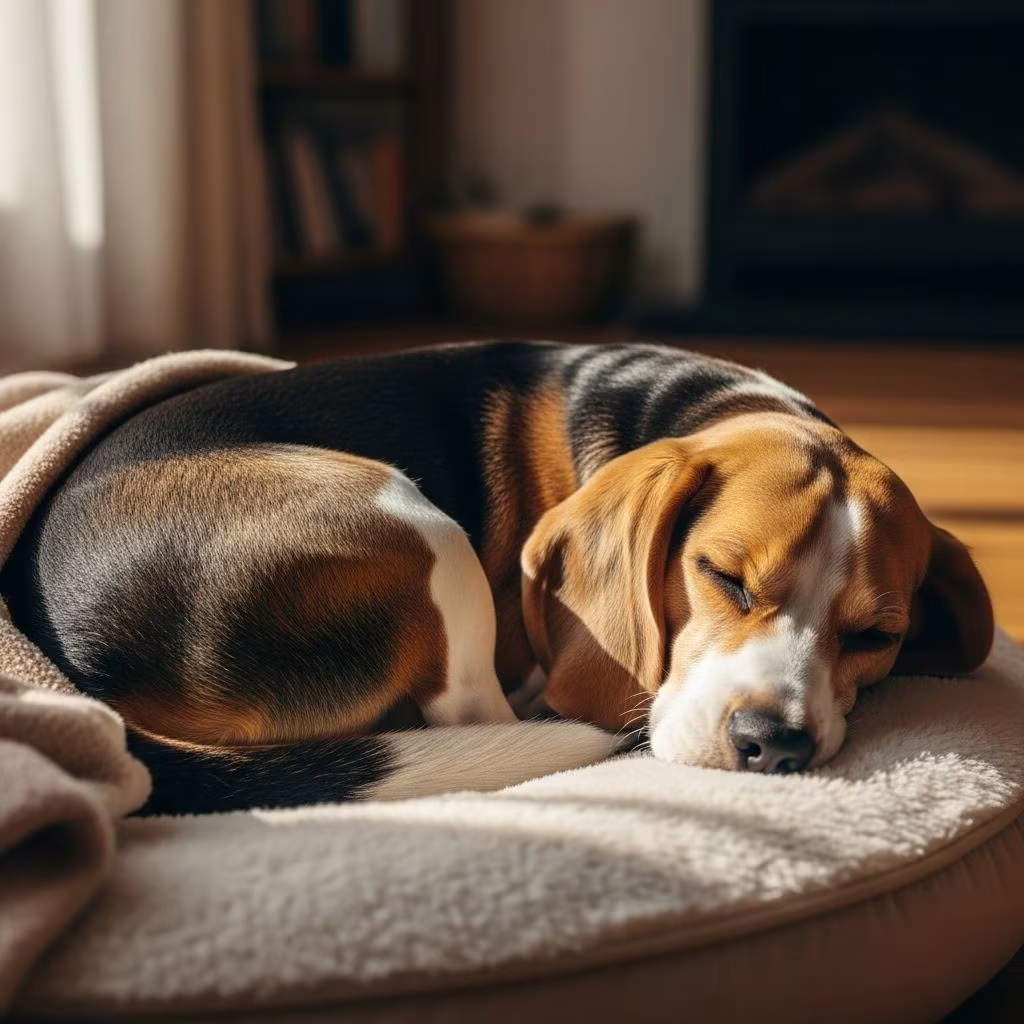
Pet owners often wonder whether their Beagles are sleeping too much or if their rest patterns fall within normal ranges. Understanding your Beagle’s sleep needs is essential for recognizing when they’re healthy and content versus when they might need veterinary attention. Sleep plays a vital role in your dog’s physical development, immune system function, and emotional well-being.
How Much Sleep Do Beagles Actually Need?
The typical adult Beagle requires between 10 to 12 hours of sleep per day, distributed across multiple rest periods throughout the 24-hour cycle. This sleep is not consolidated into one long nighttime stretch but rather divided between nighttime rest and several daytime naps. For perspective, this sleep duration places Beagles within the moderate range compared to other dog breeds, as most canines sleep approximately 12 hours daily.
The amount of rest your individual Beagle gets may vary slightly depending on several contributing factors. Rather than viewing sleep as abnormal behavior, it’s more accurate to recognize that dogs naturally spend a substantial portion of their day resting, with some estimates suggesting dogs spend about 80% of their time either sleeping or in a relaxed, inactive state.
Life Stage Considerations in Sleep Duration
Age represents one of the most significant factors influencing how much sleep your Beagle requires. Young dogs have dramatically different sleep needs compared to their adult counterparts.
Puppy Sleep Requirements
Beagle puppies between birth and 18 months old typically sleep between 18 to 20 hours per day. This extraordinary amount of rest is necessary for their rapidly developing bodies and minds. During these early months, puppies experience growth spurts, neurological development, and the physical demands of learning basic skills and exploring their environment.
Puppy sleep serves multiple critical functions beyond simple rest. During sleep, puppies build their immune systems, process nutrients from their food, and consolidate memories from their daily learning experiences. Additionally, the developmental phase from birth to three years involves intense bursts of physical activity followed by extended rest periods, often resulting in puppies falling asleep in surprising locations and positions.
Adult Beagle Sleep Patterns
As Beagles transition from puppyhood into adulthood, their sleep patterns gradually normalize. The energy spikes and crashes that characterize young puppies become less pronounced, and they begin sleeping longer during nighttime hours while reducing their daytime naps. Adult dogs settle into a more predictable rhythm, making it easier for owners to establish consistent routines.
Senior Beagle Rest Needs
When Beagles reach approximately 7 or 8 years of age, their activity levels naturally decline, and they return to sleeping more hours per day. This increased rest is a normal part of aging and reflects their body’s reduced capacity for sustained activity. However, changes in sleep patterns in senior dogs warrant closer attention, as excessive sleep or disrupted sleep in older Beagles could indicate underlying health issues such as hypothyroidism, cognitive dysfunction, arthritis, or weakening bladder control.
Factors Influencing Individual Sleep Amounts
Activity Level and Exercise
Beagles are renowned for their energetic nature, particularly when tracking scents or engaging in hunting-oriented play. The amount of physical activity your Beagle experiences directly correlates with their sleep requirements. Dogs that expend significant energy during the day require more sleep to recover and restore their physical resources. A Beagle that spends hours exploring outdoors or engaging in vigorous play will likely need more rest than a less active dog.
Body Weight and Metabolism
Beagles have a notorious reputation for enjoying food and are prone to weight gain. Obesity significantly impacts a dog’s energy levels and sleep patterns. Heavier dogs, as a general rule, tend to sleep more than their leaner counterparts. Beyond increased sleep, obesity in Beagles poses serious health risks and can contribute to various medical complications. Maintaining a healthy weight through appropriate nutrition and exercise helps support optimal sleep patterns and overall wellness.
Individual Personality Traits
Just as with humans, individual dogs have unique personality characteristics that influence their behavior. Some Beagles are naturally more laid-back and relaxed, while others maintain higher energy levels throughout their lives. Your specific dog’s temperament plays a role in determining their baseline sleep needs and activity patterns.
Addressing Excessive Sleep Concerns
When Sleep Is Normal
For healthy adult Beagles, sleeping between 10 to 16 hours per day falls well within normal parameters and typically requires no concern. If your dog is sleeping these amounts but remains energetic between naps, maintains a healthy appetite, and shows normal behavioral patterns, their rest is likely appropriate for their individual needs.
When Sleep May Indicate Health Issues
Sudden changes in sleep patterns warrant veterinary evaluation. If your previously active Beagle suddenly begins sleeping significantly more than usual, this behavioral shift could indicate an underlying health problem. Senior Beagles experiencing disrupted sleep or unusual sleep patterns require particular attention, as these changes might reflect medical conditions requiring professional assessment and treatment.
Signs That Warrant Veterinary Consultation
- Sudden increase in sleep duration beyond your dog’s normal pattern
- Difficulty sleeping or frequent sleep interruptions
- Sleep accompanied by restlessness or apparent discomfort
- Changes in appetite occurring alongside sleep changes
- Behavioral changes in conjunction with altered sleep patterns
- Excessive vocalization or movements during sleep
Establishing Healthy Sleep Routines
The Power of Consistency
Beagles respond exceptionally well to predictable routines and established schedules. Creating a consistent bedtime ritual helps signal to your dog that it’s time to wind down and prepare for rest. This might include a final bathroom break, dimming household lights, reducing noise levels, and using verbal cues such as “good night” to establish the routine as a comforting pattern your dog learns to anticipate.
Meal Timing and Sleep
Feeding your Beagle at the same time each day helps regulate their body clock and digestive processes. When meals occur on a predictable schedule, your dog’s body can synchronize its rhythms accordingly, facilitating better sleep quality and more restful periods between meals. This consistency also helps prevent nighttime bathroom breaks, allowing for longer stretches of uninterrupted sleep.
Bathroom Schedule Management
Toilet breaks represent a critical component of your Beagle’s sleep routine. Taking your dog outside first thing in the morning and immediately before bedtime establishes a pattern they can rely on. Many sleep disruptions stem from a dog’s need for bathroom breaks rather than true wakefulness, so preventing accidents and discomfort through consistent potty schedules promotes better rest quality.
Creating an Optimal Sleep Environment
Your Beagle’s sleeping space should be comfortable, quiet, and at an appropriate temperature. A designated sleeping area with a quality dog bed provides security and comfort, particularly for anxious dogs. Minimizing disruptions from household noise and establishing the space as a peaceful zone reinforces its purpose as a rest area.
Understanding Beagle Sleep Behaviors
Sleep Position Meanings
The way your Beagle sleeps can reveal their emotional state and comfort level. Dogs sleeping on their sides with limbs extended and bellies partly exposed typically feel relaxed, secure, and content, indicating they’re experiencing deep, restful sleep. Belly-up sleepers generally also demonstrate a high degree of comfort and trust in their environment. These relaxed positions suggest your dog feels safe and is getting quality rest.
Vocalizations During Sleep
Beagles frequently vocalize during sleep through howling, barking, or whimpering, which typically results from dreaming rather than distress. This behavior is generally normal and harmless. However, if vocalizations seem distressed or are accompanied by thrashing or apparent discomfort, the cause may warrant investigation to rule out pain or other concerns.
Comparing Beagle Sleep to Other Breeds
Beagles do not significantly sleep more than most other dog breeds. While large dog breeds tend to require more sleep than smaller breeds, Beagles fall into a moderate range and don’t demonstrate an unusual need for extra rest compared to similarly sized dogs. The perception that Beagles sleep excessively often stems from the contrast between their playful, high-energy moments and their downtime, rather than from abnormally high sleep requirements.
Special Considerations for Beagle Puppies
Beagle puppies require extensive sleep to support their rapid physical growth, neurological development, and building of healthy immune responses. Their natural tendency to exhaust themselves through vigorous play makes adequate rest essential for their development. Supporting proper puppy sleep through appropriate exercise, consistent routines, and a calm environment during their first 18 months sets the foundation for healthy sleep patterns throughout their lives.
FAQ Section
Is 12 hours of sleep too much for a Beagle?
No, 12 hours of sleep is well within the normal range for adult Beagles. Most healthy adults sleep 10 to 12 hours daily, sometimes extending up to 16 hours without concern, provided they remain energetic during waking hours.
Why does my Beagle puppy seem to sleep constantly?
Beagle puppies sleep 18 to 20 hours daily to support their rapid growth and development. This extreme amount of rest is normal and necessary for healthy physical and mental development during their first 18 months.
Should I be worried if my senior Beagle sleeps more?
Increased sleep in senior Beagles is normal as part of aging. However, sudden changes or disrupted sleep patterns warrant veterinary evaluation to rule out health conditions such as arthritis, thyroid issues, or cognitive dysfunction.
Can obesity affect my Beagle’s sleep?
Yes, overweight Beagles tend to sleep more due to reduced energy levels. Obesity can also contribute to serious health problems and disrupt normal sleep patterns, making weight management important for overall wellness.
How can I help my Beagle sleep better at night?
Establish a consistent bedtime routine with regular meal times, scheduled toilet breaks before bed, dimmed lighting, and reduced noise. This consistency helps regulate your dog’s internal clock and promotes better nighttime sleep.
References
- Beagle is Acting Tired | Puppy, Adult and Senior Dogs — BeaglePro. Accessed January 2026. https://www.beaglepro.com/beagle-acting-tired
- Do Beagles Sleep a Lot? Vet-Reviewed Breed Facts & FAQs — Hepper. Accessed January 2026. https://articles.hepper.com/do-beagles-sleep-a-lot/
- Do Beagles Sleep a Lot? Vet-Verified Snoozing Habits — Dogster. Accessed January 2026. https://www.dogster.com/dog-health-care/do-beagles-sleep-a-lot
- How to Train Your Beagle Dog to Sleep at Night — Wag!. Accessed January 2026. https://wagwalking.com/training/sleep-at-night
- 6 Dog Sleeping Positions and What They Mean — PetMD. Accessed January 2026. https://www.petmd.com/dog/general-health/dog-sleeping-positions-and-what-they-mean
- How normal is it for a beagle to howl a lot in their sleep? — Dial a Vet. Accessed January 2026. https://www.dialavet.com/vet-answers/beagle-howl-sleep-normal-119662



