

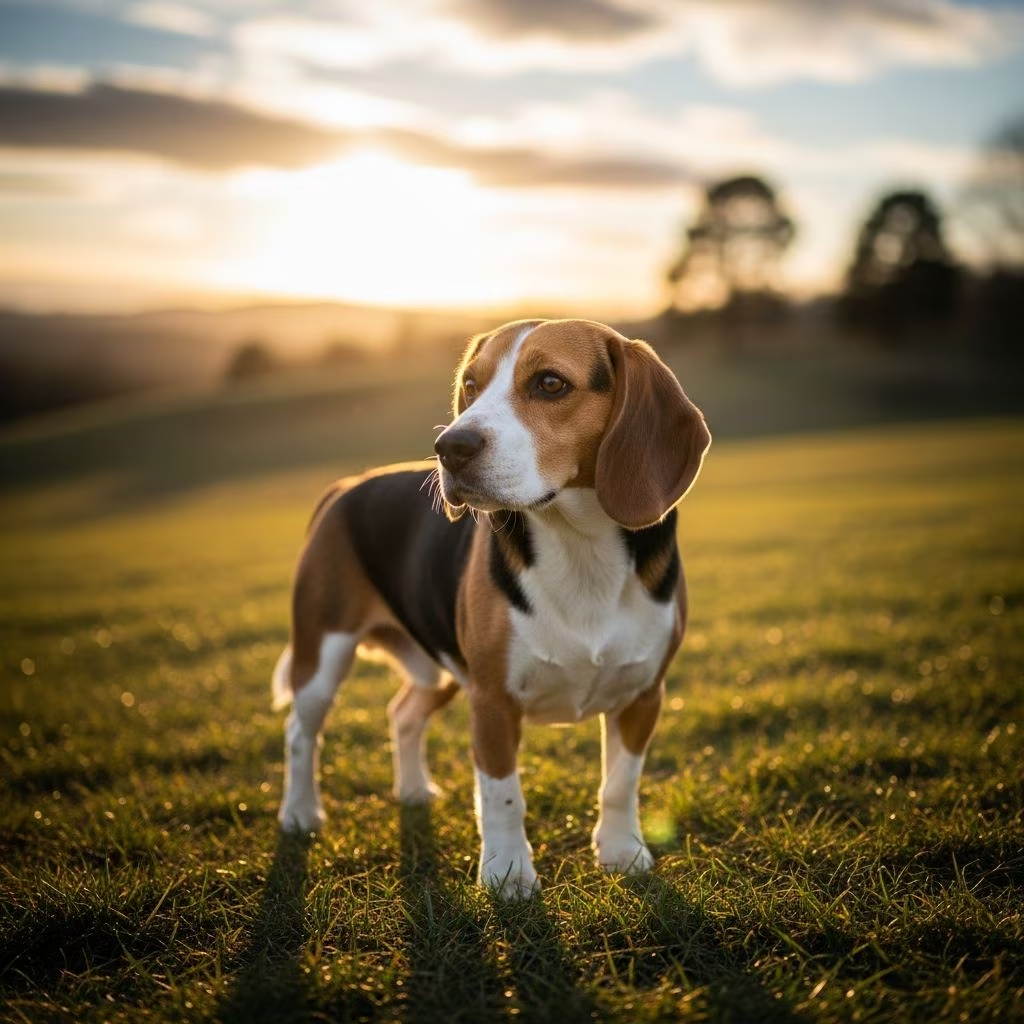
The Beagle stands out as a compact, energetic hound renowned for its exceptional sense of smell and joyful personality. Originally developed for tracking small game, this breed has evolved into a popular family pet cherished for its friendly nature and playful demeanor.
Ancient Roots and Evolution of the Beagle
The Beagle’s lineage traces back to early scent hounds used across Europe. Evidence points to their presence in regions like France, Greece, Italy, and England by the 15th century, where the name likely derived from Celtic words meaning ‘small,’ reflecting their compact size ideal for foot hunting.
Historical records suggest small pack hounds hunted rabbits and hares in England well before Roman times in 55 B.C., establishing the Beagle as an indigenous ‘foothound.’ By the 1500s, English nobility favored them for their ability to navigate dense underbrush on foot hunts, as larger hounds pursued deer.
In the 11th century, William the Conqueror introduced Talbot Hounds to Britain—large white scenthounds crossed with Greyhounds for speed and endurance, laying genetic groundwork for the modern Beagle. Possible contributions from the extinct Irish Kerry Beagle added to their sturdy build.
The 18th century saw a decline as fox hunting rose in popularity, favoring larger Foxhounds. Yet, farmers in England, Wales, and Ireland preserved packs for hare hunting, preventing extinction. Tiny ‘pocket Beagles’ under 10 inches thrilled royalty like Queen Elizabeth I for their melodious baying.
Key Figures in Breed Standardization
The 19th century marked refinement. Reverend Phillip Honeywood in Essex, England, bred packs emphasizing hunting prowess over looks, creating tough, agile trackers foundational to today’s Beagle. Thomas Johnson later standardized appearance while retaining instincts, producing smooth-coated varieties.
In America, post-Civil War imports surged. General Richard Row of Illinois elevated the breed in the 1870s by sourcing quality British lines, ensuring uniformity for rabbit hunting. The American Kennel Club recognized Beagles in 1885, boosting popularity. The National Beagle Club, formed in the late 1880s, adopted standards dividing them into 13-inch and 15-inch classes for fair field trials.
Early U.S. Beagles served dual roles in field and shows, resembling miniature Foxhounds. Urbanization later specialized them into field packs or conformation dogs, with traditions like pack hunting persisting at places like Institute Farm in Virginia.
Physical Characteristics and Breed Standards
Beagles are medium-sized hounds with two height varieties: under 13 inches for smaller types and up to 15 inches for field stock, both weighing 20-30 pounds. Their sturdy, compact build features a deep chest for lung capacity, straight forelegs, and a slightly arched loin suited for endurance.
| Trait | 13-Inch Beagle | 15-Inch Beagle |
|---|---|---|
| Height | Under 13 inches | 13-15 inches |
| Weight | 20-25 lbs | 25-30 lbs |
| Coat | Short, dense, weather-resistant | Same |
| Colors | Tricolor (black, tan, white), bicolor | Same |
The head is slightly domed with large hazel or brown eyes conveying intelligence, and long, hound-like ears that protect the ear canal while aiding scent detection. The tail is carried merry, an upright flag signaling during hunts. Coat colors include classic tricolor, lemon, red, and white patterns, all with a smooth, easy-shedding texture.
Temperament and Family Compatibility
Beagles embody merry, affectionate traits, making them excellent for families. Their curious, friendly disposition suits active households, though their hound independence requires consistent guidance. They thrive with children and other pets due to pack-oriented history, but early socialization prevents shyness.
- Playful and Energetic: Always ready for games, walks, or adventures.
- Sociable: Loves company; may howl when alone.
- Determined: Nose-led pursuits demand secure fencing.
- Gentle: Patient with kids, tolerant of rough play.
Not ideal for apartments due to vocal baying and exercise needs; best in homes with yards. Their food motivation aids training but risks obesity if overfed.
Training Essentials for the Scent-Driven Hound
Harnessing the Beagle’s intelligence involves positive reinforcement, leveraging treats and praise. Their superior olfactory sense—stronger than most breeds—makes recall challenging outdoors; use long leashes initially. Start obedience young: sit, stay, come commands prevent scent chases.
Scent games like hide-and-seek build focus. Crate training curbs destructive chewing from boredom. Consistency counters stubbornness; short, fun sessions work best. Field Beagles excel in tracking trials, while pets benefit from agility or nosework classes.
Daily Care and Grooming Routines
Low-maintenance coats need weekly brushing to control shedding. Bathe monthly or as needed. Check ears weekly for infections—floppy design traps moisture. Trim nails bi-monthly; brush teeth 2-3 times weekly.
- Exercise: 60+ minutes daily—walks, runs, play to prevent digging or howling.
- Grooming Tools: Slicker brush, ear cleaner, nail clippers.
- Environmental Needs: Fenced yard essential; supervise off-leash.
Nutrition focuses on high-quality kibble portioned by weight/activity. Avoid table scraps to manage weight gain proneness.
Health Considerations and Lifespan
Beagles live 12-15 years with proper care. Common issues include hip dysplasia, epilepsy, hypothyroidism, and eye disorders like glaucoma. Ear infections and obesity are prevalent due to conformation and appetite.
Regular vet checkups, vaccinations, and parasite prevention are vital. Genetic testing via responsible breeders reduces hereditary risks. Southern states still use them for hunting, where tick-borne diseases pose threats.
Nutrition Guide for Optimal Health
| Life Stage | Daily Calories | Key Nutrients |
|---|---|---|
| Puppy | 800-1200 | High protein, DHA for brain |
| Adult | 700-1000 | Balanced fats, glucosamine |
| Senior | 500-800 | Joint support, lower calories |
Feed twice daily; monitor for allergies. Fresh water always available.
Beagle in Modern Life: Activities and Roles
Beyond pets, Beagles detect contraband at airports and assist in search-and-rescue. Their compact size and demeanor suit therapy work. Families enjoy hiking or obedience competitions. Cultural icons like Snoopy highlight their appeal.
Frequently Asked Questions (FAQs)
Are Beagles good with kids?
Yes, their gentle, playful nature makes them great family dogs, but supervise young children.
How much exercise do Beagles need?
At least 1 hour daily to satisfy their high energy and prevent behavioral issues.
Do Beagles bark a lot?
They bay or howl when excited or tracking scents; training reduces nuisance vocalizing.
What’s the best food for Beagles?
High-quality, breed-specific kibble controlling calories to avoid obesity.
Can Beagles live in apartments?
Not recommended; they need space and activity unsuitable for small dwellings.
References
- Beagle | Temperament, Lifespan & History — Pooch and Mutt. Accessed 2026. https://www.poochandmutt.co.uk/blogs/by-breed/beagle
- National Beagle Club History — National Beagle Club of America, Inc. Accessed 2026. https://www.nationalbeagleclub.org/History
- Beagle History: From Ancient Small Pack-Hounds to Snoopy — American Kennel Club (AKC). Accessed 2026. https://www.akc.org/expert-advice/dog-breeds/beagle-history/
- Beagle Dog Breed — Hill’s Pet Nutrition. Accessed 2026. https://www.hillspet.com/dog-care/dog-breeds/beagle
- Beagle Dog Breed | Personality, Lifespan — Sundays for Dogs. Accessed 2026. https://sundaysfordogs.com/blog/beagle-breed-overview



