

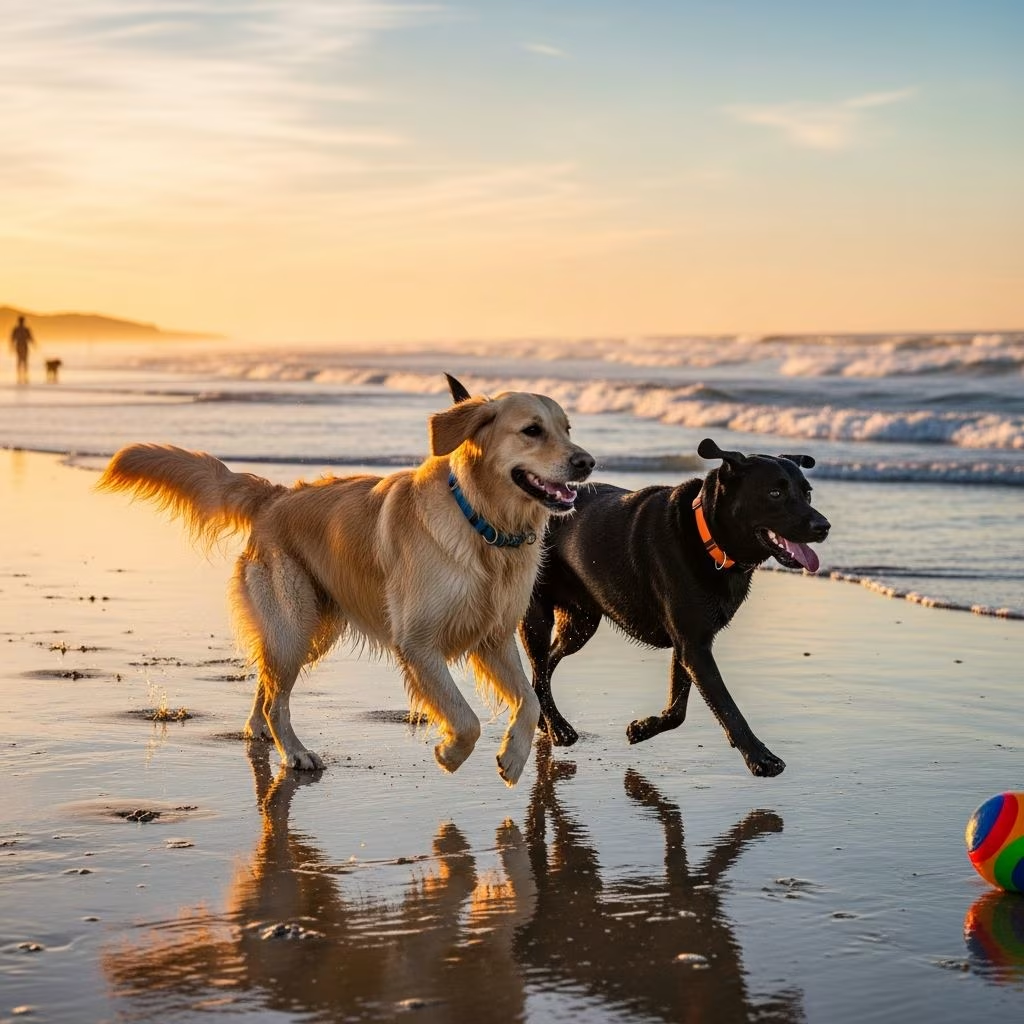
The beach presents an exciting environment for dogs to explore, swim, and enjoy outdoor recreation. However, the coastal setting introduces multiple environmental stressors and hazards that require thoughtful preparation and vigilant supervision. Understanding how to properly prepare for a beach visit, recognize potential dangers, and care for your dog during and after the outing will help ensure a positive experience for both you and your pet.
Understanding Local Beach Regulations and Planning Your Visit
Before packing your beach bag, research the specific regulations that govern your intended beach destination. Many coastal areas implement dog policies that restrict when canines may visit, designate specific zones for dog activities, or prohibit dogs entirely during peak season. Some beaches allow dogs only during off-season months or specific hours of the day when human foot traffic is minimal. Contacting local beach management or visiting their official website provides clarity on these restrictions and helps you avoid disappointment or potential fines.
Once you’ve confirmed a dog-friendly venue, consider the beach characteristics that will affect your dog’s experience. Sandy beaches with gradual water entry are preferable to rocky or pebbly shorelines that can injure paw pads. Beaches with moderate wave action are safer than those prone to strong currents or rough surf conditions. Visiting during cooler hours—early morning or late afternoon—provides a more comfortable environment than midday visits when sand temperatures peak and UV exposure is most intense.
Essential Equipment and Supply Preparation
Successful beach outings require assembling appropriate gear before departure. Prepare your beach kit with the following items:
- Hydration supplies: Bring significantly more fresh water than you anticipate your dog will drink. Dehydration occurs rapidly in hot, sunny conditions, and salt exposure from seawater exacerbates fluid loss. Pack a collapsible bowl that occupies minimal space and allows convenient water access throughout your visit.
- Thermal management equipment: Beach umbrellas, pop-up tents, or portable shade structures provide critical rest areas where your dog can escape direct sun exposure and regulate body temperature. Cooling pads stored in ice-filled coolers offer additional temperature relief.
- Protective gear: Dog-safe sunscreen addresses vulnerable areas including the nose, ears, belly, and any sparsely-haired regions. Protective booties shield paw pads from hot sand and sharp shells during extended walks.
- Water safety equipment: Life jackets designed specifically for dogs provide flotation assistance and allow you to maintain physical contact if your dog requires guidance or rescue. Select jackets with handles positioned across the back for optimal control.
- Cleaning supplies: Pack towels for drying your dog and rinsing away sand and salt. Small poop bags and a larger trash bag maintain beach cleanliness and demonstrate responsible pet ownership.
Managing Temperature Stress and Hydration Needs
Overheating represents one of the most serious risks dogs face at the beach. The combination of direct solar radiation, reflected heat from sand, and physical activity rapidly elevates core body temperature. Unlike humans, dogs cannot cool themselves efficiently through perspiration and instead rely primarily on panting and minimal heat dissipation through their paw pads.
Monitor your dog continuously for overheating indicators including excessive panting, visible drooling, weakness, reluctance to move, or collapse. These symptoms demand immediate intervention: move your dog to shade, provide cool (not cold) water, and seek veterinary evaluation if symptoms persist. Preventing overheating proves far more effective than treating heat-related illness, so schedule frequent mandatory rest breaks in shaded areas even if your dog appears to have unlimited energy.
Actively discourage your dog from consuming seawater, as salt ingestion causes gastrointestinal upset and paradoxically increases dehydration by drawing fluid into the intestinal tract. Offer fresh water at regular intervals—approximately every 15 to 20 minutes during active play. Store water in coolers or insulated containers to maintain cool temperatures that encourage consumption.
Paw Protection Strategies
Sand temperature escalates dramatically during daylight hours and can exceed 140°F (60°C) on hot days, sufficient to cause thermal burns to sensitive paw pads. A simple self-assessment determines whether sand is safe for your dog: if you cannot comfortably stand barefoot on the sand for more than a few seconds, the surface is too hot for your dog.
Several protective approaches minimize paw pad injury risk:
- Schedule beach visits during early morning hours before sand reaches peak temperatures or late afternoon after solar intensity diminishes
- Walk primarily on wet sand near the water’s edge, where evaporative cooling maintains lower temperatures
- Carry your dog across extremely hot sand sections rather than allowing extended walking
- Apply protective booties specifically designed for dog paws during extended walks on hot surfaces
- Provide towels or blankets for your dog to rest on rather than directly on hot sand
After your visit, inspect paw pads carefully for thermal burns, which appear as redness, blistering, or peeling skin. Check between toes and pad crevices where sand and salt accumulate and potentially irritate skin.
Water Safety and Swimming Supervision
Not all dogs possess natural swimming ability, and individual variation in water comfort exists widely. Introduce water-hesitant dogs gradually by allowing them to wade in shallow areas before attempting deeper water entry. Never force reluctant dogs into water or engage in throwing-based games that pressure them to enter deeper zones.
Maintain constant direct visual supervision of your dog during all water activities. Even strong swimmers can struggle against unexpected currents, powerful waves, or fatigue during extended swimming sessions. Rough water conditions significantly increase drowning risk, and rough-weather beach days warrant keeping dogs out of the water entirely.
Life jackets serve multiple functions beyond simple flotation: they provide handles allowing you to maintain physical contact and assist your dog if needed, they increase visibility making it easier to track your dog in water, and they build confidence in less-experienced swimmers. Select life jackets with minimal restriction of natural movement and comfortable padding at contact points.
Consider using 20 to 30-foot long leashes while your dog swims, allowing sufficient freedom for enjoyable movement while enabling you to prevent your dog from swimming beyond safe distances from shore. This approach proves particularly valuable for dogs that haven’t mastered reliable recall commands in high-distraction environments.
Recognizing and Avoiding Environmental Hazards
Beaches present numerous hazards beyond heat and water conditions. Develop awareness of common beach-specific dangers:
| Hazard Type | Characteristics | Prevention Strategy |
|---|---|---|
| Jellyfish and Man o’Wars | Tentacles can sting even after death; toxins vary in severity | Monitor beach conditions; maintain distance from deceased creatures |
| Sharp Shells and Sea Glass | Cutting edges cause paw pad lacerations and mouth injuries | Inspect play areas; use paw protection; supervise closely |
| Seaweed and Debris | Can entangle limbs or become ingested causing blockages | Keep away from accumulated seaweed piles; prevent eating seaweed |
| Aggressive Seagulls | May pursue dogs or steal food; can bite if threatened | Secure all food; maintain control; avoid areas with large gull populations |
| Trash and Hazardous Objects | Plastic bags, fishing line, and discarded items create injury and ingestion risks | Scan play areas; keep dogs away from debris; maintain close supervision |
Excessive sand ingestion poses an underestimated risk, as accumulated sand in the digestive tract can cause intestinal blockages requiring surgical intervention. Watch your dog during digging activities and redirect excessive sand consumption before it becomes problematic.
Training and Behavioral Preparation
Beach environments present intense distractions including novel wildlife, running dogs, strong scents, and water movement. Dogs lacking solid foundational training in recall and impulse control face increased safety risks, as they may chase wildlife, wander into hazardous areas, or engage in conflict with other dogs.
Before beach visits, ensure your dog reliably responds to your verbal commands despite environmental distractions. Practice recall commands in progressively more stimulating environments, rewarding consistent compliance with high-value treats or toys. Dogs that haven’t achieved reliable off-leash recall benefit from remaining on long leashes during beach visits, allowing sufficient freedom for enjoyable play while maintaining safety control.
Introduce your dog to beach environments gradually if they lack prior coastal experience. Short initial visits focused on positive experiences—wading in shallow water, playing on sand, exploring new scents—build confidence and establish beach visits as enjoyable activities rather than stressful experiences.
Post-Visit Cleaning and Health Assessment
Salt and sand exposure creates post-visit care requirements that prevent skin irritation, ear infections, and digestive issues. Thorough rinsing with fresh water immediately after your beach visit removes salt deposits and loosened sand from your dog’s coat, paws, and between toes. Pay particular attention to areas where skin folds or dense fur may trap moisture and salt residue.
Inspect your dog’s paws carefully for embedded sand, shell fragments, or signs of thermal damage. Check ears for sand accumulation, which can cause otitis externa (ear canal inflammation) if left unaddressed. Examine the mouth and teeth for sand or debris that may have accumulated during play.
Monitor your dog during the 24 to 48 hours following beach visits for signs of illness that might indicate salt water ingestion, excessive sun exposure, or exposure to bacterial contaminants. Symptoms including vomiting, diarrhea, lethargy, or loss of appetite warrant veterinary evaluation.
Age-Related and Individual Considerations
Puppies and senior dogs require modified beach protocols accounting for their specific physiological limitations. Puppies lack full thermoregulation development and tire more quickly, necessitating frequent breaks and shortened visit duration. Senior dogs with reduced mobility, vision changes, or underlying health conditions may struggle with uneven sand terrain and temperature stress. Breed-specific considerations also apply—thick-coated breeds experience greater heat stress than short-coated varieties, and brachycephalic (flat-faced) breeds face elevated heat stroke risk due to compromised respiratory cooling mechanisms.
Frequently Asked Questions
Can all dogs swim safely in ocean water?
Not all dogs are natural swimmers. Individual swimming ability depends on breed characteristics, prior water experience, and personal comfort levels. Introduce water-hesitant dogs gradually, always supervise swimming activities, and consider life jackets for less-experienced swimmers or during rough water conditions.
How often should I offer water to my dog at the beach?
Offer fresh water every 15 to 20 minutes during active beach activities, or more frequently on extremely hot days. Keep water in shaded areas and use coolers to maintain cool temperatures that encourage consumption.
What temperature indicates sand is too hot for my dog?
Use the barefoot test: if you cannot comfortably stand on the sand for several seconds, it’s too hot for your dog’s paws. Generally, sand becomes dangerously hot between mid-morning and late afternoon during warm months.
Should I use human sunscreen on my dog?
No—use only dog-specific sunscreen formulated for animal skin. Human sunscreen products may contain ingredients toxic to dogs or cause skin irritation. Apply dog sunscreen to vulnerable areas including the nose, ears, and sparsely-haired regions.
What should I do if my dog shows signs of overheating?
Move your dog to shade immediately, provide cool water, and apply cool (not cold) water to their body. Seek veterinary care if symptoms including excessive panting, drooling, weakness, or collapse persist after cooling measures.
References
- 10 Beach Safety Tips for Dogs — Hometown Veterinary Partners. Accessed February 2026. https://hometownvetpartners.com/10-beach-safety-tips-for-dogs/
- Beach Safety for Dogs: Do’s and Don’ts for a Safe Day in the Sand — Aera Vet. Accessed February 2026. https://www.aeravet.com/blog/beach-safety-for-dogs-do-s-and-don-ts-for-a-safe-day-in-the-sand
- 7 Tips for Bringing Your Dog to the Beach — Animal Behavior College. Accessed February 2026. https://www.animalbehaviorcollege.com/blog/lifestyle/7-tips-for-bringing-your-dog-to-the-beach/
- Paws and Relax: Essential Beach Safety Tips for Your Dog — Dog Tired SC. Accessed February 2026. https://www.dogtiredsc.com/beach-safety-tips-for-dogs/
- Beach Tips to Keep Your Dog Safe — Englishtown Vet MD. Accessed February 2026. https://www.englishtownvet.com/blog/beach-tips-to-keep-your-dog-safe/
- 5 Tips for Taking Your Dog to the Beach — Chewy. Accessed February 2026. https://www.chewy.com/education/dog/pet-parenting/taking-dog-to-beach-tips



