

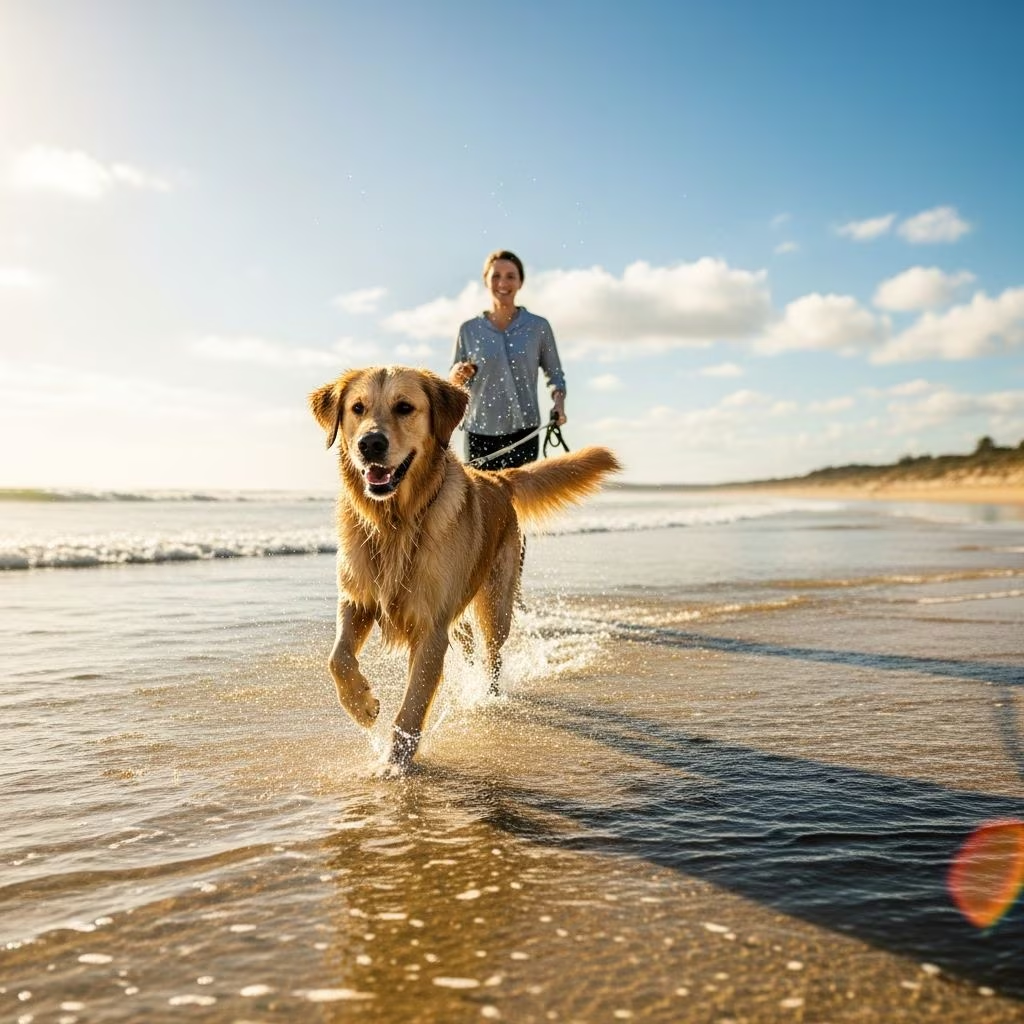
Bringing your dog to the beach offers boundless opportunities for play, exercise, and bonding amid crashing waves and open sands. However, coastal environments present unique challenges like intense heat, sharp debris, and strong currents that demand proactive planning. This guide outlines comprehensive steps to safeguard your pet, drawing from veterinary insights and practical experiences to transform potential pitfalls into a day of pure enjoyment.
Planning Your Coastal Adventure
Success starts with thorough preparation. Begin by researching dog-friendly locations, as many public beaches enforce seasonal bans, leash mandates, or specific off-leash zones. Contact local authorities or check municipal websites for current ordinances, which often restrict access during peak tourist hours to protect wildlife and visitors. Timing matters too—opt for early mornings or late afternoons to dodge midday sun when temperatures soar and sands scorch.
Assess your dog’s temperament and physical condition. Puppies, seniors, or breeds with short snouts like Bulldogs may struggle more in humid, salty air. Update vaccinations, flea preventatives, and identification tags or microchips, ensuring contact details are current in case of unexpected separations. Pack a dedicated beach kit: collapsible bowls, gallon jugs of fresh water kept chilled in a cooler, waste bags, towels, and pet-safe sunscreen for light-coated or thin-skinned dogs.
Essential Gear for Protection and Comfort
Equipping yourself with the right tools prevents common issues. A long-line leash (at least 10 feet) allows exploration while maintaining control, especially near water where sudden rips or distractions like seabirds can occur. Avoid retractable varieties, which tangle easily in sand or waves.
- Shade solutions: Pop-up canopies, large umbrellas, or cooling mats provide respite from UV exposure, critical since dogs can’t sweat efficiently.
- Paw defenders: Booties with rubber soles shield against burns and cuts; test sand heat by holding your hand down for five seconds—if uncomfortable, carry your dog to wetter areas.
- Hydration aids: Insulated bottles and frozen treats like broth-filled toys encourage drinking while cooling internally.
- Cleanup supplies: Multiple towels for drying and rinsing, plus enzymatic cleaners for any accidents.
For swimming, invest in a canine life vest with a handle for easy retrieval, particularly for non-native swimmers or in choppy conditions. These vests feature bright colors for visibility and ripstop fabric to withstand saltwater abrasion.
Combating Heat and Dehydration Risks
Beaches amplify overheating dangers due to reflected sunlight and limited shade. Dogs pant to cool down, but excessive open-mouth breathing, drooling, or lethargy signals distress—act immediately by relocating to shade, offering cool (not ice-cold) water, and seeking veterinary care if symptoms persist.
| Heatstroke Signs | Immediate Actions |
|---|---|
| Heavy panting, bright red gums | Move to shade, wet with cool water |
| Weakness, vomiting | Offer small sips of water, fan gently |
| Seizures, collapse | Rush to vet—do not drive alone |
Prevent dehydration by offering water every 20-30 minutes, more post-swim or play. Discourage seawater gulps, which exacerbate salt imbalance leading to vomiting or worsened thirst. Studies from veterinary associations emphasize that beachgoers often underestimate fluid loss in pets, mirroring human risks in hot climates.
Water Safety and Swimming Protocols
Not all dogs take to water instinctively; introduce gradually in shallow, calm areas away from surfers or boats. Supervise constantly—never turn away, as currents can pull even strong swimmers offshore. Use the life jacket and long leash clipped to it for novice pups.
Monitor water quality post-rain, when bacteria levels spike, per environmental agency advisories. Steer clear of foam or discolored patches indicating pollutants. For rough seas, skip swimming altogether; instead, let them splash in tide pools or along the shore.
Navigating Beach Hazards
Shores teem with threats: jagged shells lacerate paws, jellyfish stings cause pain or allergies, and discarded fishing gear poses choking risks. Rotted fish or seaweed harbor bacteria, triggering gastrointestinal upset if ingested. Keep vigilant, using voice commands or the leash to redirect curiosity.
- Scan for trash, hooks, and plastics before unleashing.
- Avoid areas with heavy seaweed piles, home to parasites.
- Watch for sand fleas, especially at dawn/dusk—apply pet-safe repellents to belly and paws.
Sand ingestion from digging or grooming is sneaky; compacted in intestines, it forms blockages requiring surgery. Limit burrowing with toys and rinse promptly.
Not Every Dog is Beach-Ready
Recognize limitations. Anxious, reactive, or mobility-impaired dogs may find crowds overwhelming. Breeds prone to water intolerance, like those with heavy coats, overheat faster. Trial shorter visits first to gauge reactions. If your pet shows fear of waves or crowds, consider dog parks or lakes as gentler alternatives.
Post-Beach Cleanup and Health Checks
End the day right to avert irritations. Hose off thoroughly with fresh water, focusing on paws (sand lodges between toes), ears (traps moisture), and underbelly. Dry completely to prevent hot spots or yeast growth from damp fur.
Inspect for injuries: red paws indicate burns, swelling suggests stings. Trim nails if softened by water. Feed a bland meal if sand was consumed, and monitor stool for blockages over 48 hours.
Frequently Asked Questions
Can all dogs wear booties on hot sand?
Most tolerate them after acclimation; start with short wears at home. Choose breathable, adjustable fits to avoid blisters.
How much water does my dog need at the beach?
Plan for 1 ounce per pound of body weight daily, doubled in heat—e.g., 50 pounds needs about a gallon.
What if my dog swallows seawater?
Expect vomiting; withhold food briefly, provide fresh water, and consult a vet if diarrhea follows.
Are dog sunscreens necessary?
Yes for pink noses or thin fur; apply liberally, reapplying after swims. Human formulas irritate.
Best time to avoid sand flea bites?
Midday; use repellents and skip digging in infested sands.
Building Lasting Beach Memories
With diligence, beach trips strengthen your bond while delivering physical and mental stimulation. Rotate toys to sustain engagement, capture photos safely, and respect fellow beachgoers by cleaning up. Regular outings build confidence in water-shy dogs, fostering lifelong adventurers. Always prioritize welfare over play duration—happy, healthy dogs make the best companions.
References
- 10 Beach Safety Tips for Dogs — Hometown Vet Partners. 2023. https://hometownvetpartners.com/10-beach-safety-tips-for-dogs/
- 7 Tips for Bringing Your Dog to the Beach — Animal Behavior College. 2023. https://www.animalbehaviorcollege.com/blog/lifestyle/7-tips-for-bringing-your-dog-to-the-beach/
- Paws and Relax: Essential Beach Safety Tips for Your Dog — Dog Tired SC. 2024. https://www.dogtiredsc.com/beach-safety-tips-for-dogs/
- Beach Tips to Keep Your Dog Safe — Englishtown Vet. 2023. https://www.englishtownvet.com/blog/beach-tips-to-keep-your-dog-safe/
- Taking Your Dog to the Beach — Zoetis Petcare. 2024. https://www.zoetispetcare.com/blog/article/taking-dog-beach



