

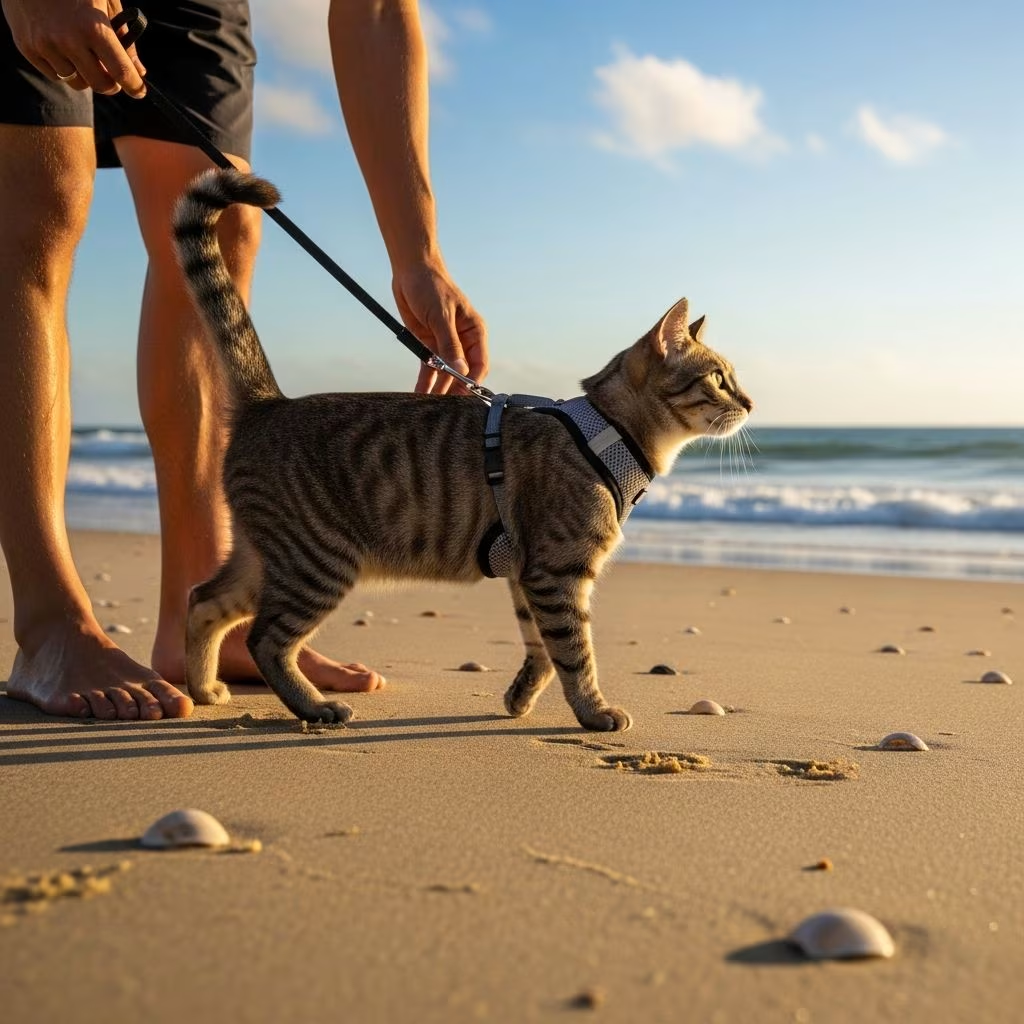
Bringing your cat to the beach offers a unique chance for outdoor exploration, but it demands careful planning to protect against environmental stresses and hazards. While most cats prefer familiar indoor settings, adventurous felines can thrive with proper precautions like secure restraints and shade.
Assessing Your Cat’s Readiness for Beach Outings
Before any trip, evaluate if your cat enjoys new experiences. Indoor cats often find the beach overwhelming due to crashing waves, shifting sands, and open spaces, which can trigger anxiety. Observe reactions to car rides or leashed walks at home; stressed cats show signs like flattened ears, dilated pupils, or hiding. Only proceed if your cat remains calm in carriers and harnesses during practice sessions.
- Start with short, positive outdoor trials to build tolerance.
- Avoid beaches if your cat panics in unfamiliar noises or textures.
- Consult a vet for anxious pets to rule out health issues exacerbating stress.
Finding Pet-Welcoming Coastal Spots
Not all beaches permit cats, so research local rules first. Many areas ban pets or restrict them to leashed zones to protect wildlife and visitors. Opt for quieter stretches early mornings or off-seasons when crowds are minimal, reducing encounters with dogs or vehicles.
| Beach Type | Pros for Cats | Cons |
|---|---|---|
| Secluded | Less noise, fewer dogs | Possible wildlife hazards |
| Designated Pet Areas | Legal access, amenities | Still crowded at peak times |
| Private Beaches | Controlled environment | May require fees or permission |
Mastering Harness and Leash Training
A well-fitted harness is non-negotiable for beach safety, preventing escapes into dunes or surf. Unlike collars, harnesses distribute pressure across the chest, avoiding neck strain during pulls. Begin training weeks ahead: let your cat wear it indoors with treats, gradually adding short leashed walks.
Key harness features include adjustable straps mimicking a vest design, covering shoulders securely. Pair with a narrow flat or bungee leash to minimize tangles; avoid retractables initially as their mechanisms can startle cats.
- Measure chest and girth for perfect fit—too loose risks slippage.
- Use high-value treats during sessions to create positive associations.
- Practice in varied terrains like grass before sand.
Packing the Ultimate Beach Kit for Your Feline
Preparation ensures comfort amid sun, sand, and salt. Essentials include a ventilated carrier for transport, multiple water bottles with a collapsible bowl, and portioned food to maintain routines.
- Cat-safe sunscreen for light-skinned or thin-coated areas like noses, ears, and bellies—apply 30 minutes before exposure.
- Shaded pop-up tent or umbrella for breaks from UV rays.
- Bug repellent formulated for pets, towels for cleanups, and waste bags.
- Microchip verification and ID collar as backups to harness.
Combating Heat and Hydration Challenges
Cats overheat faster than humans due to limited sweating; beaches amplify this with reflective sand and high humidity. Limit direct sun to 20-minute bursts, prioritizing shade and airflow. Offer fresh water frequently—ocean saltwater causes vomiting or dehydration if ingested.
Monitor for panting, drooling, or lethargy as heatstroke signals. Light-colored cats burn easily, so reapply pet sunscreen every two hours.
Navigating Beach Hazards Step by Step
Sand sticks to fur, leading to ingestion during grooming and potential blockages. Sharp shells, jellyfish, seaweed, or trash pose injury risks; off-leash dogs and ATVs add dangers. Never allow water access—cats struggle in currents and lack shore orientation.
- Scan for glass, hooks, or beached creatures before settling.
- Rinse paws and coat post-play to remove grit and salt, preventing skin irritation.
- Supervise constantly; a momentary distraction can lead to chases or fights.
Travel Logistics: Carrier Comfort and Car Rides
Use a sturdy carrier for all transit—cats feel secure in enclosed spaces. Acclimate weeks prior by leaving it open with familiar bedding and toys scented from home. Secure it in the car away from direct sun, with AC on moderate to avoid chills or heat.
Short trips minimize stress; plan stops for water and litter if needed, though beaches lack facilities.
Post-Beach Cleanup and Recovery Routine
Upon return, bathe or wipe with damp cloths to expel sand and salt, focusing on paws and underbelly. Brush thoroughly and check for ticks or wounds. Resume normal feeding and play to reassure; watch for GI upset from sand or saltwater exposure over 24-48 hours.
Debrief: Note what worked for future tweaks, like shorter visits if overwhelmed.
Common Pitfalls and How to Avoid Them
| Mistake | Risk | Solution |
|---|---|---|
| No prior training | Panic bolting | Weeks of gradual exposure |
| Human sunscreen | Toxicity | Vet-approved pet formula |
| Unshaded lounging | Sunburn/heatstroke | Rotate shade and limits |
| Off-leash freedom | Loss or injury | Harness at all times |
FAQs: Beach Trips with Cats
Is the beach safe for cats?
Yes, with precautions like harnesses, shade, and supervision, but skip for timid cats.
What sunscreen works for cats?
Use vet-recommended, non-toxic formulas on exposed skin; avoid human products.
How to stop sand ingestion?
Wipe paws frequently and rinse post-visit; provide fresh water to deter saltwater drinking.
Can cats swim at beaches?
No—keep them away from water; they tire quickly and risk disorientation.
How long should sessions last?
1-2 hours max, with breaks; gauge by your cat’s cues.
Benefits of Beach Time for Curious Cats
Beyond novelty, supervised outings stimulate senses, reduce boredom, and strengthen bonds. Confident cats gain confidence exploring new smells and textures safely.
References
- Can I bring my cat to the beach? Will it be safe for her — Dial A Vet. 2023. https://www.dialavet.com/vet-answers/bring-cat-to-beach-safely-50998
- Tips for Taking Your Cat to the Beach — PetBarn KW. 2024. https://petbarnkw.com/tips-for-taking-your-cat-to-the-beach/
- Can I Take My Cat to the Beach? — Pet Assure. 2023. https://www.petassure.com/maxscorner/can-i-take-my-cat-to-the-beach/
- How to Take Your Indoor Cat to the Beach! — Lore and Tempo. 2024. https://loreandtempo.com/indoor-cat-at-the-beach/
- Beach Safety for Cats and Dogs — Waccamaw Veterinary. 2014-05-01. https://waccamawveterinary.com/2014/05/01/myrtle-beach-vet-beach-safety-cats-dogs/
- Do’s and Don’ts for Taking Your Pet to the Beach — Small Miracles Animal Hospital. 2024. https://www.smallmiraclesanimalhospital.vet/post/beach



