

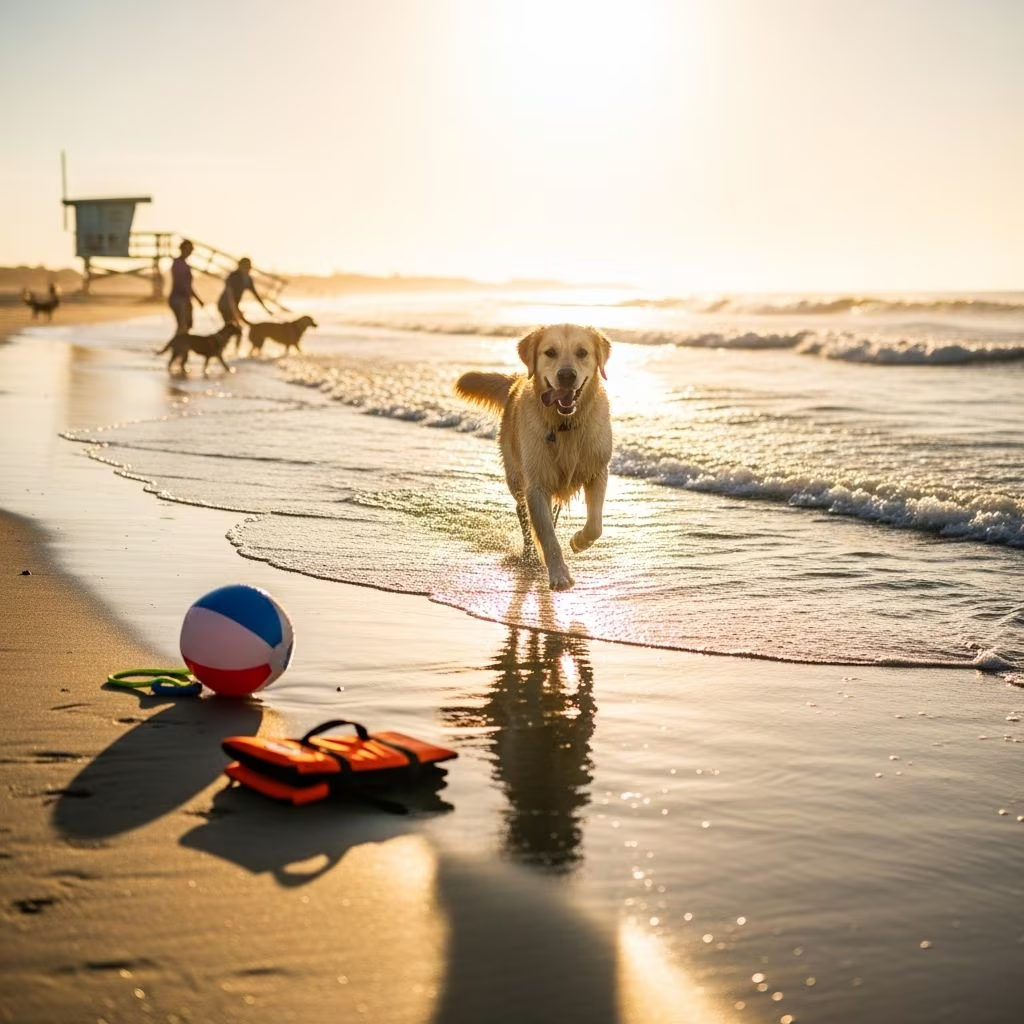
Taking your dog to the beach offers a perfect blend of exercise, play, and bonding in a scenic environment. However, coastal areas present unique challenges like intense sun, rough waters, and hidden dangers. Proper planning transforms potential risks into memorable experiences. This guide draws from veterinary recommendations to outline preparation, essential equipment, hazard avoidance, and aftercare routines.
Preparation Before Hitting the Shore
Success starts with thorough research and conditioning. Begin by verifying local regulations, as many beaches restrict canine access or enforce specific hours and leash rules. Contact parks departments or check signage to avoid fines or ejection. Consult your veterinarian for a health check, especially if your dog has conditions like arthritis or heart issues that could worsen in heat.
Assess your dog’s swimming ability and comfort with water. Practice in calm pools or lakes beforehand. Gradually introduce booties, life jackets, and sunscreen to prevent stress on the big day. Pack a checklist: fresh water (at least one gallon per dog for a full day), collapsible bowls, towels, waste bags, toys that float but don’t collect sand, and first-aid supplies like tweezers for jellyfish stings or antiseptic wipes.
- Timing matters: Opt for early mornings or late afternoons to dodge peak heat and crowds.
- Vehicle prep: Ensure air-conditioned transport with cooling mats and never leave your dog unattended in a car.
- Diet adjustment: Feed a light meal hours before to minimize vomiting risks during swims.
Gearing Up for Coastal Fun
Specialized equipment enhances safety without restricting play. A pet life jacket is non-negotiable for weak swimmers, puppies, or seniors—choose adjustable models with handles for easy retrieval. Long leads (20-30 feet) attached to harnesses allow exploration while maintaining control, outperforming retractable leashes that tangle in waves.
Protective booties shield paws from scalding sand and sharp debris; test them at home for fit. Pet-safe sunscreen (zinc oxide-free) guards pink noses, ears, and bellies against burns—apply liberally and reapply post-swim. Cooling vests or mats, pre-chilled in a cooler, provide instant relief during rests.
| Gear Item | Purpose | Pro Tip |
|---|---|---|
| Life Jacket | Buoyancy support | Fit snugly under chin and tail; practice swimming with it. |
| Long Leash & Harness | Controlled freedom | Use non-retractable; attach to harness to avoid neck strain. |
| Booties | Paw protection | Opt for breathable, grippy soles; carry spares. |
| Sunscreen | UV prevention | Reapply every 2 hours or after water exposure. |
| Shade Umbrella/Canopy | Heat relief | Anchor securely against wind. |
Navigating Beach Hazards Step-by-Step
Sand, surf, and sun amplify everyday risks. Hot sand tops the list: test by pressing your hand down for five seconds—if it’s uncomfortable, carry your dog or stick to wet areas. Midday temperatures can exceed 120°F, causing instant burns.
Seawater ingestion leads to salt toxicity, vomiting, and dehydration; discourage drinking by offering fresh water constantly. Sand swallowing risks intestinal blockages, mimicking concrete in the gut—use toys that rinse clean and rinse your dog thoroughly post-play.
Marine life poses threats: jellyfish stings cause pain and swelling, stingrays hide in shallows, and sharp shells cut pads. Scan for trash, fishing hooks, and glass shards. Wildlife like birds or stray animals can trigger chases into danger zones.
Water Safety Protocols
Shallow, calm waters only—no riptides or boat traffic. Stay within arm’s reach, even for strong swimmers, as exhaustion hits fast. Avoid throwing toys into deep surf to prevent aspiration. Life jackets double as visibility aids amid waves.
Heat and Sun Management
Overheating symptoms include heavy panting, drooling, lethargy, or collapse. Provide constant shade and water breaks every 30 minutes. Wet towels or cooling sprays help, but exit immediately if distress appears—seek vet care for heatstroke.
Supervision and Etiquette Essentials
Vigilance prevents mishaps and conflicts. Monitor for exhaustion, limping, or odd behaviors. Leash etiquette respects other visitors: pick up waste promptly and yield space to nervous dogs or families. Introduce playmates slowly to avoid fights.
- Scan horizons for hazards every 10 minutes.
- Keep sessions short: 1-2 hours max for most dogs.
- Respect no-dog zones and cleanup rules.
Post-Beach Recovery Routine
The fun doesn’t end at the shore—home care prevents issues. Rinse thoroughly to remove salt, sand, and fleas; focus on ears, paws, and underbelly. Dry completely to avoid fungal growth. Inspect for injuries: red paws, stings, or cuts need vet attention.
Offer bland food if vomiting occurs and monitor hydration. Rest in cool areas for 24 hours. Watch for delayed symptoms like diarrhea from sand or lethargy from overexertion. Annual flea preventives may miss sand fleas—use vet-approved sprays for these.
Frequently Asked Questions (FAQs)
Can all dogs handle beach trips?
No—short-nosed breeds like Bulldogs struggle with heat, and seniors or overweight dogs tire quickly. Consult a vet first.
What if my dog eats sand or seawater?
Watch for vomiting or constipation; small amounts pass, but blockages require urgent surgery. Hydrate heavily with fresh water.
Are dog booties necessary?
Essential on hot days or rough beaches; they prevent burns and cuts without hindering play.
How do I protect against jellyfish?
Stick to lifeguard-patrolled areas and rinse stings with vinegar followed by fresh water. Seek medical help for severe reactions.
What’s the best beach time for dogs?
Dawn or dusk minimizes heat and crowds, improving safety and enjoyment.
Advanced Tips for Frequent Beach-Goers
For regulars, invest in a beach kit: portable shower for rinses, anti-flea collars, and GPS trackers for leashes. Train recall commands in distracting environments. Join dog-friendly beach groups for updates on conditions. Consider pet insurance covering adventure-related incidents.
Seasonal awareness matters—summer storms brew riptides, while winter beaches hide burrs or cold shocks. Track local water quality via apps to avoid bacteria hotspots.
References
- Beach Safety for Dogs — FOUR PAWS USA. 2023. https://www.fourpawsusa.org/our-stories/publications-guides/beach-safety-for-dogs
- 7 Tips for Bringing Your Dog to the Beach — Animal Behavior College. 2023. https://www.animalbehaviorcollege.com/blog/lifestyle/7-tips-for-bringing-your-dog-to-the-beach/
- Taking Your Dog to the Beach: Tips & Safety — American Kennel Club. 2024-06-15. https://www.akc.org/expert-advice/travel/tips-for-taking-dog-to-beach/
- Beach Tips to Keep Your Dog Safe — Englishtown Veterinary Hospital. 2023. https://www.englishtownvet.com/blog/beach-tips-to-keep-your-dog-safe/
- 7 Dog Beach Tips — Veg.com. 2023. https://www.veg.com/post/7-dog-beach-tips
- Taking Your Dog to the Beach — Zoetis Petcare. 2024. https://www.zoetispetcare.com/blog/article/taking-dog-beach
- Dogs at the Beach: Safety Tips for Summer Fun — Taste of the Wild Pet Food. 2023. https://www.tasteofthewildpetfood.com/articles/lifestyle/dogs-at-beach/



