

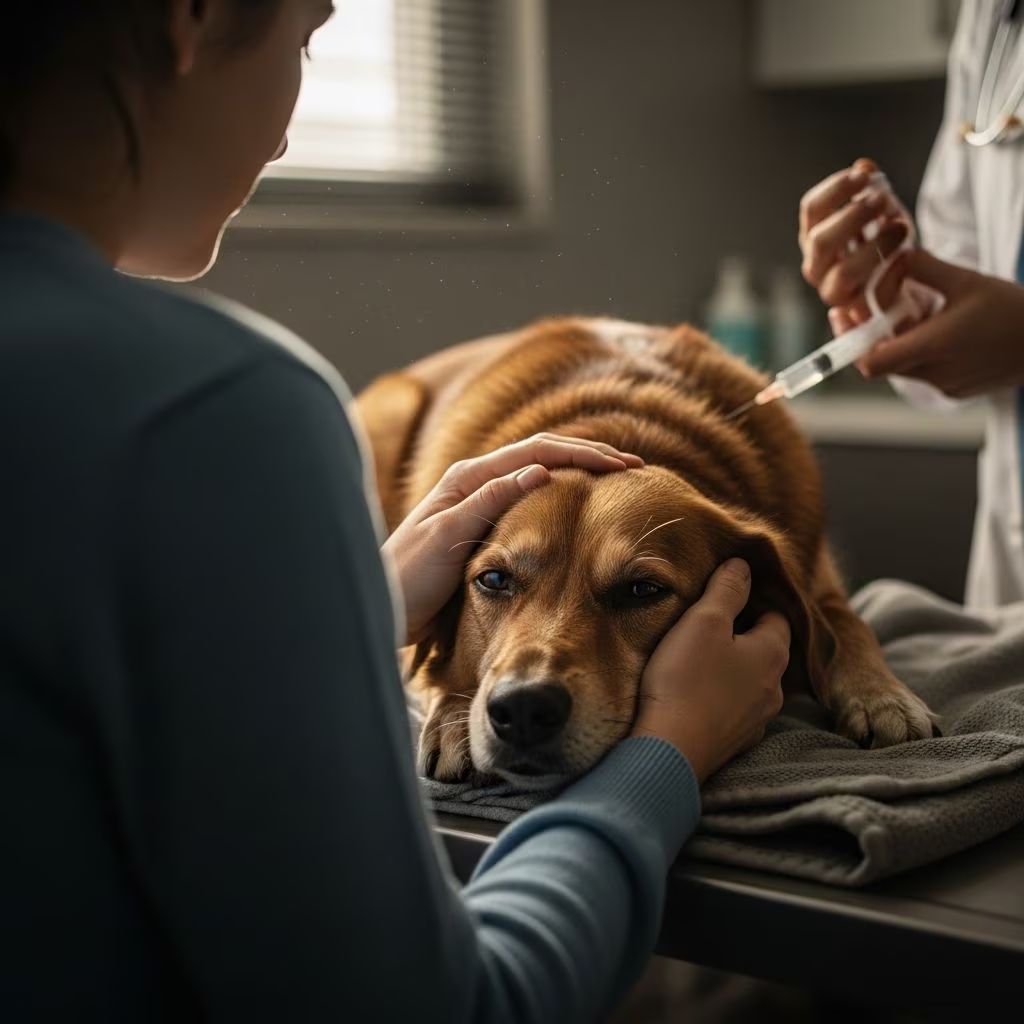
Should You Be With Your Dog During Euthanasia?
Deciding whether to be present when your dog is euthanized is one of the most difficult choices a pet parent can face. This deeply personal decision involves weighing emotional, psychological, and practical considerations. Understanding the euthanasia process, what your dog experiences, and how your presence—or absence—may affect both you and your pet can help guide this important choice.
Understanding What Euthanasia Feels Like for Your Dog
Many pet parents worry about their dog’s experience during euthanasia, but veterinary professionals emphasize that the process is painless and comparable to general anesthesia. For dogs, the euthanasia experience is exactly the same as going under general anesthesia for surgery, and owners aren’t typically present for surgical procedures. The veterinarian administers an injection that causes your dog to gradually lose consciousness and then peacefully pass away. Your dog does not experience pain, fear, or distress during this carefully controlled medical procedure.
Understanding this physiological reality can help ease some of the anxiety surrounding the decision to be present or absent. Your dog’s comfort and welfare remain the veterinary team’s primary concern throughout the process.
Booking the Date: Preparing for the Appointment
Once you’ve made the difficult decision to proceed with euthanasia, scheduling the appointment is an important first step. This allows you time to prepare mentally and emotionally for what lies ahead. During the booking process, you can discuss with your veterinary team what to expect, ask questions about the procedure, and plan any special arrangements you’d like to make for your dog’s final moments.
Taking time to book and prepare, rather than rushing into an emergency procedure, can provide a sense of control during an otherwise overwhelming situation. It also allows your dog to remain comfortable at home for their final days or weeks.
Reasons People Choose to Stay With Their Dogs
Many pet parents decide to be present during their dog’s euthanasia for deeply meaningful reasons:
- Continuity of Care: Some pet parents, like Jo Westwood, who was present for the euthanasia of three dogs—Presto, George, and Susie—feel they must be there because they’ve been present for every important moment in their dog’s life. Jo explains, “I’d been with Presto through everything else, I couldn’t leave him with someone he didn’t know for this.” Being present during euthanasia feels like a natural continuation of the bond you’ve shared.
- Closure and Certainty: Lorna, another pet parent, felt she needed to witness the process to avoid lingering questions and doubt. “If I didn’t see it, I’d wonder, how did they die? Were they looking for me? Were they scared? Did they feel pain?” Being present provides definitive closure and eliminates uncertainty about your dog’s final moments.
- Final Moments Together: For many, being present allows for one last opportunity to be near their beloved companion, to hold them, and to say goodbye in a meaningful way.
- Witnessing Peace: Observing that your dog passes peacefully can be comforting and help dispel fears about the process.
Reasons Some People Choose Not to Stay
It’s equally important to acknowledge that being present is not the right choice for everyone. According to Georgina Silverman, a registered veterinary nurse at the Royal Veterinary College, there are valid reasons why some pet parents choose not to be present:
- Emotional Overwhelming: The experience can be intensely distressing and emotionally overwhelming. Georgina notes that “there are a lot of heavy and strong emotions – it may be too distressing or overwhelming, sometimes our clients feel that they may not be able to cope.”
- Personal Coping Abilities: Some people recognize that their emotional response might be so severe that they cannot function or support their dog during the procedure.
- Pet’s Comfort: Interestingly, some dogs may feel more at peace in a veterinary setting away from their owners. Individual dogs have different preferences, and being separated from an emotionally distressed owner might allow some dogs to remain calmer.
- Guilt and Moral Burden: Research on veterinary ethics reveals that some pet parents experience intense guilt about euthanasia decisions and may find being present to be psychologically damaging.
Practical Preparations for Being Present
If you decide to be present during your dog’s euthanasia, practical preparations can help make the experience more dignified and manageable:
- Puppy Pads and Blankets: During euthanasia, your dog’s entire body relaxes as consciousness fades. This relaxation means your dog might urinate or defecate, which is a completely natural bodily response. Lorna prepares for this by placing puppy pads and blankets in the room. As she explains, “It’s not about wanting to keep things clean, but about my dogs feeling dignity at the end.”
- Calming Environment: Creating a peaceful atmosphere can help soothe both you and your dog. Lorna uses classical music to keep the environment calm and peaceful during the procedure. She also manages her own emotional response carefully, trying not to cry, explaining, “As hard as it is, I try not to cry as I don’t want their last memory to be us sobbing.”
- Familiar Comfort Items: Bringing your dog’s favorite blanket, toy, or anything familiar can provide comfort.
- Questions for Your Veterinarian: The veterinary team can ask important questions about your pet’s preferences for handling and which areas to avoid. This ensures your dog’s comfort throughout the process.
How to Decide What’s Right for You and Your Dog
Georgina Silverman emphasizes that there is no right or wrong choice—the decision should be based on what’s best for your individual situation. To help you decide, consider these steps:
- Prioritize Your Dog’s Welfare: The primary consideration should always be your dog’s comfort and wellbeing. Some animals feel more peace in a veterinary setting away from their owners, whereas others feel comforted by their owner’s presence.
- Speak With Your Veterinary Team: Have an open conversation with your vet about the process. They can guide you through what to expect—before, during, and after. This discussion can help you feel more prepared and less anxious about the experience.
- Reflect on Your Bond: Consider the nature of your relationship with your dog. Think about how your dog typically responds to stressful situations and whether your presence would be comforting or anxiety-inducing.
- Be Honest About Your Emotional Capacity: Assess whether you can be emotionally present and calm during the procedure, or whether your distress might negatively impact your dog.
- Remember That Every Dog is Different: Just as each dog has a unique personality, each dog’s needs and preferences differ. What was right for one pet might not be right for another.
The Benefits of Family Presence During Pet Euthanasia
Research on pet euthanasia practices supports several benefits of family togetherness during the procedure:
- Increased pet security and comfort from familiar loved ones being close by
- Opportunity for the veterinary team to gather information about the pet’s handling preferences
- Certainty that your pet has peacefully passed, eliminating doubt
- A precious time to reflect on your pet’s life and say goodbye in a supportive environment
- The real family being present instead of the veterinary team playing a pseudo-family role
After the Goodbye: Managing Your Grief
The death of a beloved dog can be profoundly difficult. Lorna, who was present for multiple dogs’ euthanasias, shares that the loss of her dogs has affected her more deeply than many human losses she’s experienced. This is a completely valid and common response. Pet loss grief is real, significant, and deserves acknowledgment and support.
Grief Support Strategies
Several approaches can help you process your grief after your dog’s death:
- Normalize the Conversation: Talk openly about how you’re feeling. Lorna emphasizes, “We need to make this normal and chat about how it really feels.”
- Connect With Others: Seek out communities of people who have experienced pet loss. Lorna created an Instagram page in honor of her dog Anna, called Nana Anna’s Angels, and connected with other dog parents dealing with death.
- Create Memorials: Honoring your dog’s memory through memorials, photos, or dedicated spaces can facilitate the grieving process.
- Professional Support: Consider speaking with a grief counselor or therapist who specializes in pet loss if your grief feels overwhelming.
- Allow Time to Heal: Grief doesn’t follow a timeline. Be patient and compassionate with yourself as you process the loss.
Frequently Asked Questions
Q: Is euthanasia painful for dogs?
A: No. The euthanasia experience is identical to going under general anesthesia for surgery. Your dog gradually loses consciousness and does not experience pain or distress.
Q: Will my dog know if I’m not present during euthanasia?
A: Your dog loses consciousness very quickly during the procedure, so they won’t be aware of your absence once the injection is administered.
Q: What happens to my dog’s body after euthanasia?
A: Discuss this with your veterinary team. Options typically include cremation (private or communal), burial, or other arrangements. Your vet can explain all available options.
Q: How long does the euthanasia procedure take?
A: The actual injection takes only a few minutes. Your veterinary team can explain the timeline in detail during your consultation.
Q: Is it normal to experience intense grief after my dog’s death?
A: Absolutely. Pet loss is a legitimate grief experience, and the emotional impact can be significant. Many people find the loss of a pet as difficult as losing a human family member.
Q: Should I involve my children in the euthanasia decision?
A: This is a personal decision. Some families find it meaningful for children to be present and say goodbye; others prefer to shield children from the experience. Discuss this with your family and veterinarian based on your children’s ages and emotional maturity.
Q: What should I do if I’m too emotionally overwhelmed to be present?
A: It’s completely acceptable to choose not to be present. Your veterinary team is trained to handle this situation sensitively. What matters most is that your dog receives compassionate care during their final moments.
Q: Can I create a memento of my dog before euthanasia?
A: Yes. Many pet parents take final photos, create paw print impressions, or record their dog’s voice. Your veterinary team may also help with these keepsakes if requested.
References
- Veterinary Ethics in Practice: Euthanasia Decision Making for Companion Animals and Street Dogs — PMC National Center for Biotechnology Information. 2024. https://pmc.ncbi.nlm.nih.gov/articles/PMC12427213/
- Should You Be With Your Dog During Euthanasia? — Kinship. https://www.kinship.com/uk/dog-health/be-with-dog-during-euthanasia
- Household Pet Euthanasia and Companion Animal Last Rites — Radiant Heart. 2014. https://radiant-heart.net/wp-content/uploads/2015/02/2014-summer_houseold_pet_euthanasia_and.pdf
- The Importance of Keeping Families Together During Pet Euthanasia — CAETA International. https://caetainternational.com/the-importance-of-keeping-families-together-during-pet-euthanasia/



