

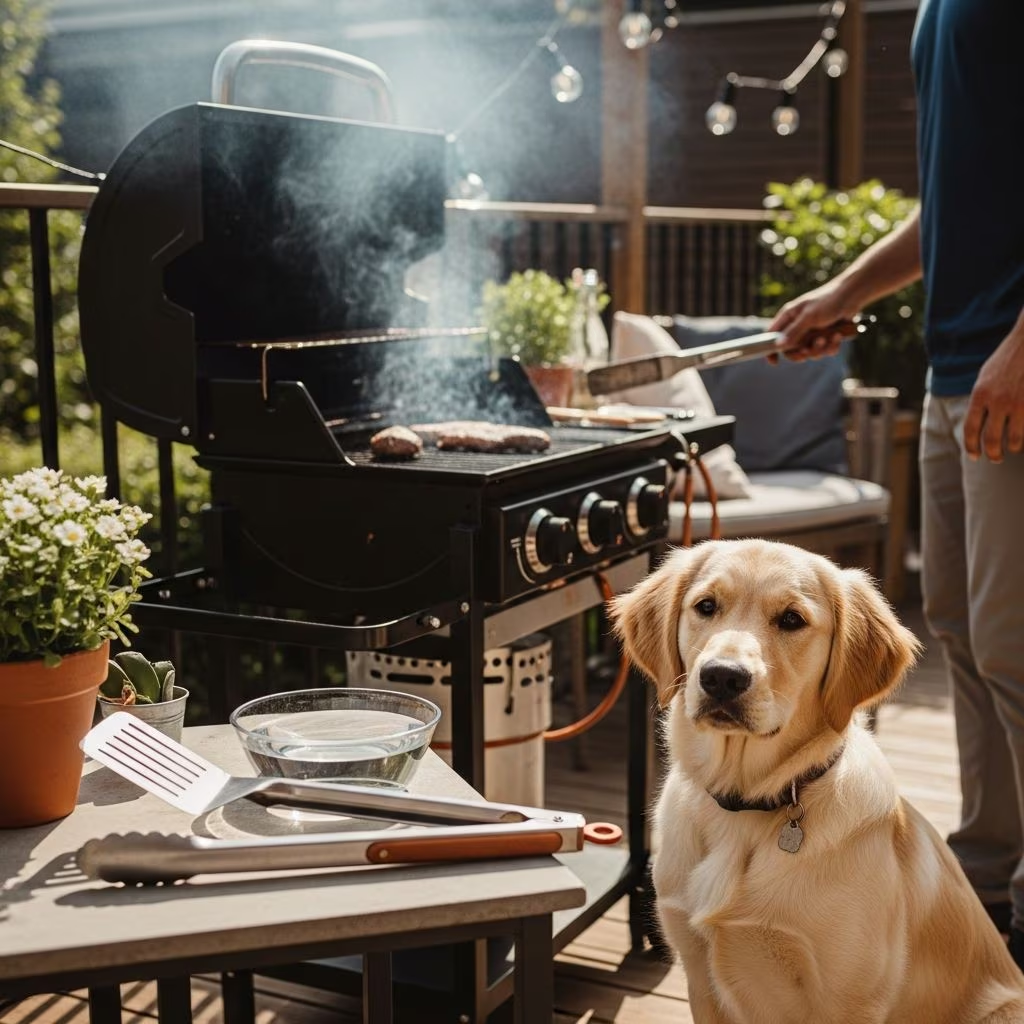
BBQ Safety Tips for Pets: Keep Your Dogs Safe
Summer barbecues are a cherished tradition for many families, offering opportunities to gather with loved ones and enjoy delicious grilled foods in the backyard. While these outdoor gatherings are fun and exciting, they can present numerous hazards for our beloved pets. Dogs and cats are naturally drawn to the sights, sounds, and especially the aromatic smells of a BBQ, but this curiosity can quickly lead to dangerous situations. From toxic foods to burns and fireworks-induced anxiety, pet parents need to be aware of the risks and take proactive steps to ensure their furry friends remain safe throughout the grilling season.
Understanding the Core BBQ Hazards for Pets
Before diving into specific safety tips, it’s important to understand the main categories of danger that BBQs present to pets. These hazards fall into several distinct areas: toxic and dangerous foods, hot surfaces and burns, smoke inhalation, ingestion of non-food items, and stress-related issues like fireworks anxiety. By understanding these categories, pet parents can develop a comprehensive safety strategy that addresses all potential threats.
Keep Pets Away from Hot Surfaces and Burns
One of the most immediate and serious dangers at a BBQ is the risk of burns. Hot grills, open flames, and even charcoal briquettes can cause severe thermal injuries to curious pets. Dogs and cats, attracted by the smell of cooking meat, may venture too close to investigate. Even a quick sniff near a hot grill can expose them to smoke inhalation, steam burns, or direct thermal burns. The severity of burns can be deceptive—what appears to be a minor surface injury may actually involve deeper tissue damage.
To prevent burn injuries, never leave your dog unsupervised near a hot grill, campfire, or open flame. Consider using portable pet gates to create a physical barrier around the grilling area, preventing your pets from accessing these dangerous zones. Setting up a designated safe zone away from the heat source gives your pet a comfortable place to relax while still allowing them to be part of the gathering.
If your pet does sustain a burn despite your precautions, contact your veterinarian or seek emergency care immediately. Do not apply any human ointments or home remedies without first consulting your veterinarian, as these can sometimes cause more harm than good.
Keep Pets Away from Common Toxic Foods
While grilling, it’s all too easy to leave human foods laying around unattended. However, many of the summer treats and snacks that we love can be dangerous for our pets to eat. This is particularly true for foods containing bones and sticks, like chicken wings and kabobs, which present choking hazards. Always store or throw away leftovers in a secure, lidded bin that your pet cannot access.
Uncooked and Raw Meats
Uncooked meats and raw eggs can contain harmful bacteria such as salmonella and E. coli that can sicken both pets and humans. During grilling season, people often line up raw patties and meat next to the grill for convenience, but dogs will quickly catch the scent and attempt to grab a bite when you least expect it. Always keep raw meat secured and out of reach from your pets.
Bones and Bone-In Meats
BBQ basics like ribs and chicken wings are particularly dangerous foods for dogs. Bones can splinter and become lodged in or puncture a pet’s digestive tract, leading to serious gastrointestinal injuries. Even cooked bones pose this risk. After your guests finish eating, ensure all meat bones are disposed of in a garbage container with a secure lid that is out of your pet’s reach. Never allow your dog to gnaw on grilled bones, no matter how much they beg.
Fatty and Fried Foods
Pets can get sick if they ingest too much grease or grill drippings at once. While a small accidental lick isn’t typically harmful, consuming large amounts of fat can lead to digestive upset and pancreatitis. The NFPA recommends that fat and grease buildup should be trapped below the grill and regularly removed to prevent pets from accessing these hazardous materials. Additionally, fried foods like fried chicken and fatty meat trimmings should be kept away from your pets.
BBQ Sauce and Condiments
BBQ sauce is bad for dogs, containing ingredients that aren’t safe for your furry friend. Many commercial BBQ sauces contain onion, garlic, sugar, acidic ingredients like vinegar and lemon juice, and spicy components like peppers and hot sauce. While a tiny taste of BBQ sauce off your finger isn’t likely to make your dog sick, veterinarians do not recommend any amount of BBQ sauce for dogs. Dogs usually need to eat a large amount to get sick, but some dogs are more sensitive than others, so any amount—even a few licks—should be considered dangerous.
Mayo and Egg-Based Products
While a dog licking a small amount of mayonnaise off the floor is not toxic, dogs could get food poisoning from mayo if it’s been sitting in the sun. Egg-based products can quickly spoil in heat, leading to bacterial contamination. As experts note, “Dogs can get food poisoning just like humans.” Always keep mayo and other egg-based condiments covered and refrigerated during your BBQ.
Xylitol-Containing Products
Xylitol is an artificial sweetener often found in sugar-free peanut butter, sugar-free candy, and sugar-free gum. If you purchase sugar-free condiments for your BBQ, carefully check the packaging for xylitol, as this ingredient is highly toxic to dogs. Xylitol can cause rapid insulin release leading to severe hypoglycemia and liver damage.
Other Dangerous BBQ Foods
Additional foods to keep away from your pets include macadamia nuts, grapes, onions, and garlic—all of which are toxic to dogs. Hot dogs, while not toxic, can present choking hazards due to their cylindrical shape and high fat content. If you want to give your dog hot dog pieces, cut them lengthwise first to reduce choking risk and serve them plain without condensments.
Protect Pets from Toxic Non-Food Items
Beyond food, numerous grilling-related items pose toxicity risks to pets. Grilling essentials like charcoal, lighter fluid, matches, and lighters can be toxic if ingested and should be kept out of reach from pets at all times. Put these items away when they’re not actively being used.
Additionally, non-food items such as plastic wrap, aluminum foil, wooden skewers, and metal skewers can be just as dangerous as toxic foods. These materials can cause intestinal blockages or puncture your dog’s intestinal tract if swallowed. Always remove skewers from kebabs and pet-safe treats before offering them to your pets.
Address Smoke and Air Quality Concerns
Smoke from grills can be irritating for pets, who often have sensitive airways. It’s important to not only keep pets physically away from the grill but also keep them from being downwind of the fumes. For small pets and birds, it’s especially important to keep their enclosures away from the barbecue and the resulting smoke.
If you’re grilling near an area where your pets spend time, try to position the grill so that smoke drifts away from your pet’s usual relaxation areas. Smoke inhalation can cause respiratory distress and exacerbate existing respiratory conditions in pets.
Create a Safe Outdoor Zone for Your Pet
One of the most effective strategies for keeping your pet safe during a BBQ is to create a designated safe zone where they can relax comfortably while still being part of the gathering. This area should be shaded, away from the grill and food preparation areas, and have unlimited access to fresh water. You might set up a comfortable dog bed or mat in this zone, positioned far enough away from cooking activities but close enough that your pet can still feel included in the family gathering.
Alternatively, if you prefer to keep your pet indoors during the BBQ, set up a comfortable indoor space where they can relax. Stock this space with their favorite toys, treats, and chew items to keep them occupied and content. Using portable pet gates can help confine your pet to safe areas of your home or yard.
Prepare Your Pet for Fireworks and Loud Noises
Many summer BBQs include fireworks, which can be terrifying for dogs. Sadly, many dogs tend to run away from home because they’re spooked by the loud sounds fireworks make and other startling noises created by poppers, rockets, and similar items. Fourth of July celebrations and other summer holidays are peak times for lost pets, with many running away due to fireworks anxiety.
An easy solution is to confine your dog to a safe space, such as a bedroom or crate, ensuring all home doors and gates are closed. Offer treats during the fireworks display to help create positive associations. You can also help your dog become more accustomed to and desensitized to the sounds by playing a recording of fireworks while giving them treats, leading up to the holiday. This gradual desensitization process can significantly reduce anxiety when the actual fireworks occur.
Communicate with Your Guests
One of the often-overlooked aspects of pet safety during BBQs is guest management. Pet parents should ask their guests to refrain from feeding pets “people food” during parties. Many well-meaning guests may want to slip your pet a bite of their burger or share a treat, not realizing the potential dangers. Setting clear expectations before the party starts prevents accidental exposure to toxic foods.
Alternatively, keep your pets on a leash during the gathering so you can keep a close eye on them to avoid accidental ingestion of dangerous foods or items. This allows your pets to enjoy the social scene while minimizing risk.
What to Do If Your Pet Ingests Something Toxic
Despite your best precautions, pets sometimes manage to eat things that are bad for them. If you suspect your dog ate something toxic at a BBQ, seek immediate emergency care or contact the Pet Poison Helpline right away. Time is critical in many poisoning cases, and quick action can make the difference between a full recovery and serious complications.
Frequently Asked Questions About BBQ Pet Safety
Q: Can dogs eat hot dogs at a BBQ?
A: Unlike other summer BBQ foods dangerous for dogs, it’s safe to give your tail-wagging pal small pieces of plain, cooked hot dog in moderation. However, cut them lengthwise first to reduce choking hazards, and never include condiments or buns.
Q: Can dogs eat BBQ chicken?
A: No, dogs should not eat BBQ chicken, especially if it has bones like chicken wings. If you want to feed your dog chicken, the best way is to boil it and serve it plain without any sauce or seasoning.
Q: Can dogs have ribs with BBQ sauce?
A: No. While licking a little BBQ sauce isn’t likely to be harmful, dogs should never eat anything with bones because they’re a choking hazard and can cause gastrointestinal obstruction.
Q: What should I feed my dog at a BBQ?
A: Consider making pet-safe kabobs using brown rice, turkey, and vegetables with skewers removed before serving. Alternatively, offer plain cooked chicken, turkey, or beef without any seasonings, sauces, or bones.
Q: How can I keep my dog away from the grill?
A: Create a no-dog zone around the grill by using barriers like portable pet gates. Set up a designated shaded area for your dog to relax with unlimited access to water. Whatever approach you choose, always keep a close eye on your pup, the food, and any potential exits.
Q: Is smoke from grilling harmful to pets?
A: Yes, smoke can be irritating for pets with sensitive airways. Keep pets far from the grill and not downwind of fumes. For small pets and birds, keep their enclosures away from the barbecue and resulting smoke.
Q: What non-food items at a BBQ are dangerous for pets?
A: Charcoal, lighter fluid, matches, lighters, plastic wrap, aluminum foil, wooden skewers, and metal skewers can all be toxic or cause intestinal blockages if ingested. Keep these items out of reach and put them away when not in use.
Making Your BBQ Pet-Safe and Enjoyable
Barbecues are communal events where being able to have your pets there is part of the fun—for you, for the pets, and for any kids present. With proper planning and awareness, you can create a safe environment where your furry friends can enjoy the celebration without unnecessary risks. By implementing these comprehensive safety measures, you’ll be able to focus on making memories with your family and pets rather than worrying about potential emergencies.
References
- BBQ Safety Tips to Keep Pets Safe This Grilling Season — Chewy. Accessed 2025-11-28. https://www.chewy.com/education/dog/health-and-wellness/bbq-safety-tips-for-pets
- Summer BBQ Dangerous Foods for Dogs — Chewy. Accessed 2025-11-28. https://www.chewy.com/education/dog/food-and-nutrition/summer-bbq-dangerous-foods-dogs
- Grilling Safety for Dogs: 5 Tips for a Safe Outdoor BBQ — PetMD. Accessed 2025-11-28. https://www.petmd.com/dog/seasonal/grill-safety-for-dogs
- Can Dogs Eat BBQ Sauce? — Chewy. Accessed 2025-11-28. https://www.chewy.com/education/dog/food-and-nutrition/can-dogs-eat-bbq-sauce
- DIY Dog Treat and Cat Treat Recipe: Pet-Safe Kabobs — Chewy. Accessed 2025-11-28. https://www.chewy.com/education/cat/food-and-nutrition/pet-safe-kabobs-diy-dog-treat-and-cat-treat-recipe
- Can Dogs Eat Hot Dogs? — Chewy. Accessed 2025-11-28. https://www.chewy.com/education/dog/food-and-nutrition/can-dogs-eat-hot-dogs
- Can Dogs Eat Pickles and Other Condiments? — Chewy. Accessed 2025-11-28. https://www.chewy.com/education/dog/food-and-nutrition/nutrition-pet-diet-tips-can-dogs-eat-pickles-other-condiments



