

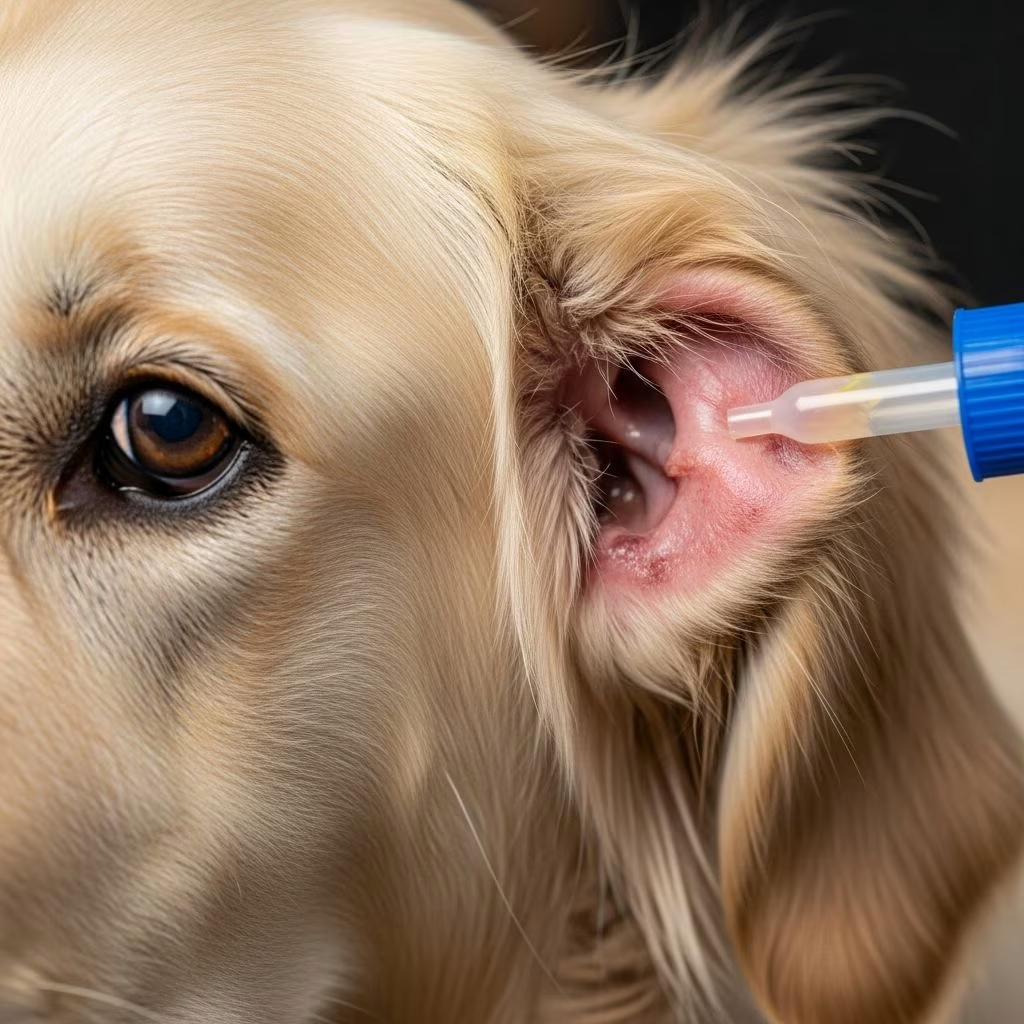
Baytril, known scientifically as enrofloxacin, stands as a cornerstone antibiotic in veterinary care for treating bacterial ear infections in dogs, particularly those caused by gram-negative bacteria like Pseudomonas species common in chronic otitis externa.
Understanding Canine Ear Infections
Ear infections, or otitis, affect dogs frequently, with otitis externa involving the outer ear canal and otitis media targeting the middle ear. These conditions often stem from allergies, moisture buildup, or foreign bodies, leading to bacterial overgrowth. Symptoms include head shaking, odor, discharge, and pain. Early intervention prevents progression to severe cases requiring surgery.
Diagnosis starts with cytology to identify bacteria, yeast, or rods, guiding antibiotic selection. Systemic antibiotics like Baytril are indicated for otitis media, proliferative chronic otitis externa, or when topical treatments fail.
Role of Baytril in Treatment Protocols
Baytril excels against tough pathogens in deep ear infections. Topical formulations coat the canal effectively, reaching high concentrations that surpass minimum inhibitory concentrations (MICs) for resistant strains. Vets pair it with ear flushes using saline or tris-EDTA to remove debris before application.
- Topical use: Preferred for most otitis externa cases, applied 0.25-1.0 mL per ear q12-24h, massaged for 30 seconds.
- Systemic use: Oral or injectable for middle ear involvement or severe infections, dosed at 5-20 mg/kg daily based on weight and severity.
- Combination therapy: Often mixed with antifungals or steroids for comprehensive control.
Step-by-Step Guide to Administering Baytril
Proper technique ensures efficacy. First, clean the ear thoroughly under vet guidance to avoid trapping medication in debris.
- Gently restrain the dog and lift the ear flap.
- Fill the canal with cleaner, massage base for 30 seconds, let drain.
- Instill Baytril drops (10-20 drops or 0.5-1 mL), massage again.
- Prevent shaking for 5 minutes; use an Elizabethan collar if needed.
For systemic Baytril, administer with food to reduce GI upset. Continue 2 weeks post-cytology resolution.
Comparing Baytril with Other Ear Treatments
| Treatment | Best For | Dosage/Frequency | Pros | Cons |
|---|---|---|---|---|
| Baytril (Enrofloxacin) | Gram-negative bacteria, Pseudomonas | Topical q12-24h; Systemic 5-20 mg/kg/day | High MIC penetration, effective topically | Resistance risk, not for yeast |
| Silver Sulfadiazine | Resistant Pseudomonas | Mix 1:1 with flush, apply daily | Potent against rods | Requires mixing, staining |
| Miconazole/Dex | Yeast, inflammation | Topical q24h | Antifungal + steroid | Limited antibacterial spectrum |
| Prednisolone | Inflammation, stenosis | 1-2 mg/kg q12-24h, 1-3 weeks | Reduces swelling | Systemic side effects |
Baytril shines for bacterial dominance, but cytology dictates choice. Combine with steroids for inflamed canals.
Potential Side Effects and Safety Precautions
Baytril is generally safe but monitor for vomiting, diarrhea, or neurological signs in high doses, especially in large breeds prone to retinopathy. Avoid in puppies under 8 months or breeding dogs due to cartilage risks. Not for cats systemically. Hydrate well during treatment.
- Common: Mild GI upset, resolved by giving with meals.
- Rare: Seizures, blindness in predisposed breeds.
- Interactions: Avoid antacids, sucralfate; enhances theophylline toxicity.
Preventing Recurrence After Baytril Therapy
Maintenance is key: Clean ears weekly with drying agents post-swim or bath. Address allergies via hypoallergenic diets or immunotherapy. Regular vet checks catch issues early.
For chronic cases, long-term topicals like mometasone prevent stenosis. Surgery like total ear canal ablation is last resort for non-responsive otitis.
When to Seek Veterinary Help
Consult a vet if symptoms persist beyond 48 hours of home cleaning, or if you see head tilt, balance loss (otitis interna signs). Culture/sensitivity testing guides resistant cases.
FAQs
How long does Baytril take to work on dog ear infections?
Improvement in 3-7 days; full resolution in 2-4 weeks with cytology follow-up.
Can I use Baytril for yeast infections?
No, it’s antibacterial; pair with antifungals like ketoconazole flushes.
Is Baytril safe for all dogs?
Avoid in young pups, pregnant dogs; dose carefully in giants.
How often to clean ears during Baytril treatment?
Daily initially, then weekly for maintenance.
What if my dog shakes out the medication?
Massage well, use collar; reapply as directed.
Baytril transforms ear infection management when used judiciously. Always vet-prescribed for best outcomes.
References
- Diagnosis and Medical Management of Canine Otitis — Oregon Veterinary Medical Association. 2010. https://www.oregonvma.org/sites/default/files/Kwochka%20Diagnosis%20and%20Medical%20Management%20of%20Canine%20Otitis.pdf
- Treating Otitis Externa in Dogs — Today’s Veterinary Practice. 2023. https://todaysveterinarypractice.com/dermatology/treating-otitis-externa-in-dogs/
- Understanding Dog Ear Infections — Metro-Vet. 2024. https://metro-vet.com/understanding-dog-ear-infections/
- Treating Canine Otitis: So Many Options — dvm360. 2022. https://www.dvm360.com/view/treating-canine-otitis-so-many-options-how-do-i-choose
- Otitis Media and Interna in Animals — Merck Veterinary Manual. 2025. https://www.merckvetmanual.com/ear-disorders/otitis-media-and-interna/otitis-media-and-interna-in-animals
- A Guide to Canine Ear Infections — The Drake Center. 2023. https://www.thedrakecenter.com/services/dogs/blog/guide-canine-ear-infections
- Otitis Externa — American College of Veterinary Surgeons. 2024. https://www.acvs.org/small-animal/otitis-externa/



