

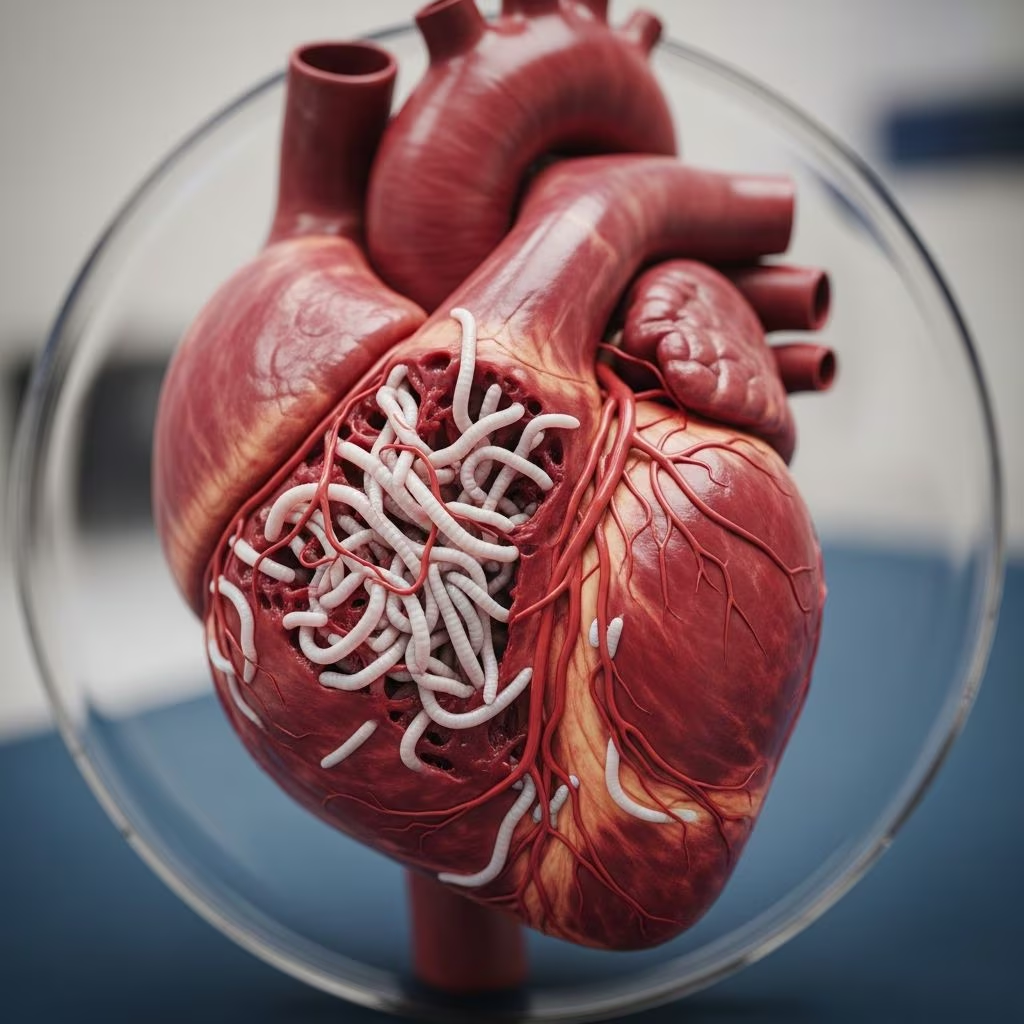
Heartworm disease poses a serious threat to dogs, caused by the parasitic worm Dirofilaria immitis and transmitted through mosquito bites. This condition can lead to severe damage in the heart, lungs, and associated blood vessels if not addressed promptly.
Understanding the Heartworm Life Cycle
The journey of heartworms begins when an infected mosquito bites a dog, depositing infective larvae, known as L3 stage larvae, under the skin. These larvae molt through L4 and juvenile stages over several months, migrating through the dog’s tissues and bloodstream before settling in the pulmonary arteries. Adult worms, which can reach up to 14 inches in females, mature in about six months, where they reproduce and release microfilariae into the bloodstream. These microfilariae are then picked up by mosquitoes during subsequent bites, perpetuating the cycle. Multiple infections can occur, leading to heavy worm burdens that exacerbate vascular and cardiac damage.
Recognizing Symptoms Across Disease Stages
Heartworm infections often progress silently in early stages, but as worms multiply, clinical signs emerge related to the worm burden, infection duration, and the dog’s activity level. Mild cases may show coughing or reduced stamina during exercise, while moderate infections involve persistent cough, weight loss, and fatigue.
In severe stages, dogs exhibit labored breathing, fluid accumulation in the abdomen (ascites), fainting, bloody sputum, and signs of right-sided heart failure like jugular vein distension. The most critical complication, caval syndrome, occurs when worms obstruct the tricuspid valve, causing acute collapse, hemoglobinuria, and rapid death within 12-72 hours without intervention. Activity amplifies symptoms by increasing pulmonary pressure.
- Mild symptoms: Occasional cough, slight exercise intolerance.
- Moderate symptoms: Persistent cough, weight loss, labored breathing.
- Severe symptoms: Dyspnea, ascites, syncope, hemoptysis.
- Caval syndrome: Sudden collapse, dark urine, high mortality.
Diagnostic Approaches for Accurate Detection
Veterinarians rely on a combination of tests to confirm heartworm presence. The primary screening tool is the antigen test, which detects proteins from adult female worms and is highly accurate for infections over six months old. All dogs, even those on preventives, should undergo annual antigen and microfilariae testing.
Microfilariae can be identified via blood smear or concentration tests, confirming active reproduction. In antigen-negative but microfilariae-positive cases, a secondary antigen test from another manufacturer is recommended. Additional diagnostics like chest X-rays reveal pulmonary changes such as vessel enlargement, echocardiography assesses heart function, and bloodwork evaluates organ damage. Early detection hinges on routine screening, as symptoms alone are unreliable.
Proven Treatment Protocols
The American Heartworm Society (AHS) endorses the three-dose melarsomine dihydrochloride protocol as the gold standard for adulticide therapy, balancing efficacy and safety. This FDA-approved drug kills over 98% of adult worms when administered correctly.
Treatment begins with stabilizing the dog: doxycycline (10 mg/kg twice daily for 4 weeks) targets Wolbachia bacteria symbiotic with heartworms, reducing inflammation and microfilariae. Strict exercise restriction is mandatory from diagnosis through 2 months post-final injection to prevent thromboembolism from dying worms.
| Day | Treatment Step | Details |
|---|---|---|
| 0 (Diagnosis) | Confirm positive status | Antigen test + microfilariae check; start doxycycline if needed |
| 30 | First melarsomine dose | 2.5 mg/kg IM deep in epaxial muscles |
| 31 | Second dose | 2.5 mg/kg IM (24 hours after first) |
| Post-treatment | Microfilaricide | If microfilariae persist, administer labeled product |
For milder (Class 1-2) infections, a two-dose alternative may suffice initially, but the three-dose method is preferred for thorough elimination. Post-treatment, retest antigen at 9 months; positives require retreatment.
Essential Post-Treatment Care and Monitoring
Confinement to crate or small area prevents complications from worm fragments embolizing to lungs. Monitor for cough, lethargy, or breathing issues, which may signal pulmonary thromboembolism. Administer preventives immediately and continue lifelong. Test for microfilariae 30 days post-adulticide, treating if positive. Antigen recheck at 6-9 months ensures clearance; persistent positives warrant a repeat three-dose course.
- Strict rest: 8 weeks minimum post-final injection.
- Prednisone if inflammation occurs.
- Follow-up tests: Microfilariae at 1 month, antigen at 9 months.
Prevention: The Best Defense Strategy
Heartworm is nearly 100% preventable with monthly FDA-approved preventives targeting larval stages, available as oral, topical, or injectable formulations. Even indoor dogs face risk from the 70+ mosquito species capable of transmission. Year-round use is advised regardless of climate, with annual testing mandatory.
Environmental controls like mosquito repellents and eliminating standing water complement chemoprophylaxis. The Companion Animal Parasite Council stresses prompt treatment post-diagnosis to minimize damage.
Risks and Complications to Watch For
Untreated heartworms cause endothelial damage, thrombosis, pulmonary hypertension, and right heart failure. Dying worms during treatment risk acute respiratory distress, underscoring exercise bans. Heavy burdens heighten caval syndrome odds. Prognosis excels with adherence to AHS protocols, but delays invite irreversible harm.
FAQs on Heartworm Management
Can heartworm be cured completely?
Yes, the AHS three-dose melarsomine protocol eliminates nearly all adult worms, with follow-up confirming success.
How often should dogs be tested?
Annually for antigen and microfilariae, even on preventives.
Is treatment safe for all dogs?
Generally yes, but stabilization precedes adulticide in symptomatic cases; consult a vet for class assessment.
Why year-round prevention?
Mosquitoes transmit larvae anytime, and preventives also control other parasites.
What if my dog tests positive after treatment?
Retest and retreat with the full protocol.
Regional Risks and Veterinary Guidance
Heartworm prevalence varies; check local forecasts via tools like petdiseasealerts.org. Partner with veterinarians for tailored plans, as guidelines evolve. Early intervention preserves quality of life.
References
- Heartworm Disease in Dogs: A Complete Guide — Clinician’s Brief. 2023. https://www.cliniciansbrief.com/article/canine-heartworm
- Heartworm Guidelines — Companion Animal Parasite Council. 2024. https://capcvet.org/guidelines/heartworm/
- Heartworm Disease in Dogs — Merck Veterinary Manual. 2025. https://www.merckvetmanual.com/dog-owners/heart-and-blood-vessel-disorders-of-dogs/heartworm-disease-in-dogs
- Heartworm Treatment Guide for Pet Owners — American Heartworm Society. 2019. https://d3ft8sckhnqim2.cloudfront.net/images/pdf/HeartwormTreatmentGuide_PetOwnerColor.pdf?1561720859
- Heartworm Disease Fact Sheet — Ohio State University College of Veterinary Medicine. 2020. https://vet.osu.edu/sites/default/files/documents/Heartworm%20Fact%20Sheet%2020200123.pdf
- The Facts about Heartworm Disease — FDA. 2023. https://www.fda.gov/animal-veterinary/animal-health-literacy/keep-worms-out-your-pets-heart-facts-about-heartworm-disease



