

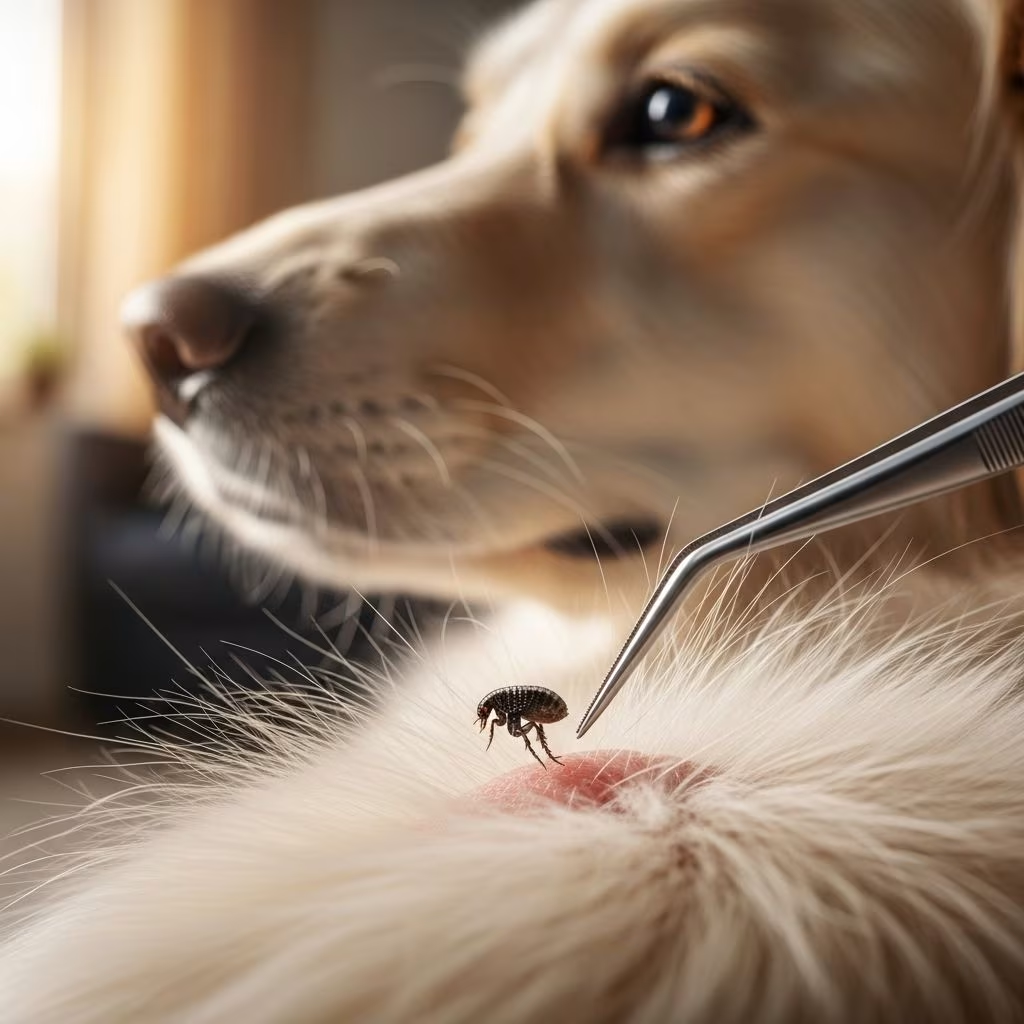
Fleas pose a persistent threat to dogs, causing irritation, allergies, and potential disease transmission. Effective management requires understanding their lifecycle, symptoms, and multifaceted control strategies.
Understanding the Flea Menace
Fleas are tiny, wingless insects that thrive on canine hosts, completing their lifecycle in just a few weeks under ideal conditions. Adult fleas represent only 5% of the population, with the majority existing as eggs, larvae, and pupae in the environment. This distribution explains why treating only the dog often fails; comprehensive approaches target all stages.
Spotting the Signs of Flea Activity
Dogs infested with fleas exhibit noticeable behaviors and physical clues. Excessive scratching, particularly around the base of the tail, ears, and belly, is a primary indicator. Look for flea dirt—dark specks that turn red when wet with saliva—as evidence of infestation. Hair loss, red inflamed skin, and restlessness during sleep further confirm the presence of these parasites.
- Intense itching: Dogs chew and lick affected areas relentlessly.
- Skin issues: Redness, scabs, or hot spots from allergic reactions.
- Visible pests: Tiny jumping insects on the fur, especially in warm areas.
- Behavioral changes: Anxiety or avoidance of lying down comfortably.
The Flea Lifecycle and Why It Matters
Grasping the flea lifecycle is essential for eradication. Eggs laid on the dog fall into surroundings, hatching into larvae that feed on organic debris. Larvae spin cocoons as pupae, emerging as adults ready to infest. Environmental factors like warmth and humidity accelerate this cycle, making year-round prevention vital.
| Stage | Duration | Location | Control Method |
|---|---|---|---|
| Eggs | 2-14 days | Floors, bedding | Vacuuming, washing |
| Larvae | 5-20 days | Dark areas | IGR sprays |
| Pupae | 7 days to months | Cocoons in environment | Consistent cleaning |
| Adults | Weeks | On pet | Topicals, orals |
Proven Treatment Options for Canine Fleas
Treating fleas demands vet-recommended products tailored to your dog’s age, weight, and health. Options span topicals, orals, collars, and sprays, each targeting adult fleas and preventing reproduction.
Topical Applications
Liquids applied to the skin between shoulder blades spread via oil glands, killing fleas on contact and repelling ticks. Products like Frontline Shield with fipronil, permethrin, and pyriproxyfen act within minutes, offering monthly protection for dogs over 9 weeks and 5 pounds.
Oral Medications
Pills or chews ingested monthly enter the bloodstream, killing biting fleas rapidly. Ingredients like nitenpyram, spinosad, or afoxolaner in NexGard provide quick relief and prevent infestations.
Flea Collars
Modern collars like Seresto release imidacloprid and flumethrin over 8 months, killing fleas in 24 hours and ticks in 48. Efficacy may wane with frequent bathing, requiring earlier replacement.
Shampoos and Sprays
For immediate knockdown, shampoos and sprays kill on contact but offer short-term results. Integrate them into grooming routines alongside preventives.
Natural and Non-Toxic Defenses
For chemical-averse owners, natural methods complement conventional treatments. Regular grooming with flea combs removes adults mechanically. Essential oils like lavender, lemongrass, or cedar in diluted sprays repel fleas without toxicity—apply cautiously to avoid irritation.
Diatomaceous earth (food-grade) dehydrates fleas when sprinkled on carpets and bedding. Bathe dogs weekly with mild, nontoxic shampoos to monitor and reduce populations.
- Flea combing: Daily sessions capture and drown fleas in soapy water.
- Herbal repellents: Safe dilutions on collars or bedding.
- Environmental powders: Diatomaceous earth in shaded yard spots.
Environmental Control: Home and Yard Tactics
Fleas infest homes and yards, necessitating thorough sanitation. Vacuum daily, focusing on cracks, furniture, and under furniture; dispose of bags immediately. Wash all fabrics in hot water weekly.
In yards, target shaded, moist areas with insect growth regulator (IGR) sprays every 14-21 days for 3-5 applications. Mow grass short and discourage wildlife like raccoons to limit reintroduction.
- Vacuum carpets, rugs, and pet areas thoroughly.
- Launder bedding, throws, and toys at 140°F.
- Apply IGR to infested zones indoors and out.
- Seal cracks and reduce clutter for fewer hiding spots.
Integrated Pest Management for Lasting Results
Integrated flea control combines adulticides with IGRs or insect development inhibitors (IDIs) for rapid, complete elimination. Treat all household pets simultaneously and maintain preventives year-round, as fleas persist in mild climates.
Consult veterinarians for customized plans, considering breed sensitivities and concurrent medications. Puppies under 8 weeks require gentler approaches like combing and bathing.
Health Risks Beyond the Itch
Fleas transmit tapeworms via ingestion during grooming and cause flea allergy dermatitis (FAD) in sensitive dogs, leading to severe skin infections. Anemia from heavy infestations affects puppies most critically. Zoonotic risks include murine typhus or plague in endemic areas.
Preventive Protocols for Year-Round Protection
Prevention trumps treatment. Administer monthly vet-approved preventives consistently. Limit outdoor exposure in high-risk seasons, bathe regularly, and inspect after park visits.
- Yearly vet checkups for product updates.
- Multi-pet households: Uniform treatments.
- Travel prep: Boosted protection.
Frequently Asked Questions
Can fleas live without a host?
Yes, eggs, larvae, and pupae survive months in environments without pets.
How soon do flea treatments work?
Oral meds kill within hours; topicals in minutes to days.
Are flea collars safe for swimming dogs?
Some like Seresto maintain efficacy but may need monthly checks.
Do natural remedies fully replace chemicals?
They support but rarely eradicate severe cases alone.
How often should I vacuum during infestation?
Daily until control is achieved, then weekly.
Choosing the Right Product for Your Dog
Match products to your dog’s profile: size, age, lifestyle. Avoid over-the-counter unless vet-approved, as some contain harmful ingredients.
| Product Type | Duration | Best For | Examples |
|---|---|---|---|
| Topical | Monthly | Water-resistant needs | Frontline Shield |
| Oral | Monthly | Quick kill | NexGard |
| Collar | 8 months | Long-term ease | Seresto |
Monitor for side effects like lethargy or vomiting; discontinue and consult a vet if observed.
References
- Effective Flea And Tick Control Methods For Your Pets — Natomas Vet. 2023-2024. https://natomasvet.com/effective-flea-and-tick-control-methods-for-keeping-your-pets-safe-and-healthy/
- Effective Strategies for Handling Fleas in Dogs — Animal Cove. 2024. https://animalcove.com/effective-strategies-for-handling-fleas-in-dogs/
- Flea Control for Dogs: Best Products & Tips — Plaza Animal Hospital. 2024. https://plazaanimals.com/pet-parasite-control-in-mooresville-nc/flea-control-for-dogs-choosing-the-right-products-and-strategies/
- Flea Control in Dogs — VCA Animal Hospitals. 2025-01-15. https://vcahospitals.com/know-your-pet/flea-control-in-dogs
- The Complete Guide to Flea and Tick Prevention and Treatment for Dogs — PetMD. 2024-11-20. https://www.petmd.com/dog/general-health/flea-and-tick-prevention-and-treatment-dogs
- The Best Flea Treatments for Dogs and Cats — GoodRx. 2025-01-10. https://www.goodrx.com/pet-health/pets/best-flea-medication
- Fleas: Treatment & Prevention — Oregon Veterinary Medical Association. 2024. https://www.oregonvma.org/care-health/companion-animals/health-safety/fleas-treatment-prevention



