

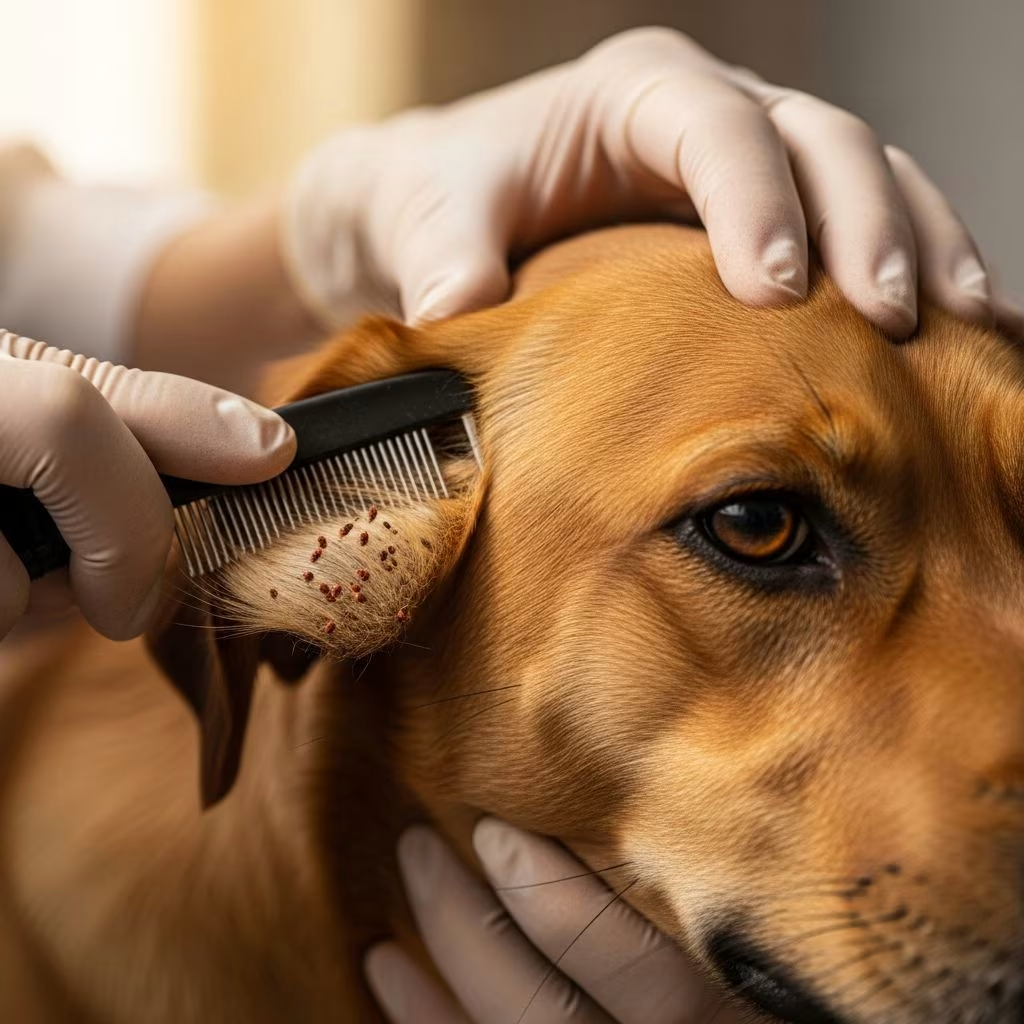
Fleas pose a persistent threat to dogs, causing discomfort, skin issues, and potential disease transmission. Effective management requires understanding their life cycle, early detection, targeted treatments, and ongoing prevention across the pet, home, and yard.
Understanding the Flea Life Cycle
The flea life cycle consists of four stages: egg, larva, pupa, and adult. Adults, which make up only about 5% of the population, live on the host dog, feeding on blood and laying eggs that fall into the environment. Eggs hatch into larvae that feed on organic debris and flea feces, then spin cocoons as pupae, emerging as adults when conditions are favorable. This cycle can complete in as little as two weeks under ideal warm, humid conditions, explaining why only treating the dog often fails to resolve infestations.
Signs Your Dog Has Fleas
Dogs with fleas often exhibit excessive scratching, biting at their skin, hair loss, red inflamed skin, or restlessness, particularly around the base of the tail, groin, and armpits. Part the fur to check for flea dirt—small black specks that turn reddish-brown when wet, indicating digested blood. Pale gums, lethargy, or tapeworm segments in feces signal more severe issues like anemia or internal parasites from flea ingestion.
- Scratching hotspots: Rear end, belly, and legs.
- Visible signs: Jumping fleas, flea combs revealing adults or dirt.
- Skin changes: Hot spots, scabs, or allergic dermatitis (FAD) causing intense itching.
Immediate Steps for Flea Detection
Use a flea comb daily during suspected outbreaks: dip it in soapy water after each pass to drown captured fleas. Bathe your dog with mild soap to remove adults, but avoid over-bathing sensitive skin. Consult a vet promptly for confirmation and tailored advice, especially for puppies, seniors, or dogs with health conditions.
Direct Treatments for Dogs
Treatments target adult fleas, eggs, larvae, and preventives interrupt the cycle. Always select dog-specific, vet-recommended products; never use cat treatments due to toxic risks.
| Type | How it Works | Duration | Examples/Notes |
|---|---|---|---|
| Oral Medications | Kill fleas via bloodstream after ingestion | Monthly; fast-acting (hours) | NexGard, Simparica; ideal for heavy infestations |
| Topical Spot-Ons | Absorbed into skin oils, spreads over body | Monthly | Frontline Shield (fipronil + pyriproxyfen); kills/repels fleas, ticks |
| Collars | Releases insecticides gradually | Up to 8 months | Seresto; waterproof, covers whole body |
| Shampoos/Sprays | Kills on contact | Temporary (days) | Use for initial kill; follow with preventives |
For integrated control, combine adulticides (kill adults) with insect growth regulators (IGRs) or insect development inhibitors (IDIs) to stop immature stages. Continue pet treatments 3-6 months post-infestation to break the cycle.
Environmental Control in the Home
95% of fleas reside off the pet in carpets, furniture, bedding, and cracks. Vacuum daily: floors, upholstery, baseboards, under furniture—dispose of bags immediately. Wash bedding in hot water (>140°F). Apply EPA-approved sprays with IGRs to hotspots like pet resting areas; repeat every 14-21 days for 2-3 cycles.
- Vacuum thoroughly, focusing on cracks, crevices, and under cushions.
- Wash all fabrics in hot, soapy water; dry on high heat.
- Spray adulticide + IGR in targeted areas; avoid over-spraying.
- Repeat vacuuming/treatment biweekly until fleas gone.
Steam cleaning kills all stages effectively without chemicals.
Yard and Outdoor Management
Fleas thrive in shaded, moist yard areas. Mow grass short, rake debris, and reduce watering to dry soil. Treat shaded spots (under decks, bushes) with IGR sprays every 14-21 days, 3-5 times. Discourage wildlife by securing trash, sealing crawlspaces, and removing attractants like pet food outdoors. Limit dog access to high-risk areas.
Prevention Year-Round
Consistency prevents reinfestation: apply monthly preventives regardless of season, as indoor fleas persist in cold months. Regular grooming with flea combs, bathing, and yard maintenance form a multi-layered defense. Year-round use of combination products protects against fleas, ticks, heartworms, and more.
- Monthly oral/topical preventives.
- Weekly vacuuming and bedding washes.
- Seasonal yard treatments.
- Annual vet check-ups for tailored plans.
Health Risks of Fleas to Dogs and Humans
Beyond itching, fleas transmit tapeworms (via ingestion), Bartonella (cat scratch disease), and cause flea allergy dermatitis in sensitive dogs. Heavy infestations lead to anemia in puppies/small breeds. Humans may get bites causing itchy welts; keep pets treated to protect family.
Special Considerations for Puppies, Seniors, and Multi-Pet Homes
Puppies under 8 weeks need manual combing/shampooing; wait for preventives until vet-approved age/weight. Seniors or immunocompromised dogs require gentle topicals/orals—vet consultation essential. Treat all household pets simultaneously to avoid ping-ponging infestations.
Common Mistakes to Avoid
- Treating only the pet, ignoring environment.
- Using human/cat products on dogs.
- Skipping follow-up treatments.
- Ignoring yard/wildlife control.
FAQs
Can fleas live in winter?
Yes, indoors where it’s warm; continue preventives year-round.
How long until flea treatments work?
Oral: hours; topicals: 24-48 hours. Full cycle control: 3-6 months.
Are natural remedies effective?
Limited; essential oils like cedar can repel but don’t eliminate infestations. Use vet products for reliability.
What if my dog is still itchy after treatment?
Could be allergies or secondary infections; see a vet for steroids/antihistamines.
Do flea collars work on heavy infestations?
Best for prevention; pair with orals for active cases.
Long-Term Flea Management Plan
Implement a routine: monthly preventives, weekly grooming/cleaning, quarterly yard checks. Monitor with combs; adjust based on vet input. This proactive approach keeps dogs healthy and homes flea-free.
References
- Flea Control in Dogs — VCA Animal Hospitals. 2023. https://vcahospitals.com/know-your-pet/flea-control-in-dogs
- Control Fleas on Your Pet, in Your House, and in Your Yard — Mississippi State University Extension. 2022-10-01. https://extension.msstate.edu/publications/control-fleas-your-pet-your-house-and-your-yard
- Fleas: Treatment & Prevention — Oregon Veterinary Medical Association. 2024. https://www.oregonvma.org/care-health/companion-animals/health-safety/fleas-treatment-prevention
- Preventing Fleas — Centers for Disease Control and Prevention (CDC). 2025-01-15. https://www.cdc.gov/fleas/prevention/index.html
- Fleas — Cornell University College of Veterinary Medicine. 2024-06-20. https://www.vet.cornell.edu/departments-centers-and-institutes/riney-canine-health-center/canine-health-topics/fleas



