

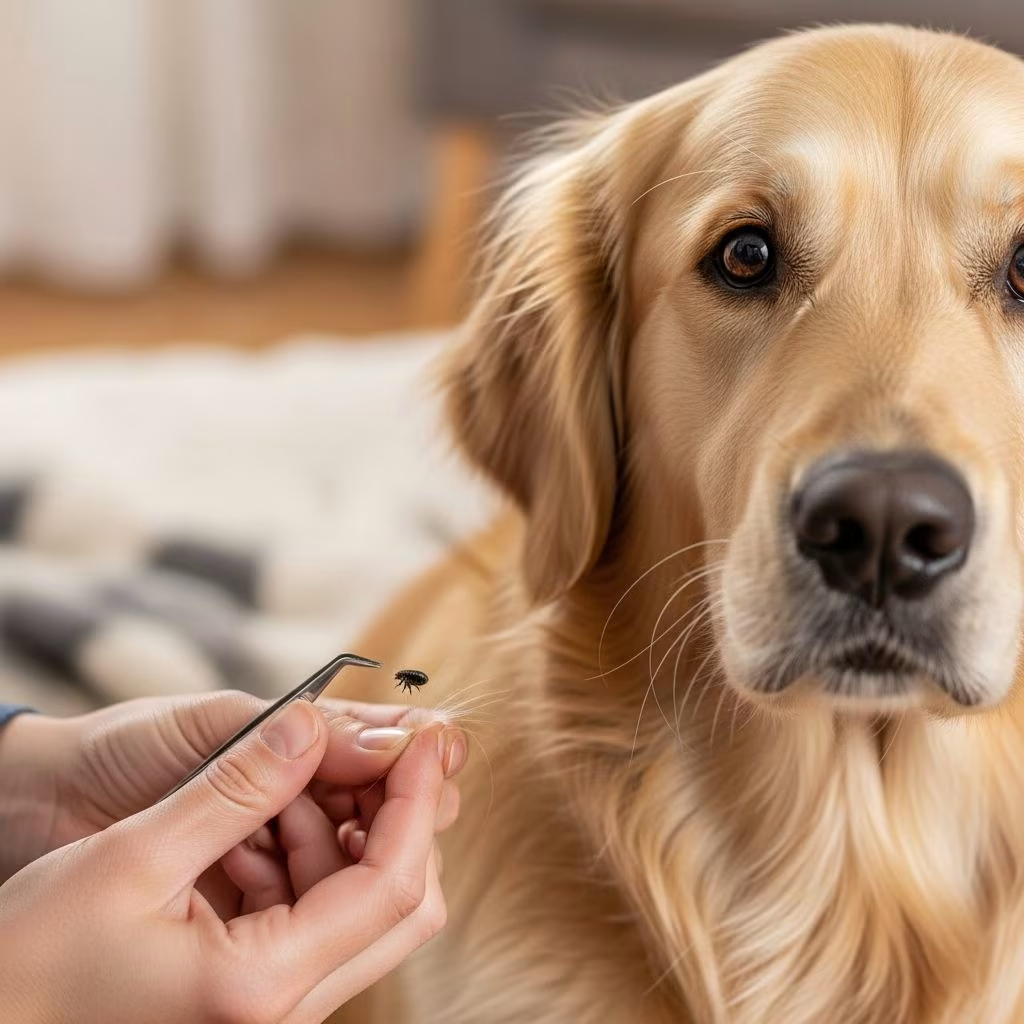
Fleas pose a persistent threat to dogs, causing discomfort, skin issues, and potential disease transmission. This guide outlines detection methods, treatment choices, environmental controls, and prevention tactics to keep dogs flea-free.
Recognizing Flea Presence in Dogs
Dogs with fleas often exhibit excessive scratching, particularly around the base of the tail, ears, and belly. Look for small, dark specks known as flea dirt, which are flea feces that turn red when wet, confirming infestation.
- Intense itching and red, inflamed skin patches signal flea bites.
- Hair loss in affected areas due to constant scratching.
- Visible fleas: tiny, fast-moving insects about 1-2 mm long, brown in color.
- Lethargy or anemia in severe cases, especially in puppies.
Part the fur gently and use a fine-toothed flea comb to check for live fleas or debris. Regular inspections during grooming help catch issues early.
Understanding the Flea Life Cycle
Fleas progress through four stages: egg, larva, pupa, and adult. Only 5% are adults on the pet; the rest infest the environment. Eggs fall off into carpets and bedding, hatching in 1-10 days under warm conditions.
| Stage | Duration | Location | Vulnerability |
|---|---|---|---|
| Egg | 1-10 days | Falls to floor/bedding | Easy to vacuum |
| Larva | 5-11 days | Dark areas, feeds on debris | Killed by IGRs |
| Pupa | 5-14 days | Cocoons in environment | Resistant, emerges when stimulated |
| Adult | Weeks | On pet | Killed by adulticides |
Disrupting all stages requires combined pet and home treatments for success.
Top Treatment Options for Flea-Infested Dogs
Effective flea control targets adults and prevents reproduction. Consult a vet for products suited to your dog’s age, weight, and health.
Topical Applications
Liquids applied to the skin between shoulder blades spread via oils, killing fleas on contact and repelling ticks. Examples include fipronil-based formulas that act within minutes on fleas and hours on ticks, lasting a month.
- Safe for puppies over 8-9 weeks and dogs over 5 lbs.
- Waterproof after drying, ideal for active dogs.
Oral Medications
Chewables or pills ingested monthly kill fleas upon biting by entering the bloodstream. Ingredients like spinosad or nitenpyram work in hours for quick relief in heavy infestations.
- Convenient for pill-averse dogs.
- Some also prevent heartworm and intestinal parasites.
Flea Collars
Modern collars release imidacloprid and flumethrin over 8 months, killing fleas in 24 hours and ticks in 48. Efficacy may reduce with frequent swimming.
- Easy, set-it-and-forget-it protection.
- Not for puppies under 7 weeks.
Shampoos, Sprays, and Dips
For immediate knockdown, use contact-killing shampoos or sprays. Dips air-dry on fur to target adults, mites, and ticks.
These provide temporary relief; pair with preventives for lasting control.
Environmental Flea Management Strategies
Treating the dog alone fails 95% of the time. Fleas in the home and yard sustain reinfestation.
- Vacuum daily: Carpets, furniture, cracks—dispose of bags immediately to kill 30% of larvae.
- Wash bedding: Hot water (>140°F) for pet beds, throws weekly.
- Yard treatment: Mow grass, remove debris; apply pet-safe insecticides to shaded areas.
- Household sprays: Use IGRs (insect growth regulators) like methoprene to stop larval development.
Treat all pets simultaneously and restrict outdoor access during cleanup.
Natural and Non-Toxic Approaches
For chemical-sensitive dogs, integrate gentle methods alongside vet-approved products.
- Flea combs: Mechanical removal during daily grooming captures adults.
- Essential oils: Diluted lavender, cedar, or lemongrass sprays as repellents—test for irritation first.
- Diatomaceous earth: Food-grade powder dehydrates fleas in carpets; vacuum after 48 hours.
- Regular bathing: Mild shampoos remove debris without stripping skin oils.
These support but rarely replace pharmaceuticals for severe cases.
Preventive Measures Year-Round
Prevention beats reaction. Use monthly vet-approved preventives tailored to lifestyle.
- Groom weekly, checking hotspots.
- Avoid flea hotspots like tall grass or stray animal areas.
- Multi-pet homes: Uniform treatment protocols.
Integrated pest management—pet treatment plus environment—ensures 100% control.
Risks and Health Impacts of Fleas
Beyond itching, fleas transmit tapeworms via ingestion during grooming and cause flea allergy dermatitis (FAD) in sensitive dogs, leading to hot spots and infections. Severe infestations cause blood loss, risking anemia in young or small breeds.
Bartonella bacteria from fleas can spread cat scratch disease to humans, emphasizing household treatment.
Frequently Asked Questions
Can fleas live without a host?
Yes, eggs, larvae, and pupae survive off-host for weeks to months in ideal conditions.
How soon do flea treatments work?
Topicals and orals often kill adults within hours; full environmental control takes 2-4 weeks.
Are flea collars safe for all dogs?
No, avoid in puppies under 7 weeks or dogs with skin issues; monitor for reactions.
Do I need to treat my yard?
Yes, if outdoors access exists; focus on moist, shaded spots.
What’s the best flea prevention for puppies?
Vet-recommended topicals safe from 8 weeks; combing and bathing otherwise.
Choosing the Right Product Comparison
| Type | Duration | Pros | Cons | Best For |
|---|---|---|---|---|
| Topical | 1 month | Fast kill, waterproof | Messy application | Swimmers |
| Oral | 1 month | Easy to give, systemic | Possible GI upset | Pill takers |
| Collar | 8 months | Long-lasting | Less effective if wet | Indoor dogs |
| Spray/Shampoo | Days | Immediate relief | Short-term | Outbreaks |
Select based on dog’s habits and vet advice for optimal results.
References
- Effective Flea And Tick Control Methods For Your Pets — Natomas Vet. 2023. https://natomasvet.com/effective-flea-and-tick-control-methods-for-keeping-your-pets-safe-and-healthy/
- Effective Strategies for Handling Fleas in Dogs — Animal Cove. 2023. https://animalcove.com/effective-strategies-for-handling-fleas-in-dogs/
- Flea Control for Dogs: Best Products & Tips — Plaza Animal Hospital. 2024. https://plazaanimals.com/pet-parasite-control-in-mooresville-nc/flea-control-for-dogs-choosing-the-right-products-and-strategies/
- The Complete Guide to Flea and Tick Prevention and Treatment for Dogs — PetMD. 2025-01-15. https://www.petmd.com/dog/general-health/flea-and-tick-prevention-and-treatment-dogs
- Preventing Fleas — Centers for Disease Control and Prevention (CDC). 2024. https://www.cdc.gov/fleas/prevention/index.html



