

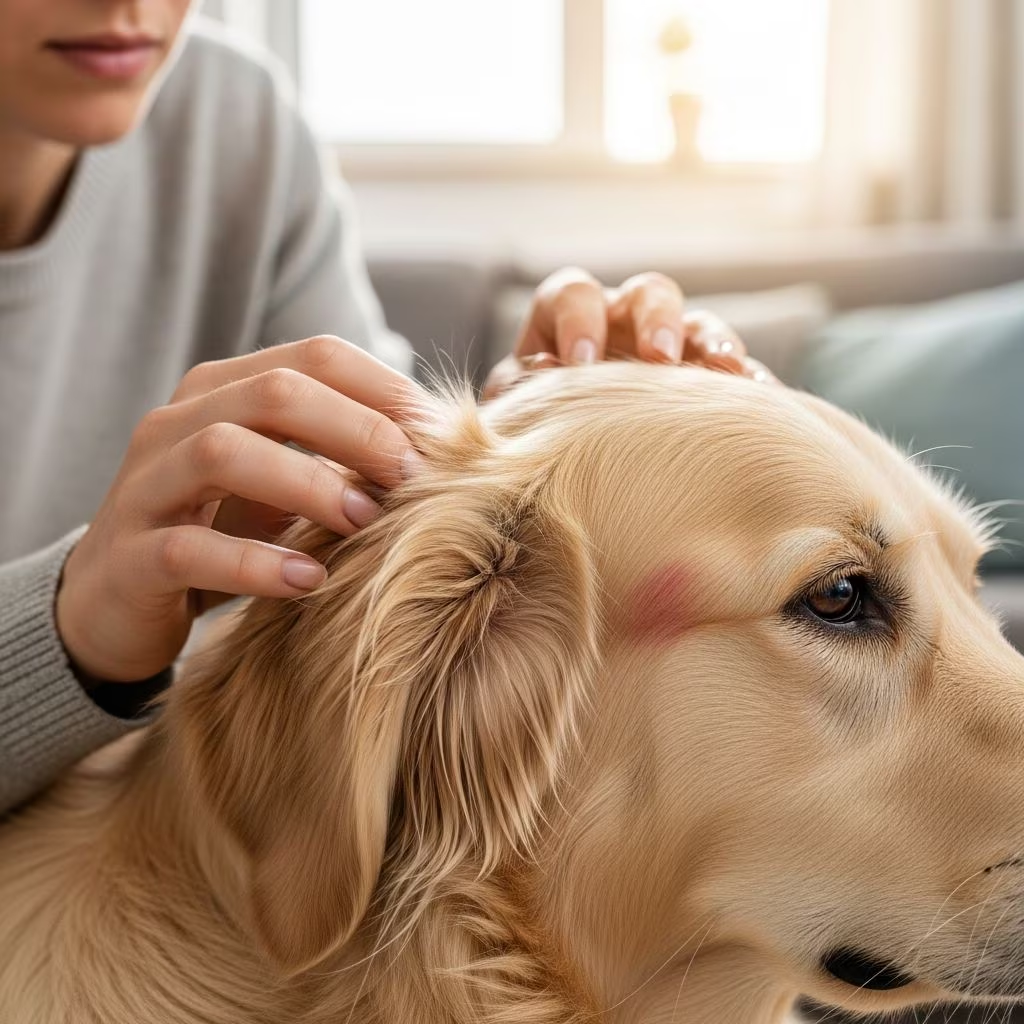
Dog allergies affect millions of pets worldwide, manifesting primarily through skin irritation rather than respiratory issues seen in humans. These conditions stem from an overactive immune response to common environmental substances, foods, or parasites, leading to discomfort that impacts quality of life. Early recognition and targeted interventions can significantly reduce symptoms and prevent complications like chronic infections.
Understanding the Roots of Canine Allergies
Allergies in dogs occur when the immune system mistakenly identifies harmless particles as threats, triggering inflammation. Unlike people, dogs rarely sneeze or develop watery eyes; instead, their reactions target the skin and ears. This hypersensitivity can be genetic, with certain breeds like Labrador Retrievers, Golden Retrievers, and Bulldogs predisposed due to inherited immune traits.
Environmental allergens, often called atopic dermatitis, arise from pollen (grass, tree, weed), mold spores, and dust mites. These peak seasonally, causing flare-ups in spring, summer, or fall when airborne levels rise. Indoor dust mites can provoke year-round issues. Food sensitivities, though less prevalent, involve proteins in beef, dairy, chicken, or grains, sometimes overlapping with gastrointestinal upset. Flea allergy dermatitis (FAD) results from saliva proteins introduced during bites—even one flea suffices to ignite severe responses.
Spotting the Warning Signs Early
Recognizing symptoms promptly prevents escalation. Primary indicators include relentless **itching**, manifesting as scratching, licking, or chewing, particularly on paws, belly, armpits, and groin. Affected areas redden, thin, or develop scabs from self-trauma. Secondary issues like **recurrent ear infections** (with head shaking, odor, discharge) and **skin infections** (hot spots, pustules) frequently follow.
- Persistent paw licking or biting, often leading to red, swollen feet.
- Red, inflamed skin or hives, sometimes with hair loss.
- Chronic ear problems, including yeast or bacterial overgrowth.
- Occasional digestive signs like vomiting or diarrhea in food allergy cases.
- Rubbing face on surfaces due to ear or eye irritation.
Observe patterns: seasonal worsening suggests environmental triggers, while constant symptoms point to food or fleas. Veterinary exams, including skin scrapes and cytology, differentiate allergies from parasites or hormonal imbalances.
Diagnostic Approaches for Accurate Identification
Veterinarians employ systematic testing. Intradermal skin testing or blood serum analysis identifies specific environmental allergens, guiding immunotherapy. Food trials require 8-12 weeks of novel protein or hydrolyzed diets to eliminate reactions, avoiding treats or flavored meds. Flea checks involve thorough combing and response to preventives. Advanced tools like video otoscopy examine ear canals deeply.
| Allergy Type | Common Tests | Key Indicators |
|---|---|---|
| Environmental | Skin/blood testing | Seasonal itching, ear infections |
| Food | Elimination diet trial | Year-round paw/ear itch, GI upset |
| Flea | Flea comb, response to treatment | Back/midline itching, hot spots |
Immediate Relief: Pharmacological Interventions
Anti-itch drugs provide rapid comfort. **Apoquel** and **Zenrelia** (oral tablets) swiftly block itch pathways without drowsiness, suitable for long-term use in dogs over 12 months. **Cytopoint** injections last 4-8 weeks, targeting itch proteins directly. Steroids like prednisone offer quick inflammation control but require short courses to avoid side effects.
Antihistamines help mildly, though less effectively in dogs. Omega-3 fatty acid supplements reduce skin inflammation over time, enhancing barrier function. For infections, antibiotics or antifungals paired with ear cleaners address secondary issues.
Topical and Supportive Therapies
Regular **bathing** with hypoallergenic or medicated shampoos (e.g., chlorhexidine, oatmeal-based) removes allergens and soothes skin weekly. Topical sprays, mousses, or wipes deliver antimicrobials precisely. Moisturizing conditioners prevent dryness, crucial post-bath.
Environmental tweaks minimize exposure: wipe paws after walks, launder bedding weekly in hot water, use HEPA vacuums, and keep humidity low to deter mites. Flea preventives like topical/oral products are non-negotiable year-round.
Long-Term Solutions: Desensitization and Diet Management
**Immunotherapy** (allergy shots or sublingual drops) customizes to test results, gradually building tolerance. About 50-75% of dogs improve, reducing med needs; maintenance spans years. Start pre-season for best results.
Hydrolyzed or novel protein diets manage food allergies permanently, with reintroduction tests confirming triggers. Nutritional therapies with essential fatty acids support skin health.
Prevention Strategies for a Symptom-Free Life
Proactive measures curb severity. Begin preventives before allergy peaks based on history. Maintain flea control religiously. Breeders selecting against allergy-prone lines aid prevention. Regular vet check-ups catch issues early.
- Track symptoms via journal for patterns.
- Use air purifiers indoors.
- Groom frequently to monitor skin.
- Avoid high-pollen outings during peaks.
Common Myths and Facts About Dog Allergies
| Myth | Fact |
|---|---|
| Allergies only affect puppies. | They often emerge at 1-3 years, worsening with age. |
| Food allergies are most common. | Environmental allergies predominate; food is rarer. |
| Home remedies cure allergies. | They manage symptoms; vet care is essential. |
Frequently Asked Questions (FAQs)
Can all dogs develop allergies?
Yes, any dog can, but genetics increase risk in predisposed breeds. Symptoms vary by trigger.
Are allergy shots safe for dogs?
Generally yes, with monitoring. Success rates are high for environmental cases, per vet oversight.
How long do treatments take to work?
Anti-itch meds act in days; immunotherapy months to years.
Can diet alone fix allergies?
Only for confirmed food allergies; environmental need multi-modal care.
Do seasonal allergies resolve on their own?
No, they recur without management, risking chronic issues.
Holistic and Emerging Approaches
Probiotics may modulate immunity, while CBD oils show anecdotal anti-inflammatory promise (vet-guided). Laser therapy aids healing in stubborn cases. Research advances novel biologics akin to Cytopoint.
Word count: 1678 (excluding metadata and references).
References
- Dog Seasonal Allergies: Causes, Symptoms, and Treatment — PetMD. 2023-10-15. https://www.petmd.com/dog/conditions/skin/seasonal-allergies-dogs
- Allergies in Dogs: Signs, Symptoms, Treatments — American Kennel Club (AKC). 2024-05-20. https://www.akc.org/expert-advice/health/dog-allergies-symptoms-treatment/
- Allergies in Dogs: Types, Signs, Causes and Treatment — UrgentVet. 2024-03-12. https://urgentvet.com/allergies-in-dogs-symptoms-treatment/
- Allergies in Dogs — VCA Animal Hospitals. 2023-11-08. https://vcahospitals.com/know-your-pet/allergy-general-in-dogs



