

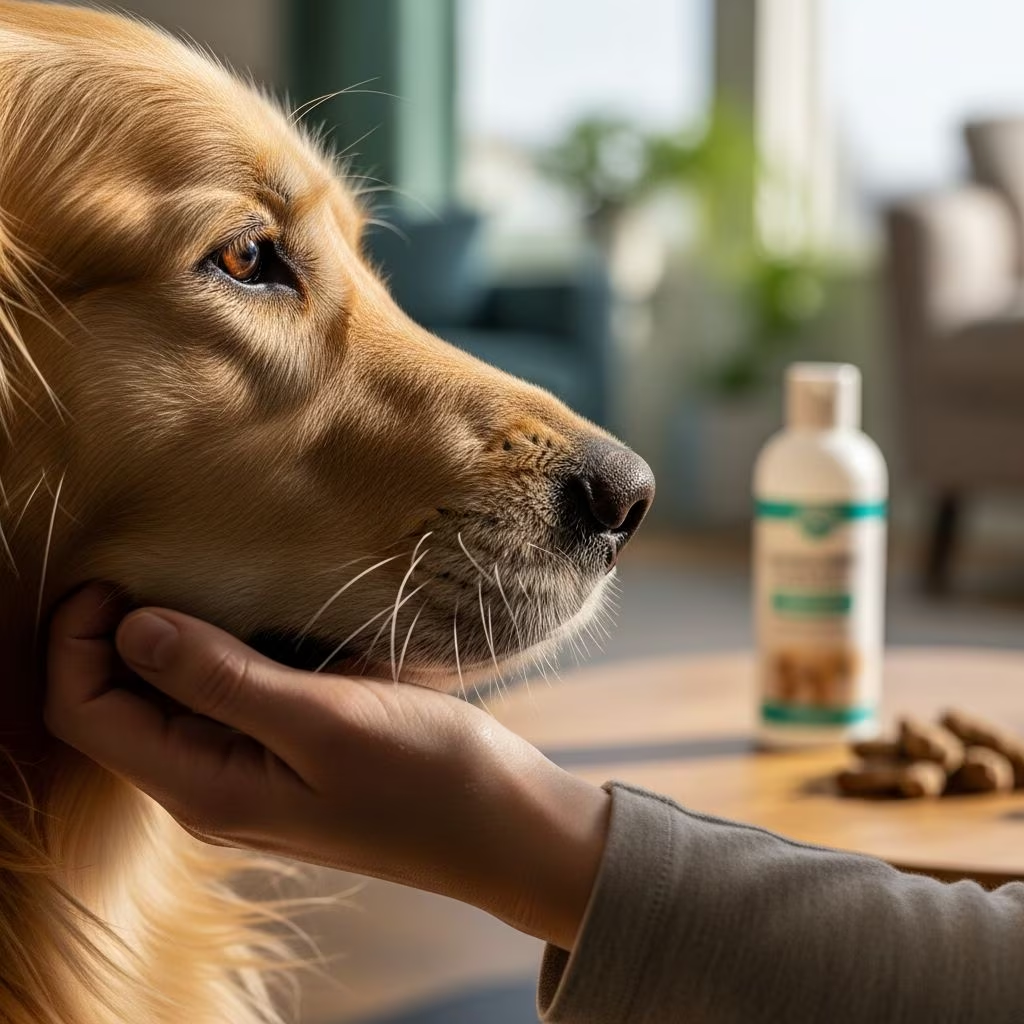
Dog allergies affect millions of pets, causing discomfort through itching, infections, and behavioral changes. Understanding the triggers and applying targeted management can significantly improve your dog’s quality of life. This guide covers identification, treatment options, and prevention strategies based on veterinary insights.
Understanding the Roots of Canine Allergies
Allergies in dogs occur when the immune system overreacts to harmless substances, leading to inflammation primarily on the skin. Unlike human allergies that often manifest in the respiratory system, canine versions target the dermis, ears, and paws.
The primary categories include environmental, food-related, and flea-induced reactions. Environmental allergens such as pollen from grasses, trees, and weeds, along with mold spores and dust mites, peak during specific seasons, causing flare-ups in spring, summer, or fall. Indoor dust mites can provoke year-round issues. Food allergies stem from proteins in beef, chicken, dairy, or grains like wheat and corn, often mimicking environmental symptoms. Flea allergy dermatitis, triggered by saliva from even one bite, is highly prevalent and results in intense localized itching.
Spotting the Signs Early
Recognizing symptoms promptly prevents secondary complications like bacterial infections. Common indicators include:
- Persistent scratching, especially on paws, belly, and ears
- Excessive licking or chewing, leading to hair loss or red skin
- Frequent head shaking and ear infections with dark discharge
- Red, inflamed hotspots or scabs
- Gastrointestinal upset like vomiting or diarrhea in food allergy cases
Seasonal patterns help differentiate types; pollen allergies worsen outdoors during high-pollen periods, while food issues persist regardless of environment. Puppies rarely show allergies before six months, with most cases emerging between one and three years.
Diagnostic Approaches for Accurate Identification
Veterinarians employ several methods to pinpoint allergens. Intradermal skin testing involves injecting small allergen amounts under the skin to observe reactions, guiding immunotherapy. Blood tests measure IgE antibodies but are less precise due to false positives.
For food allergies, an elimination diet trial is gold standard: switch to a novel protein source (e.g., duck or venison) and limited carbs for 8-12 weeks, reintroducing originals to identify culprits. Flea allergies are confirmed by thorough parasite checks. Early diagnosis averts chronic issues, allowing tailored interventions.
Comprehensive Treatment Strategies
Treatment combines symptom relief, allergen avoidance, and immune modulation. No cure exists, but management yields high success rates.
Pharmacological Relief
Anti-itch drugs like oclacitinib (Apoquel) or lokivetmab (Cytopoint) block itch signals rapidly, suitable for long-term use in dogs over 12 months. Corticosteroids provide quick relief for severe flares but require monitoring for side effects. Antihistamines offer mild benefits, often paired with other therapies.
Topical and Supportive Therapies
Medicated shampoos with chlorhexidine or antifungal agents cleanse allergens and combat infections. Omega-3 fatty acid supplements reduce inflammation systemically. Wipes, sprays, and mousses target hotspots effectively.
| Treatment Type | Examples | Best For | Frequency |
|---|---|---|---|
| Oral Anti-Itch | Apoquel, Cytopoint | Moderate-Severe Itch | Daily/Weekly Injection |
| Topical | Shampoos, Sprays | Skin Infections | 2-3x Weekly |
| Supplements | Fish Oil | Inflammation | Daily |
| Immunotherapy | Allergy Shots | Environmental | Initial Weekly, then Monthly |
Immunotherapy and Long-Term Management
Allergy shots desensitize the immune system over months, benefiting 50-75% of dogs by reducing medication needs. Custom vaccines based on testing target specific allergens.
Eliminating Food Allergies Through Diet
Hypersensitivity to dietary proteins causes year-round itching, ear issues, and GI problems. Conduct a strict trial with hydrolyzed or novel proteins under vet supervision—no treats or table scraps. Success shows within weeks; maintenance diets prevent recurrence.
Home-Based Prevention Tactics
Minimize exposure: Wipe paws post-walks, launder bedding weekly, use HEPA filters, and maintain flea preventives year-round. Regular baths (weekly) remove allergens without over-drying skin. Yard maintenance reduces pollen and mold.
- Vacuum frequently with pet-specific tools
- Groom outdoors to contain dander
- Choose hypoallergenic bedding
- Monitor humidity to deter mites
When to Seek Veterinary Help Urgently
Escalate if symptoms persist despite OTC remedies, infections spread, or behavior changes (lethargy, appetite loss). Chronic cases risk yeast overgrowth or pyoderma. Annual check-ups track progress.
FAQs on Dog Allergies
Can all dogs develop allergies?
Yes, any breed or age post-infancy, though predisposed ones like Bulldogs, Retrievers, and Terriers are common.
Are allergies curable?
Not curable, but manageable; immunotherapy offers long-term remission for many.
How do I differentiate flea from environmental allergies?
Flea allergies localize to rump/tail base; environmental affect paws/ears broadly. Flea comb confirms parasites.
Is raw diet better for allergic dogs?
Not necessarily; trials prove efficacy, regardless of raw/processed, focusing on novel ingredients.
Do allergy meds make dogs drowsy?
Modern options like Apoquel do not, unlike older antihistamines.
Holistic and Emerging Options
Probiotics support gut-skin axis, potentially easing food allergies. Acupuncture and herbal anti-inflammatories show anecdotal promise but lack robust trials. Always vet-approved.
Breeding for low-allergen lines and genetic screening advances, but environment plays key role.
References
- Dog Seasonal Allergies: Causes, Symptoms, and Treatment — PetMD. 2023. https://www.petmd.com/dog/conditions/skin/seasonal-allergies-dogs
- Allergies in Dogs: Signs, Symptoms, Treatments — American Kennel Club. 2023. https://www.akc.org/expert-advice/health/dog-allergies-symptoms-treatment/
- Allergies in Dogs: Types, Signs, Causes and Treatment — UrgentVet. 2023. https://urgentvet.com/allergies-in-dogs-symptoms-treatment/
- Pet Health Tips: Allergies — Purdue University College of Veterinary Medicine. 2023. https://vet.purdue.edu/hospital/small-animal/primary-care/tips/allergy-tips.php
- Allergies in Dogs — VCA Animal Hospitals. 2023. https://vcahospitals.com/know-your-pet/allergy-general-in-dogs



