

Bathing Your Pet Bird: A Complete Care Guide
Bathing is an essential aspect of pet bird care that contributes significantly to their overall health, hygiene, and well-being. Just like birds in the wild, pet birds need regular opportunities to clean their feathers and maintain their plumage. A proper bathing routine helps remove dust, debris, and parasites from your bird’s feathers while also providing them with enrichment and relaxation. Understanding the various bathing methods available and how to implement them safely will help you establish a bathing routine that your feathered companion will enjoy.
Why Bathing Is Important for Pet Birds
Bathing serves multiple critical functions for your pet bird’s health and happiness. When birds bathe regularly, they maintain the integrity of their feather structure, which is essential for proper insulation and flight. The bathing process helps birds remove dirt, dust, and potential parasites that may accumulate on their plumage over time. Additionally, bathing provides significant psychological enrichment, as most birds naturally enjoy water and find the experience relaxing and enjoyable.
Birds in the wild bathe frequently, often daily when water sources are available. Pet birds benefit from mimicking this natural behavior, as it contributes to their mental stimulation and overall quality of life. A clean, well-maintained feather coat also indicates a healthier, happier bird, so establishing a regular bathing routine is one of the best investments you can make in your pet’s long-term health.
Frequency of Bird Bathing
Ideally, you should bathe or shower your bird daily if possible. If daily bathing is not feasible, aim for at least three to four times per week to ensure your bird receives adequate bathing opportunities. The frequency may vary slightly depending on your individual bird’s preferences and your specific circumstances, but more frequent bathing is generally better for maintaining feather health and providing enrichment.
Different Bathing Methods for Pet Birds
Various bathing methods exist to accommodate different bird species and individual preferences. The method you choose will depend on your bird’s size, temperament, and natural bathing preferences. Most birds will show a clear preference for one method over another, and it may take some experimentation to determine which approach works best for your feathered friend.
Spray Bottles and Misting
Spray bottles provide an easy and effective way to give your bird a shower or mist. This method is particularly popular for smaller to medium-sized birds and can be performed in a controlled manner. To use a spray bottle effectively, fill it with clean, fresh water and gently mist water approximately one foot above your bird so the water falls naturally from above. This mimics the experience of natural rainfall and is often less startling for birds than direct spraying.
When introducing your bird to misting, approach calmly and playfully, and introduce spraying “indirectly” by gently misting to the side of or above your bird rather than directly on their face. Avoid spraying your bird in the face or eyes, as this can be stressful. If your bird becomes comfortable with the misting process, you can gradually progress to spraying directly on the wings, back, or torso. Always use a hand sprayer rather than a fixed showerhead when possible, as it provides better control over water pressure and direction.
Shallow Bowl Baths
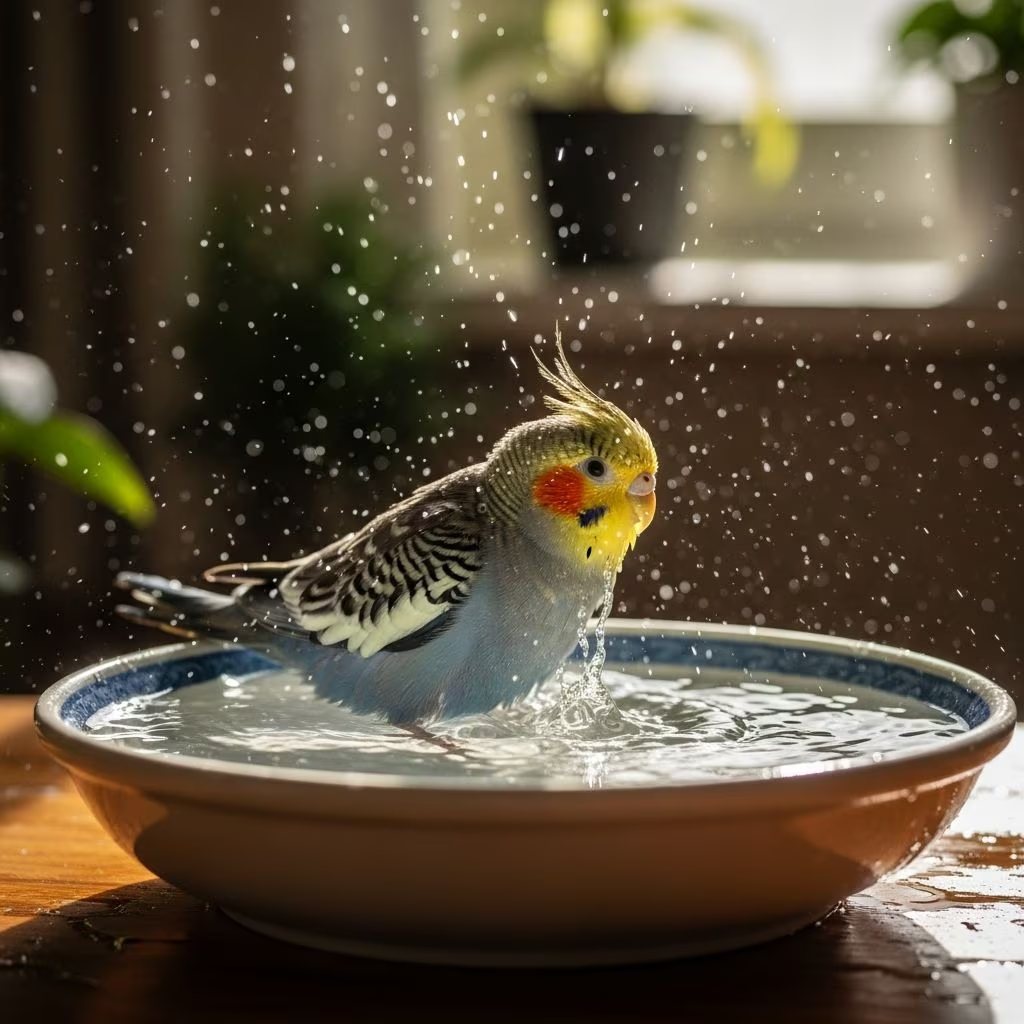
Small to medium-sized birds like budgies, cockatiels, and finches often delight in bathing in shallow bowls filled with lukewarm water. To set up a shallow bowl bath, pour one to two inches of lukewarm water into a shallow container and place it in your bird’s cage or on a secure surface. Some parrots particularly enjoy bathing in their water bowls, while many small birds will bathe in a dedicated shallow dish.
To introduce your bird to shallow bowl bathing, place the water-filled bowl in your bird’s cage or near their favorite perch and allow them to approach at their own pace. You can gently encourage exploration by splashing the water with your fingers or placing favorite treats nearby. With patience and positive reinforcement, most birds will learn to enjoy their shallow bowl baths and may eagerly hop in for a refreshing splash.
Shower Perches
A bird shower perch is a specialized accessory designed to provide birds with a dedicated area for bathing under running water. This setup typically consists of a sturdy perch with suction cups that allow you to secure it on smooth surfaces such as tile or glass. Shower perches mimic the natural experience of bathing in rain or dew, providing birds with a refreshing and invigorating way to clean themselves.
To introduce your bird to a shower perch, first place your parrot on the perch without the water running to allow them to become acclimated. When your bird seems comfortable on the perch, turn the water on at very low pressure without getting your bird wet, using cool or lukewarm water. If your bird remains comfortable with the water running at low pressure, gradually increase the water flow while monitoring your bird’s body language for signs of stress or discomfort.
Bathing with Leafy Greens
An alternative and enriching bathing method involves using large, leafy greens such as Swiss chard, kale, or Romaine lettuce. This method provides both hydration and nutritional benefits while allowing your bird to bathe naturally. To implement this method, thoroughly wash several leaves of large, leafy greens and leave large drops of water on them, or sprinkle them with bottled water if your water supply contains chlorine. Place the wet greens on a flat, sturdy plate at the bottom of your bird’s cage, allowing your bird to bathe and nibble on the nutritious leaves simultaneously.
Water Temperature and Quality Considerations
Using appropriate water temperature and quality is crucial for your bird’s safety and comfort during bathing. Lukewarm water is generally best, as it mimics the temperature of natural rain showers and is less likely to shock or discomfort your bird. Water that is too warm can shock your bird’s system or cause burns and various other risks, while water that is too cold may also be uncomfortable. Always check the water temperature before bathing your bird to ensure it is cool or room temperature.
Additionally, it is essential to use clean, fresh water only when bathing your bird. Do not use soap, shampoo, or commercial bathing solutions with chemicals, as your bird will ingest these materials from their feathers as they preen, and they can be toxic if ingested. If your city adds chlorine to the water supply, use bottled water instead of tap water to avoid exposing your bird to potentially harmful chemicals.
Introducing Your Bird to Bathing
Starting with Scared or Reluctant Birds
Some birds may be initially fearful or reluctant about bathing. Creating a safe, comfortable environment is the first step in helping scared birds become comfortable with water. Choose a quiet, calm space where your bird feels secure and avoid sudden movements or loud noises that could startle or frighten them. Introduce water slowly by placing a shallow dish of lukewarm water in your bird’s cage or near their favorite perch and allow them to approach the water at their own pace without any pressure or force.
Use positive reinforcement throughout the process by offering treats or verbal praise in a calm voice to encourage your bird to explore the water. Be patient and gentle, giving your bird plenty of time to feel comfortable with the bathing process at their own pace. Reading your bird’s body language carefully and adjusting your approach accordingly will help ensure they never feel scared or threatened when around the bath dish. It is all about building trust, so prioritize your bird’s comfort and well-being at all times.
Building Confidence Gradually
Once your bird is comfortable with the presence of water, slowly introduce them to misting or a gentle spray bottle. Start with short sessions of just one spray, offering treats and verbal praise, and gradually increase the duration of bathing as your bird becomes more confident. Introduce spraying in a neutral area, away from the cage and cage territory, to help your bird feel more relaxed and less territorial about the bathing experience.
Ensure your bird can easily climb out of its bath, as having a clear exit route provides security and reduces anxiety. By taking these gradual steps and maintaining consistency in your bathing routine, most birds will eventually learn to enjoy and even anticipate their bathing sessions.
Drying Your Bird Properly
After bathing, proper drying is essential to prevent your bird from becoming chilled or developing health issues. Pat your bird dry with a soft towel by slowly approaching from the front and gently patting your bird dry. Ensure complete dryness before returning your bird to their cage, as damp feathers can lead to hypothermia or other health complications.
Blow drying may excessively dry delicate bird skin, so avoid using hair dryers for your pet bird unless absolutely necessary. Instead, provide a warm and draft-free environment allowing your bird to dry naturally. Consider using a thermostatically controlled unit like a warming lamp or snuggle-up device, which keeps your bird warm and quickens the drying process without causing skin irritation.
Water Pressure and Safety Considerations
When bathing your bird, always monitor the water pressure to ensure it is gentle and not too forceful, as high pressure can startle or distress them. Water pressure that is too strong can damage delicate feathers or frighten your bird, making them reluctant to bathe in the future. Maintain consistent, gentle water flow throughout the bathing session, and be prepared to reduce pressure immediately if your bird shows signs of stress or discomfort.
Monitor your bird closely for signs of distress and adjust bathing methods accordingly. Signs of distress may include excessive splashing, attempting to flee, ruffled feathers held tightly against the body, or vocalizations indicating fear or displeasure. If you notice any of these signs, immediately reduce water pressure or stop the bathing session and allow your bird to dry and calm down in a warm, safe environment.
Creating Positive Bathing Experiences
Make bathing an enjoyable and rewarding experience for your bird by offering praise and treats throughout the process. Positive associations with bathing will encourage your bird to look forward to their bathing sessions and may even prompt them to initiate bathing independently. Approach each bathing session with a calm, playful demeanor, and keep initial sessions short to avoid overwhelming your bird.
End bathing sessions on a positive note, before your bird shows any signs of stress or fatigue. This approach helps ensure that your bird maintains positive associations with bathing and continues to enjoy the experience over time. With consistent, positive reinforcement and patience, bathing can become a cherished part of your daily routine together.
Special Considerations for Different Bird Species
Different bird species have varying preferences regarding bathing methods. Species like lories and caiques enjoy being truly drenched and may take their showers at high water flow rates. Larger parrots such as conures and small parrots such as lovebirds may enjoy splashing around in shallow bowls. Smaller species, such as finches, canaries, and cockatiels, may be best suited to bird baths attached to the side of the cage or shallow dishes with minimal water depth.
Experimentation is often necessary to determine which bathing method is most agreeable to your specific pet bird. Observe your bird’s natural reactions to different bathing methods and follow their preferences whenever possible. Some birds may prefer one method during certain seasons or life stages, so remain flexible and willing to adjust your approach as needed.
Important Bathing Do’s and Don’ts
Do’s
Apply only clean, fresh water to feathers. Bathe or shower your bird frequently, with daily bathing being ideal and at least three to four times weekly as a minimum. Introduce spraying indirectly by gently misting to the side of or above your bird. Introduce spraying in a neutral area, away from the cage and cage territory. Ensure your bird can easily climb out of its bath. Provide a warm and draft-free environment allowing your bird to dry without getting chilled. Use a thermostatically controlled unit like a warming lamp to keep your bird warm and quicken the drying process. Monitor your bird closely for signs of distress and adjust bathing methods accordingly.
Don’ts
Do not use soap, shampoo, or commercial bathing solutions with chemicals on your bird. Do not use tap water if your city adds chlorine to the water supply; use bottled water instead. Do not blow dry your bird, as this may excessively dry delicate bird skin. Do not spray your bird directly in the face or eyes. Do not use water that is too hot or too cold, as this can shock your bird’s system or cause discomfort. Do not force your bird to bathe if they are showing signs of fear or distress; proceed gradually and patiently.
Frequently Asked Questions About Bird Bathing
Q: How often should I bathe my pet bird?
A: Ideally, you should bathe or shower your bird daily if possible. If daily bathing is not feasible, aim for at least three to four times per week to ensure your bird receives adequate bathing opportunities and maintains healthy feather condition.
Q: What water temperature is best for bathing birds?
A: Lukewarm water is generally best for bathing birds, as it mimics natural rainfall and is less likely to shock or discomfort your bird. Avoid water that is too hot, which can cause burns, or too cold, which can be uncomfortable. Always test the temperature before bathing your bird.
Q: Can I use tap water for bathing my bird?
A: If your city adds chlorine to the water supply, use bottled water instead of tap water. Chlorine and other chemicals can be toxic to your bird if ingested during preening. For most areas with unchlorinated water supplies, clean tap water is acceptable.
Q: What should I do if my bird is afraid of water?
A: Introduce water gradually in a calm, quiet environment. Start by placing a shallow dish of water near your bird and allow them to approach at their own pace. Use positive reinforcement with treats and praise, and never force your bird into bathing. Patience and consistency will help build their confidence over time.
Q: Which bathing method is best for my bird?
A: The best bathing method depends on your bird’s species and individual preferences. Small birds often prefer shallow bowls, while larger parrots may enjoy shower perches or spray bottles. Experiment with different methods to discover which your bird enjoys most.
Q: How should I dry my bird after bathing?
A: Gently pat your bird dry with a soft towel, approaching slowly from the front. Ensure your bird is completely dry before returning to their cage. Provide a warm, draft-free environment for drying, and avoid using blow dryers, which can excessively dry delicate skin.
References
- Teaching Bathing Skills — LaFeber’s Veterinary. PDF. https://lafeber.com/vet/
- The Ultimate Guide To Bathing a Bird — BirdSupplies.com. 2024. https://birdsupplies.com/blogs/news/the-ultimate-guide-to-bathing-a-bird
- Bird Bathing — Chewy Education. 2024. https://www.chewy.com/education/bird/health-and-wellness/bird-bathing
- Expert Tips for How to Properly Bathe Your Pet Bird — myRightBird. 2024. https://myrightbird.com/articles/expert-tips-for-how-to-properly-bathe-your-pet-bird



