

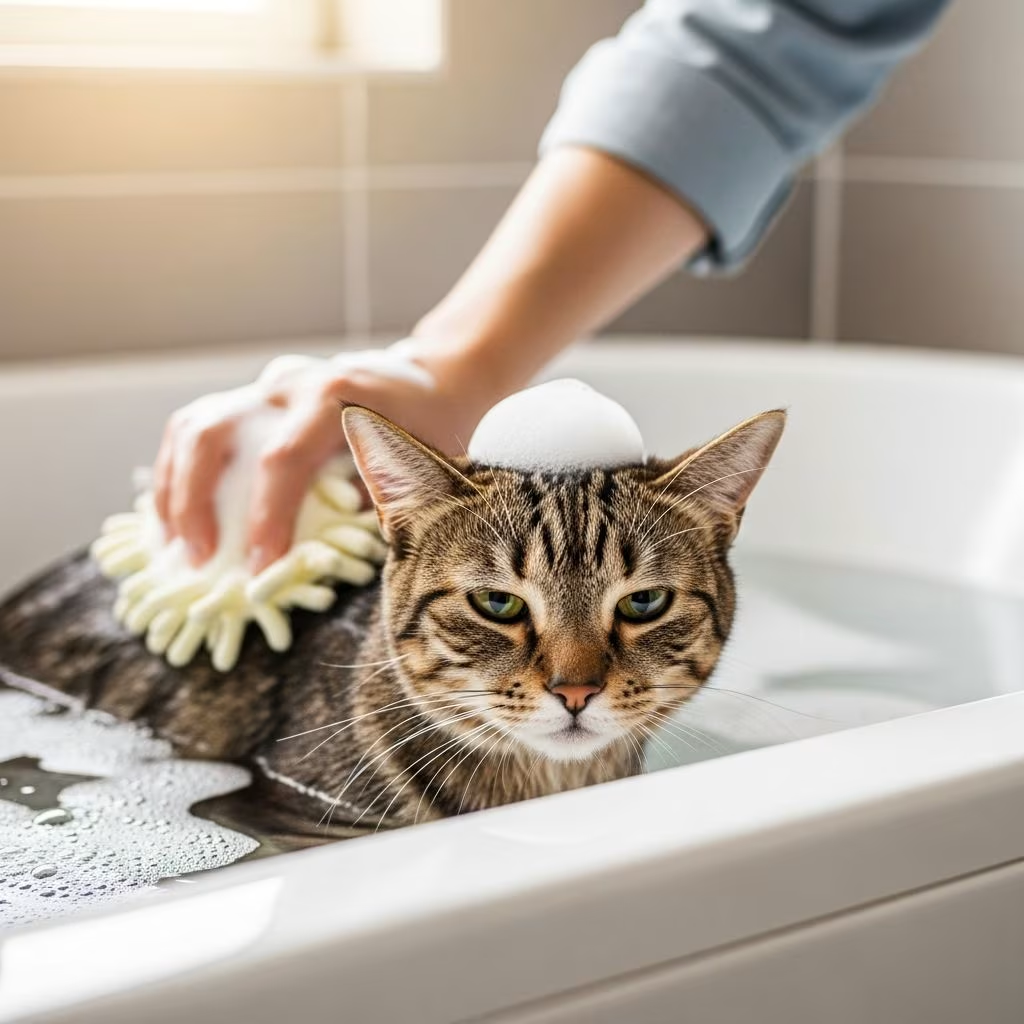
Bathing Your Cat: A Complete Guide for Pet Owners
Many cat owners wonder whether their feline companions need regular baths. Unlike dogs, cats are naturally fastidious animals that spend a significant portion of their day grooming themselves. However, there are situations when a bath becomes necessary or beneficial for your cat’s health and well-being. Understanding how to properly bathe your cat can help maintain their coat, address skin conditions, and ensure they remain comfortable throughout the process.
Why Bathe Your Cat?
While cats are excellent self-groomers, there are several compelling reasons why your veterinarian might recommend bathing your feline friend. Regular bathing can provide numerous benefits beyond basic cleanliness.
Benefits of Bathing
Bathing is an effective way to remove dirt, debris, dander, and allergens from your pet’s coat. These particles accumulate over time and can contribute to skin irritation, allergic reactions, and general discomfort. A thorough bath helps eliminate these unwanted materials, leaving your cat’s coat cleaner and healthier. Additionally, bathing can improve your cat’s overall appearance and help you identify any potential skin issues or abnormalities that might require veterinary attention.
Medical and Therapeutic Reasons
Beyond routine hygiene, medicated shampoos prescribed by veterinarians serve specific therapeutic purposes. Your veterinarian might recommend a medicated bath for several conditions:
- Bacterial Skin Infections: Mild skin infections may be treated with antibacterial shampoo alone, while more severe infections often require a combination of antibacterial shampoo and oral antibiotics.
- Yeast Infections: These common feline skin conditions are effectively treated with antifungal shampoos that target the underlying fungal growth.
- Skin Allergies: Even without active infection, medicated shampoos can alleviate skin inflammation and itching while helping reduce potential allergens on the skin and coat.
- Parasitic Infestations: Certain medicated shampoos can help eliminate parasites and provide relief from associated skin irritation.
How Often Should You Bathe Your Cat?
The frequency of bathing depends entirely on your cat’s individual needs and circumstances. Most healthy cats only need a bath every 4 to 6 weeks. However, this timeline can vary significantly based on your cat’s lifestyle, coat type, and any existing skin conditions.
If your veterinarian prescribes medicated baths for a specific skin condition, the frequency will be determined by the treatment protocol. Many medicated bathing regimens recommend weekly baths initially, with adjustments made based on your cat’s response to treatment. Your veterinarian can provide specific guidance regarding the appropriate bathing schedule for your cat’s particular situation.
Preparing for the Bath
Successful cat bathing begins long before water touches your feline friend’s fur. Proper preparation ensures the experience is as stress-free and efficient as possible for both you and your cat.
Choosing the Right Location
Select a comfortably warm area with easy access to warm water for bathing your cat. A bathtub or sink works well for most cats. Ideally, the bathing area should have good lighting so you can see what you’re doing and monitor your cat’s reaction. Ensure there is a place where you can set clean, dry towels within arm’s reach to make it easier to remove your cat when finished.
If possible, consider using a spray nozzle or hose attachment to make rinsing easier and reduce stress for your cat. If you don’t have a hose attachment, use a large cup or bowl to collect water from the faucet to pour over your cat. Some communities have commercial pet wash facilities with bathing stations specifically designed for bathing pets comfortably and conveniently, complete with towels and other helpful items.
Setting Up Your Space
Before bringing your cat to the bathing area, prepare everything you’ll need. Gather your shampoo, towels, and any other supplies. Place a non-slip mat or folded towel in the tub or sink to provide secure footing for your cat. This prevents slipping and reduces anxiety during the bathing process.
Water Temperature
Use lukewarm water that is approximately skin temperature, not hot or cold. Test the water temperature with your hand or elbow before placing your cat in the water. Water that is too hot can be uncomfortable and potentially harmful to your cat’s sensitive skin, while cold water will increase stress and discomfort.
Step-by-Step Bathing Instructions
Following a systematic approach ensures thorough and effective bathing while minimizing stress for your cat.
Initial Rinsing
Begin by thoroughly rinsing your cat with lukewarm water. Wet the entire coat, starting from the head and working downward. Be gentle and avoid spraying water directly into your cat’s ears, nose, or eyes. If your cat is visibly dirty or has accumulated debris in their coat, you may first bathe them with an over-the-counter shampoo to remove dirt and debris before applying any medicated shampoo.
Applying Shampoo
Medicated shampoo should be applied to a clean, wet coat. Start by working the shampoo into the areas that are most severely affected, typically including the paws, armpits, groin, and the area around the rectum. After thoroughly rubbing the shampoo into these targeted areas, massage the shampoo into the coat across the rest of your body, ensuring complete coverage.
Contact Time
Once the shampoo has been thoroughly worked into your cat’s coat, set a timer for 10 minutes or the contact time your veterinarian prescribed. This contact time allows the medicated ingredients to work effectively on the affected areas. Avoid rinsing prematurely, as this reduces the treatment’s effectiveness.
Thorough Rinsing
When the timer goes off, it is time to rinse thoroughly. Ensure you rinse all the shampoo from all areas of your cat’s body, as residual shampoo can irritate the skin and cause discomfort. This process will take several minutes; it is important to be patient and comprehensive. If your veterinarian prescribed a leave-in conditioner, it can be applied now after all shampoo has been removed.
Drying and Aftercare
After bathing, dry your cat with a towel and keep her in a warm area until she is completely dry. Use gentle patting motions rather than vigorous rubbing to avoid damaging the coat or causing discomfort. Ensure your cat stays in a warm environment during the drying process to prevent chilling.
Making the Experience Positive
Creating a positive bathing experience helps reduce stress and makes future baths easier for both you and your cat. While talking to your cat and offering lots of reassurance and praise, gently place her into the shower tray or bath. Maintain a calm, soothing tone throughout the process. Your cat will respond to your energy and confidence, so staying relaxed yourself is essential.
Consider bathing your cat during times when they are naturally calmer, such as after playtime when they are tired. Avoid bathing during times when your cat is particularly active or agitated. Building positive associations with bathing through patience and positive reinforcement can significantly improve your cat’s cooperation in future bathing sessions.
What to Expect After Bathing
Understanding normal post-bath reactions helps you distinguish between typical responses and potential concerns requiring veterinary attention.
Immediate Post-Bath Reactions
You may notice that your cat’s skin is a bit red immediately after a bath. This typically does not indicate a reaction to the shampoo; instead, it reflects an increase in skin circulation that often occurs after bathing. This redness should fade within a few hours as your cat’s skin normalizes.
Timeline for Improvement
Typically, skin conditions should improve within the first few weeks of using a medicated shampoo. Your veterinarian can give you a better idea of what to expect with your cat’s particular skin condition. Keep track of any changes in your cat’s skin and coat quality, and report this information to your veterinarian at follow-up appointments.
When to Contact Your Veterinarian
While uncommon, allergic reactions to medicated shampoo can occur. If your cat’s skin appears to be consistently worsening with bathing, or if you notice signs of severe irritation, hair loss, or open sores, please contact your veterinarian immediately. Additionally, if your cat shows signs of distress during bathing or develops new symptoms, seek professional guidance.
Choosing the Right Shampoo
Not all shampoos are created equal, and selecting the appropriate product is crucial for your cat’s health and comfort. While over-the-counter shampoos are sometimes advertised as general-purpose products, medicated shampoos are prescribed to treat a specific skin condition. A wide variety of medicated shampoos are available to veterinarians; your veterinarian will select the most appropriate for your cat’s skin condition based on diagnostic findings and your cat’s individual needs.
Unlike cleansing shampoos, medicated shampoos do not typically contain soaps or detergents and may not thoroughly clean dirty cats. This is why pre-bathing with a gentle cleanser may be necessary before applying medicated formulations. Dermatologist-formulated shampoos and conditioners are specifically designed to be gentle on sensitive feline skin while providing therapeutic benefits.
Frequently Asked Questions
Q: Do cats really need baths?
A: Most healthy cats don’t require regular baths since they groom themselves effectively. However, baths become necessary for cats with skin conditions, those that are visibly dirty, or those whose coats are matted. Your veterinarian can advise whether bathing is appropriate for your specific cat.
Q: What should I do if my cat absolutely refuses to bathe?
A: If your cat strongly resists bathing, discuss alternatives with your veterinarian. In some cases, dry shampoos, waterless bathing products, or professional grooming services may be viable options. Your veterinarian may also recommend a calming supplement or consultation with a feline behavior specialist.
Q: Can I use human shampoo on my cat?
A: No, human shampoos are formulated for human skin pH and may irritate your cat’s more sensitive skin. Always use shampoos specifically formulated for cats, and use medicated shampoos only as prescribed by your veterinarian.
Q: How long should a cat bath take?
A: A typical cat bath takes 15 to 30 minutes, depending on your cat’s size, coat length, and cooperation level. This includes preparation, shampooing, contact time, rinsing, and initial drying.
Q: What if my cat gets water in their ears during bathing?
A: To prevent water from entering the ears, consider placing cotton balls gently in your cat’s outer ear canals before bathing. After bathing, gently remove the cotton and use a dry cloth to clean around the ear area. If water does get into the ears, consult your veterinarian.
Q: Is it safe to bathe kittens?
A: Kittens can be bathed, but they require extra care to maintain proper body temperature. Ensure the water is lukewarm and dry them thoroughly immediately after bathing. Consult your veterinarian about the appropriate age to begin bathing young kittens.
Q: Can I bathe my cat if they are sick or injured?
A: Consult your veterinarian before bathing a sick or injured cat. Bathing during illness or injury recovery may cause additional stress or complications. Your veterinarian can advise whether bathing is appropriate or should be postponed.
Summary: Bathing Your Cat Successfully
Bathing your cat requires patience, preparation, and the right approach, but when done correctly, it can significantly benefit your feline companion’s health and well-being. Whether bathing for routine hygiene or to treat a specific skin condition, following these guidelines will help ensure a successful and positive experience for both you and your cat. Always consult your veterinarian for specific recommendations regarding your cat’s individual bathing needs, appropriate products, and frequency. With practice and positive reinforcement, bathing can become a manageable part of your comprehensive cat care routine.
References
- How to Bathe Cats with Medicated Shampoo — VCA Animal Hospitals. 2024. https://vcahospitals.com/know-your-pet/how-to-bathe-cats-with-medicated-shampoo
- How to Bathe a Cat & How Often You Should Do It — Scottsdale Animal Clinic. 2023. https://www.srah.com/site/blog/2023/11/15/how-bathe-cat
- How Often Should You Bathe a Cat: A Complete Guide — Vetericyn. 2024. https://vetericyn.com/blogs/vetericyn/how-often-should-you-bathe-a-cat
- How to Bathe a Cat: Stress-Free Tips for Pet Owners — York Veterinary Hospital. 2024. https://yorkveterinaryhospital.ca/blog/how-to-bathe-a-cat-stress-free-tips-for-pet-owners/
- Four Grooming Habits to Start Now — VCA Animal Hospitals. 2024. https://vcahospitals.com/shop/home/pet-life-stages/junior-to-adult/four-grooming-habits-to-start-now



