

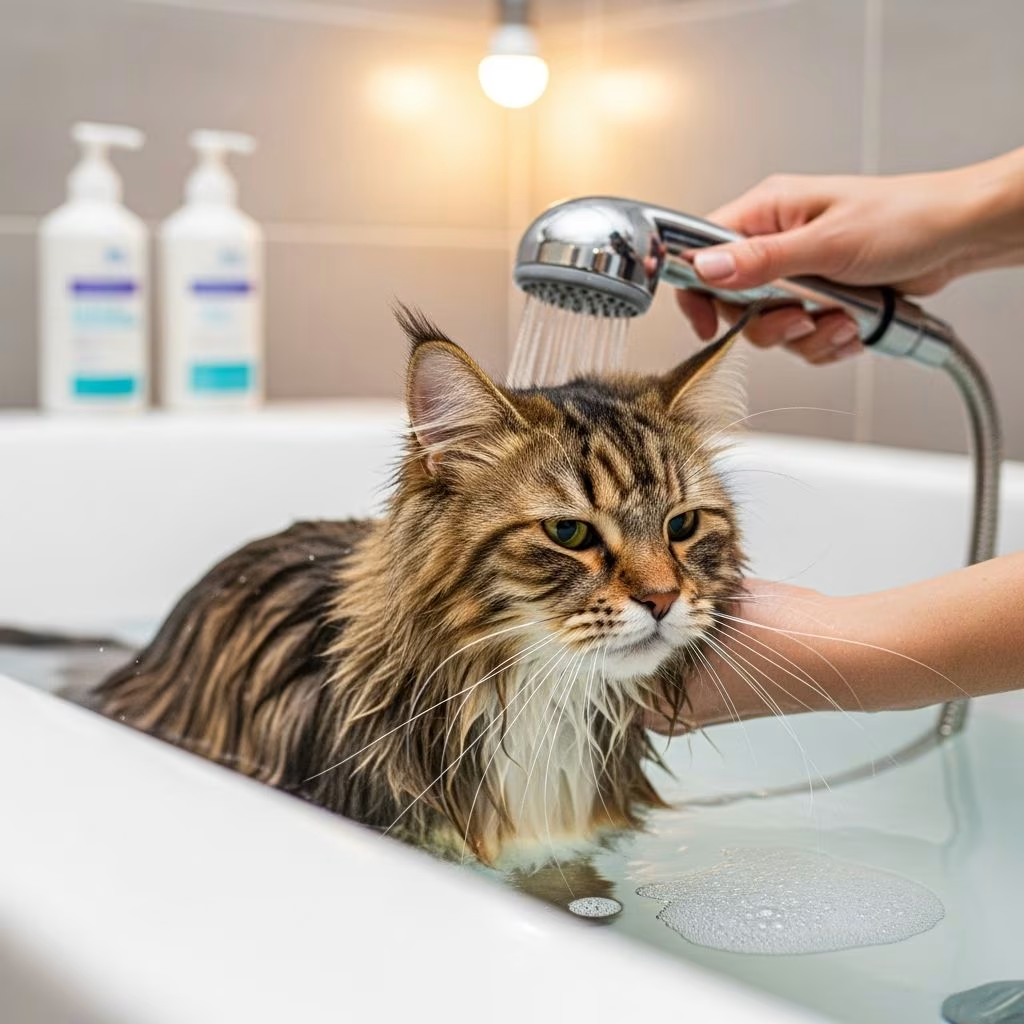
Long-haired cats boast luxurious coats that captivate owners, but maintaining their fur demands consistent effort. While these felines are adept self-groomers, their lengthy hair often leads to tangles, mats, and excess shedding, prompting questions about bathing necessity. This guide delves into grooming fundamentals, clarifying when baths are appropriate and offering practical strategies for coat health.
Understanding the Self-Grooming Habits of Fluffy Felines
Cats possess remarkable grooming instincts, using barbed tongues to clean fur and distribute natural oils. For long-haired breeds like Persians or Maine Coons, this process becomes challenging as dense undercoats trap debris and loose hairs. Indoor long-haired cats shed year-round, necessitating human intervention every few days to remove dead hair and avert tangles. Daily brushing mimics their natural behavior, reducing hairball risks and promoting skin health.
Do Long-Haired Cats Require Frequent Baths?
Unlike dogs, most cats rarely need baths due to their fastidious nature. Long-haired varieties might benefit from occasional washing if fur becomes soiled from outdoor adventures or litter mishaps, but routine bathing isn’t standard. Over-bathing strips essential oils, causing dry skin and irritation. Veterinary experts recommend baths only when dirt is visible or during professional grooming sessions, typically every 4-6 weeks for heavily matted cats.
- Signs a bath is needed: Persistent odor, greasy patches, or sticky residues from food or feces.
- Avoid baths if: Your cat grooms adequately and lives indoors, as water exposure can stress them unnecessarily.
Building an Effective Daily Grooming Routine
Prevention trumps cure for long-haired cat care. Establish a routine starting with gentle brushing to keep fur smooth and mat-free. Begin sessions young to acclimate your cat, using treats for positive reinforcement. Aim for 10-15 minutes daily, focusing on high-risk areas like the belly, armpits, and tail base.
| Area of Focus | Frequency | Tool Recommendation |
|---|---|---|
| Belly and Legs | Daily | Slicker brush |
| Back and Sides | Daily | Wide-tooth comb |
| Ruff and Neck | Every 2-3 days | Thinning shears for thinning |
| Paw Pads | Weekly | Fine-tooth comb |
Selecting the Right Tools for Optimal Fur Maintenance
Equipping yourself with cat-specific tools simplifies grooming. A slicker brush excels at capturing loose undercoat hairs without pulling skin. Follow with a wide-tooth metal comb featuring rounded tines to gently detangle. For stubborn mats, employ a mat splitter or deshedding tool like a Furminator, but wield carefully to avoid injury.
- Stainless steel combs for precision detangling.
- Grooming gloves for shedding control during petting sessions.
- Nail clippers to prevent scratches during handling.
- Soft-bristled brushes for final polishing and oil distribution.
Store tools in a dedicated basket for easy access, ensuring a smooth routine.
Safe Techniques for Detangling and Trimming Mats
Mats form when loose hairs intertwine, often around the hindquarters or under limbs. Approach gently: isolate the mat, apply cornstarch to loosen, then comb from the edges inward. If intractable, use thinning shears to snip parallel to the skin, thinning rather than shortening the coat. Professional groomers bathe twice with mild shampoo post-trimming, towel-dry, and blow-dry while checking for skin issues.
Never yank mats, as this causes pain and skin tears. For ruffs under the chin, thin with toothed shears to aid self-grooming access.
Step-by-Step Bathing Process for Long-Haired Cats
When a bath is unavoidable, prepare meticulously. Use lukewarm water in a shallow tub or sink, with a non-slip mat. Cat-specific shampoo dilutes oils mildly without drying.
- Wet fur thoroughly, avoiding the head initially.
- Lather shampoo from neck to tail, massaging into the undercoat.
- Rinse completely to prevent residue irritation.
- Apply conditioner if recommended, then rinse again.
- Towel-dry gently, followed by low-heat blow-drying for long coats.
Post-bath brushing removes loosened debris. Frequency: Only as needed, supplemented by brushing.
Health Monitoring During Grooming Sessions
Grooming doubles as a wellness check. Part the fur to inspect for fleas, lumps, or dermatitis. Pale gums or excessive scratching signal vet visits. Dental care integrates via toothbrushing with enzymatic paste weekly. Ear cleaning with vet-approved wipes prevents wax buildup in fluffy-eared breeds.
Professional Grooming: When to Seek Expert Help
For severe matting or stress-averse cats, enlist groomers. They trim nails, sanitize rear ends, bathe thoroughly, and style coats. Regular pro sessions monitor systemic issues manifesting in fur, like allergies or thyroid problems. Costs vary, but prevention via home care minimizes needs.
Common Mistakes to Avoid in Long-Haired Cat Care
Owners often err by using human products, causing allergies. Over-trimming exposes skin to elements, while neglecting undercoats fosters hairballs. Forceful sessions breed aversion; always heed body language—tail swishes or ear flattening mean pause.
- Don’t: Bathe weekly unless prescribed.
- Avoid: Harsh pulling or human shampoos.
- Skip: Over-clipping to bare skin levels.
FAQ: Long-Haired Cat Grooming Essentials
Can I bathe my long-haired cat at home?
Yes, sparingly with proper tools and patience. Most thrive without, via brushing alone.
How often should I brush a long-haired cat?
Daily to prevent mats, per ASPCA guidelines.
What if my cat hates grooming?
Use treats, short sessions, and gloves for a pet-like feel.
Is professional grooming necessary?
For heavy matting or health checks, yes; otherwise, home routines suffice.
Do baths reduce shedding?
Temporarily, but brushing is more effective long-term.
Nutrition and Supplements for Luscious Coats
Diet influences fur quality. Omega-3 rich foods like fish oil bolster coat shine and reduce shedding. High-quality kibble with balanced proteins supports skin barrier function. Consult vets for supplements if shedding persists abnormally.
References
- Tips for Grooming Long-Haired Cats — Crossroads Veterinary Hospital. 2024-03-15. https://www.crossroadsvh.com/site/blog/2024/03/15/tips-grooming-long-haired-cats
- The Ultimate Guide to Grooming Your Long-Haired Cat — Embassy Lakes Animal Hospital. N/A. https://embassylakesanimalhospital.com/blog/grooming-long-haired-cat/
- Long-Haired Cat Grooming – Tips for a Healthy Coat — The Environmental Blog. 2024-12. https://www.theenvironmentalblog.org/2024/12/long-haired-cat-grooming/
- Long haired cats and how to care for their fur — Cat’s Best. N/A. https://www.catsbest.eu/long-haired-cats-fur-care/
- Cat Grooming Tips — ASPCA. N/A. https://www.aspca.org/pet-care/cat-care/cat-grooming-tips
- Tame the floof! Grooming tips for longhaired cats — Happy Cats Haven. N/A. https://happycatshaven.org/resource/grooming-cats/



