

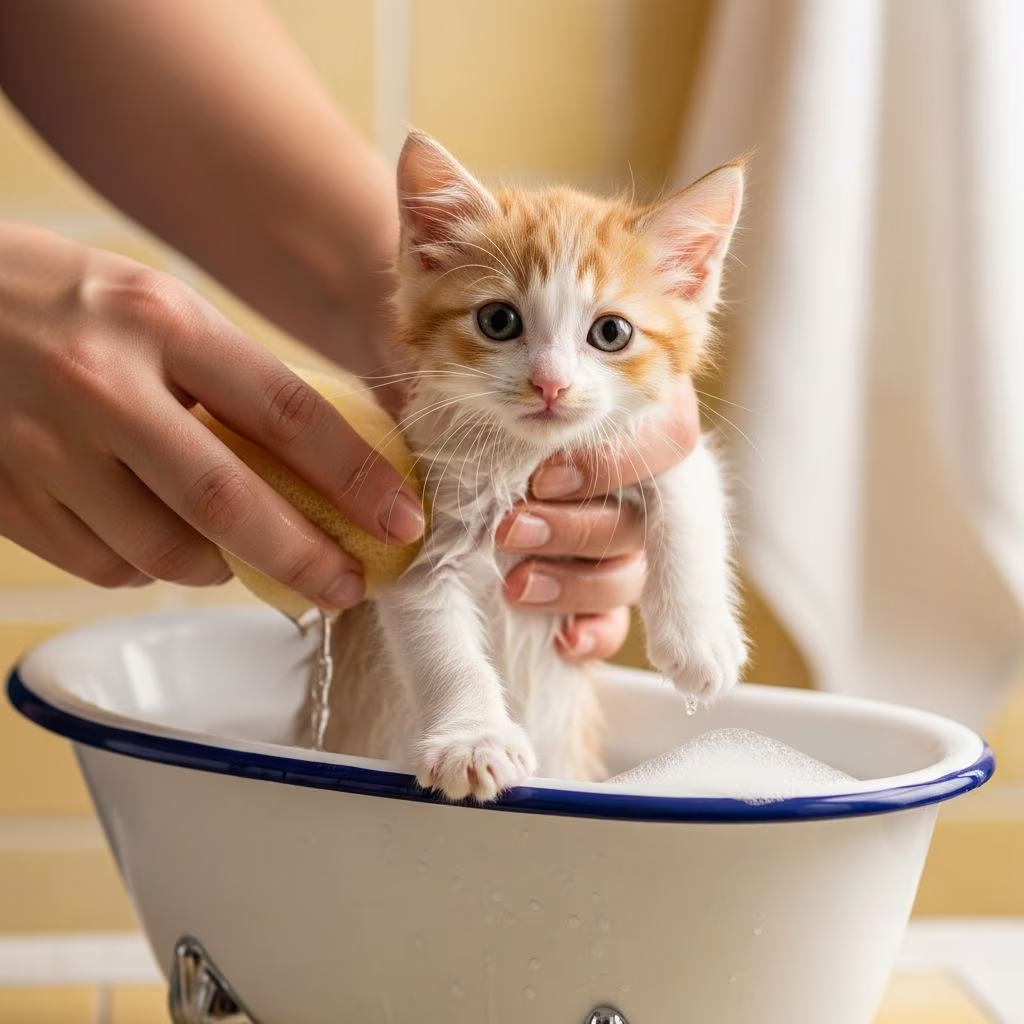
Kittens generally maintain their own cleanliness through grooming, but occasional baths become necessary for stubborn dirt, odors, or skin conditions. Proper technique ensures the process remains safe and low-stress for these young felines.
Understanding When and Why to Bathe Your Kitten
Most kittens under three months old should avoid full baths to prevent temperature regulation issues. Instead, use a damp cloth for spot cleaning on younger ones. Full immersion baths suit kittens at least 8-12 weeks old, particularly after exposure to messes like oil or fleas.
Bathe only as needed—typically every 4-6 weeks or when visibly soiled. Over-bathing removes natural oils, leading to dry skin. Early introduction to water helps kittens adapt, reducing future resistance.
Gathering Essential Supplies for a Successful Bath
Preparation minimizes stress and streamlines the process. Assemble these items beforehand:
- Kitten-specific shampoo: Mild, tear-free formulas prevent irritation on sensitive skin.
- Non-slip mat or towel: Lines the basin to provide secure footing.
- Shallow container: Sink or small tub with water no deeper than the kitten’s knees.
- Soft towels: Multiple for immediate drying to retain body heat.
- Cotton balls: Gently clean face and protect ears from water.
- Cup or handheld sprayer: For controlled rinsing without overwhelming the kitten.
- Treats and toys: Positive reinforcement tools.
Optional: Low-heat hairdryer and conditioner formulated for kittens. Keep the room warm, around 75°F (24°C), to avoid chills.
Building Your Kitten’s Comfort with Water
Desensitization starts days before the bath. Allow exploration of the empty bathing area with treats to form positive links. Progress to damp cloths on paws and body, then running water sounds. Handle your kitten daily if they resist touch, as confidence in arms translates to bath security.
Trim nails 24 hours prior to avoid scratches. Choose quiet times without household disruptions. These steps transform potential panic into tolerance.
Detailed Step-by-Step Bathing Instructions
Follow this sequence for efficiency and calm:
- Fill the basin: 2-3 inches of lukewarm water (test on your wrist). Add non-slip surface.
- Position helper: One person holds the kitten by scruff or mid-back, facing away to minimize scratches; the other washes.
- Introduce gradually: Lower hindquarters first, allowing adjustment. Speak softly and offer treats.
- Wet the coat: Pour or spray from neck down, sparing head, ears, and eyes.
- Lather shampoo: Dime-sized amount massaged gently from neck to tail base. Skip face.
- Rinse completely: Residue causes itching; use fresh warm water until clear.
- Condition if using: Apply sparingly, rinse well.
- Remove and towel: Wrap immediately, patting dry. Avoid rubbing.
- Finish drying: Air-dry in warm spot or use dryer on cool/low, at distance, with treats.
Entire process should last 5-10 minutes. Praise throughout and end with play or meal for association.
Special Techniques for Face and Sensitive Areas
The head requires separate care: Damp cotton ball or cloth wipes eyes, nose, and mouth area with plain water. Never submerge or soap the face, as irritation risks high in kittens.
For long-haired breeds, pre-brush to detangle. Short-haired kittens dry faster but all benefit from post-bath combing to prevent mats.
Frequent Mistakes and How to Avoid Them
| Common Error | Consequence | Solution |
|---|---|---|
| Water too hot/cold | Burns or chills | Wrist-test temperature |
| Deep water | Panic/drowning risk | Knee-level only |
| Incomplete rinse | Skin irritation | Double-check runoff |
| No drying | Hypothermia | Towel + warm room |
| Forcing resistant kitten | Long-term fear | Stop and retry later |
Post-Bath Care and Health Monitoring
Monitor for shivering, redness, or lethargy post-bath—contact a vet if seen. Brush regularly to distribute oils. Integrate baths into routine grooming like nail trims.
If fleas or infections prompt baths, pair with vet-recommended treatments. Frequency adjusts by lifestyle: Indoor kittens need less than outdoor explorers.
Alternatives to Full Baths for Kitten Hygiene
- Dry shampoos: Powder or foam for oil absorption without water.
- Wet wipes: Kitten-safe for spot cleans.
- Brushing: Removes debris daily.
These suit frequent light maintenance, preserving coat health.
Frequently Asked Questions
Can I bathe a 4-week-old kitten?
No—use cloths only; they’re too young for water baths.
How often is too often?
Limit to monthly unless medically advised.
What if my kitten hates baths?
Acclimate slowly; consider professional grooming if persistent.
Is human shampoo okay?
No—too harsh; always use kitten formulas.
Can I use a hairdryer?
Yes, on cool/low, watching for stress.
Long-Term Benefits of Early Bath Training
Kittens bathed young view water positively, easing vet visits or future needs. Combined with brushing, it promotes glossy coats and bonding.
References
- How to Bathe a Kitten: Step-By-Step Instructions — Purina US. 2023. https://www.purina.com/articles/cat/kitten/health/how-to-bathe-a-kitten
- The Gentle Art of Bathing Your Kitten: A Step-by-Step Guide — Orea Teai. 2024. https://www.oreateai.com/blog/the-gentle-art-of-bathing-your-kitten-a-stepbystep-guide/81f3d872ef9fea8bd8da24e9c82ecc81
- Bathing Your Kitten Tips from a Veterinarian — Animal Medical Center of Bel Air. 2025-02-15. https://www.animalmedicalcenterofbelair.com/2025/02/15/bathing-your-kitten-tips-from-a-veterinarian/
- How to Bathe Your Kitten: Easy Steps — Newport Veterinary Hospital. 2024. https://newportvetrh.com/april-newsletter-how-to-bathe-your-kitten/
- Give your kitten a bath with these simple tips — Animal Humane Society. 2023. https://www.animalhumanesociety.org/resource/give-your-kitten-bath-these-simple-tips



