

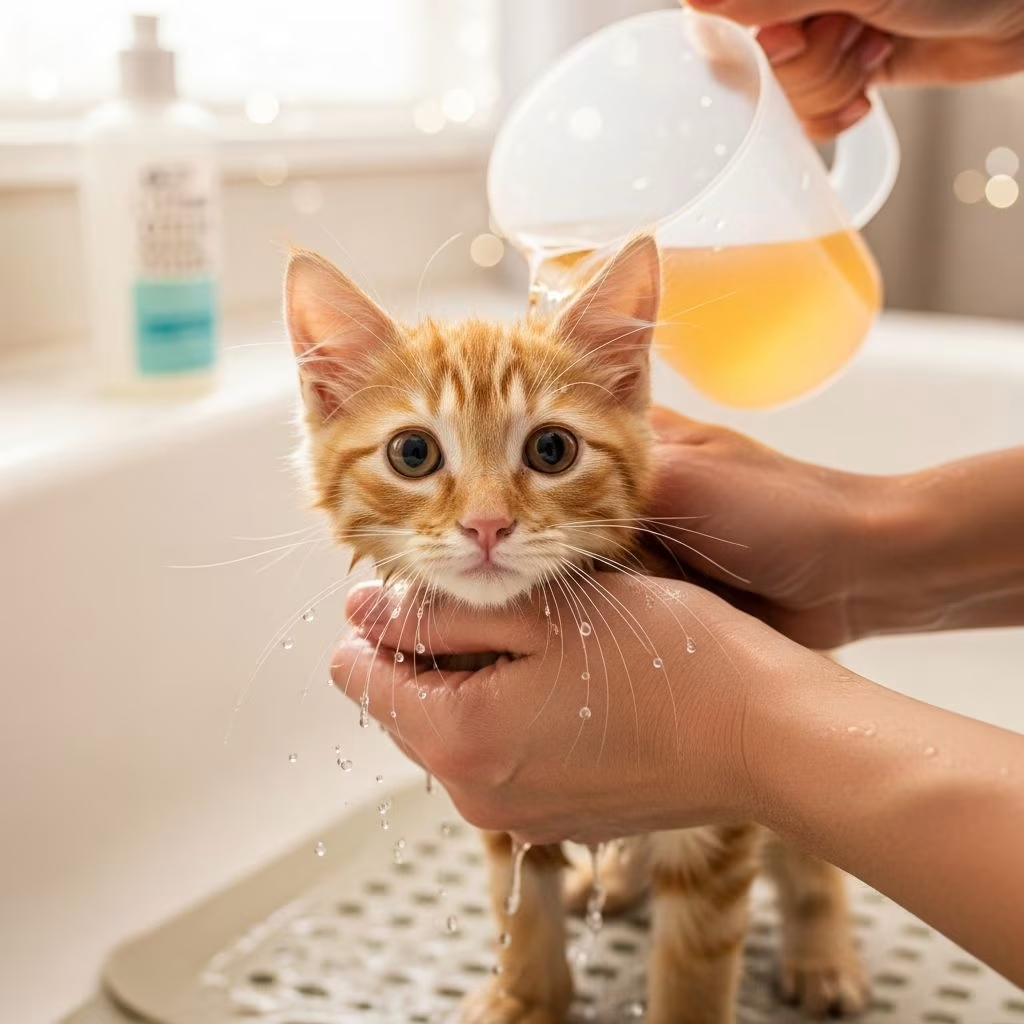
Kittens generally maintain their cleanliness through grooming, but occasional baths become necessary for dirt, fleas, or specific health needs. This guide provides a thorough approach to bathing young cats safely, starting from the right age and preparation through to aftercare, helping owners build positive experiences.
Understanding When Kittens Need a Bath
Young felines possess natural grooming instincts, yet certain situations demand human intervention. Baths are not routine for most kittens unless they encounter substances like grease, paint, or severe flea infestations that self-cleaning cannot handle. Overbathing risks stripping essential oils from their skin, leading to dryness or irritation, so limit full immersions to every 4-6 weeks or as advised by a vet.
For kittens under 3 months, baths pose risks of hypothermia due to immature temperature regulation. Instead, opt for spot cleaning with damp cloths. Veterinary consultation is crucial for very young or orphaned kittens, as their needs differ.
Essential Supplies for a Successful Kitten Bath
Gathering tools beforehand streamlines the process and reduces stress. Key items include:
- A non-slip mat or towel for the basin bottom to prevent slipping.
- Lukewarm water (around 95°F or body temperature).
- Kitten-specific, fragrance-free shampoo diluted per instructions.
- Cotton balls for gentle face and ear cleaning.
- Multiple absorbent towels, pre-warmed if possible.
- Treats and toys for positive reinforcement.
- Optional: Low-heat hair dryer and conditioner for longer coats.
Choose cat-formulated products only, as dog shampoos can be toxic. Prepare a warm, draft-free room to maintain the kitten’s body heat post-bath.
Preparing Your Kitten for Water Exposure
Introducing water gradually prevents panic. Begin weeks in advance with these desensitization steps:
- Play recordings of running water at low volume while offering treats.
- Gently wipe paws and body with a damp cloth, rewarding calm behavior.
- Allow supervised exploration near shallow water bowls.
Handle your kitten daily to build trust. Trim nails and brush fur the day before to minimize scratches and remove loose hair. Enlist a helper to hold the kitten securely, keeping their back toward you for safety.
Step-by-Step Bathing Process
Follow this sequence for efficiency and comfort, aiming for a 5-10 minute session.
| Step | Action | Tips |
|---|---|---|
| 1. Setup | Fill sink or basin to kitten’s knees/elbows with lukewarm water. Add mat. | Test temperature on your wrist; it should feel neutral. |
| 2. Entry | Support by scruff or underbelly, lower slowly feet-first. | Speak soothingly; let them adjust pace. |
| 3. Wetting | Scoop or pour water from neck to tail, avoiding head. | Use a cup or gentle sprayer for even coverage. |
| 4. Shampoo | Apply diluted shampoo, massage gently into lather. | Start at neck to prevent flea escape; skip face. |
| 5. Rinse | Pour clean water thoroughly until suds-free. | Residue causes itching; repeat if needed. |
| 6. Condition (Optional) | Apply rinse-out conditioner to tangled areas. | Beneficial for long-haired breeds. |
| 7. Exit & Dry | Lift out, wrap in towel, pat dry. | Use cool dryer if tolerated, from distance. |
Throughout, offer praise and treats to associate water with positivity.
Handling Fleas and Special Bathing Cases
Fleas require prompt action, especially in young kittens. Consult a vet for age-appropriate treatments; they may prescribe medicated shampoos. For baths:
- Use feline flea shampoo only, following label directions precisely.
- Lather neck first to kill fleas before they flee to the head.
- Rinse meticulously and treat the environment to prevent reinfestation.
For orphaned or soiled kittens, spot baths suffice: dampen cloth with warm soapy water for targeted areas like rear ends. Always monitor for skin reactions post-flea bath.
Safety Measures to Protect Your Kitten
Prioritize these to avoid harm:
- Supervision: Never leave kitten unattended near water.
- Temperature Control: Warm water and room; dry immediately to prevent chilling.
- Gentle Handling: No pulling fur; support body fully.
- Face Protection: Wipe with damp cloth; avoid soap near eyes/ears/mouth to prevent infections.
- Stress Reduction: Short sessions, calm demeanor, familiar scents.
If kitten shows distress like excessive squirming or vocalizing, end the bath and reassess preparation.
Drying Techniques and Post-Bath Care
Thorough drying is critical as wet fur leads to chills. Pat with towels, squeezing excess water gently. For full dryness:
- Wrap in pre-warmed towels, changing as they soak.
- Employ a hair dryer on cool/low setting, 12 inches away, watching for fear.
- Allow self-grooming in a warm area.
Post-bath, provide a quiet space with blankets. Resume normal feeding/playing soon after. Monitor for signs of irritation like redness or lethargy, contacting a vet if observed.
Frequency Guidelines and Breed Considerations
Breed impacts bathing needs: Short-haired kittens rarely require it, while Persians or Maine Coons benefit from occasional conditioning. Frequency table:
| Scenario | Recommended Frequency |
|---|---|
| Healthy, clean kitten | Every 4-6 weeks |
| Flea-infested | As vet directs, often weekly initially |
| Skin condition/allergies | Vet-prescribed schedule |
| Outdoor/messy lifestyle | Monthly or as needed |
Adjust based on veterinary input for health issues.
Common Mistakes to Avoid
Steer clear of these pitfalls:
- Cold/hot water causing shock.
- Human shampoo irritating sensitive skin.
- Incomplete rinsing leading to dermatitis.
- Forcing dryer on fearful kittens.
- Bathing too young or frequently.
Learning from errors ensures future baths improve.
Building Long-Term Water Confidence
Repetition with positivity fosters tolerance. Some breeds like Bengals enjoy water play, turning baths into fun. Track progress: from initial fear to voluntary paw-dipping signals success.
Frequently Asked Questions (FAQs)
Can I bathe a 4-week-old kitten?
No, use a damp cloth or seek vet advice for orphans.
What if my kitten hates water?
Desensitize gradually with treats and short exposures.
Is conditioner necessary?
Optional for long fur; choose kitten-safe formulas.
How do I clean the face?
Damp cotton ball; no immersion.
What temperature for water?
Lukewarm, about 95°F.
References
- How to Bathe a Kitten: Step-By-Step Instructions — Purina US. 2023. https://www.purina.com/articles/cat/kitten/health/how-to-bathe-a-kitten
- How To Bathe a Kitten — PetMD. 2024-01-15. https://www.petmd.com/cat/general-health/how-to-bathe-a-kitten
- How to wash a Kitten without making it too scared — YouTube (Kitten Lady). 2018-06-12. https://www.youtube.com/watch?v=ymxEmbALjIo
- How to Bathe an Orphaned Kitten — YouTube (Kitten Lady). 2015-07-20. https://www.youtube.com/watch?v=qqxzUan3AP8
- Give your kitten a bath with these simple tips — Animal Humane Society. 2022-05-10. https://www.animalhumanesociety.org/resource/give-your-kitten-bath-these-simple-tips



