

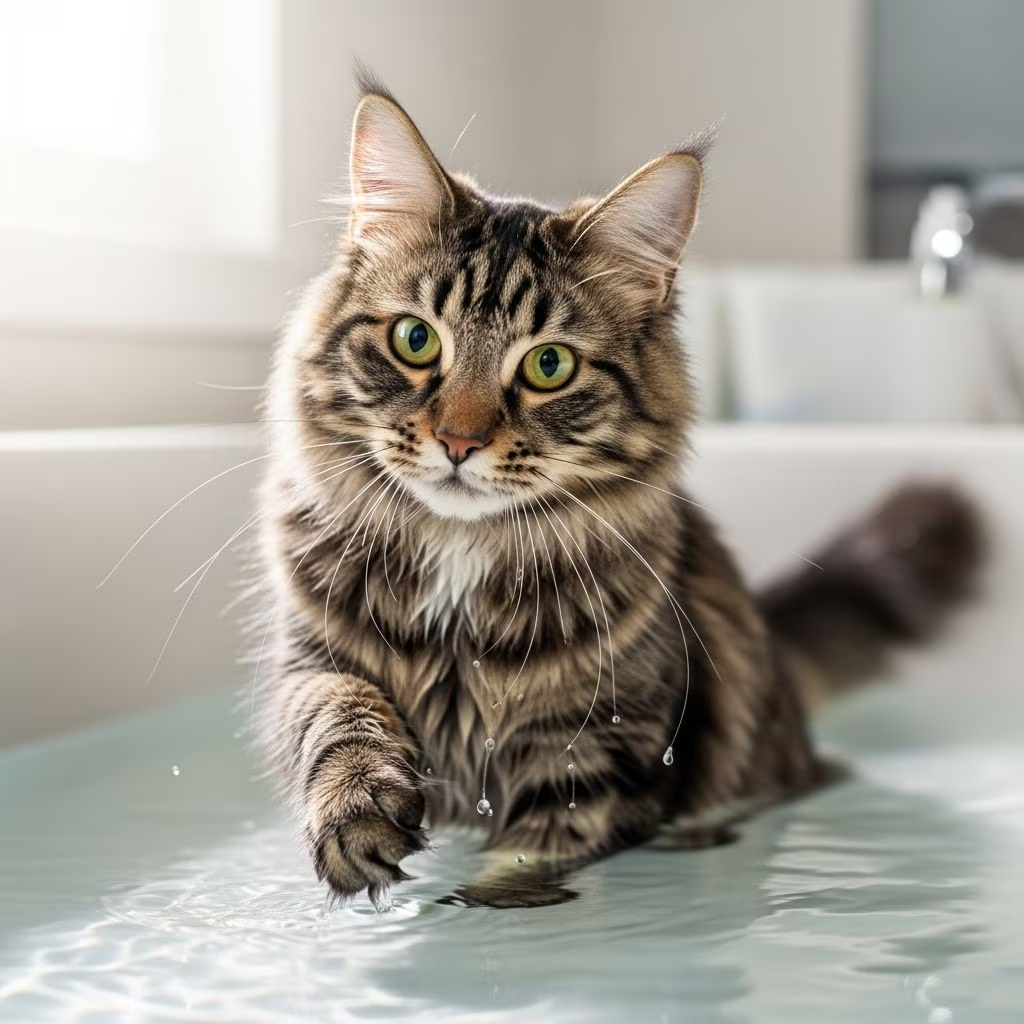
Cats are renowned for their self-cleaning prowess, often making traditional baths unnecessary. However, in certain situations, a rinse with plain water can refresh your feline without soaps or shampoos. This approach works best for light dirt removal but has limitations for deeper cleaning needs.
Understanding Feline Grooming Habits
Cats dedicate up to half their waking hours to grooming, using barbed tongues to distribute natural oils and remove debris. This behavior keeps most cats clean, reducing the need for owner intervention. Breeds like Sphynx, lacking fur, require more frequent washing to manage oil buildup.
- Indoor cats groom effectively, staying pristine without baths.
- Outdoor adventurers may need occasional rinses after muddy escapades.
- Senior or obese cats might struggle with self-grooming, necessitating help.
When Plain Water Bathing Makes Sense
A water-only bath suits minor soiling, such as dust or light mud. It removes surface particles without stripping essential oils that protect the skin. Avoid it for greasy substances, fleas, or odors, as water alone won’t penetrate or neutralize them.
| Scenario | Suitable for Water Only? | Reason |
|---|---|---|
| Light dust from play | Yes | Gently rinses without residue. |
| Skunk spray or oil | No | Requires degreasing agents. |
| Flea dirt | No | Needs medicated shampoo; vet consult advised. |
| Sphynx oil buildup | Partial | Water helps but mild cleanser better. |
Limitations of Water-Only Baths
Plain water excels at rinsing but fails against oils, strong smells, or parasites. For instance, skunk spray demands vinegar-based mixtures to break down thiols. Fungal issues or allergies often require veterinary-prescribed medicated baths. Over-reliance on water can leave residue, irritating sensitive skin.
Behavioral stress is another concern. Unaccustomed cats may panic, risking scratches or eroded trust. Introduce water play early for kittens to build tolerance.
Preparing for a Successful Water Rinse
Gather supplies to minimize stress: non-slip mats, warm water (around 100°F), towels, treats, and cotton balls for ears. Heat the bathroom beforehand for comfort. Enlist a helper for wriggly cats.
- Test water temperature on your wrist.
- Secure cat gently on non-slip surface.
- Use a pitcher for controlled pouring.
- Reward calm behavior liberally.
Step-by-Step Guide to Water-Only Bathing
Follow these steps for a smooth experience:
- Wet the body: Start from neck to tail, avoiding head. Pour slowly, massaging water into fur.
- Gently scrub: Use fingers to loosen dirt; no soap needed.
- Rinse thoroughly: Ensure no trapped particles remain.
- Dry promptly: Towel off, then air-dry in warm spot. Brush to restore coat.
- Ear care: Wipe outer ears with cotton; never probe canal.
Monitor for signs of distress; stop if needed. Post-bath, offer treats to associate positively.
Alternatives to Full Water Baths
- Brushing: Removes loose fur and dirt daily.
- Wet wipes: Fragrance-free for spot cleaning.
- Dry shampoos: Powder-based for oil absorption.
- Professional grooming: For tough cases.
For medical needs, consult vets before home treatments.
Special Considerations for Kittens and Breeds
Kittens adapt better; use shallow warm water and kitten-safe methods. Sphynx need weekly rinses to prevent infections from sebum. Long-haired breeds benefit from pre-brushing.
Post-Bath Care Essentials
Keep cats warm post-rinse to avoid chills. Brush to distribute oils. Watch for skin issues like redness, indicating over-washing.
Common Myths About Cat Bathing
- Myth: Cats hate all water. Many enjoy sinks or play.
- Myth: Baths are always cruel. Done right, they’re beneficial.
- Myth: Never bathe indoors. Controlled environments safest.
Frequently Asked Questions
Can I use cold water for my cat?
No, use lukewarm to mimic body temperature and prevent shock.
How often should I rinse with water only?
Rarely; only as needed for light dirt. Most cats self-maintain.
What if my cat has fleas?
Water won’t suffice; seek vet-approved treatments.
Is bathing safe for kittens under 8 weeks?
Avoid full baths; spot clean with damp cloth.
Can water-only baths replace grooming?
No, combine with brushing for best results.
Expert Insights on Feline Hygiene
Veterinarians emphasize minimal bathing to preserve natural barriers. Dr. Alison Diesel notes most cats thrive without owner baths due to grooming instincts. When necessary, prioritize safety and positivity.
Maintain health through diet, flea prevention, and regular vet checks to reduce bathing needs.
References
- Is Bathing a Cat Really Necessary (or Just a Myth in Caring for Pets)? — CC SPCA. 2023. https://ccspca.com/blog-spca/education/bathing-a-cat/
- When You Should—And Shouldn’t—Give Your Cat A Bath — Texas A&M College of Veterinary Medicine & Biomedical Sciences. 2023-10-01. https://vetmed.tamu.edu/news/pet-talk/cat-baths/
- Give your kitten a bath with these simple tips — Animal Humane Society. 2024. https://www.animalhumanesociety.org/resource/give-your-kitten-bath-these-simple-tips



