
Bathing Cats: When, Why, and Safe Methods
Discover essential insights on cat bathing: know when it's necessary, the risks involved, and proven techniques for a stress-free experience.
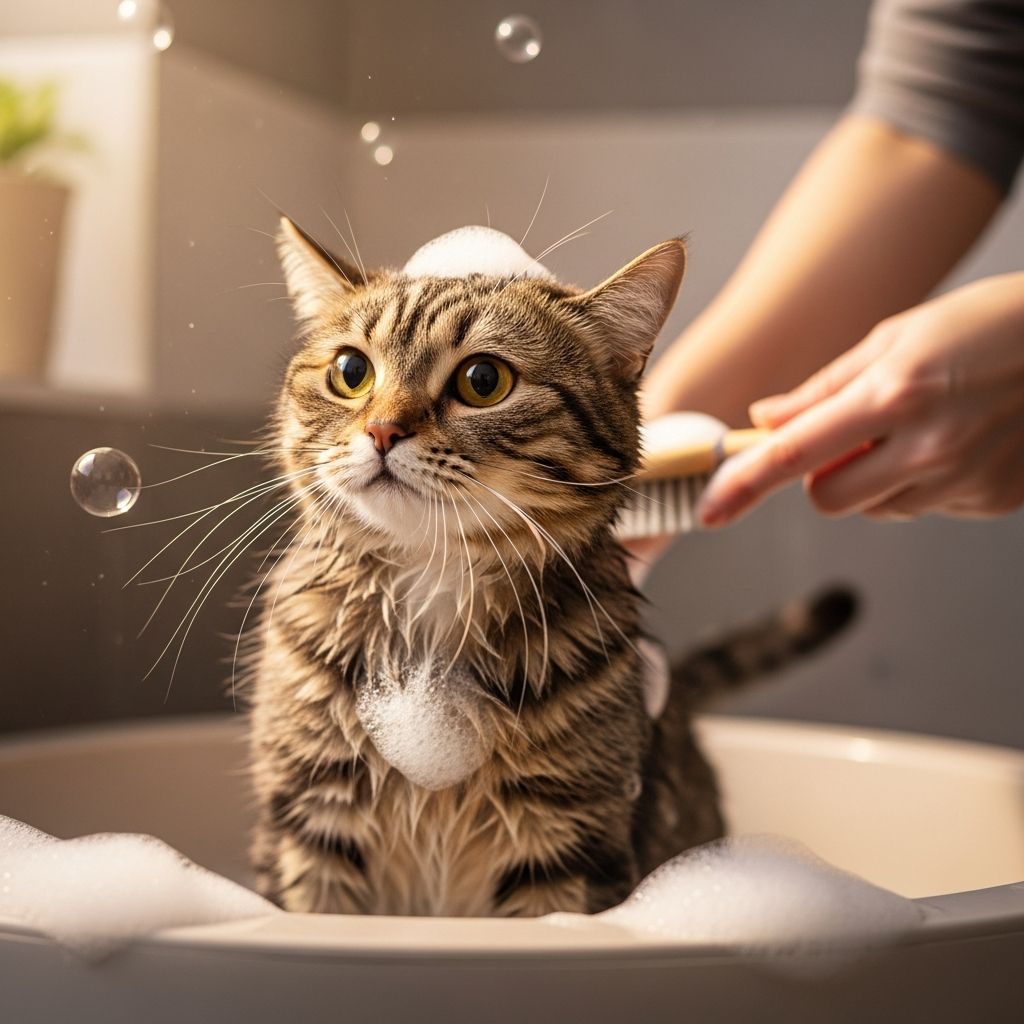
Cats are renowned for their self-cleaning prowess, yet there are times when a bath becomes unavoidable. This comprehensive guide explores the necessity, risks, benefits, and practical steps for bathing your cat effectively while minimizing stress.
Understanding Feline Self-Grooming Habits
Cats dedicate a significant portion of their day to grooming themselves using their rough tongues, which act like natural brushes to distribute oils and remove debris. This behavior maintains their coat’s health and hygiene without human intervention in most cases.
However, certain breeds like Persians or cats with mobility issues may struggle with thorough self-cleaning, leading to matted fur or skin problems. Recognizing these limitations helps determine if bathing is warranted.
Key Reasons to Consider Bathing Your Cat
While routine baths are unnecessary, specific situations justify them. Here’s when bathing can be beneficial:
- Parasite Infestations: Fleas, ticks, or mites cause itching and infections; a medicated bath removes them effectively.
- Skin Conditions: For fungal infections, allergies, or dermatitis, veterinary-prescribed shampoos during baths provide targeted relief.
- Household Allergies: Regular baths reduce Fel d 1 protein from saliva on fur, easing symptoms for allergic family members.
- Excessive Soiling: Outdoor cats or those exposed to toxins like oil need baths to prevent ingestion during grooming.
- Mobility Challenges: Overweight or arthritic cats can’t groom fully, risking dirt buildup and irritation.
Potential Drawbacks and Risks of Cat Baths
Bathing carries risks that outweigh benefits for many cats. Cats often fear water, leading to high stress levels that manifest as aggression, anxiety, or long-term trust issues.
| Risk | Effects on Cat | Effects on Owner |
|---|---|---|
| Stress and Anxiety | Rapid heartbeat, trembling, behavioral changes | Scratches, bites during resistance |
| Skin Dryness | Oil stripping, irritation, flakiness | N/A |
| Physical Injury | Muscle strains, broken nails | Bruises, wounds |
Over-bathing exacerbates dryness by removing protective oils, making brushing a preferable alternative that stimulates oil production.
Situations to Strictly Avoid Bathing
Not all cats tolerate baths well. Postpone or skip them in these cases:
- Kittens Under 4 Weeks: Risk of drowning or lifelong trauma due to small size and vulnerability.
- Pregnant or Nursing Cats: Stress can harm mother and kittens; chemicals may affect milk or scent recognition.
- Ill Cats: Especially with respiratory, heart, or immune issues—stress weakens recovery.
- Newly Adopted Cats: Allow adjustment time to build trust before introducing water.
Choosing the Right Products and Tools
Use only cat-specific shampoos with mild, pH-balanced formulas to avoid irritation. Human products disrupt skin barriers.
Recommended Tools:
- Non-slip mat for sink or tub.
- Spray nozzle or cup for gentle rinsing.
- Towels and low-heat blow dryer.
- Cat-safe flea or medicated shampoos as vet-recommended.
For hairless breeds like Sphynx, infrequent baths with gentle products prevent oil buildup.
Step-by-Step Guide to a Safe Cat Bath
Preparation reduces stress. Acclimate your cat gradually with positive associations.
- Prepare the Area: Fill basin with lukewarm water (about 38-39°C); test with elbow.
- Brush First: Remove loose fur to minimize waterlogging.
- Wet Gradually: Use a damp cloth on head, then soak body avoiding ears/eyes.
- Lather Sparingly: Massage shampoo for 2-3 minutes if medicated.
- Rinse Thoroughly: Prevent residue causing itchiness.
- Dry Gently: Towel-dry, then air-dry or low-heat dry in a warm room.
- Reward Lavishly: Treats and play rebuild positive feelings.
Frequency: Every 4-6 weeks max for needy cats; less for others.
Alternatives to Full Baths for Cat Hygiene
Most cats thrive without water. Try these:
- Brushing: Daily for long-haired breeds; distributes oils, reduces shedding.
- Dry Shampoos/Wipes: Absorb dirt without wetting.
- Waterless Sprays: Refresh coat safely.
- Spot Cleaning: Damp cloth for soiled areas.
- Professional Grooming: For severe cases.
Health Benefits Backed by Experts
When indicated, baths improve skin health by clearing debris saliva can’t remove, aiding allergy management and early issue detection. Veterinary advice emphasizes confidence in technique to avoid trauma.
Frequently Asked Questions (FAQs)
Do cats really need baths?
Rarely. Their grooming suffices unless health or soiling issues arise.
How often should I bathe my cat?
Only as needed, typically 1-4 times yearly; monitor skin response.
What if my cat hates water?
Use alternatives like brushing; force only for medical necessity with vet guidance.
Can bathing help with fleas?
Yes, with flea shampoo, but follow with preventatives.
Is bathing safe for senior cats?
Possible if arthritic; support mobility and keep warm.
Long-Term Care Tips Post-Bath
Monitor for skin reactions. Maintain routine grooming, diet for healthy coat, and vet check-ups. Positive reinforcement ensures future baths are tolerable.
This approach balances feline instincts with necessary interventions for optimal health.
References
- Is It Okay to Give Your Cat a Bath? Exploring the Pros and Cons — UAH Pet. 2023-10-15. https://www.uahpet.com/blogs/post/is-it-okay-to-give-your-cat-a-bath-exploring-the-pros-and-cons
- 4 reasons you should avoid bathing your cat: 4 rare cases when it is actually required — Times of India. 2024-11-01. https://timesofindia.indiatimes.com/life-style/relationships/pets/4-reasons-you-should-avoid-bathing-your-cat-4-rare-cases-when-it-is-actually-required/articleshow/124741373.cms
- When You Should—And Shouldn’t—Give Your Cat A Bath — Texas A&M University College of Veterinary Medicine & Biomedical Sciences (.edu). 2023-05-20. https://vetmed.tamu.edu/news/pet-talk/cat-baths/
- 6 Conditions When You Shouldn’t Wash Your Cat — HICC Pet. 2024-02-10. https://hiccpet.com/blogs/cats/6-conditions-when-you-shouldn-t-wash-your-cat
- How Bathing Your Cat Improves Skin, Allergies, and Health — Charlotte Kennels. 2025-11-07. https://charlottekennels.com/2025/11/07/how-bathing-your-cat-improves-skin-allergies-and-health/
- The Essential Guide to Cat Bathing: Do’s and Don’ts for Happy Feline Friends — Darwin’s Pet. 2024-08-12. https://www.darwinspet.com/blogs/pet-behavior/the-essential-guide-to-cat-bathing-dos-and-donts-for-happy-feline-friends
- Should you Bathe your Cat? Everything you need to know — Petmate. 2024-03-05. https://www.petmate.com/blogs/petmate-academy/should-you-bathe-your-cat
Similar Articles








Read full bio of medha deb




