

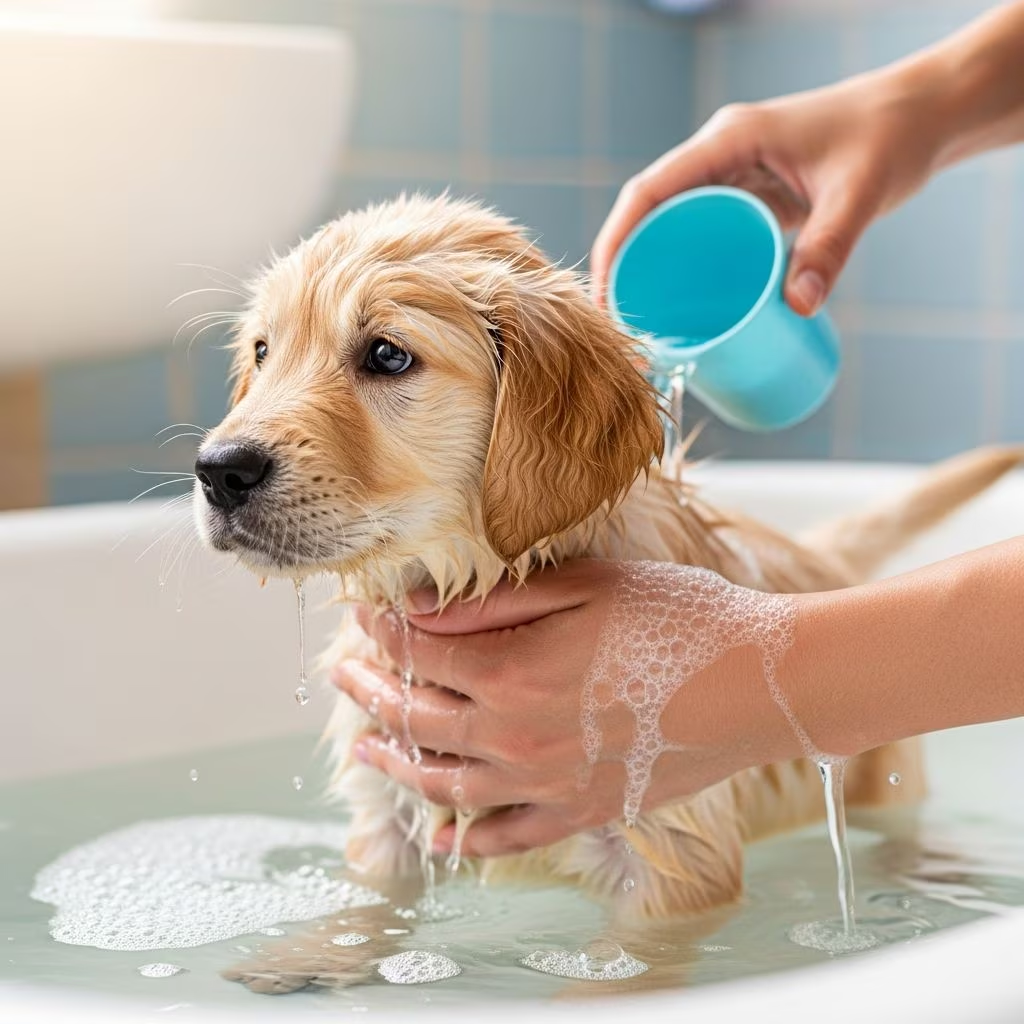
Bathing a Puppy: When Can You Start Giving Your Puppy a Bath?
Bringing a new puppy home is an exciting experience, but it also comes with responsibilities, including proper grooming and hygiene. One of the questions new pet parents frequently ask is when they can start bathing their puppies. While it might be tempting to give your adorable new companion their first bath right away, timing is crucial for their health and safety. Understanding the right age to introduce bathing and how to do it properly ensures your puppy develops positive associations with grooming while maintaining their delicate skin and coat health.
The Right Age for Your Puppy’s First Bath
The question of when to bathe a puppy doesn’t have a one-size-fits-all answer, as veterinarians and canine care experts offer varying recommendations based on individual puppy development. However, understanding these guidelines helps new owners make informed decisions about their puppy’s grooming needs.
Age Guidelines for First Bath
Most veterinarians and grooming professionals recommend waiting until puppies are between 6 to 16 weeks old before their first full bath. The most commonly cited guideline suggests waiting until puppies are at least 8 weeks old, as this is when many puppies have developed enough physiological maturity to handle the bathing process safely. Some experts recommend waiting until 12-16 weeks of age, which coincides with the completion of their initial vaccination series and more developed thermoregulation systems.
The primary concern with bathing very young puppies is their inability to effectively regulate body temperature. Puppies younger than 8 weeks cannot maintain stable body heat, making them susceptible to dangerous chilling during and after a bath. Additionally, their mother naturally cleans them during their early weeks, so bathing isn’t typically necessary until they become more independent and active.
Why Age Matters
The developmental timeline for puppies is critical when considering bath time readiness. Young puppies lack fully developed thermoregulation abilities, meaning they cannot generate or maintain body heat as effectively as older dogs. Exposure to water and the subsequent evaporation during drying can cause their body temperature to drop dangerously. Furthermore, puppies younger than 12 weeks may not have completed their full vaccination series, making them more vulnerable to infections that could be contracted in wet environments or grooming facilities.
What to Do Before Eight Weeks: Spot Cleaning
If your puppy gets dirty before they reach the recommended age for a full bath, don’t worry. There are safe alternatives to complete bathing that keep your puppy clean without risking their health.
Spot Cleaning Techniques
For puppies under 8 weeks who need cleaning, spot cleaning is the ideal solution. Use a warm, damp cloth or pet-safe wipes to gently clean dirty areas. Focus only on the affected spots rather than wetting their entire body. This approach maintains hygiene while protecting your puppy’s delicate thermoregulation system. Always use warm water, as cold water can stress young puppies and potentially cause health issues.
When spot cleaning, be gentle and calm to help your puppy become accustomed to grooming touch. This early exposure to gentle handling sets a positive foundation for future bath experiences. Keep sessions brief and reward your puppy with treats and praise to build positive associations with grooming routines.
Essential Preparation for Bath Time
Proper preparation is the key to a successful and safe puppy bathing experience. Taking time to gather supplies and create an appropriate environment reduces stress for both you and your puppy.
Gathering Necessary Supplies
Before you start bathing your puppy, ensure you have all necessary items readily available:
- Puppy-specific shampoo formulated for sensitive skin
- Non-slip mat or towel for traction
- Multiple soft, absorbent towels for drying
- A brush or comb for pre-bath grooming
- Treats for positive reinforcement
- Older clothing for yourself
- Optional: Dog ear plugs or cotton balls to protect ears from water
Creating the Perfect Environment
The bathing environment significantly impacts your puppy’s comfort and safety. Choose a warm room with a temperature between 72-78°F. Ensure the space is draft-free to prevent chilling, especially during drying. A bathroom or kitchen sink works well for small puppies, while larger breeds may require a bathtub or outdoor bathing area if weather permits. Place a non-slip mat at the bottom of the tub to prevent your puppy from slipping and becoming frightened.
Set up your drying station before bathing begins, with clean towels and a warm space ready. Having everything organized prevents prolonged exposure to cool air after the bath and reduces stress for both you and your puppy.
Water Temperature and Safety
Using the correct water temperature is crucial for a safe and pleasant bathing experience. Lukewarm water that feels comfortable to the inside of your wrist is ideal for puppies. This temperature mimics body warmth and prevents shocking your puppy’s sensitive system. Never use hot water, as it can scald delicate skin and strip natural protective oils from their coat. Similarly, cold water causes discomfort and can lead to chilling.
Test the water temperature before placing your puppy in the tub. Remember that puppies’ body temperatures run higher than humans’, so their temperature sensitivity is different from ours. What feels lukewarm to you should be appropriately warm for your puppy.
Step-by-Step Guide to Bathing Your Puppy
Once you’ve prepared everything, follow these steps to ensure a safe and positive bathing experience for your puppy.
Introduction and Getting Started
Introduce your puppy to the bathing area gradually. Before using water, let them explore the tub or basin with the non-slip mat in place. Offer treats and gentle praise to create positive associations. This helps reduce anxiety and builds confidence. For the first bath, consider skipping the full bathing process entirely—simply introducing the environment and allowing your puppy to become comfortable with the space is an excellent first step.
Pre-Bath Grooming
Before introducing water, gently brush or comb your puppy’s coat to remove loose fur, mats, and debris. This step makes bathing more effective and prevents matting from water exposure. It also accustoms your puppy to handling, further preparing them for the bathing process.
Gentle Water Application
Use minimal water—just enough to dampen your puppy’s coat. You can use your hands to gently pour water or a small cup, avoiding sudden streams that might frighten your puppy. Start with their back and sides, gradually working toward their head. Never pour water directly on their face, as this causes panic and discomfort. For puppies under 3-4 months old, using just a warm washcloth without cleansing products is often sufficient.
Shampooing Technique
If using puppy shampoo, apply it sparingly and create a gentle lather with your hands. Never use human shampoo or harsh adult dog products, as these can irritate your puppy’s sensitive skin and pH balance. Work the shampoo gently into the coat, creating rich lather. Keep the process quick—5-10 minutes maximum—to minimize stress and prevent chilling.
Rinsing and Drying
Thoroughly rinse away all shampoo residue using lukewarm water. Any remaining soap can cause skin irritation. After rinsing, gently squeeze excess water from your puppy’s coat without wringing. Immediately wrap your puppy in a warm, soft towel and begin drying.
Dry your puppy thoroughly and quickly to prevent chilling. Use absorbent towels and pat gently—avoid vigorous rubbing that could mat the coat or frighten your puppy. If using a hair dryer, use the coolest setting and hold it at a safe distance to prevent overheating. Ensure your puppy is completely dry before allowing them to leave the warm bathing area.
Making Bath Time a Positive Experience
Creating a positive association with bathing sets the foundation for a lifetime of successful grooming experiences. Your attitude, approach, and consistency significantly influence how your puppy responds to future baths.
Building Confidence Through Positive Reinforcement
Use treats, gentle handling, and verbal praise throughout the bathing process. Reward your puppy for standing calmly in the tub, tolerating water, and completing the bath without struggling. Keep your voice calm and reassuring—puppies respond to your emotional energy. If your puppy becomes frightened or overly stressed, end the bath and try again another day. Short, positive sessions are far more effective than forcing a lengthy, traumatic experience.
Gradual Acclimatization
Some experts recommend starting puppy bathing as early as 2 months old, but only as gradual exposure to the grooming environment. Early visits to groomers or simple introduction to bathing spaces without actual bathing helps desensitize puppies to grooming activities. These early experiences teach puppies that grooming isn’t scary and establishes routine patterns they’ll accept throughout their lives.
Consistency and Patience
Maintain consistency in your bathing approach. Use the same location, similar water temperature, and comparable timing whenever possible. This predictability reduces anxiety. Be patient with your puppy—some take longer to adapt to bathing than others. If your puppy struggles, consult your veterinarian for additional guidance or consider professional grooming services that specialize in working with young puppies.
Bathing Schedule and Frequency
Understanding how often your puppy needs bathing helps maintain skin and coat health while avoiding over-bathing, which can cause problems.
Recommended Bathing Frequency
Most puppies require bathing every 1-3 months, though frequency depends on breed, coat type, and activity level. Puppies with longer coats or those who spend considerable time outdoors may need more frequent bathing than short-haired indoor puppies. Over-bathing can strip natural oils from your puppy’s skin, leading to dryness, irritation, and potential skin infections. As needed bathing—when your puppy gets particularly dirty or muddy—is often more appropriate than adhering to a strict schedule.
Individual Considerations
Adjust bathing frequency based on your individual puppy’s needs. After the initial bathing phase, you might not need another full bath for 2-4 weeks, depending on lifestyle and coat type. Always consider whether bathing is truly necessary before proceeding. When first bringing a puppy home, wait a week or two before their first bath to allow them to adjust to their new environment, unless they’re exceptionally dirty or get into something harmful.
Special Situations and Considerations
Certain circumstances may require earlier bathing or adjusted approaches to ensure your puppy’s safety and health.
Health and Safety Concerns
If your puppy gets into something toxic, extremely dirty, or potentially harmful, immediate cleaning may be necessary regardless of age guidelines. In these emergency situations, focus on spot-cleaning affected areas rather than full-body bathing when possible. Consult your veterinarian if your puppy ingests something harmful—sometimes they’ll recommend bathing, while other times rinsing specific areas suffices.
Breed-Specific Considerations
Different breeds have varying grooming needs. Double-coated breeds may require different bathing approaches than single-coated dogs. Some breeds need regular bathing for skin health, while others rarely need full baths. Consult breed-specific grooming guidelines or your veterinarian for personalized recommendations based on your puppy’s particular needs.
Frequently Asked Questions
Q: What is the safest age for a puppy’s first full bath?
A: The safest age for a puppy’s first full bath is typically 8 weeks old, though some experts recommend waiting until 12-16 weeks when vaccination series are complete and thermoregulation is more developed. The key is ensuring your puppy can regulate body temperature effectively.
Q: What should I use if my puppy is younger than 8 weeks and gets dirty?
A: Use spot cleaning with a warm, damp cloth or pet-safe wipes. Focus only on soiled areas without fully wetting your puppy to prevent dangerous chilling. This gentle approach maintains cleanliness while protecting their developing thermoregulation system.
Q: What products should I use for my puppy’s first bath?
A: Use only puppy-specific shampoo formulated for sensitive skin. Never use human shampoo or harsh adult dog products. For very young puppies (under 3-4 months), a warm washcloth without any cleansing products is often sufficient and safest.
Q: What water temperature is best for puppy bathing?
A: Use lukewarm water that feels comfortable to the inside of your wrist—similar to body temperature. This prevents both chilling and scalding. Remember that puppies are sensitive to temperature extremes, so test the water before bathing.
Q: How often should I bathe my puppy?
A: Most puppies need bathing every 1-3 months, though frequency depends on breed, coat type, and activity level. Over-bathing can strip natural oils and cause skin problems. Bathe only when necessary for hygiene or health reasons.
Q: How can I make bath time positive for my puppy?
A: Use treats, gentle handling, and positive reinforcement. Keep sessions short (5-10 minutes maximum), maintain a calm environment, and praise your puppy throughout. Build gradual exposure to grooming from an early age to establish positive lifelong associations.
Q: What should I do if my puppy gets into something toxic or extremely dirty?
A: Focus on spot-cleaning affected areas rather than full-body bathing when possible. Contact your veterinarian immediately for guidance on the best approach, as they can provide specific recommendations based on what your puppy encountered.
Q: Can I bathe my puppy outside?
A: Only in warm weather, using a small tub or basin. Never leave your puppy unattended during outdoor bathing. Ensure the water is lukewarm and the area is draft-free to prevent chilling.
Q: When should I start taking my puppy to a professional groomer?
A: You can introduce your puppy to a professional groomer as early as 2 months old, often just for familiarization without actual bathing. This helps desensitize puppies to grooming environments and establishes positive associations with professional care.
References
- When Can Puppies Take a Bath? Complete Guide for New Pet Parents — PetsCare. https://www.petscare.com/news/post/when-can-puppies-take-bath
- When & How to Give Puppy Its First Bath — All Paws Pet Wash. https://allpawspetwash.com/when-give-puppy-first-bath/
- At What Age Can You Shower Puppies? A Complete Guide to Puppy Bathing — American Natural Premium. https://americannaturalpremium.com/at-what-age-can-you-shower-puppies/
- Bathing Your Puppy: A Step-by-Step Guide — American Kennel Club. https://www.akc.org/expert-advice/health/bathing-your-puppy-step-by-step-guide/
- Happy, Healthy, Clean Pup: Your Guide to Puppy Bath Time — Epic Tails Veterinary Center. https://www.epictailsvet.com/happy-healthy-clean-pup-your-guide-to-puppy-bath-time/



