
Bat Nutrition Guide: 5 Essential Nutrients For Healthy Bats
Comprehensive insights into dietary needs for captive bats across species, ensuring optimal health and vitality in managed environments.
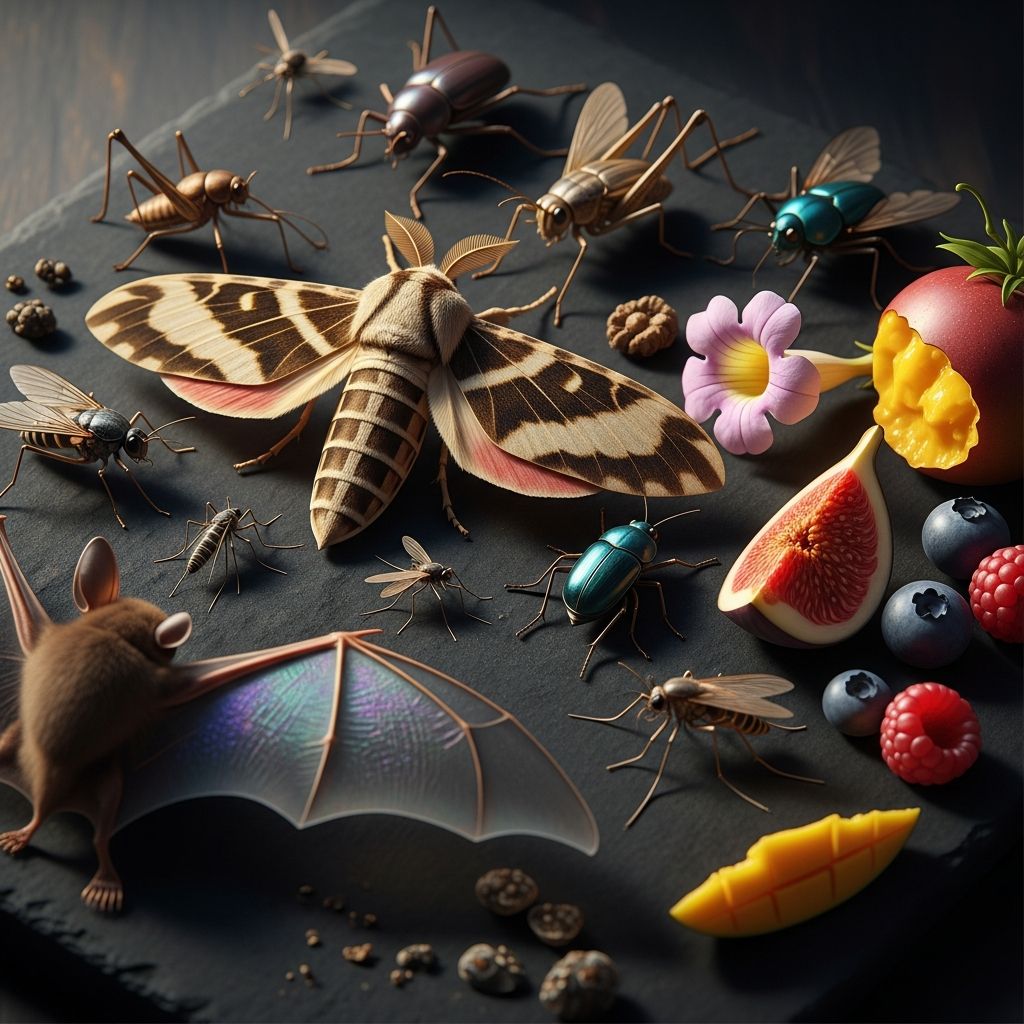
Bats exhibit diverse dietary preferences shaped by their ecological roles, with most species requiring tailored nutrition in captivity to mimic wild conditions and prevent deficiencies. Proper feeding supports growth, reproduction, and longevity across insectivorous, frugivorous, and nectar-feeding types.
Understanding Bat Dietary Diversity
Bats represent one of the most varied mammalian orders in terms of feeding habits. Over 1,400 species worldwide divide into major groups: primarily insectivores in temperate regions, frugivores and nectarivores in tropics, and sanguivores like vampire bats. In captivity, replicating these diets prevents metabolic disorders, dental issues, and weakened immunity.
Insectivorous bats, dominant in North America, consume vast insect quantities nightly. A little brown bat devours 4-8 grams of insects per hour, equivalent to its body weight in a day for nursing females. Frugivores process fruits for juices and fiber, while nectar bats lap pollen-rich fluids. Captive diets must account for these specifics to sustain high metabolisms—up to twice that of similar-sized mammals.
Core Nutritional Building Blocks for Bats
Bat diets demand balanced macronutrients and micronutrients. Protein fuels muscle maintenance amid constant flight; fats provide energy density for nocturnal activity; carbohydrates offer quick fuel from fruits or insect sugars.
- Protein: 30-40% dry weight in insect diets, sourced from chitin-rich exoskeletons.
- Fats: Essential fatty acids like omega-3s prevent skin issues; aim for 20-30%.
- Fiber: Critical for digestion, supplied by insect chitin or plant matter; deficiency leads to constipation.
- Minerals: Calcium:phosphorus ratio of 2:1 vital to avoid bone fragility; bats often need supplementation.
- Vitamins: Vitamin A, D3, E, and C (for frugivores unable to synthesize it) support vision, bone health, and antioxidants.
Water intake occurs via food moisture or free-standing sources; dehydration risks rise in dry enclosures.
Feeding Protocols for Insectivorous Bats
Insectivores form the bulk of captive bats in zoos and sanctuaries. Live insects stimulate natural hunting, but supplements address nutritional gaps.
Primary Food Sources
Mealworms (Tenebrio molitor) serve as staples due to availability and acceptance. Gut-loading enhances value: rear on nutrient-dense media like 60% chick starter, 38.5% wheat bran, 1.5% calcium carbonate. This yields mealworms with 38.1% protein, 26.3% fat, 1.77% calcium.
Rotate with crickets (Acheta domestica) for variety, especially for species like big brown bats (Eptesicus fuscus). Provide moisture via sliced apples, carrots, or kale atop bedding to flavor insects differently, boosting palatability and nutrition.
| Nutrient (Dry Weight) | Gut-Loaded Mealworms | Standard Mealworms |
|---|---|---|
| Protein | 38.1% | ~50% (variable) |
| Fat | 26.3% | ~30% |
| Calcium | 1.77% | 0.1-0.2% |
| Fiber | 4.2% | 2-3% |
Data averaged from analyses; gut-loading optimizes ratios.
Supplementation Essentials
Dust mealworms weekly with calcium carbonate (2:1 Ca:P), vitamin D3, and multivitamins. Avoid excess to prevent hypervitaminosis. Soft food blends—pureed mealworms, veggies, and supplements—offer fiber for dental health and reduce tooth decay risks from hard exoskeletons.
Nutrition Strategies for Frugivorous and Nectar Bats
Fruit bats (Pteropodidae) thrive on pulped fruits, nectar mixes, and pollen analogs. Daily intake can reach 2.5 times body mass, emphasizing high-water, low-protein foods.
- Fruits: Bananas, papayas, figs; crush to extract juices, discard seeds if indigestible.
- Nectar: Blends of honey, water, electrolytes; add pollen for protein.
- Supplements: Vitamin C daily, as these bats cannot synthesize it; minerals via seawater analogs for sodium/potassium.
Rotate produce to prevent selective feeding and ensure broad nutrients. Monitor droppings for undigested matter indicating poor diet.
Daily Feeding Schedules and Rations
Metabolic demands dictate frequent meals. Juveniles and lactating females require 150-200% adult rations.
| Bat Type | Daily Intake | Frequency |
|---|---|---|
| Insectivore (9g adult) | 3-5g insects + supplements | 2-3x/day |
| Nursing Female | >Body weight | 4x/day |
| Frugivore (medium) | 50-100g pulp | 2x/day |
Energy budgets: ~0.37 kcal/g/day for pregnant Myotis. Offer at dusk/dawn to match activity peaks.
Enclosure Setup for Optimal Feeding
Design influences intake. Vertical space for flight, multiple feeding stations reduce competition. Insect dispensers simulate foraging; misting provides hydration for frugivores.
Husbandry tip: Clean teeth weekly for insectivores to combat tartar from chitin.
Health Impacts of Poor Nutrition
Deficiencies manifest as lethargy, fur loss, fractures (low Ca), or diarrhea (fiber lack). Obesity from overfeeding fatty insects shortens lifespan. Regular weigh-ins and fecal analysis guide adjustments.
Common Dietary Myths Debunked
- Bats don’t eat only mosquitoes—diets span beetles, moths, fruits.
- Live insects aren’t mandatory if nutritionally equivalent alternatives used.
- Guano benefits plants, but captive bats need balanced input for output.
Frequently Asked Questions (FAQs)
What is the best staple food for pet bats?
Gut-loaded mealworms supplemented with calcium and vitamins for insectivores.
Do fruit bats need vitamin C?
Yes, they cannot produce it and must get it from fresh fruits or supplements.
How much do bats eat daily?
Up to body weight or more for active or lactating individuals.
Can bats eat dog food?
No, lacks proper ratios; use bat-specific blends.
Why supplement insects?
Wild insects provide plant-derived vitamins via gut content; captives need artificial loading.
Advanced Husbandry for Breeding Bats
Reproduction amplifies needs: increase protein 20%, add taurine for development. Monitor for hypocalcemia in pups. Seasonal lighting cues trigger breeding cycles, aligning with natural foraging peaks.
For sanctuaries, bulk-prepare soft diets: blend insects, veggies (carrots, squash), grains weekly; freeze portions. This ensures consistency and reduces labor.
Monitoring and Adjusting Diets
Track body condition scores monthly. Bright eyes, glossy fur, firm droppings signal success. Consult vets for bloodwork assessing vitamin levels.
Innovations like artificial nectars with electrolytes aid nectarivores, preventing crashes from sugar highs/lows.
References
- Feeding Adult Bats — Bat World Sanctuaries. 2018-06-01. https://batworld.org/wp-content/uploads/2018/06/Feeding-Adult-Bats-2018.pdf
- Chapter 7: Feeding Adult Bats — Bat World Sanctuaries. 2013-08-01. https://batworld.org/wp-content/uploads/2013/08/Chapter7-feeding-adults.pdf
- Bats – Food & Feeding — Wildlife Online. N/A. https://www.wildlifeonline.me.uk/animals/article/bats-diet
- A Bat’s Diet: What Do They Eat? — Skedaddle Wildlife. N/A. https://www.skedaddlewildlife.com/location/durham-region/blog/a-bats-diet-what-do-they-eat/
- Bat Diet & Feeding Schedule — Critter Control. N/A. https://www.crittercontrol.com/wildlife/bats/diet-what-bats-eat/
- Rodrigues Fruit Bat Fact Sheet: Diet & Feeding — San Diego Zoo Wildlife Alliance. N/A. https://ielc.libguides.com/sdzg/factsheets/rodriguesfruitbat/diet
- Fruit Bats: Nutrition and Dietary Husbandry — National Association of Gallerie’s Online. N/A. https://nagonline.net/fruit-bats-nutrition-dietary-husbandry/
- What Do Bats Eat? — U.S. Geological Survey. N/A. https://www.usgs.gov/faqs/what-do-bats-eat
Similar Articles








Read full bio of medha deb


