

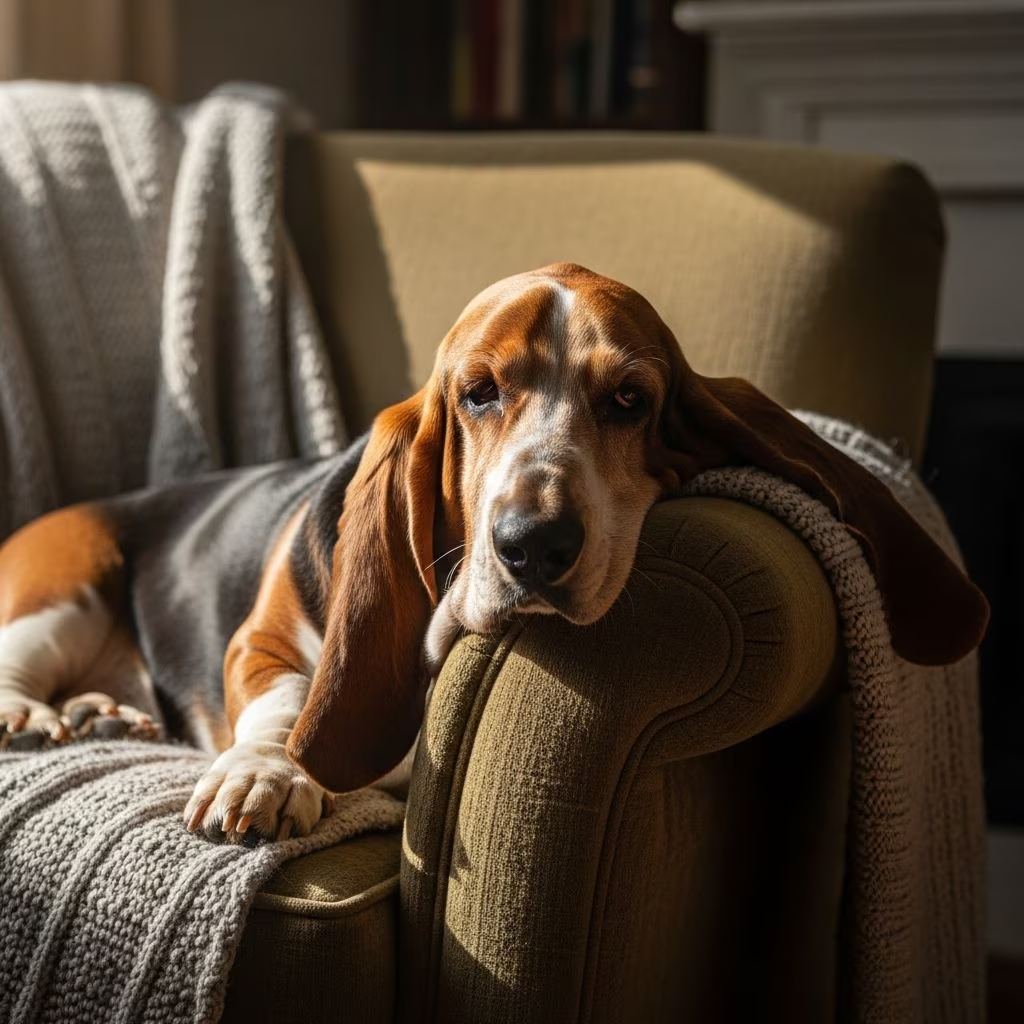
Basset Hounds often earn a reputation for being exceptionally laid-back, preferring naps over nonstop play. This perception arises from their distinctive physical build, historical role as scent hounds, and certain health predispositions that influence energy levels. Far from being outright lazy, these dogs embody a selective energy pattern suited to their original purpose of patient tracking.
The Origins of the Basset Hound’s Chill Personality
Basset Hounds trace their roots to France, where breeders developed them for persistent scent hunting on foot. Their low-slung bodies, long ears, and powerful noses enabled them to follow trails for hours at a deliberate pace, conserving energy for the task at hand. This endurance-focused design means they activate fully when a scent captivates them but otherwise default to rest, giving the illusion of laziness to owners expecting high-energy antics.
Modern Bassets retain this heritage. They thrive on mental stimulation through smell games rather than endless fetch sessions. Owners frequently note that while their hounds might ignore a ball, a whiff of hidden treats sparks sudden enthusiasm. Understanding this context reframes their downtime as strategic relaxation, not sloth.
Physical Traits That Shape Their Energy Levels
The Basset Hound’s anatomy plays a starring role in their perceived lethargy. Short legs paired with a long, heavy body demand more effort for movement, making sustained activity taxing. Excess skin and droopy features, while endearing, contribute to frequent health hurdles that sap vitality.
- Short stature and long back: Limits agility and promotes a slower gait, ideal for ground-scenting but challenging for quick bursts.
- Prominent ears: Trap moisture, fostering infections that cause discomfort and reduced playfulness.
- Deep chest: Increases bloat risk, prompting cautious owners to limit vigorous exercise.
These features, bred for function over speed, explain why Bassets often flop down after minimal exertion. A structured routine respecting their build keeps them engaged without overtaxing joints.
Health Challenges Behind Low Activity
Several breed-specific conditions mimic laziness by causing pain or fatigue. Early detection and management are crucial for maintaining mobility and spirit.
| Condition | Symptoms | Prevention/Treatment |
|---|---|---|
| Hip & Elbow Dysplasia | Limping, stiffness, reluctance to move | Weight control, joint supplements, vet screening from reputable breeders |
| Intervertebral Disc Disease (IVDD) | Back pain, weakness, paralysis risk | Avoid high jumps, supportive bedding, anti-inflammatories |
| Obesity | Weight gain, labored breathing, joint strain | Measured meals, low-impact walks, portion control |
| Ear Infections | Head shaking, odor, scratching | Weekly cleaning, allergy management |
| Gastric Dilatation-Volvulus (GDV/Bloat) | Distended abdomen, retching, drooling | Small frequent meals, no exercise post-feeding |
Joint issues like dysplasia affect alignment, leading to crooked legs and arthritis, which Bassets develop early due to their conformation. Obesity exacerbates everything, as their food-driven nature and efficient metabolism pack on pounds quickly. Regular vet checkups catch these early.
Debunking the Laziness Myth: What Science Says
Behaviorists classify Bassets as moderate-energy dogs, not couch potatoes. Their stamina shines in scent work, where they outperform many breeds. Studies on hound temperaments highlight a calm demeanor masking high olfactory drive. Perceived laziness often stems from unmet needs: insufficient mental outlets or health neglect, not inherent flaw.
Owners report transformation with tailored routines. Scent trails in the yard or puzzle toys rival zoomies in excitement. Far from lazy, Bassets prioritize purpose-driven action.
Daily Exercise Essentials for Basset Hounds
To counter their restful tendencies, aim for 30-60 minutes of low-impact activity daily, split into sessions. Focus on nose work over running.
- Morning sniff walk: 20-30 minutes unleashed in grassy areas to indulge their tracking instinct.
- Afternoon play: Hide-and-seek with treats or flirt poles for gentle movement.
- Evening calm: Short obedience drills or chews to engage mind without strain.
Avoid stairs, jumping, or hot pavement to protect joints. Swimming offers joint-friendly cardio if accessible. Track progress with a journal: note energy shifts post-activity tweaks.
Nutrition Strategies to Boost Vitality
Diet directly impacts a Basset’s pep. Their voracious appetite demands precision to prevent obesity, a top vitality thief.
- Choose large-breed puppy formulas transitioning to adult maintenance food by 12 months.
- Portion by weight: 2-3% of body mass daily, divided into 2-3 meals.
- Incorporate glucosamine-rich kibble or supplements for joint health.
- Omega-3s from fish oil combat skin issues and inflammation.
Monitor with monthly weigh-ins. Treats should not exceed 10% of calories; opt for veggies like carrots for low-cal crunch.
Grooming Routines That Support Activity
Regular upkeep prevents issues mimicking laziness. Weekly ear cleans with vet-approved solution ward off infections. Bathe monthly to manage oily skin, brushing thrice weekly distributes oils and spots lumps.
Nail trims every 4-6 weeks keep footing sure, reducing slip risks that discourage movement. Eye wipes daily prevent tear staining and detect glaucoma early.
Training Tips for More Engaged Hounds
Positive reinforcement unlocks motivation. Short, scent-based sessions build confidence and burn mental energy.
- Use high-value rewards like cheese for recall amid distractions.
- Teach “settle” to channel rest productively.
- Socialize early to curb stubborn streaks born of independence.
Patience pays: Bassets learn slowly but retain forever. Consistency turns potential loafers into responsive companions.
Understanding Basset Hound Lifespan and Senior Care
Averaging 10-12 years, Bassets age gracefully with proactive care. Seniors need ramped-down exercise but steady mental games. Watch for hypothyroidism signs like lethargy, which mimics age-related slowdown. Joint supplements and soft beds extend comfort.
FAQs: Basset Hound Energy and Health
Are Basset Hounds good for apartments?
Yes, their moderate needs suit small spaces if walks are consistent. Noise is low, but scent access prevents boredom.
How much exercise do they really need?
45 minutes daily, emphasizing walks over play, suffices for most.
Can Bassets become more active with age?
Puppies outgrow growth pains; adults maintain steady output with routine.
What’s the best diet for weight control?
High-protein, low-fat formulas with fiber; consult vets for tailored plans.
Do they get along with other pets?
Typically yes, their pack mentality shines, but supervise scent-driven chases.
References
- Basset Hound: Temperament, Character, Health Issues, Expectancy — Country Living. 2023-05-12. https://www.countryliving.com/uk/wildlife/dog-breeds/a41038739/basset-hound/
- Basset Hound | Temperament, Lifespan & History — Pooch & Mutt. 2024-01-15. https://www.poochandmutt.co.uk/blogs/by-breed/basset-hound
- Basset Hound Health Problems and Mobility Loss — Walkin’ Pets. 2023-08-20. https://walkinpets.com/blogs/blog/basset-hound-health
- Basset Hounds: The Good, The Bad, The Ugly — Figo Pet Insurance. 2024-03-10. https://figopetinsurance.com/blog/basset-hounds-breed-guide
- Basset Hound Dog Breed Health and Care — PetMD. 2025-02-14. https://www.petmd.com/dog/breeds/basset-hound
- Basset Hound – Dog Breeds — American Kennel Club. 2025-11-05. https://www.akc.org/dog-breeds/basset-hound/



