

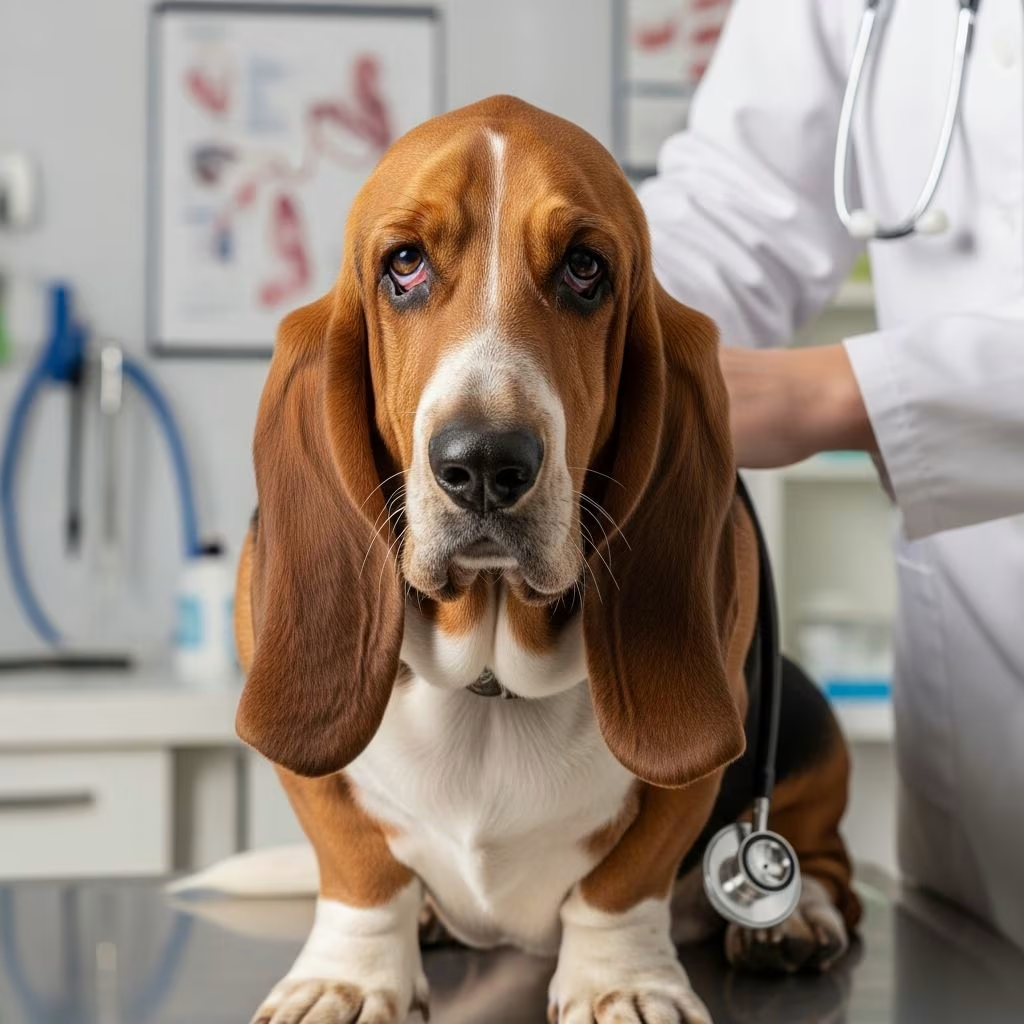
Basset Hounds, with their distinctive long ears, droopy eyes, and short legs, face several breed-specific health vulnerabilities due to their unique body structure. Understanding these risks enables owners to provide proactive care, potentially extending their dog’s lifespan and improving quality of life.
Joint and Mobility Challenges
The Basset Hound’s elongated body and stumpy legs predispose them to orthopedic issues that can severely impact mobility. These dogs often develop problems in their hips, elbows, and knees during growth phases.
- Hip and Elbow Dysplasia: These developmental disorders occur when joint sockets form abnormally, leading to instability, pain, and early-onset arthritis. Symptoms include limping, reluctance to exercise, and bunny-hopping gait.
- Patellar Luxation: The kneecap slips out of place, causing intermittent lameness. Mild cases may resolve with rest, but severe ones require surgical correction.
- Osteochondritis Dissecans (OCD): Common in fast-growing puppies, this involves cartilage defects in joints, resulting in lameness and swelling after activity.
Maintaining ideal weight is crucial, as excess pounds exacerbate joint stress. Regular, low-impact exercise like swimming helps build muscle without strain.
Spinal and Neurological Vulnerabilities
The breed’s long spine relative to leg length creates mechanical stress, heightening risks for back and neck disorders.
| Condition | Symptoms | Treatment Options |
|---|---|---|
| Intervertebral Disc Disease (IVDD) | Pain, weakness, dragging paws, paralysis | Rest, medications, surgery |
| Wobbler Syndrome | Wobbly walk, neck stiffness, coordination loss | Anti-inflammatories, surgery |
| Hemivertebrae | Spinal curvature, nerve compression | Monitoring, pain relief |
Preventive measures include avoiding high jumps, stairs, and rough play. Obesity control and core-strengthening exercises reduce incidence. Early veterinary intervention via X-rays or MRI can prevent progression to permanent damage.
Gastrointestinal Emergencies
Basset Hounds’ deep-chested conformation increases susceptibility to Gastric Dilatation-Volvulus (GDV), or bloat—a life-threatening condition where the stomach fills with gas and twists.
- Symptoms: Restlessness, unproductive retching, swollen abdomen, rapid breathing, collapse.
- Onset can be rapid, fatal within hours without surgery to untwist and anchor the stomach (gastropexy).
Feed multiple small meals daily, avoid exercise post-eating, and consider prophylactic gastropexy during spay/neuter. Recognition of early signs saves lives.
Cardiovascular Concerns
Heart conditions like Dilated Cardiomyopathy (DCM) weaken the heart muscle, impairing blood pumping efficiency. Bassets may show fatigue, coughing, or fainting; many cases are asymptomatic until advanced.
Annual echocardiograms detect changes early. Management includes medications (ACE inhibitors, diuretics), diet (low-sodium), and supplements like taurine or CoQ10.
Endocrine and Bleeding Disorders
Basset Hounds are prone to hormonal imbalances and clotting issues.
- Addison’s Disease: Adrenal insufficiency causes lethargy, vomiting, weakness. Blood tests confirm; lifelong hormone replacement treats it.
- Von Willebrand’s Disease: Deficient clotting protein leads to excessive bleeding post-injury or surgery. Pre-op screening is essential.
Urogenital and Stone Formation
Kidney and bladder stones form more readily in this breed, causing painful urination, blood in urine, or straining. Dietary modifications (prescription foods dissolving struvite stones) and increased water intake prevent recurrence. Large stones may need surgery or lithotripsy.
Dermatological and Ear Issues
Loose skin folds and floppy ears trap moisture, fostering infections.
- Seborrhea: Oily, scaly skin with odor; medicated shampoos control it.
- Pyoderma: Bacterial infections in lip folds; cleaning and antibiotics resolve most cases.
- Ear Infections: Chronic otitis from debris buildup; weekly cleaning with vet-approved solutions prevents.
- Allergies: Environmental or food triggers cause itching, hotspots.
Other Notable Conditions
- Obesity: Voracious appetites lead to weight gain, worsening joints and organs. Portion control and activity are key.
- Eosinophilic Panosteitis: Growing pains in leg bones; self-limiting, managed with NSAIDs.
- Glaucoma and Hypothyroidism: Eye pressure buildup and thyroid deficiency; screened by responsible breeders.
- Hemangiosarcoma: Vascular tumors causing internal bleeding; ultrasounds aid early detection.
Proactive Health Management Strategies
Responsible ownership starts with selecting breeders who perform genetic testing for dysplasia, thrombopathia, and eye issues.
- Annual vet exams with bloodwork, urinalysis, and joint evaluations.
- Balanced diet tailored to age/weight; avoid table scraps.
- Moderate exercise: 30-60 minutes daily walks, no high-impact.
- Grooming routine: Ear cleaning, skin fold wiping weekly.
- Weight monitoring: Ideal is 40-65 lbs depending on frame.
Pet insurance covers breed-specific risks, easing financial burdens of surgeries[general knowledge].
Frequently Asked Questions (FAQs)
How can I prevent bloat in my Basset Hound?
Feed small meals 2-3 times daily, use slow-feed bowls, and avoid vigorous activity for 1-2 hours after eating. Gastropexy surgery reduces risk by 90%.
Is hip dysplasia curable in Basset puppies?
Not curable, but manageable with supplements (glucosamine), controlled growth diets, and physical therapy. Surgery options exist for severe cases.
Why do Bassets get so many ear infections?
Their long, pendulous ears restrict airflow, trapping moisture and yeast/bacteria. Dry ears thoroughly after baths/swims.
What’s the average lifespan of a Basset Hound?
10-12 years with proper care; health issues can shorten it, but vigilance extends quality years.
Should I spay/neuter my Basset early?
Discuss timing with vet; early spay/neuter may increase joint risks in large breeds, but prevents GDV complications via gastropexy.
Daily Care Routine for Optimal Health
Implement this schedule:
| Daily | Weekly | Monthly |
|---|---|---|
| Walks, measured meals | Ear/skin cleaning | Weight check, nail trim |
| Joint supplement if prescribed | Bath with medicated shampoo if needed | Tooth brushing |
These habits mitigate most breed risks.
References
- 11 Common Health Problems Seen in Basset Hounds — A-Z Animals. 2023. https://a-z-animals.com/blog/common-health-problems-seen-in-basset-hounds/
- Basset Hound Guide | Complete Breed & Care Information — BVH Vet. 2024. https://www.bvhvet.com/services/dogs/breeds/basset-hounds
- Common Health Issues in Basset Hounds — Basset Hound Foundation. 2023. https://bassethoundfoundation.org/all-topics/common-health-issues-in-basset-hounds/
- Basset Hound Dog Breed Health and Care — PetMD. 2024. https://www.petmd.com/dog/breeds/basset-hound
- Basset Hound — American Kennel Club (AKC). 2024. https://www.akc.org/dog-breeds/basset-hound/



