

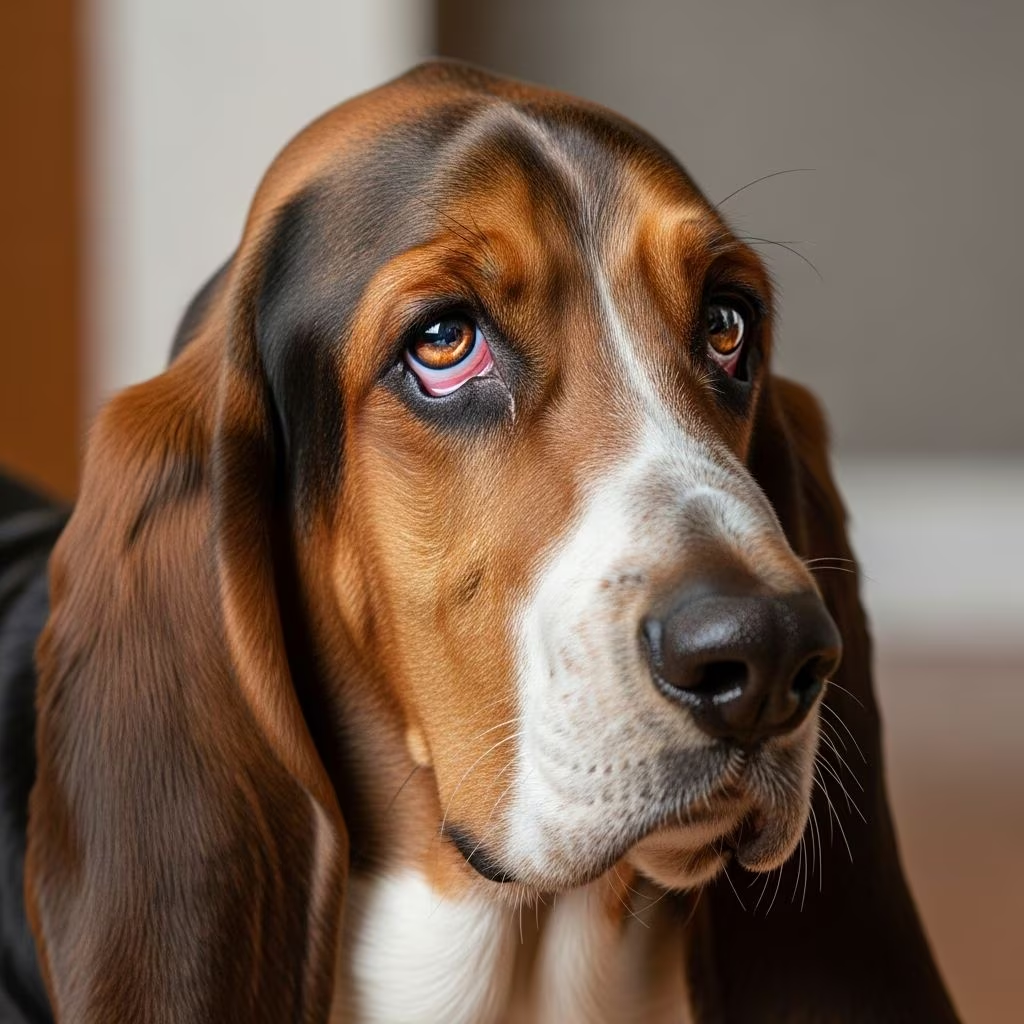
Basset Hounds, with their expressive droopy eyes and endearing facial features, face unique challenges to their ocular health due to their breed-specific anatomy. These loyal scent hounds often develop conditions stemming from genetic predispositions and structural traits like loose skin and elongated heads. Understanding these risks empowers owners to safeguard their pets’ sight and comfort effectively.
Why Basset Hounds Are Prone to Eye Conditions
The distinctive head shape of Basset Hounds, characterized by prominent skin folds and sagging lids, creates vulnerabilities not seen in many other breeds. This conformation can lead to improper eyelid alignment, fluid drainage issues, and exposure to irritants. Genetic factors further amplify these risks, making routine monitoring essential from puppyhood onward.
Recognizing Early Warning Signs
Detecting eye troubles promptly can prevent progression to severe vision impairment. Watch for these indicators:
- Persistent redness or bloodshot appearance in one or both eyes.
- Excessive tearing or unusual discharge, which may be watery, mucousy, or pus-like.
- Frequent squinting, blinking, or pawing at the face.
- Visible swelling, especially a red protrusion in the eye corner.
- Cloudiness, haze, or changes in pupil size.
- Sensitivity to light, reluctance to go outdoors, or bumping into objects.
Any combination of these symptoms warrants an immediate veterinary visit to avert complications like infections or permanent damage.
Primary Open-Angle Glaucoma: A Silent Threat
One of the most serious concerns for Basset Hounds is primary open-angle glaucoma (POAG), a hereditary disorder where intraocular pressure (IOP) rises gradually due to poor fluid drainage. This elevated pressure compresses the optic nerve, leading to irreversible vision loss if unchecked.
Early POAG often lacks obvious pain, with symptoms emerging around 3-6 years of age. Affected eyes may enlarge (buphthalmos), show corneal clouding, or sudden pain with redness and dilated pupils. Diagnosis involves tonometry to measure IOP, often exceeding 25 mmHg in problematic cases.
Treatment aims to lower pressure through topical drops like latanoprost or timolol, oral medications, or laser therapy. In advanced stages, enucleation (eye removal) relieves suffering while the dog adapts well with one functional eye. Since POAG is bilateral in most cases, the fellow eye requires vigilant screening.
Cherry Eye: The Prolapsed Tear Gland
Cherry eye occurs when the third eyelid’s tear-producing gland prolapses, forming a striking red, fleshy mass typically at the medial eye corner. Common in young Basset Hounds, this condition disrupts tear production, risking keratoconjunctivitis sicca (KCS) or dry eye if ignored.
Owners often notice the “cherry” alongside irritation and discharge. Surgical replacement or imbrication of the gland is the gold standard, boasting high success rates and preserving natural lubrication. Anti-inflammatory drops provide temporary relief pre-surgery, but delay invites secondary infections.
Eyelid Malpositions: Entropion and Ectropion
Basset Hounds’ loose facial skin predisposes them to entropion (inward eyelid rolling) and ectropion (outward rolling), both causing chronic discomfort.
Entropion Challenges
In entropion, lid margins invert, allowing lashes and skin to abrade the cornea, sparking ulcers, scarring, and pain. Puppies may respond to temporary tacking sutures that evert the lid for 3-4 weeks, permitting growth. Adults typically need surgical tightening or V-plasty for permanent correction.
Ectropion Exposures
Conversely, ectropion leaves the eye underprotected, inviting debris, dryness, and infections. Mild cases might use lubricating ointments, but moderate to severe ones demand surgical shortening of the lid for proper apposition. Both conditions heighten risks for conjunctivitis and corneal issues if untreated.
| Condition | Lid Position | Main Symptoms | Treatment Approach |
|---|---|---|---|
| Entropion | Inward roll | Corneal irritation, ulcers, tearing | Tacking (pups), surgery (adults) |
| Ectropion | Outward roll | Dryness, infections, exposure | Lubricants, surgical correction |
Other Ocular Concerns in the Breed
Beyond primaries, Basset Hounds may encounter cataracts, lens opacities clouding vision, often genetic or age-related. Corneal ulcers arise from trauma or unchecked entropion, appearing as painful pits staining with fluorescein dye. Conjunctivitis presents with inflamed membranes, while dry eye (KCS) reduces tear staining via Schirmer tear tests.
Parasitic infections like thelaziasis or allergies can mimic breed issues, underscoring comprehensive exams.
Preventive Strategies for Optimal Eye Health
Proactive care minimizes risks:
- Breeder Selection: Choose breeders conducting OFA or CERF eye certifications on sires and dams to reduce hereditary loads.
- Routine Screenings: Annual ophthalmic exams, biannual post-3 years, catch subtleties like rising IOP.
- Home Hygiene: Gently clean periocular folds daily with saline or vet-approved wipes to curb bacteria in skin creases.
- Nutrition Boost: Diets rich in omega-3s (fish oil) and antioxidants support ocular tissues.
- Environmental Controls: Limit dust/pollen exposure; use protective goggles during rough play.
Veterinary Interventions and Prognosis
Modern diagnostics—gonioscopy, ultrasound, electroretinography—pinpoint issues accurately. Pharmacologics manage acute crises, while microsurgery excels in corrections. Prognoses shine with early action: most entropion/ectropion surgeries exceed 90% success, cherry eye recurs rarely post-fix, and glaucoma control halts progression in 70% initially.
Owners report Bassets thriving post-treatment, resuming scent trails and family cuddles unhindered.
FAQs on Basset Hound Eye Care
Q: How often should my Basset Hound get eye checks?
A: Puppies at 6-8 weeks, then yearly; seniors or at-risk dogs every 6 months.
Q: Can diet prevent glaucoma?
A: No direct prevention, but balanced nutrition aids overall resilience; consult vets for supplements.
Q: Is cherry eye painful?
A: Yes, causing rubbing and distress; surgery resolves it swiftly.
Q: What if my dog has one affected eye?
A: Monitor the other closely—glaucoma often strikes bilaterally.
Q: Are there home remedies for entropion?
A: No; professional intervention prevents corneal scars.
Lifestyle Adjustments for Eye Wellness
Integrate eye-friendly habits: shaded walks in bright sun, prompt debris removal, and weight control to lessen lid strain. Training commands like “leave it” curbs face-rubbing. Track changes via photos for vet consultations.
Basset Hounds’ soulful gazes deserve protection. Armed with knowledge, owners can ensure these gentle giants enjoy clear-sighted adventures for years.
References
- Eye Problems in Basset Hounds: Signs, Causes & Care — Lancaster Puppies. 2023. https://www.lancasterpuppies.com/pet-advice/eye-problems-in-basset-hounds.html
- Eye Problems in Basset Hounds: Signs, Causes & Care — Pets4Homes. 2023. https://www.pets4homes.co.uk/pet-advice/eye-problems-in-basset-hounds.html
- Understanding Basset Hound Health Problems — Houndsy. 2024. https://www.houndsy.com/blogs/modern-tails/understanding-basset-hound-health-problems-a-comprehensive-guide-for-pet-owners
- Ask the Vet – Basset Hound Eye Problems — Macau Daily Times. 2022. https://macaudailytimes.com.mo/ask-the-vet-basset-hound-eye-problems.html
- Dog Eye Problems — PetMD. 2025. https://www.petmd.com/dog/general-health/evr_dg_eye_problems_in_dogs



