

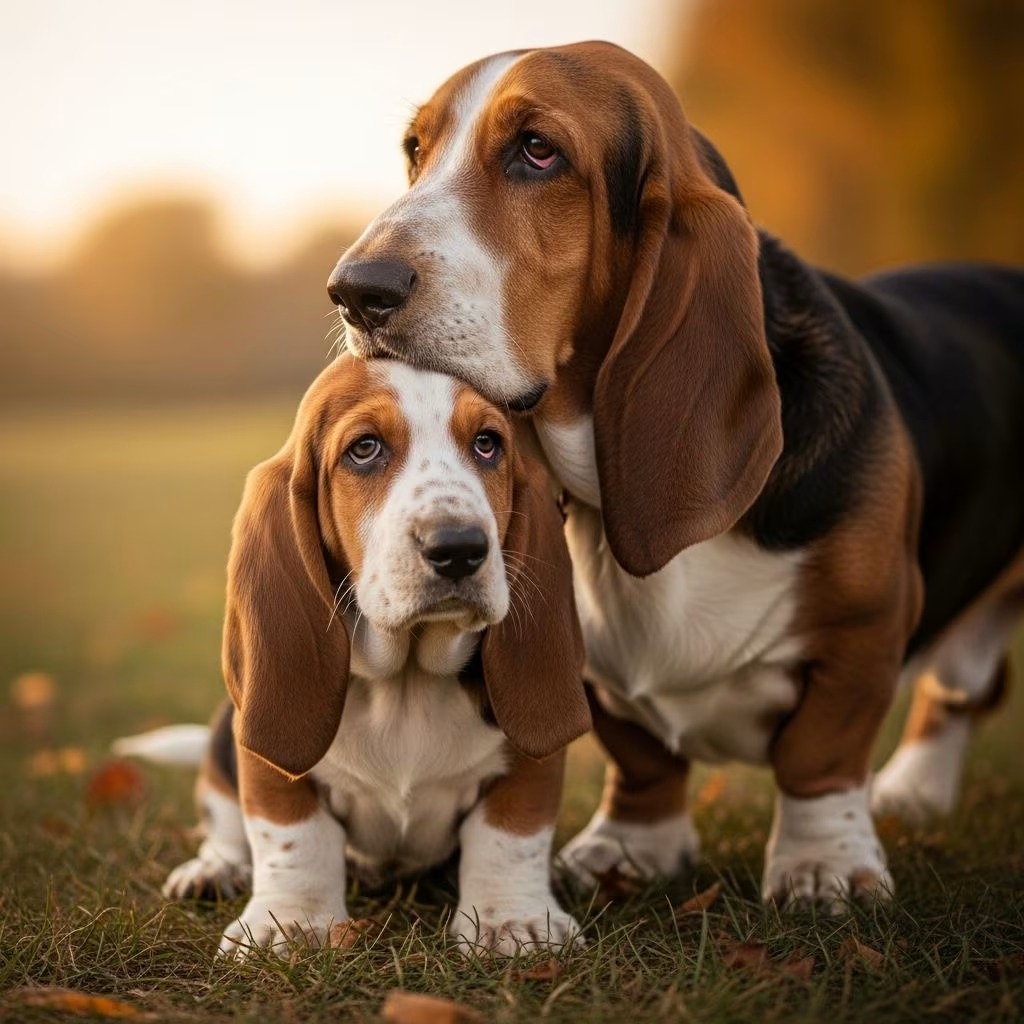
Basset Hounds are distinctive dogs with their characteristic long bodies, short legs, and droopy ears. Understanding how these remarkable canines develop from puppyhood through maturity is essential for any owner or prospective guardian. Their unique body structure means their growth patterns differ significantly from many other breeds, and monitoring their development helps ensure they reach their full potential while maintaining optimal health. This comprehensive guide explores the various stages of Basset Hound growth, helping you understand what to expect at each phase of your dog’s life.
Understanding Basset Hound Physical Characteristics
Before examining growth trajectories, it’s important to recognize what makes Basset Hounds physically distinctive. These dogs are classified as scent hounds, originally bred for hunting small game. Their bodies are substantially longer than they are tall, with front legs that are notably short and thick. This disproportionate body structure is intentional breeding, designed to allow them to track scents close to the ground with determination and persistence.
The breed’s long ears serve multiple purposes—they help trap scent particles and enhance their olfactory abilities during hunting activities. Their skin is loose and abundant, creating characteristic folds that contribute to their distinctive appearance. These physical traits, while appealing to owners, also require special attention throughout their development and adult life, particularly regarding ear infections and skin maintenance.
Early Development: Birth Through Eight Weeks
Basset Hound puppies begin their lives weighing approximately 10 to 15 ounces at birth, depending on litter size and individual genetics. During the first two weeks, puppies are entirely dependent on their mother for nourishment and warmth. Their eyes remain closed until they reach 10 to 14 days of age, and their ear canals open shortly thereafter.
By the end of the first month, healthy Basset Hound puppies typically weigh between 1.5 and 2.5 pounds. During this period, puppies develop rapidly, gaining coordination and beginning to explore their immediate environment. Their skeletal systems are still extremely soft, consisting primarily of cartilage rather than hardened bone, making them vulnerable to injury.
Between weeks five and eight, puppies become increasingly active and social. They begin playing with littermates, which helps develop their motor skills and social behaviors. By eight weeks of age, most Basset Hound puppies weigh between 3 and 5 pounds and are ready for their new homes. This is the typical age when puppies are weaned from their mothers and transition to commercial puppy food.
Juvenile Stage: Two to Six Months
The juvenile period represents a critical growth phase for Basset Hounds. Between two and three months of age, puppies enter a growth acceleration period where they gain weight and height rapidly. By three months, most Basset Hound puppies weigh between 7 and 12 pounds, having nearly tripled their birth weight.
During the four-to-six-month window, growth continues at a substantial pace. Puppies at four months typically weigh 15 to 25 pounds, and by six months, many reach 30 to 40 pounds. This dramatic expansion requires careful attention to nutrition and exercise. Their bones are still developing, and excessive jumping or high-impact activities can cause lasting damage to their skeletal systems.
During this stage, owners should provide age-appropriate puppy food that supports bone and joint development. Large breed formulas specifically designed for growing dogs help provide the appropriate balance of calcium and phosphorus. Overfeeding during this period can accelerate growth too quickly, potentially causing developmental orthopedic issues that manifest later in life.
Adolescent Growth: Six to Twelve Months
The adolescent period, spanning from six months to one year, represents a continued growth phase where Basset Hounds continue gaining weight and developing muscle mass. By nine months of age, most Basset Hounds weigh between 40 and 55 pounds, with their bodies becoming more proportional and their features becoming increasingly adult-like.
During this phase, growth rate begins to slow compared to earlier months. Dogs entering their first year develop improved coordination and typically complete their primary vaccination series. Their temporary teeth have been replaced by permanent adult dentition, and they begin demonstrating adult behavioral tendencies, though they retain puppy-like playfulness and energy levels.
By twelve months of age, Basset Hounds typically weigh between 50 and 65 pounds, approaching their adult size. However, they are not yet fully mature. Many continue gaining weight and developing muscle tone throughout their second year. Continuing appropriate nutrition and moderate exercise remains important during this transition period.
Transition to Adulthood: Twelve to Twenty-Four Months
The period from twelve to twenty-four months represents the final stages of physical development for Basset Hounds. During this time, puppies transition from specially formulated puppy food to adult maintenance diets. Their growth rate continues slowing, but many dogs continue gaining weight gradually throughout this period.
By eighteen months, most Basset Hounds have reached approximately 90 percent of their adult size. However, their skeletal systems continue mineralization and strengthening, and their muscle development may continue into their second or even third year. This extended development period means that large breed dogs like Basset Hounds should not be subjected to high-impact activities or encouraged to jump excessively during this entire timeframe.
Between eighteen and twenty-four months, behavioral maturation accelerates. Dogs begin exhibiting their full adult personality and temperament. Their energy levels may shift as they transition from the boundless enthusiasm of youth to more measured adult activity patterns. This is an ideal time to reassess exercise routines and dietary needs based on their adult size and activity level.
Adult Weight and Size Standards
Once fully mature, typically by two to three years of age, Basset Hounds reach their final adult dimensions. Adult males typically stand 12 to 15 inches tall at the shoulder and weigh between 60 and 75 pounds, while adult females are generally slightly smaller, weighing 55 to 70 pounds. However, individual variations exist, and genetics, nutrition, and lifestyle significantly influence final adult size.
The breed standard emphasizes that size should be proportional to the dog’s distinctive body structure. A well-developed Basset Hound should appear long and low to the ground, with their characteristic body structure more pronounced than their vertical height. Their weight should be distributed across their substantial frame without appearing obese or excessively lean.
It’s important to recognize that some Basset Hounds may exceed or fall below these standard ranges based on individual genetics and breeding lines. Reputable breeders can provide information about their dogs’ lineage and typical adult sizes. Veterinarians can assess individual dogs to determine if they fall within healthy weight ranges for their specific frame and body composition.
Factors Influencing Growth and Development
Genetics and Breeding Heritage: The most significant factor determining a Basset Hound’s final adult size is genetics. Dogs with parents and grandparents that were larger tend to grow larger themselves. Responsible breeders maintain detailed records and can discuss typical sizes for their breeding lines.
Nutritional Quality: The quality and composition of food during growth phases directly impacts development. Puppies require age-appropriate formulas with proper calcium, phosphorus, and protein levels. Overfeeding accelerates growth and can cause skeletal problems, while underfeeding stunts development and weakens bones.
Exercise and Activity: Appropriate exercise supports healthy bone and muscle development. However, excessive high-impact activities during growth phases can damage developing joints. Moderate, age-appropriate activity is ideal during growth.
Overall Health Status: Illnesses, parasites, or chronic conditions can temporarily slow growth. Ensuring your Basset Hound receives regular veterinary care supports healthy development.
Monitoring Growth: What to Track
Regular monitoring of your Basset Hound’s growth helps identify potential issues early. Consider tracking the following metrics:
- Monthly weight measurements from birth through one year, then quarterly measurements through eighteen months
- Physical appearance changes, including coat development and body proportions
- Behavioral milestones, such as when temporary teeth fall out and permanent teeth emerge
- Changes in activity level, endurance, and exercise tolerance
- Development of distinctive breed characteristics, such as ear and skin fold prominence
Keeping a simple growth journal helps you identify patterns and provides valuable information to share with your veterinarian during check-ups. Photographs taken monthly allow visual comparison of development progression.
Health Considerations During Growth
Basset Hounds’ unique physical structure creates specific health considerations during development that merit attention. Intervertebral disc disease (IVDD) is a particular concern for this breed due to their long spines and short legs. Avoiding excessive jumping during growth phases, using ramps instead of stairs, and preventing rapid weight gain help protect their developing spines.
Hip dysplasia and elbow dysplasia represent inherited joint conditions that Basset Hounds can develop. Maintaining healthy weight and avoiding high-impact exercise during growth minimizes stress on developing joints. Responsible breeders screen for these conditions in breeding stock.
Ear infections and skin infections are prevalent in Basset Hounds throughout their lives. Beginning preventive ear cleaning and skin care routines during puppyhood establishes healthy habits. Cleaning ears and skin folds weekly with vet-recommended solutions prevents moisture accumulation and reduces infection risk.
Schedule regular veterinary check-ups during growth phases—typically every 3 to 4 weeks during puppyhood, then monthly through the first year, and quarterly during year two. These visits allow monitoring of growth patterns, assessment of overall health, and early detection of potential problems.
Nutrition Throughout Growth Stages
Proper nutrition is foundational to healthy growth. During the first six to eight weeks with you, continue feeding the diet the breeder provided to avoid digestive upset. After this transition period, you can gradually introduce your chosen food over 7 to 10 days.
Select a large-breed puppy formula specifically designed for slow growth. These formulas have controlled calcium and phosphorus levels that support skeletal development without accelerating growth excessively. Feed puppies three to four times daily until approximately six months, then transition to twice-daily feeding as they grow.
By twelve months, most Basset Hounds can transition to adult maintenance food. Measure portions carefully based on your dog’s current weight and activity level—Basset Hounds have a tendency toward obesity, so portion control is important even during growth phases.
Omega-3 and omega-6 fatty acids support skin and coat health during growth. Discuss fish oil supplements with your veterinarian if you’re concerned about skin or ear health predisposition.
Exercise Guidelines for Growing Basset Hounds
While exercise is important for healthy development, growing Basset Hounds require special considerations due to their skeletal structure. During puppyhood (first six months), limit exercise to multiple short play sessions rather than one long activity. Allow puppies to play freely in safe areas, but avoid forced exercise, jumping, or repetitive strain.
A general guideline suggests five minutes of exercise per month of age, twice daily. A three-month-old puppy would have approximately 15-minute exercise sessions. As they grow, gradually increase duration and intensity.
By one year of age, Basset Hounds can gradually handle longer walks. Adults typically require daily walks at a moderate pace to maintain health and prevent obesity. Swimming is an excellent low-impact exercise option, though Basset Hounds are not natural swimmers and require supervision around water.
Common Growth-Related Questions
At what age do Basset Hounds reach full size?
Most Basset Hounds approach full adult size by 12 to 18 months of age, though some continue developing until they reach two to three years old. Growth plates in the long bones typically close between 12 and 15 months, marking the end of significant height growth, but muscle development and weight gain may continue.
How can I tell if my Basset Hound is overweight during growth?
You should be able to feel ribs with moderate pressure but not see them prominently. Your dog should have a visible waist when viewed from above, and the abdomen should not hang heavily. Your veterinarian can assess body condition and recommend adjustments if needed.
Why is my Basset Hound puppy growing slowly?
Genetics play the largest role—some bloodlines are simply smaller than others. However, ensure your puppy receives high-quality age-appropriate nutrition and has been screened for parasites and underlying health conditions. Consult your veterinarian if growth significantly lags behind expectations.
Should I adjust exercise as my Basset Hound grows?
Yes, absolutely. What’s appropriate for a four-month-old puppy differs from what’s suitable for a twelve-month-old adolescent. Gradually increase exercise duration and intensity as your dog matures, avoiding high-impact activities until the growth plates close.
Is it normal for my Basset Hound to have loose skin during growth?
Basset Hounds naturally have abundant, loose skin with characteristic folds. During rapid growth phases, skin may appear even looser as the body develops underneath. As long as your puppy isn’t excessively thin and receives good nutrition, this is normal. Consult your veterinarian if you have concerns.
References
- Understanding Basset Hound Health Problems – Houndsy — Houndsy. 2024. https://www.houndsy.com/blogs/modern-tails/understanding-basset-hound-health-problems-a-comprehensive-guide-for-pet-owners
- Basset Hound Guide: Care, Temperament, Health & Owner Tips — Ask A Vet. 2024. https://askavet.com/blogs/news/basset-hound-guide-care-temperament-health-owner-tips
- Basset Hound Dog Breed Health and Care — PetMD. 2024. https://www.petmd.com/dog/breeds/basset-hound
- Basset Hound Dog Breed Guide — BorrowMyDoggy. 2024. https://www.borrowmydoggy.com/doggypedia/dog-breed-guides-basset-hound
- Basset Hound Guide | Complete Breed & Care Information — Seaford Animal Hospital. 2024. https://www.seafordah.com/services/dogs/breeds/basset-hounds
- Basset Hound — American Kennel Club. 2024. https://www.akc.org/dog-breeds/basset-hound/



