

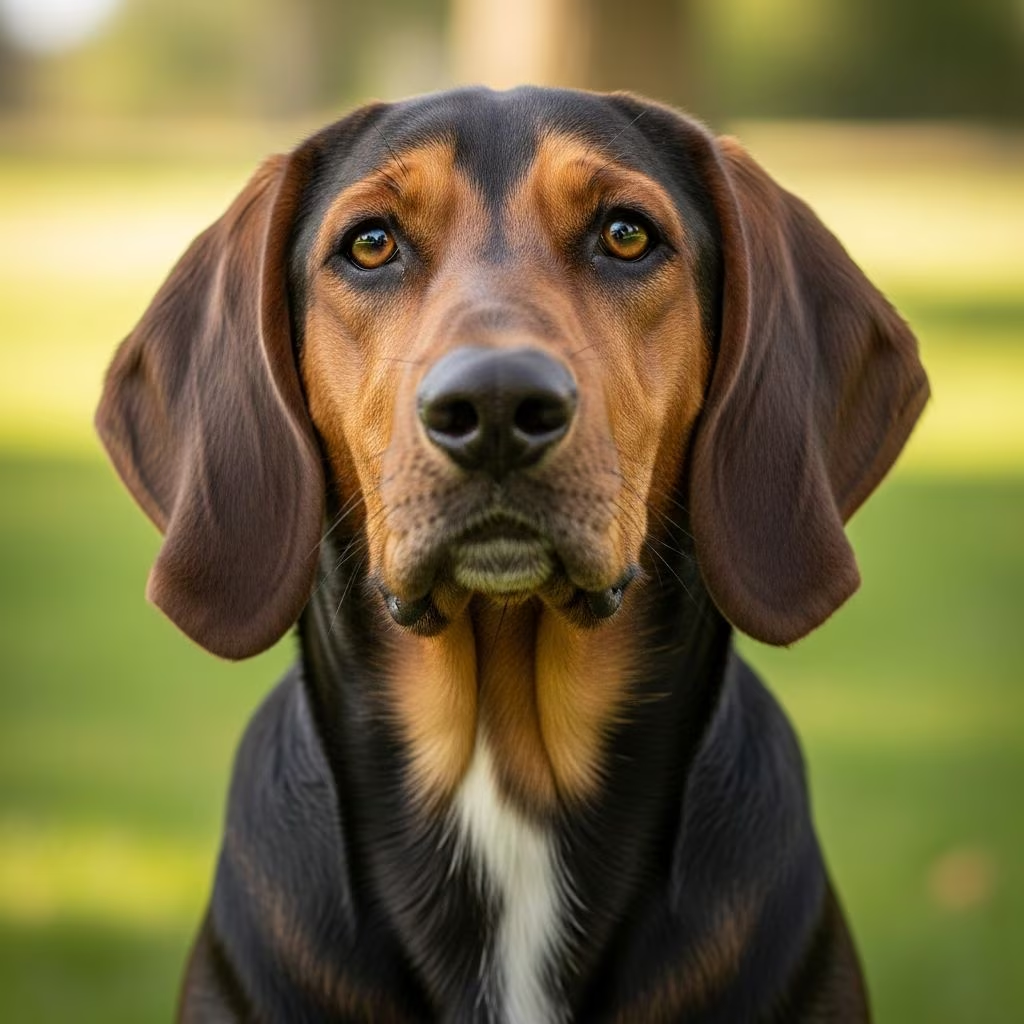
The Bassador represents a fascinating combination of two beloved dog breeds: the Basset Hound and the Labrador Retriever. This hybrid has gained popularity among dog enthusiasts seeking a unique companion that blends the distinctive characteristics of both parent breeds. Whether you’re considering adopting a Bassador or simply curious about this intriguing mix, understanding the breed’s fundamental characteristics, behavioral tendencies, and care requirements is essential for making an informed decision.
Physical Characteristics and Appearance
One of the most recognizable features of a Bassador is its distinctive silhouette. These dogs typically stand between 13 and 15 inches tall at the withers, yet they possess a surprisingly robust build that can weigh anywhere from 40 to 70 pounds, depending on individual genetics and parentage. This interesting disproportion between height and weight results from their elongated body structure, inherited from the Basset Hound lineage.
The physical appearance of a Bassador can vary considerably from one dog to another, as hybrid breeds do not have fixed traits. However, several consistent physical markers tend to appear across the breed:
- Short, stocky frame with a moderately long tail
- Front legs that may turn slightly inward, characteristic of Basset Hounds
- Hanging ears that are often long and expressive
- Sad, soulful eyes reminiscent of Basset Hounds
- Dense coat that provides protection in various weather conditions
The coat of a Bassador typically demonstrates the dense fur inherited from both parent breeds, making these dogs notable shedders throughout the year. Pet owners should anticipate regular grooming requirements and consistent vacuuming when living with a Bassador.
Temperament: What to Expect from a Bassador Personality
The temperament of a Bassador can range widely depending on which parent breed traits a particular dog inherits. Understanding this variability helps potential owners prepare for different personality scenarios. Generally speaking, Bassadors demonstrate an outgoing and friendly disposition that makes them suitable family companions.
A Bassador might inherit the calm, methodical nature of a Basset Hound combined with stubbornness, or it might display the high-energy enthusiasm of a Labrador Retriever. These dogs typically love being around their favorite humans and express unwavering loyalty toward their family members. They tend to form strong attachments to their owners and do not handle extended periods of solitude well.
In social situations, early-generation Bassadors may display moderate caution around strangers, particularly if they inherit more Basset Hound traits. However, with proper early socialization and consistent training, these dogs can become quite sociable and welcoming to new people.
One notable behavioral characteristic is the Bassador’s tendency to alert their owners to approaching strangers through barking or howling. This trait makes them effective watchdogs, though owners should be prepared for moderate vocalization.
Energy Levels and Exercise Requirements
Despite the sometimes misleading reputation of Basset Hounds as lazy couch potatoes, Bassadors possess moderate to high energy levels that require consistent physical activity. These dogs benefit from daily exercise that includes walks, active playtime, or more structured activities.
The amount of exercise a specific Bassador needs depends largely on whether it inherits more Lab or Basset Hound characteristics. However, most Bassadors will thrive with:
- Daily walks of moderate duration
- Regular interactive play sessions
- Mental stimulation through games and puzzles
- Participation in dog sports such as agility or obedience competitions
- Opportunities for off-leash play in secure environments
Interestingly, while Bassadors are capable of sustained physical activity, they also possess the ability to settle down and relax indoors when properly exercised. This balanced approach to activity makes them adaptable to various living situations, from apartments to homes with yards.
Intelligence and Training Considerations
Bassadors are intelligent dogs that learn relatively quickly, but their stubbornness can present challenges during training sessions. This breed often possesses an independent streak inherited from the Basset Hound, which can interfere with their willingness to obey commands.
Successful training of a Bassador requires:
- Early socialization beginning in puppyhood
- Patience and consistent reinforcement techniques
- Short, engaging training sessions that maintain the dog’s attention
- Positive reinforcement through praise, play, and food rewards
- Recognition that this breed may have a shorter attention span than purebred Labs
Trainers and owners should avoid harsh correction methods, which tend to reinforce stubbornness in Bassadors. Instead, making training enjoyable and rewarding produces superior results. These dogs respond well to motivation-based approaches that tap into their natural desire to please their owners.
Prey Drive and Behavior Around Other Animals
Both parent breeds of the Bassador possess relatively strong hunting instincts and prey drives, traits that manifest prominently in most hybrid offspring. This characteristic means that Bassadors may chase smaller pets such as cats, rabbits, or other small animals if not properly trained and socialized.
The prey drive also influences other behaviors, including:
- Intense focus on interesting scents encountered during walks
- Digging behaviors aimed at pursuing ground-dwelling animals
- Pulling on the leash when encountering prey-like stimuli
- Wandering tendencies if not securely contained
With careful early socialization and controlled introductions to other household pets, Bassadors can learn to coexist peacefully with cats and other animals. However, owners should never assume this compatibility will develop naturally; active training and management are necessary.
Nutritional Needs and Weight Management
Bassadors tend to enjoy their meals with enthusiasm, sometimes to excess, making weight management an important consideration for owners. Both parent breeds have predispositions toward weight gain, and maintaining a healthy body condition is crucial for preventing health complications.
Excessive weight in Bassadors can exacerbate inherited health issues, particularly hip dysplasia and back problems common to their parent breeds. Owners should:
- Measure portions carefully to prevent overfeeding
- Choose high-quality dog foods appropriate for their size and activity level
- Limit treats and human food offerings
- Monitor body condition regularly
- Consult veterinarians about appropriate caloric intake
Health Concerns Specific to Bassadors
As a hybrid breed, Bassadors may inherit health predispositions from either or both parent breeds. Understanding these potential issues allows owners to implement preventive measures and recognize early warning signs.
Common health concerns include:
- Hip dysplasia, affecting the hip joint development
- Back problems, particularly given the elongated spine inherited from Basset Hounds
- Ear infections, due to the long, hanging ears that trap moisture
- Obesity-related complications if weight is not carefully managed
- Bloat, a serious condition sometimes seen in larger dog breeds
Regular veterinary check-ups, appropriate exercise, proper nutrition, and maintaining a healthy weight all contribute to minimizing the severity of these potential health issues.
Shedding and Grooming Requirements
Bassadors are decidedly not hypoallergenic dogs. These dogs shed moderately to heavily depending on the season and individual coat characteristics. Owners with allergies should carefully consider whether a Bassador is an appropriate choice for their household.
Grooming requirements for Bassadors include:
- Regular brushing several times per week to manage loose fur
- Increased grooming frequency during shedding seasons
- Frequent ear cleaning to prevent infections and buildup
- Regular nail trimming
- Dental care to maintain oral health
- Occasional professional grooming for coat maintenance
Suitability for Different Living Situations
Despite their moderate size, Bassadors can adapt to various living environments when their exercise and mental stimulation needs are adequately met. These dogs do not necessarily require large yards; apartment living is feasible with committed owners who provide sufficient daily activity and attention.
Bassadors generally prefer climates that are neither extremely hot nor extremely cold, though their thick coats provide some protection in cooler weather. In warmer climates, owners should ensure adequate shade, fresh water, and reduced activity during peak heat hours.
Frequently Asked Questions About Bassadors
Are Bassadors suitable for families with children?
Yes, Bassadors typically make excellent family companions. Their friendly, outgoing nature and moderate to high energy levels align well with active families. However, early socialization and training ensure the best outcomes for household harmony.
How long do Bassadors typically live?
While specific lifespan data for Bassadors is limited, this breed likely falls within the 10-13 year range typical for medium-sized mixed breeds, though individual variation occurs.
Can Bassadors be left alone during the workday?
Bassadors do not tolerate extended solitude well. Dogs left alone for long periods may develop separation anxiety, leading to destructive behaviors. These dogs thrive best when their owners work from home, use dog daycare services, or arrange midday check-ins.
Do Bassadors make good therapy dogs?
Yes, Bassadors can excel as therapy dogs when properly trained. Their loving nature, intelligence, and adaptability make them suitable candidates for therapeutic work.
Conclusion
The Bassador represents a unique blend of two distinctive breed characteristics, creating a dog that is loyal, intelligent, and moderately active. These hybrid dogs require dedicated owners willing to provide consistent training, regular exercise, and proper health management. With their generally friendly temperament, moderate exercise needs compared to purebred Labs, and surprising ability to relax indoors, Bassadors can make wonderful family companions for households prepared to meet their specific needs. Understanding the breed’s traits, particularly their stubbornness, prey drive, and shedding tendencies, helps prospective owners make informed decisions about whether a Bassador aligns with their lifestyle and circumstances.
References
- Bassador Dog Breed Complete Guide — A-Z Animals. Accessed January 2026. https://a-z-animals.com/animals/bassador/
- Bassador Mixed Dog Breed Pictures, Characteristics, & Facts — DogTime. Accessed January 2026. https://dogtime.com/dog-breeds/bassador
- Bassadors – Dog Breeds — Embrace Pet Insurance. Accessed January 2026. https://www.embracepetinsurance.com/dog-breeds/bassador
- Bassador | Dog Breed Facts and Information — Wag! Dog Walking. Accessed January 2026. https://wagwalking.com/breed/bassador-basset-hound-and-labrador-retriever-mix
- Bassador Dog Breed — Pet Parade. Accessed January 2026. https://www.parade.pet/breeds/dog/bassador



