

Basic Dental Care Tips for Dogs: A Complete Guide to Canine Oral Health
Dental health is one of the most overlooked aspects of pet care, yet it’s critically important for your dog’s overall wellbeing. According to veterinary experts, most dogs exhibit signs of dental disease by the time they’re three years old. This preventable condition can lead to serious health complications if left untreated. The good news is that implementing a consistent dental care routine using simple supplies and techniques can significantly protect your pup’s oral health and prevent issues like bad breath, tooth loss, and systemic infections.
Dental disease is the most common preventable disease in dogs, and regular dental care can improve your dog’s health and quality of life by reducing inflammation and infection. Good dental hygiene is associated with pets living longer and healthier lives. Let’s explore comprehensive strategies to keep your dog’s teeth in optimal condition.
Understanding the Importance of Dog Dental Care
Your dog’s teeth serve essential functions beyond chewing food. The mouth is a gateway to overall health, and bacteria from dental disease can enter the bloodstream, potentially affecting the heart, liver, and kidneys. Periodontal disease—one of the most common dental conditions in dogs—can lead to painful infections, tooth loss, and difficulty eating if not addressed early.
Regular dental care not only prevents these serious complications but also improves your dog’s comfort and quality of life. Dogs with poor dental health may experience chronic pain, difficulty eating, and behavioral changes. By prioritizing dental care from an early age, you’re investing in your dog’s long-term health and potentially adding years to their life.
Daily Brushing: The Gold Standard of Canine Dental Care
Veterinary professionals consistently recommend daily brushing as the most effective approach to maintaining your dog’s dental health. Daily brushing with a dog-specific toothbrush and toothpaste removes plaque before it hardens into tartar, which cannot be removed at home.
Why Daily Brushing Matters
The plaque-forming process begins immediately after eating. Plaque hardens into tartar within 24-48 hours, and once tartar forms, only professional dental cleaning can remove it. Daily brushing interrupts this cycle, preventing plaque and tartar accumulation. Consistent, gentle brushing can effectively remove plaque and prevent tartar buildup, leading to healthy gums and teeth while reducing the likelihood of developing common dental conditions like gingivitis, periodontal disease, and tooth fractures.
Getting Started with Tooth Brushing
Introducing tooth brushing to your dog requires patience and a gradual approach. Start by letting your dog become familiar with having their mouth handled. Touch their lips and gums gently, rewarding them with treats and praise. This desensitization process is crucial for success.
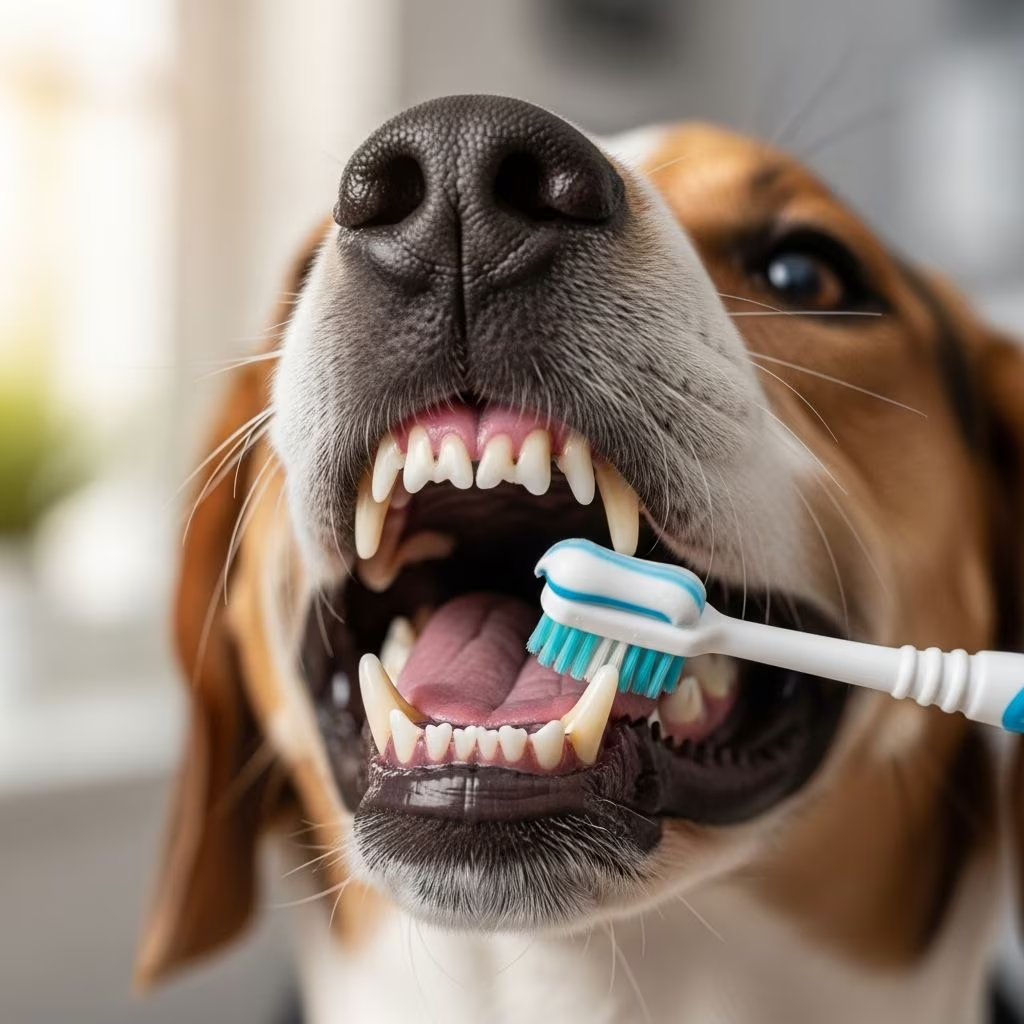
Once your dog is comfortable with mouth handling, introduce the toothbrush and toothpaste during short sessions. Add a small amount of dog-safe toothpaste to the brush bristles and begin by brushing the front teeth in a circular motion for just a few seconds. Don’t expect to complete your dog’s entire mouth the first time you brush.
Progressive Brushing Technique
Introduce the brush for about 10 seconds on your dog’s front teeth, then wrap up the session. Continue these brief brushing sessions on the front and sides of your mouth over the course of a week. Your dog should accept the handling without complaint, and with consistent positive reinforcement through treats, your dog might actually get excited when they see the toothbrush.
Gradually work toward the back of your dog’s mouth, with the goal of brushing all their teeth—front to back—in one session. The process can be more challenging as you work toward the back. If you have a short-nosed breed, you might need to do some maneuvering through lips and gums to reach the molars. Rather than attempting to completely clean the back teeth in one attempt, try several quick brushes to keep the process comfortable for your dog.
Essential Brushing Supplies
Invest in the proper tools for effective brushing:
– Small, soft-bristled toothbrush designed for dogs- Dog-specific toothpaste (never use human toothpaste, which can be harmful)- Finger brushes as an alternative for dogs who resist traditional brushes- Treats for positive reinforcement
Supplementary Dental Care Methods
Dental Chews and Treats
While daily brushing is the gold standard, dental chews provide valuable supplementary support between brushing sessions. Dental chews work by scraping away plaque and tartar as your dog gnaws on them. When selecting dental chews, look for products with the Veterinary Oral Health Council (VOHC) seal, which indicates they’ve been tested and proven effective.
Recommended VOHC-approved options include Greenies Dental Treats, Purina Dental Chewz, Purina DentaLife Treats, American Journey Large Grain-Free Fresh Dental Dog Treats, and Whimzees Dog Treats. These products are made with breath-freshening ingredients and are specifically designed to fight and prevent plaque buildup. Choose the right size for your dog to ensure safe chewing.
Water Additives
Plaque-busting enzyme additives provide another convenient option for supporting dental health. Products like ProDen PlaqueOff or VetriScience Perio Support can be added directly to your dog’s water bowl or food. These solutions support oral health and fresh breath without requiring additional brushing effort.
Brushless Teeth Cleaning Products
For dogs that resist traditional brushing, brushless alternatives offer supplementary support. These include wipes, gels, rinses, and sprays that support dental health without requiring a toothbrush. While these products should not replace regular brushing, they can help maintain oral hygiene in between sessions.
Dental Toys
The physical act of gnawing is excellent for your dog’s teeth and mouth. Chewing scrapes bacteria and plaque off the teeth while massaging the gums. If your pup loves chewing on things like pig’s ears, rubber chew toys, or meat stick chews, they already have a head start on their oral health game. Dogs who enjoy chewing may be able to wait a little longer between professional cleanings compared to less active chewers.
Professional Dental Cleaning: When and Why
Understanding Professional Cleaning
Despite excellent home care, most dogs will eventually need professional dental cleaning. Professional cleaning is typically performed under anesthesia to ensure thoroughness and your dog’s safety. The process involves several important steps that cannot be replicated at home.
What to Expect During Professional Cleaning
Veterinary professionals follow a comprehensive protocol during professional dental cleaning:
– Scaling to remove plaque and tartar buildup- Polishing to smooth tooth surfaces and prevent rapid plaque reaccumulation- Thorough oral examination of the mouth, teeth, and gums to check for signs of inflammation and disease- X-rays to assess tooth roots and identify hidden problems- Treatment of any identified dental issues
Cost Considerations
The cost of professional teeth cleaning varies depending on your location and your dog’s size, but a typical cleaning ranges from $200 to $800. Factors affecting cost include the severity of dental disease, the number of teeth requiring extraction, and your geographic location. While this represents a significant investment, it’s considerably less expensive than treating advanced dental disease or its systemic complications.
Frequency of Professional Cleaning
The frequency of professional cleaning depends on several factors. Small dogs may need dental cleaning sooner than larger breeds. Dogs who enjoy chewing may be able to wait longer between cleanings due to the natural cleaning action of gnawing. Your veterinarian can assess your individual dog’s dental health and recommend an appropriate cleaning schedule.
Building an Effective Dental Care Routine
Daily Routine Recommendations
The most effective dog dental care routine involves multiple components working together:
– Daily brushing with a dog-specific toothbrush and toothpaste- Regular offering of VOHC-approved dental treats and chews to reduce plaque and tartar- Access to dental toys that encourage natural chewing- Addition of dental health enzymes to food or water- Periodic professional dental cleanings as recommended by your veterinarian
Age Considerations
Regular brushing from a young age helps establish a good oral hygiene routine and can prevent dental problems—and other potential health problems—later in life. Puppies who become accustomed to tooth brushing early are more likely to accept the routine as adults. Starting dental care early creates positive associations and makes the process easier as your dog ages.
Making It Sustainable
Incorporating dental care into your dog’s daily routine requires finding a regimen that works for both you and your pup. While the toothbrushing process might be tricky initially, your dog will become more accustomed to it with time and consistency. Once you establish a routine, your dog may actually get excited when they see the toothbrush. Over-the-counter dog dental care products are preventive—they’re not a replacement for veterinary treatment of serious dental health concerns, so always consult your veterinarian about your dog’s dental needs.
Recognizing Dental Disease Warning Signs
Early recognition of dental problems allows for prompt treatment. Warning signs of dental disease include bad breath, visible plaque or tartar on teeth, red or swollen gums, difficulty eating, dropping food while eating, excessive drooling, and behavioral changes related to mouth pain. If you notice any of these signs, schedule a veterinary appointment promptly.
Frequently Asked Questions About Dog Dental Care
Q: Do you have to brush your dog’s teeth?
A: Yes, regular tooth brushing is essential for dogs. It helps prevent dental diseases such as gingivitis, periodontitis, and tooth decay. The benefits include better breath, healthier gums, and prevention of painful dental issues. While other supplementary methods can help, brushing remains the gold standard of dental care.
Q: How often should you brush your dog’s teeth?
A: Ideally, you should brush your dog’s teeth daily, focusing on the outer part of the teeth where plaque accumulates most. If daily brushing isn’t possible, aim for at least three to four times per week, though daily brushing provides optimal results.
Q: What’s the best way to clean dog teeth without brushing?
A: While brushing is most effective, supplementary methods include offering dental chews like Greenies, adding plaque-busting enzymes to food, providing dental toys that encourage natural chewing, and using brushless products like gels or rinses. However, these should complement rather than replace daily brushing.
Q: What do vets recommend for dog dental care?
A: Veterinarians recommend daily brushing with a small, soft-bristled brush and dog-specific toothpaste. They also suggest offering VOHC-approved dental chews and treats, providing access to dental toys, and scheduling professional dental cleanings as needed to address tartar buildup and assess oral health.
Q: How much does professional dog teeth cleaning cost?
A: Professional dog teeth cleaning typically ranges from $200 to $800, depending on your location, your dog’s size, and the severity of dental disease. This investment is significantly less than treating advanced dental disease or its systemic complications.
Q: Can dental disease affect my dog’s overall health?
A: Yes, dental disease can significantly impact overall health. Bacteria from infected gums can enter the bloodstream and affect the heart, liver, and kidneys. Periodontal disease can also cause chronic pain, difficulty eating, and reduced quality of life. Regular dental care helps prevent these serious complications.
References
- Dog Dental Care & Cleaning Products — Chewy. Retrieved 2025-11-28. https://www.chewy.com/b/dental-care-441
- How to Brush Your Dog’s Teeth and Live to Tell the Tale — Chewy. Retrieved 2025-11-28. https://www.chewy.com/education/dog/grooming/health-wellness-how-to-brush-your-dogs-teeth-live-to-tell-the-tale
- How Much Does Dog Teeth Cleaning Cost? — Chewy. Retrieved 2025-11-28. https://www.chewy.com/education/dog/health-and-wellness/dog-teeth-cleaning-cost
- What Is Dental Disease in Dogs? — Chewy. Retrieved 2025-11-28. https://www.chewy.com/education/dog/health-and-wellness/dental-disease-in-dogs
- Effects of novel dental chews on oral health outcomes and halitosis in dogs — PubMed Central, National Center for Biotechnology Information. Retrieved 2025-11-28. https://pmc.ncbi.nlm.nih.gov/articles/PMC7511057/
- Does Pet Insurance Cover Dental — Chewy. Retrieved 2025-11-28. https://www.chewy.com/education/dog/health-and-wellness/does-pet-insurance-cover-dental



