

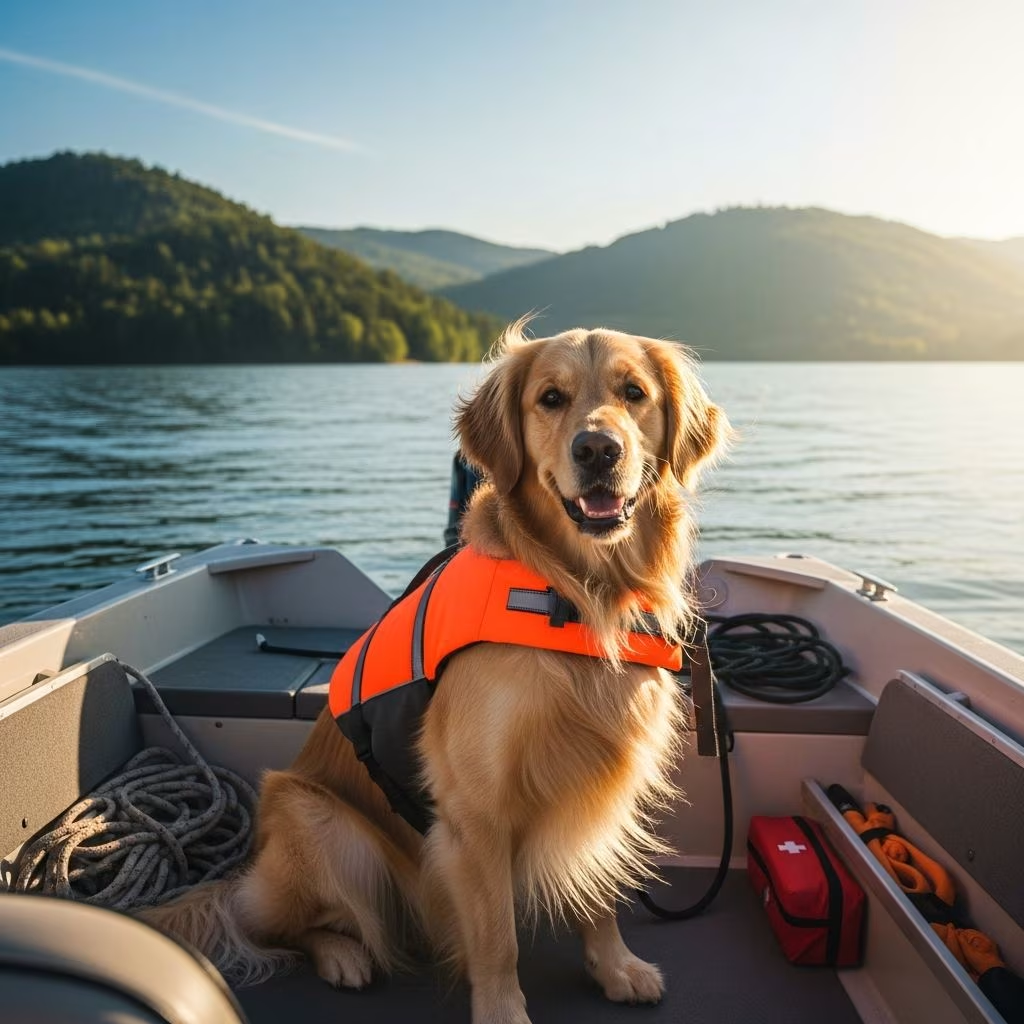
Basic Boat Safety Tips for Dogs
Taking your dog boating can be an exciting adventure, but it requires careful preparation and planning to ensure your pet stays safe on the water. Unlike a backyard environment, boats present unique challenges including confined spaces, unpredictable water conditions, and potential hazards that can quickly become dangerous for your furry companion. Whether you’re planning a leisurely cruise on a calm lake or an extended boating trip, implementing proper safety measures is essential to protect your dog and ensure everyone aboard has an enjoyable experience.
Dogs are naturally curious and energetic, but water environments demand extra caution and vigilance. From selecting the right safety equipment to acclimating your pet to boat conditions, this comprehensive guide will walk you through everything you need to know about boating safely with your dog.
Invest in a Properly Fitted Life Jacket
The most critical piece of safety equipment for your dog is a life jacket specifically designed for pets. Despite common misconceptions that swimming ability guarantees water safety, even excellent swimmers can panic, become disoriented, or exhaust themselves in unexpected situations. A properly fitted life jacket serves as an essential safeguard against drowning and provides floatation support in emergencies.
Key features to look for in a dog life jacket include:
– Snug fit around the neck and body with adjustable straps- Sturdy handle on top for easy retrieval if your dog falls overboard- Bright colors and reflective strips for visibility- Good condition with no tears or wear- Proper buoyancy appropriate for your dog’s weight and size
When selecting a life jacket, ensure it fits snugly without restricting movement or causing discomfort. A loosely fitted jacket can allow your dog’s front leg to slip through, potentially causing injury. Before your boating trip, let your dog wear the life jacket on land for several sessions so they become accustomed to the sensation. This gradual introduction prevents anxiety and resistance when it’s time to board the boat.
Acclimate Your Dog to the Boat Environment
Dogs thrive on familiarity, and introducing your pet to the boat gradually reduces stress and prevents behavioral problems while underway. Never rush this process; patience during the acclimation phase pays dividends in a confident, comfortable boating companion.
Follow these acclimation steps:
– Start with the boat docked and secured at the marina- Allow your dog to explore the vessel at their own pace- Let them become familiar with different areas, surfaces, and the boat’s layout- Gradually introduce boat sounds, such as engine noise, in controlled settings- Take short trips initially before attempting longer excursions
Running the engine while the boat remains at the dock helps your dog acclimate to the sound without the additional stress of being on moving water. Many dogs startle at engine noise, so this preparation is crucial. Starting with shorter trips and gradually increasing duration allows your dog’s confidence to build over multiple experiences. Some dogs may require several outings before they fully relax, and that’s perfectly normal.
Teach Essential Safety Commands
Obedience training becomes even more important when boating, as an out-of-control dog poses serious risks to themselves and everyone aboard. Basic commands provide you with the ability to manage your dog’s behavior quickly in potentially dangerous situations.
Critical commands your dog should master include:
– “Sit” – helps manage excitement and keeps your dog in one location- “Stay” – prevents your dog from moving into hazardous areas- “Come” – essential for recall if your dog attempts to jump or wander- “Off boat” – establishes clear boundaries about where your dog can go- “Down” – useful for calming an anxious or overly excited dog
Practice these commands extensively on land before your boating adventure. An uncontrolled dog on a boat can fall overboard, injure themselves or passengers, or knock someone into the water. Your ability to quickly command your dog to sit or stay in a critical moment could prevent tragedy.
Provide Constant Hydration and Monitor for Overheating
Dogs are susceptible to dehydration and heat exhaustion when exposed to prolonged sun and wind on the water. The combination of sun exposure, salt spray, and wind creates dehydrating conditions that accelerate fluid loss in your pet’s body.
Hydration best practices:
– Offer fresh drinking water frequently throughout the day- Bring more water than you anticipate needing- Use a bowl your dog can easily access while the boat is moving- Never allow your dog to drink from lakes or saltwater, which contains harmful organisms and contaminants- Encourage your dog to drink by offering water during your own refreshment breaks
In addition to dehydration concerns, heat exhaustion represents a serious threat on boats where shade may be limited. Watch for signs including excessive panting, drooling, lethargy, or difficulty moving. Provide shaded areas where your dog can rest, apply dog-safe sunscreen to short-haired breeds, and limit sun exposure during peak heat hours. If your dog shows signs of heat stress, move them to shade immediately and offer cool (not cold) water.
Maintain Constant Supervision and Use a Leash
Even in confined boat spaces, accidents happen quickly. Maintaining visual contact with your dog at all times, similar to watching a young child, is non-negotiable. A momentary lapse in attention could result in your dog falling overboard or encountering a boat hazard.
Supervision strategies:
– Keep your dog in sight at all times- Use a properly fitted leash and harness system for restraint- Attach the leash to a secure point on the boat when underway- Periodically check the leash for tangles or discomfort- Ensure your dog can reach shaded areas while on the leash
When leashing your dog aboard, use a snug-fitting harness rather than a collar, as collars can cause neck injuries if your dog falls or slides on the boat deck. Attach the free end of the leash to a secure, immovable point on the boat, and regularly verify that the leash isn’t tangled or twisted around your dog’s legs. Even well-trained dogs can become startled and attempt to jump overboard, making a secure leash your final line of defense.
Address Footing and Movement Safety
Unstable boat surfaces present unique challenges for dogs accustomed to solid ground. Bobbing and rocking motions that humans easily compensate for can disorient dogs and cause them to lose balance repeatedly.
Improve your dog’s stability on the boat:
– Identify areas where your dog struggles with footing- Apply adhesive non-slip strips designed for shower floors to problem areas- Keep your dog close during rough water conditions- Hold your dog in your lap if seas become too turbulent- Consider keeping your dog below deck during severe weather
Watch your dog carefully to observe which boat areas make them uncertain. Non-slip adhesive strips designed for bathroom use work effectively on boat decks and provide traction without damaging surfaces. If water conditions become too rough and your dog consistently loses balance and appears anxious, holding them securely or allowing them to rest in your lap can significantly reduce their stress and increase their safety.
Plan for Potty Breaks and Extended Trips
Dogs need regular bathroom breaks, and boating trips require advance planning for bathroom management. Whether your trip includes access to shore or involves extended time on the water, you must prepare appropriately.
Bathroom break options:
– Plan routes that allow regular docking for shoreside potty breaks- Bring waste bags for disposing of waste responsibly- Set up puppy training pads or artificial grass on deck for longer trips- Create a designated potty area that’s safe and away from high-traffic boat zones- Maintain a regular schedule for bathroom breaks to prevent accidents
For extended boating trips without frequent docking opportunities, puppy training pads placed on the boat deck provide a designated bathroom area. Change soiled pads regularly and dispose of waste responsibly. If you do dock to allow your dog to relieve itself on land, always clean up waste and follow marina regulations regarding pet policies.
Protect Paws and Monitor for Stress
Your dog’s paws deserve protection during boating adventures. Hot deck surfaces, rough textures, and sharp objects can cause injuries. Additionally, watch carefully for signs that your dog is experiencing stress or anxiety while boating.
Paw and stress management:
– Trim and brush your dog’s nails before boating trips- Check paws regularly for cuts, blisters, or irritation- Rinse saltwater or freshwater off paws regularly- Monitor for panting, trembling, whining, or withdrawal- Never force a dog to boat if they show signs of intense water phobia- Consider leaving your dog at home if they demonstrate severe anxiety or fear
Some dogs simply aren’t suited for boating, and that’s perfectly acceptable. If your dog exhibits intense fear of water, the boat, or boating conditions after reasonable acclimation efforts, prioritize their wellbeing by leaving them in a safe, comfortable environment at home. Forcing a panicked dog onto a boat creates unnecessary stress and potential safety hazards.
Prepare a Dog Boating Safety Kit
Before launching, assemble a comprehensive safety kit containing essential items for your dog’s comfort and health while boating.
Essential items for your dog boating kit:
– Life jacket in proper size- Fresh water and portable bowls- Dog-safe sunscreen- First aid supplies including bandages and antiseptic- Medications your dog requires- Recent photo of your dog (in case of emergency)- Microchip registration information- Waste bags and cleanup supplies- Favorite toys or comfort items- Towels for drying off
Having these items readily accessible ensures you can respond quickly to any health or safety concerns. Keep a recent photo of your dog onboard in case they fall overboard and emergency rescue becomes necessary. Verify that your dog’s microchip registration is current and includes your phone number, as this becomes critical in water-related emergencies.
Practice Water Safety During Swimming
If your boating plans include swimming, proper water introduction ensures your dog enters the water safely and confidently. Panicked swimmers or inexperienced dogs face greater drowning risks.
Safe swimming introduction:
– Find calm, warm water with a gentle, sloping bank for first experiences- Allow your dog to wade and adjust to water temperature gradually- Never throw your dog into water or force them to swim- Guide your dog to swim back to shore or the boat repeatedly- Watch for excessive water ingestion, which can cause water intoxication- Provide regular swimming breaks, as one minute of swimming equals approximately four minutes of land running
Remember that swimming exhausts dogs more quickly than land exercise, so limit swimming duration and provide frequent breaks. Some dogs tend to swallow large amounts of water, particularly while playing with toys, which can lead to water intoxication—a dangerous condition. Use small, flat toys for dogs prone to swallowing water.
Understand Leash Safety While Swimming
If your dog swims while tethered to the boat, ensure the leash length prevents your dog from jumping over the side while you maintain hold of the leash. A leash that’s too long defeats its safety purpose, while one that’s too short restricts your dog’s swimming freedom unnecessarily.
Know Your Dog’s Limitations
Every dog has different comfort levels and abilities regarding water and boating. Recognizing your individual dog’s limitations and respecting their preferences ensures safer, more enjoyable experiences.
Consider these factors:
– Your dog’s age and physical condition- Prior water and boating experience- Natural swimming ability and water confidence- Heat tolerance and sensitivity- Anxiety or fear responses- Size and weight relative to boat size- Duration your dog can comfortably spend on water
Older dogs, dogs with joint problems, or those with heart conditions may not tolerate boating well. Discuss boating plans with your veterinarian, particularly if your dog has any health concerns. Your vet can provide personalized guidance based on your specific dog’s health status and needs.
Frequently Asked Questions
Q: Is it legal for dogs to boat without life jackets?
A: Life jackets are not legally required for dogs in most jurisdictions, but they are strongly recommended as a vital safety measure to prevent drowning accidents and aid in rescue if your dog falls overboard.
Q: Can I leave my dog unattended on a boat?
A: No, you should never leave your dog unattended on a boat. Constant supervision is essential to prevent accidents, falls overboard, or your dog getting into dangerous areas of the vessel.
Q: How long can dogs safely stay on a boat?
A: Duration depends on water conditions, temperature, shade availability, and your individual dog’s comfort level. Start with short trips and gradually increase duration as your dog demonstrates comfort and confidence.
Q: What should I do if my dog falls overboard?
A: Immediately stop the boat and locate your dog in the water. If your dog is wearing a brightly colored life jacket with a handle, use the handle to retrieve them carefully. Call for emergency assistance if needed.
Q: Can my dog swim in lakes or saltwater?
A: Dogs can swim in these waters, but they should not drink from lakes or saltwater. Freshwater lakes often contain harmful organisms and contaminants, while saltwater can cause dehydration and gastrointestinal upset.
Q: How do I prevent my dog from jumping off the boat?
A: Use a properly fitted harness with a secure leash attached to a fixed boat point. Maintain constant supervision and teach your dog solid “stay” commands before boating.
Q: Should I acclimate small dogs differently than large dogs?
A: While acclimation principles remain the same, use ramps for larger dogs and carry smaller dogs when boarding to prevent injuries. Size affects balance and movement on boat surfaces, so adjust your approach accordingly.
Q: What are signs my dog is too stressed for boating?
A: Excessive panting, trembling, whining, withdrawal, drooling, or attempts to hide indicate stress. If these signs persist after reasonable acclimation efforts, your dog may not be suited for boating.
References
- Doggone it! 7 Tips for Boating With Dogs and Pets Safely — Boat Ed. 2024. https://www.boat-ed.com/blog/doggone-it-how-to-boat-safely-with-your-pet/
- The Top Tips for Taking Your Dog Boating — Discover Boating. 2024. https://www.discoverboating.com/resources/tips-for-taking-your-dog-boating
- Dog Water Safety Tips: How to Safely Take Your Dog Out on the Water — American Kennel Club. 2024. https://www.akc.org/expert-advice/travel/tips-for-taking-your-dog-out-on-the-water/
- 5 Essential Tips If You Plan to Go Boating with Your Dog — Boating Safety. 2024. https://www.boatingsafety.com/blogpost/1828549/503556/Dog-Days-of-Summer-5-Essential-Tips-If-You-Plan-to-Go-Boating-with-Your-Dog
- Boating Safety for Pets — ASPCA. 2024. https://www.aspca.org/news/boating-safety-pets



