

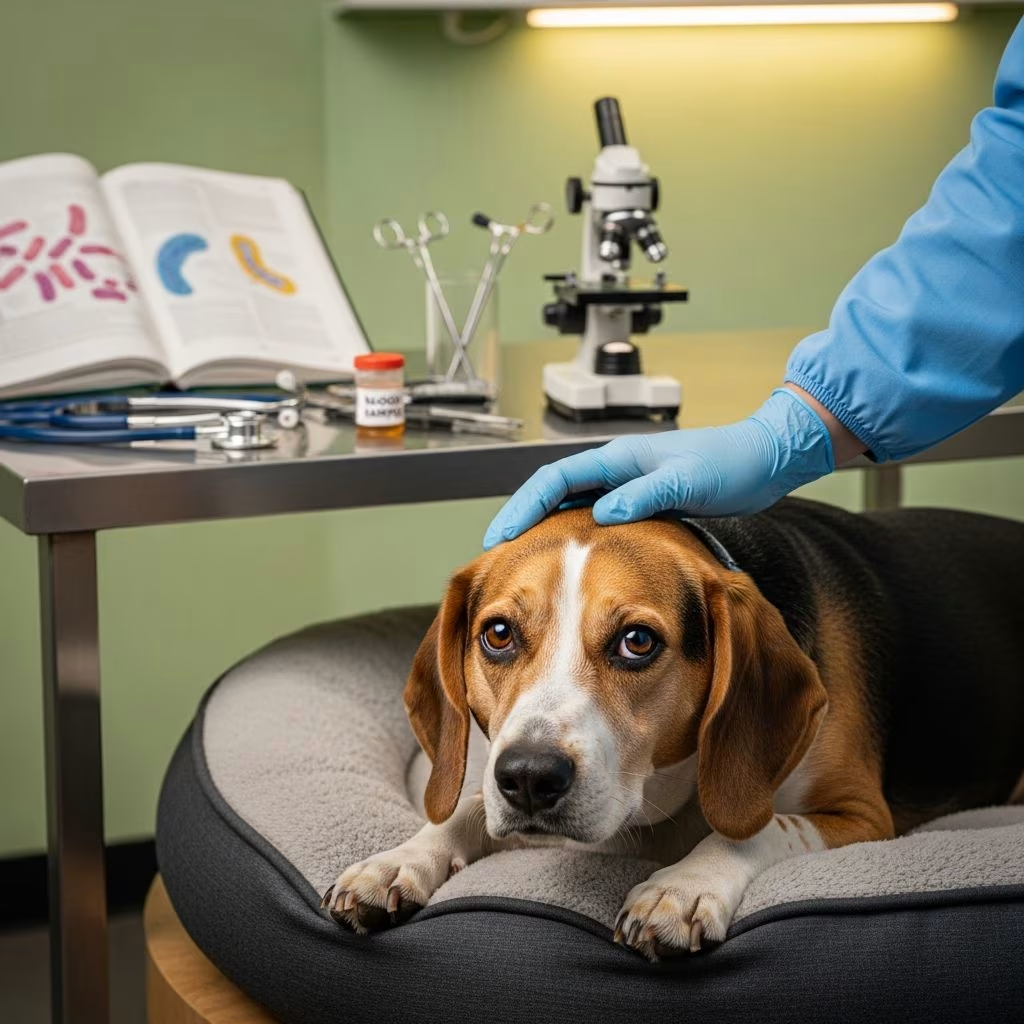
Bartonella is a bacterial infection that affects dogs through transmission by parasites, particularly fleas and ticks. This condition, sometimes referred to as bartonellosis when discussing the systemic disease it causes, represents an emerging concern for veterinarians and dog owners alike. Unlike some infections that present with straightforward symptoms, bartonella can develop gradually and manifest in various ways depending on which body systems become affected. Understanding this infection, recognizing its signs, and knowing how to respond can make a significant difference in your dog’s health outcomes.
What Is Bartonella and How Do Dogs Contract It?
Bartonella is a genus of bacteria characterized by its ability to adapt quickly to its environment, making it particularly challenging to manage in infected animals. The infection spreads primarily through flea and tick vectors, meaning that infested parasites transmit the bacteria when they bite or scratch a dog. Because of this transmission method, dogs with outdoor access or those in contact with wildlife face higher exposure risks. The bacteria can establish itself in the bloodstream and spread throughout various tissues, potentially affecting the heart, liver, lymph nodes, and brain.
The infection typically begins as an acute illness, which may be accompanied by fever or systemic inflammatory responses. However, many dogs transition into a chronic phase where symptoms become intermittent and subtle, potentially lasting months or years if left untreated.
Recognizing the Clinical Presentation
Dogs infected with bartonella exhibit a diverse range of symptoms that can complicate early diagnosis. The condition’s variable presentation means that what one dog experiences may differ significantly from another dog’s clinical course.
Primary Symptoms and Physical Signs
- Fever — May be intermittent rather than constant, making it easy to miss
- Lymph node enlargement — Mild to moderate swelling of lymph nodes throughout the body
- Muscular discomfort — Dogs often experience soreness and muscle pain
- Mobility issues — Reluctance to jump, run, or move normally; lameness in one or more legs
- Nasal symptoms — Discharge from the nose or spontaneous nosebleeds (epistaxis)
- Digestive disturbances — Vomiting and diarrhea may occur
Serious Systemic Complications
When bartonella progresses to involve vital organs, the condition becomes more serious and requires aggressive intervention. Some dogs develop inflammatory conditions affecting the heart, which can present as irregular heartbeats, persistent coughing, difficulty breathing, or episodes of fainting. Eye inflammation (uveitis) may develop, causing discomfort and vision problems. In severe cases, the infection can trigger immune-mediated responses where the dog’s own immune system begins destroying red blood cells or platelets, leading to anemia or bleeding disorders.
Progressive neurological involvement represents another serious manifestation, with dogs developing poor coordination, seizures, or altered mental status as the infection affects the brain. These severe presentations typically indicate advanced disease requiring intensive veterinary care.
Diagnostic Approaches and Testing Methods
Veterinary diagnosis of bartonella infection requires a systematic approach since the symptoms overlap considerably with other canine diseases. A comprehensive diagnostic protocol typically begins with a thorough physical examination, standard blood work, and urinalysis.
Specialized Diagnostic Tests
Because bartonella’s symptoms mimic numerous other conditions, additional specialized testing becomes necessary for definitive diagnosis. The following tests help identify the bacterial infection:
- PCR (Polymerase Chain Reaction) — Detects bacterial DNA in blood samples, offering high specificity
- IFA (Immunofluorescence Antibodies) — Identifies antibodies the dog’s immune system has produced against the bacteria
- Bacterial cultures — Grown from blood or tissue samples, including affected tissues like lymph nodes or heart valves in cases of endocarditis
- BAPGM culture/PCR assay — An advanced platform used to confirm clearance of infection following treatment
Dogs with suspected cardiac involvement typically undergo electrocardiography (EKG) and chest X-rays to evaluate heart structure and function. These imaging studies help determine the extent of cardiac inflammation and guide treatment decisions.
Treatment Protocols and Antibiotic Therapy
Antibiotic therapy forms the cornerstone of bartonella treatment in dogs. However, successful elimination of the infection requires careful medication selection and adherence to extended treatment protocols.
Standard Antibiotic Regimens
Dogs typically receive a minimum of 4 to 6 weeks of antibiotic therapy. Doxycycline as a single agent does not effectively clear most bartonella infections, making combination therapy the preferred approach. Current recommendations favor specific antibiotic combinations that achieve adequate concentrations within cells and the bloodstream, where bartonella bacteria can establish infection.
Recommended treatment combinations include doxycycline paired with either enrofloxacin or a fluoroquinolone antibiotic for 4 to 6 weeks. In cases where initial treatment proves unsuccessful or disease relapse occurs, veterinarians may introduce a third antibiotic to achieve cure. Doxycycline combined with rifampin represents an alternative regimen for dogs not responding to standard protocols.
Managing Treatment Side Effects
Extended antibiotic courses can produce uncomfortable side effects in dogs. Common adverse reactions include loss of appetite, vomiting, diarrhea, and elevated liver enzyme activities. Many dogs tolerate dual or triple antibiotic therapy reasonably well, though some require supportive medications. Within 3 to 6 days of starting antibiotics, dogs often experience lethargy and inappetence, likely resulting from bacterial death and the inflammatory response it triggers.
Anti-inflammatory corticosteroids may temporarily address these reactions, along with medications to manage nausea or vomiting, allowing dogs to tolerate the full antibiotic course. Pain management becomes necessary for dogs experiencing lameness or muscle soreness during treatment.
Intensive Care Requirements
Most dogs receiving antibiotic therapy can be treated on an outpatient basis after diagnosis confirmation. However, dogs presenting with life-threatening complications such as endocarditis, severe heart muscle inflammation, encephalitis, or immune-mediated destruction of blood cells require inpatient hospitalization with intravenous antibiotics and intensive monitoring.
In severe cases, temporary immunosuppressive medications may be necessary to halt the dog’s immune system from destroying its own red blood cells or platelets. Supportive care options include fluid therapy, blood transfusions when needed, and organ-specific medications tailored to the affected body systems.
Recovery Timeline and Post-Treatment Monitoring
Most dogs show significant improvement in clinical symptoms within 2 to 4 weeks of beginning antibiotic therapy. However, complete recovery may proceed more gradually. Some dogs experience persistent mild lymph node swelling or generalized fatigue lasting several months, though this prolonged recovery is relatively uncommon.
Managing Recovery at Home
During the recovery period, following veterinary recommendations regarding exercise, diet, and medication compliance becomes critical. Exercise restriction is generally advised, with gradual progression to normal activity levels only after symptoms resolve. Providing comfort-focused care helps manage sore and stiff muscles, such as using orthopedic bedding that reduces pressure on joints and painful areas.
Never discontinue prescribed antibiotics without explicit veterinary approval, even if symptoms improve. Premature discontinuation risks incomplete bacterial elimination and potential disease recurrence.
Post-Treatment Testing
Following completion of antibiotic therapy, veterinarians typically recommend follow-up testing to confirm bacterial elimination. A BAPGM platform culture/PCR assay performed 2 to 4 weeks after completing antibiotics helps verify that the infection has been cleared. Antibody titers decline rapidly in successfully treated dogs, with most achieving seronegative status (negative antibody tests) within 3 to 6 months.
Prevention and Risk Reduction Strategies
Since fleas and ticks transmit bartonella, consistent parasite prevention represents the most effective protective measure. Year-round flea and tick control, even in cooler climates where parasites can remain active indoors, significantly reduces transmission risk. Regular grooming and inspection of a dog’s coat helps identify parasites early before they establish heavy infestations.
Dogs with outdoor access should receive preventive treatments appropriate to their geographic location and seasonal parasite activity. Consulting with a veterinarian about the most effective parasite prevention options ensures comprehensive protection against bartonella and other flea- and tick-borne diseases.
Zoonotic Considerations: Human Health Implications
Bartonella species can transmit to humans through scratches or bites from infected animals and parasites. While infection in humans is typically less severe than in some cases of canine disease, it remains a public health concern. Pet owners should practice good hygiene when handling infected dogs and maintain consistent parasite prevention to minimize human exposure risk.
Frequently Asked Questions
Can bartonella infection be cured completely?
Yes, with appropriate antibiotic therapy, bartonella infection can be completely cleared. Post-treatment testing confirms elimination, and successfully treated dogs typically become seronegative within several months.
How long does bartonella treatment take?
Standard treatment lasts a minimum of 4 to 6 weeks of antibiotic therapy. Some complicated cases may require extended treatment or combination therapy with additional antibiotics.
Is bartonella infection fatal in dogs?
While most dogs recover well with treatment, severe complications such as endocarditis or severe cardiac inflammation can carry poor prognoses without prompt intervention. Early diagnosis and aggressive treatment significantly improve survival outcomes.
Can dogs get reinfected with bartonella?
Yes, if a dog comes into contact with infected fleas or ticks after recovery, reinfection is possible. Consistent parasite prevention helps prevent subsequent infections.
Key Takeaways for Dog Owners
Bartonella infection in dogs represents a manageable but serious condition requiring prompt veterinary attention. Recognizing the varied symptoms—from mild fever and lethargy to serious cardiac involvement—enables early intervention. Combination antibiotic therapy lasting 4 to 6 weeks offers the best chance for complete recovery. Maintaining consistent flea and tick prevention protects against bartonella transmission and reduces the risk of infection in your household. If your dog shows signs of illness including fever, lameness, enlarged lymph nodes, or nasal bleeding, contact your veterinarian promptly for evaluation and testing. With appropriate treatment and preventive measures, most dogs recover fully from bartonella infection and return to normal activity levels.
References
- Bartonella Infection in Dogs: Symptoms, Causes, and Treatment — PetMD. https://www.petmd.com/dog/conditions/infectious-parasitic/c_dg_bartonellosis
- Cat Scratch Fever (Bartonella Infection) in Dogs — Vetster. https://vetster.com/en/conditions/dog/bartonella-infection
- Canine Bartonellosis: Presentation, Differential Diagnosis, and Treatment — Clinician’s Brief. https://www.cliniciansbrief.com/article/canine-bartonellosis
- Bartonella infections in cats and dogs including zoonotic aspects — National Center for Biotechnology Information (NCBI). 2019. https://pmc.ncbi.nlm.nih.gov/articles/PMC6280416/
- Bartonellosis — MSPCA-Angell. https://www.mspca.org/angell_services/bartonellosis/
- Veterinary Guidance for Bartonella — Centers for Disease Control and Prevention (CDC). https://www.cdc.gov/bartonella/hcp/veterinarians/index.html



