
Barry The Barred Owl: 11 NYC Owls And His Impact
Discover how Barry the barred owl became a sensation in New York City, enchanting residents and highlighting urban wildlife wonders.
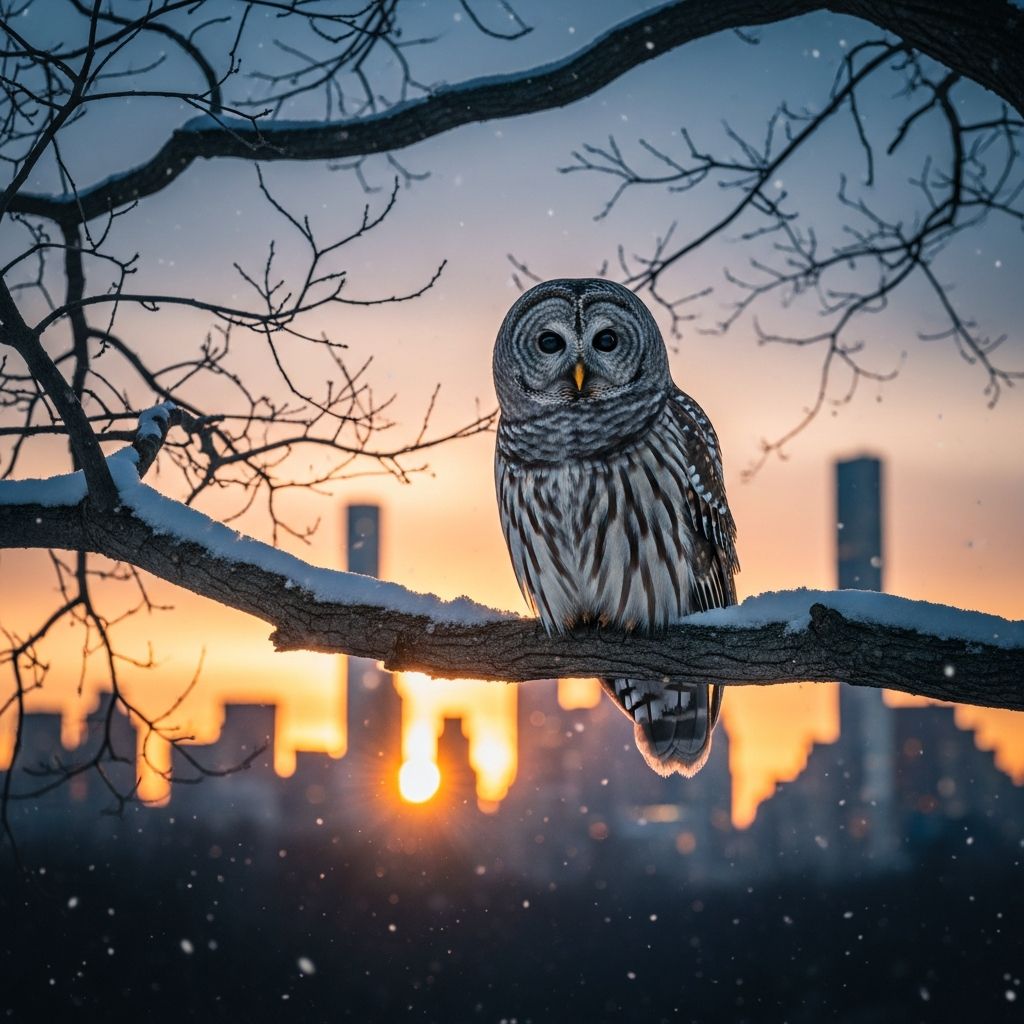
Barred owls, known for their distinctive barred plumage and haunting calls, have long fascinated bird enthusiasts. In New York City, one individual named Barry has emerged as a local legend, drawing crowds and media attention for his fearless navigation of the urban landscape. This article delves into Barry’s story, the biology of barred owls, their adaptation to city life, and the broader context of owl populations in NYC.
The Rise of an Urban Celebrity
Barry first captured public imagination when sightings of him perched confidently in Central Park began circulating on social media. Unlike more elusive owl species, Barry appeared comfortable around humans, often spotted during daylight hours gazing from tree branches or park lampposts. His bold demeanor led to viral photos and videos, turning him into an unofficial mascot for city wildlife lovers.
Rescued after an encounter that left him in need of care, Barry’s journey from rehabilitation to stardom underscores the resilience of these birds. Experts note that barred owls prefer wooded riparian areas, but urban green spaces like parks provide surrogate habitats with ample prey. Barry’s presence highlights how individual animals can spark widespread interest in conservation.
Biology and Traits of the Barred Owl
Barred owls (Strix varia) feature mottled brown and white feathers ideal for camouflage in forests. Their dark, soulful eyes and lack of ear tufts distinguish them from great horned owls. These birds emit a classic ‘who-cooks-for-you’ hoot, easily recognizable in quiet urban nights.
- Size: Approximately 16-25 inches tall with a 38-49 inch wingspan.
- Diet: Primarily small mammals, birds, amphibians, and invertebrates; opportunistic hunters.
- Breeding: Lay 2-4 eggs in winter, with fledglings emerging in spring.
Unlike some owls, barred owls are non-migratory, maintaining territories year-round. Their adaptability allows them to thrive where natural habitats diminish.
Owls Thriving Amid NYC Skyscrapers
New York City hosts at least 11 owl species, drawn by diverse habitats from parks to marshes. Eleven species have been documented, including breeding populations of barn, eastern screech, and great horned owls. Winter visitors like long-eared and northern saw-whet owls add to the diversity.
| Owl Species | Status in NYC | Preferred Habitat | Key Prey |
|---|---|---|---|
| Eastern Screech-Owl | Breeding resident | Wooded parks, urban edges | Insects, small rodents, birds |
| Great Horned Owl | Breeding resident | Woodlands, parks | Rabbits, squirrels, ducks |
| Barn Owl | Breeding resident | Open fields, marshes | Rats, mice |
| Long-Eared Owl | Winter visitor | Conifer groves, meadows | Small mammals |
| Northern Saw-Whet Owl | Winter visitor | Young pines, woodlands | Mice, voles |
This table summarizes key species, showing how NYC’s patchwork of green spaces—from Central Park to Jamaica Bay—sustains them. Abundant rats, mice, and birds serve as a reliable food source, making the city a ‘fast-food joint’ for raptors.
How Urban Environments Suit Owls
Despite skyscrapers and traffic, NYC offers surprising advantages for owls. Parks provide roosting sites, while streetlights attract insects that draw smaller prey. Eastern screech-owls, for instance, occupy wooded urban parks, showing tolerance for high human density. Studies confirm their persistence in greenspaces amid urbanization exceeding 20,000 people per square kilometer.
Habitat diversity is crucial: fields for barn owls, woodlands for great horned, and marshes for short-eared visitors. However, changes like lost riparian zones challenge barred owls, once breeders but now rarer. Conservation efforts, including nest boxes, help mitigate this.
Barry’s Impact on Public Awareness
Barry’s fame has mobilized volunteers for owl monitoring. Sightings reports surged, aiding researchers in tracking populations. His story illustrates how urban wildlife can bridge people and nature, fostering support for park preservation.
Rehabilitation centers play a key role, treating injured birds like Barry for release or education. Programs teach about owl ecology, emphasizing quiet observation to avoid disturbance during roosting.
Challenges Facing City Owls
Urban threats include rodenticides poisoning prey, collisions with windows and vehicles, and habitat fragmentation. Barred owls face competition from great horned owls in shrinking woodlands. Climate shifts may alter migration patterns for visitors like saw-whets.
- Rodenticide exposure reduces prey availability.
- Light pollution disrupts hunting.
- Habitat loss from development squeezes territories.
Yet, resilience shines: barn owls nest year-round near rat-heavy apartments, even in Yankee Stadium walls historically.
Conservation Initiatives in NYC
Organizations install nest boxes in parks, targeting screech and saw-whet owls. Public walks reveal species like long-eared owls roosting in Bronx groves—up to 37 at one site in 1962. Citizen science apps log sightings, informing management.
Great horned owls breed successfully, with duets heard in December from park lampposts. Fledglings waddle paths by day, parents delivering diverse prey nightly.
Observing Owls Responsibly
To spot owls like Barry, visit parks at dusk. Listen for hoots; scan conifers for ear tufts. Use binoculars, stay on paths, and avoid flash photography. Apps identify calls, enhancing experiences without harm.
FAQs
What makes Barry the barred owl special?
Barry’s comfort in human areas and photogenic presence made him a social media star, spotlighting urban owls.
Which owls breed in NYC?
Barn, eastern screech, and great horned owls nest regularly.
Why do owls like NYC?
Abundant prey like rats and diverse habitats from parks to marshes attract them.
Can I see owls in city parks?
Yes, especially screech-owls in wooded areas and winter visitors in conifers.
How to help urban owls?
Support nest box programs, reduce rodenticides, and report sightings ethically.
Future for Urban Owls
With growing awareness from icons like Barry, NYC’s owls stand a fighting chance. Balancing development with green corridors will ensure their calls echo for generations. Protecting parks preserves not just birds, but the wild heart of the city.
References
- Owls of New York City — New York State Department of Environmental Conservation. 2010. https://extapps.dec.ny.gov/docs/administration_pdf/1010owlsnyc.pdf
- Population Dynamics and Occupancy Patterns of Eastern Screech-Owls in New York City — CUNY Academic Works. 2015. https://academicworks.cuny.edu/cgi/viewcontent.cgi?article=2692&context=gc_etds
- Long-eared Owl Guide — National Audubon Society. Accessed 2026. https://www.audubon.org/field-guide/bird/long-eared-owl
- Eastern Screech-Owl Account — University of Michigan Animal Diversity Web. Accessed 2026. https://animaldiversity.org/accounts/Otus_asio/
- Owls in New York State Parks — New York State Office of Parks, Recreation and Historic Preservation. Accessed 2026. https://nystateparks.blog/tag/owls/
Similar Articles








Read full bio of Sneha Tete


