

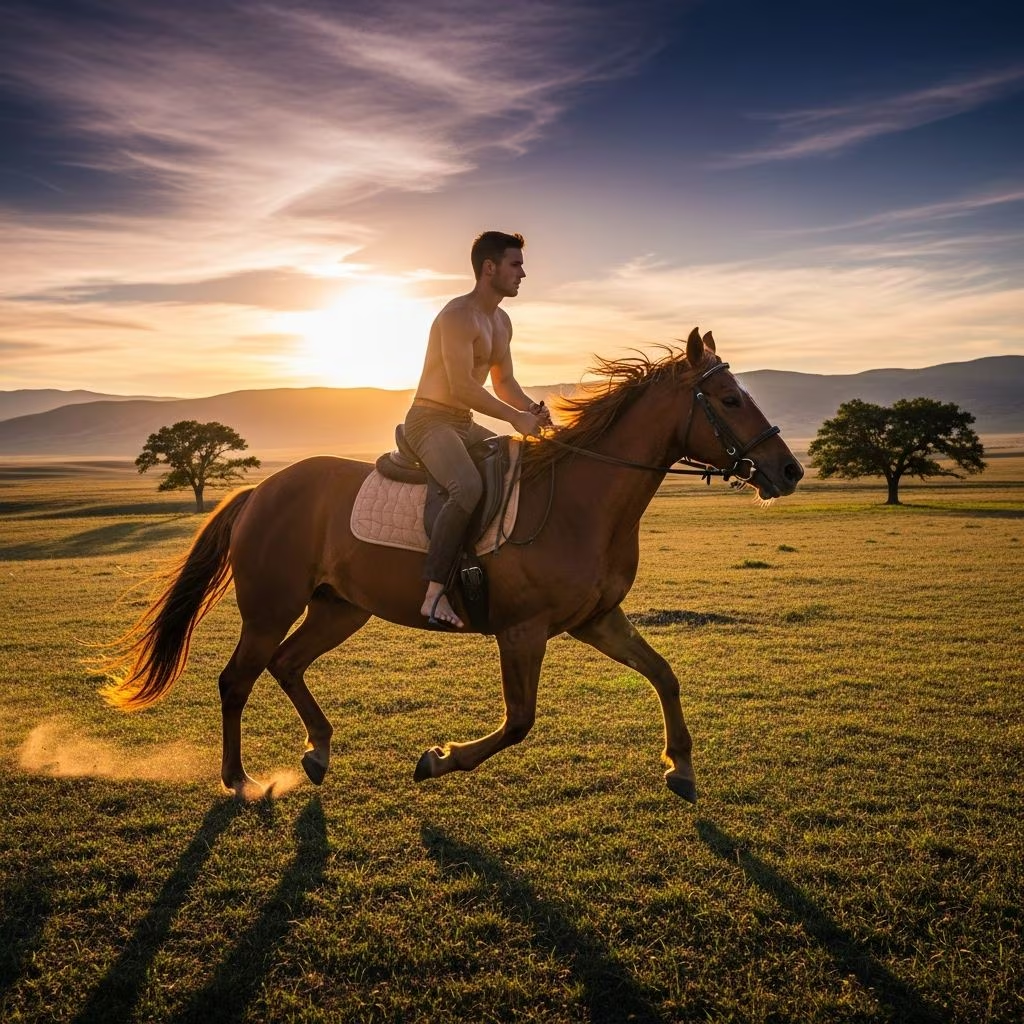
Understanding Bareback Horse Riding
Bareback horse riding represents one of the most direct and intimate forms of horse riding, allowing riders to connect with their horses in a unique and rewarding way. Unlike traditional saddle riding, bareback riding involves mounting and riding a horse without any saddle, which creates a more immediate relationship between rider and animal. This ancient practice, dating back centuries, has seen a resurgence in modern equestrian circles due to its numerous physical and mental benefits for both horse and rider.
The simplicity of bareback riding belies its complexity. While the concept is straightforward—simply riding without a saddle—mastering the technique requires dedication, practice, and proper instruction. Whether you’re a seasoned equestrian looking to refine your skills or a beginner exploring new riding styles, understanding the fundamentals of bareback riding is essential to your success and safety.
Preparing Your Horse for Bareback Riding
Contrary to popular belief, there is no additional specialized training required to teach a horse to ride bareback. However, individual horses respond differently to bareback riding, and their comfort levels vary considerably. Some horses naturally adapt well to this style of riding, while others may need more time to adjust.
Before your first bareback ride, several important considerations should guide your preparation:
Initial Assessment and Safety
If you have never ridden your horse bareback previously, it’s wise to have someone lead your horse using a halter and rope during your first attempt. This precaution ensures your horse will respond appropriately to your aids and helps identify any behavioral concerns before you’re fully mounted. Additionally, avoid bareback riding if your horse is experiencing any back pain, tenderness, or sensitivity. A horse’s comfort is paramount, as discomfort can lead to behavioral issues and poor performance.
Addressing Cold-Backed Horses
If your horse is known to be cold-backed—meaning they react negatively or with sensitivity when first mounted—ensure he receives adequate warm-up before you mount bareback. A thorough walk-around and gentle groundwork will help relax the horse and prepare them mentally and physically for the ride.
Mounting Your Horse Bareback
Mounting a horse bareback presents one of the most challenging aspects of this riding style, as riders lose the stability provided by stirrups and saddle structure. However, with proper technique and preparation, mounting bareback becomes manageable and even enjoyable.
Using a Mounting Block
A mounting block, stepstool, or sturdy rock provides essential height assistance when mounting bareback. The ideal mounting block should allow you to swing your leg smoothly over your horse’s back. For taller horses, you may need to first position yourself lying across the horse’s back (often called “draping”) before swinging your leg to the opposite side. While this method requires considerable core strength, balance, and flexibility, practice makes it increasingly achievable.
Enlisting Help from a Handler
Mounting can present genuine safety challenges, and unless your horse is exceptionally reliable and responsive, having a trusted handler on the ground is invaluable. This person can help keep your horse still and prevent unwanted movement during the mounting process. If you struggle to mount your horse when using a traditional saddle, attempting bareback mounting is not advisable until your general mounting skills improve.
Mounting Best Practices
Before mounting, gather your reins securely in one hand to prevent your horse from walking forward or lowering their head unexpectedly. Once you’ve successfully settled into position, allow your horse to stand quietly until you’re completely ready to begin your ride. Always mount in a calm, uncluttered environment away from distractions that might spook your horse.
Developing Proper Bareback Form
Proper bareback riding form fundamentally mirrors correct saddle riding form, though it demands even greater precision and body awareness. Without the structural support of a saddle, every aspect of your position becomes magnified in its importance.
Foundational Position Principles
Maintain an upright, aligned posture throughout your ride. There’s a natural tendency to lean forward, but resisting this impulse is critical to balanced bareback riding. Your position should feature a long, relaxed leg that drapes naturally against your horse’s side. Allow your weight to settle into your heels, and focus on keeping your lower leg underneath your body rather than swinging it forward or back.
The Role of Balance Over Grip
One of the most important distinctions in bareback riding is learning to rely on balance rather than leg grip for security. Many beginning riders instinctively clamp their calves or squeeze with their knees, but this approach creates tension, restricts your horse’s movement, and actually decreases stability. Instead, allow your legs to lie naturally against your horse’s barrel without clamping or wrapping. Your core muscles become your primary balance center, and developing this relationship is fundamental to successful bareback riding.
Body Relaxation and Movement
Relaxing your body while maintaining proper form is challenging yet essential. Focus on keeping your weight in your heels and following the movement of your horse with your entire body. Allow your hips to open and swing naturally with your horse’s motion, which enables superior communication and balance. When you first begin bareback riding, bracing and tension—particularly in the upper body—are common responses to nervousness. Recognizing these patterns and consciously working to relax is an important part of progression.
Building Balance and Confidence
Balance represents the cornerstone of effective bareback riding, and developing this skill requires dedicated practice and appropriate progression.
Progressive Training Approach
If bareback riding intimidates you, ease into the experience gradually. Begin with “no-stirrup” work at walk in an arena setting to familiarize yourself with balance requirements without the pressure of riding bareback. Having a friend lunge you while riding with closed eyes can also help you develop an intuitive feel for your horse’s rhythm and movement.
Starting at the Walk
Always begin bareback sessions with extended walking. Focus on feeling your horse’s movement and developing security at this foundational gait. From there, introduce turning, reverses, and circles while maintaining the walk. This gradual progression allows both horse and rider to build confidence and establish a communication baseline before advancing to more demanding gaits.
Advancing Through Gaits
Once you feel genuinely secure and balanced at the walk, progress to the trot or jog. Maintain an upright position with relaxed legs draped naturally. Move your seat with your horse’s motion rather than remaining rigid—this rhythmic movement with your horse vastly improves balance and security compared to stiff, resistant positioning. When you feel ready, advance to the canter or lope, focusing on fully releasing your lower back through all three beats of this gait. With consistent practice, many experienced bareback riders eventually advance to jumping bareback, though this should only be attempted after considerable experience and practice.
Safety Considerations
While bareback riding offers tremendous benefits, safety must always remain your primary concern.
Helmet Usage
Always wear a properly fitted helmet when riding bareback, as you have considerably less physical support from the saddle in case of a fall. This simple precaution significantly reduces the risk of head injury and should never be compromised.
Working Within Your Comfort Zone
Respect your own and your horse’s limitations. Stick with what you and your horse are comfortable with rather than pushing into unfamiliar territory too quickly. Bareback riding requires exceptional communication and trust between horse and rider, and both partners need time to develop these elements.
Avoiding Common Mistakes
Do not use the reins for balance—this creates an uneven contact and discomfort for your horse. Additionally, avoid bouncing or attempting to maintain stirrup position (a habit from saddle riding) as these actions create significant discomfort and instability in bareback riding.
Physical Benefits of Bareback Riding
Bareback riding offers substantial physical advantages for riders who practice regularly.
Core Muscle Development
Without saddle support, your core muscles become your primary stabilization system. This demands constant engagement from your abdominal, back, and hip stabilizer muscles, leading to significant strength development. As your core strength improves, you’ll find it progressively easier to relax through your shoulders and arms since your core becomes your true balance center.
Improved Posture and Body Awareness
The demands of bareback riding naturally encourage proper alignment and posture. You become acutely aware of your body position and how even minute shifts affect your stability and communication with your horse. This heightened body awareness translates to improved riding across all disciplines.
Enhanced Hip and Leg Flexibility
Without stirrups constraining your leg position, your hips open more freely and your legs achieve a naturally long line. This extended leg allows you to feel your horse’s sides more directly and communicates aids with greater subtlety and precision.
Frequently Asked Questions
Q: Do I need special training to teach my horse to ride bareback?
No, horses require no additional training to accommodate bareback riding. However, individual horses vary in their comfort and responsiveness to bareback riding. Some horses naturally adapt well, while others need time to adjust to the sensation and communication style of bareback riding.
Q: What if my horse is cold-backed?
Cold-backed horses react with sensitivity when first mounted. Provide adequate warm-up before mounting bareback, including a thorough walk-around and gentle groundwork to relax the horse both mentally and physically.
Q: How long does it take to become proficient at bareback riding?
Development timelines vary depending on your riding experience, natural balance, and the amount of practice you dedicate to bareback riding. Beginners typically feel secure at the walk within several sessions, though advancing to other gaits requires continued practice and progression.
Q: Can children ride bareback?
Yes, bareback riding can be excellent for children, as it develops balance, core strength, and an intuitive connection with horses. However, proper supervision, appropriate horse selection, and safety measures including helmets are essential.
Q: Is bareback riding safer or more dangerous than saddle riding?
Bareback riding presents different risks than saddle riding rather than being inherently safer or more dangerous. The reduced stability requires superior balance and body control, while the direct contact provides superior communication. Proper training, safety equipment, and realistic progression significantly mitigate risks.
Q: Can I use the same horse for both saddle and bareback riding?
Absolutely. Most horses adapt well to both saddle and bareback riding. Ensure your horse shows no signs of back pain or sensitivity, and allow adequate transition time between riding styles.
References
- Bareback Horse Riding Made Easy — Parelli Natural Horsemanship. 2024. https://shopus.parelli.com/blogs/savvystation/bareback-horse-riding-made-easy
- How To Ride A Horse Bareback – Advice & Tips — ThinLine Global. 2024. https://thinlineglobal.com/blog/how-to-ride-a-horse-bareback
- Bareback Horse Riding: Not Just for Kids — Horse and Rider Magazine. 2024. https://horseandrider.com/blog/bareback-riding-with-stacy-westfall/
- Equine Back Pain and Performance — American Association of Equine Practitioners. 2023. https://aaep.org
- How to Ride a Horse WITHOUT a Saddle — Equestrian Training Resources. 2024. https://www.youtube.com/watch?v=YQNCCPYRvoo
- Bareback Riding Hints — Horse and Hound Forum Community. 2024. https://forums.horseandhound.co.uk/threads/bareback-riding-hints.831713/



